
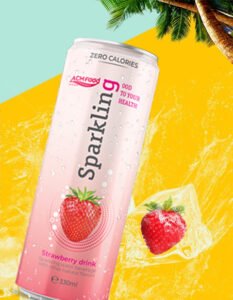
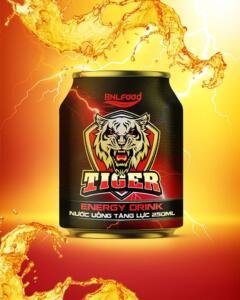
Launching an energy drink brand takes 7 main steps: define your positioning, check caffeine and labelling rules in your market, choose a manufacturer, pick a base formula, design the can, test samples, and plan distribution. Working with an OEM manufacturer avoids building a factory; most private-label energy drinks start from an existing base with adjusted flavour, sugar and caffeine.
Step 1: Define your positioning
| Position | Typical formula | Target buyer |
|---|---|---|
| Classic energy | Caffeine, taurine, B vitamins, sugar | Students, drivers, shift workers |
| Zero sugar | Same actives with sweeteners | Weight-conscious adults |
| Natural energy | Green tea, guarana or green coffee caffeine | Health and wellness shoppers |
| Fruit-flavoured | Strawberry, orange, tropical | Younger shoppers |
| Premium | Slim can, refined flavours | Gyms, convenience, urban retail |
Step 2: Check the rules in your market
- EU and UK: “high caffeine content” warning above 150 mg/L; UK retailers restrict sales to under-16s.
- US: labels must be accurate; FDA considers 400 mg caffeine a day safe for most adults.
- Gulf states: excise tax on energy drinks; HALAL certification expected.
- Permitted sweeteners, colours and added vitamins differ by country.
Step 3: Choose a manufacturer

Check food-safety certifications (FSSC 22000, HACCP, ISO 22000), export experience, can formats on their lines, and whether they offer existing energy drink bases.
Step 4: Pick and adjust a base formula
Start from a proven base and adjust caffeine, sugar, flavour and carbonation. See customising a private-label energy drink and ingredient basics in what is in an energy drink.
Step 5: Design the can
250 ml slim cans are the classic format; 330 ml and 500 ml suit value markets. Include all mandatory warnings and nutrition information.
Step 6: Sample and test
Taste against leading brands in your market and confirm shelf stability. See product sampling.
Step 7: Plan distribution
Start with 1–2 SKUs in focused channels – convenience stores, gyms, online – then expand once sales data proves demand.
Energy drinks from ACM
ACM produces energy drinks for OEM and private label in slim, sleek and standard cans, with exports to more than 40 countries. Browse the energy drink range, including premium and fruit-flavoured options.
Frequently asked questions
How much does it cost to start an energy drink brand?
It depends on minimum order, can printing and marketing. Using an existing base formula keeps development costs low.
Do I need my own factory?
No. OEM manufacturers handle formulation, filling and export documents.
How much caffeine should my energy drink contain?
Most contain about 30–32 mg per 100 ml; stay within your market’s rules and labelling requirements.
Can I launch a sugar-free energy drink?
Yes, using sweeteners permitted in your target market.