

ACM Premium Energy Drink Drives Premiumization Growth in Functional Beverages

The energy drink market is undergoing a profound transformation. Consumers increasingly seek products that deliver not only functional benefits but also a sense of quality and exclusivity. This shift toward premiumization is redefining the category, pushing brands to innovate with high-grade ingredients, refined packaging, and sophisticated marketing.

The global premium energy drink segment is projected to grow at a CAGR of 8.2% through 2030, outpacing the mainstream market. Key drivers include rising disposable incomes in emerging economies and a growing preference for craft-style beverages with natural stimulants. For OEM manufacturers and distributors, understanding this trend is critical for capturing value in a competitive landscape.

Premiumization Reshapes the Global Energy Drink Landscape

The energy drink market is undergoing a profound transformation. Consumers increasingly seek products that deliver not only functional benefits but also a sense of quality and exclusivity. This shift toward premiumization is redefining the category, pushing brands to innovate with high-grade ingredients, refined packaging, and sophisticated marketing.

The global premium energy drink segment is projected to grow at a CAGR of 8.2% through 2030, outpacing the mainstream market. Key drivers include rising disposable incomes in emerging economies and a growing preference for craft-style beverages with natural stimulants. For OEM manufacturers and distributors, understanding this trend is critical for capturing value in a competitive landscape.

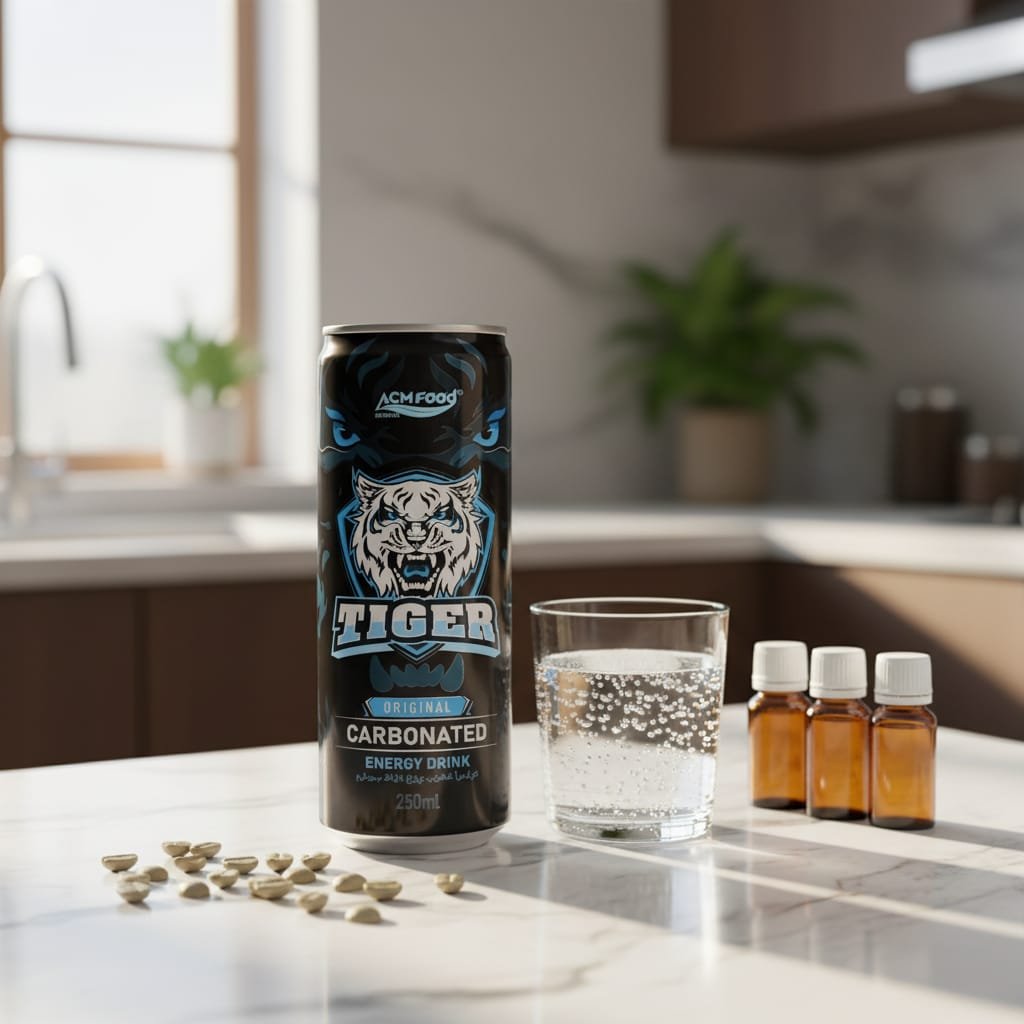
A sleek 250ml slim can of energy drink on a marble countertop with morning sunlight surrounded by fresh ingredients like

Premiumization in energy drinks goes beyond simple price hikes. It involves a holistic approach: sourcing superior raw materials like organic green tea caffeine or Himalayan pink salt, designing ergonomic Premium Energy Drink 250ml Slim Can formats, and communicating a narrative of wellness and performance. This evolution aligns with broader consumer demand for clean labels and transparency. The energy drink production ecosystem must adapt to these expectations by offering flexible manufacturing solutions that maintain quality at scale.

The Rise of Craft Energy Drinks and Consumer Expectations

Modern energy drink consumers are sophisticated. They scrutinize ingredient lists, demand functional efficacy, and value design aesthetics. This has given rise to a new breed of craft energy drinks that compete on quality rather than just price. Brands are experimenting with adaptogens, nootropics, and natural sweeteners. The energy drink OEM sector is responding by providing tailored formulation services that enable brands to create unique selling propositions.

Packaging innovation is another pillar of premiumization. Slim cans, matte finishes, and embossed logos signal premium status. Consumers often equate can weight and texture with product quality. A study by Mintel found that 62% of energy drink users perceive slim cans as more sophisticated. This design choice also enhances portability and shelf appeal. OEM partners must invest in advanced canning lines to produce such specialized formats without compromising speed or cost efficiency.

Case Study: ACM Premium Energy Drink as a Premiumization Pioneer

ACM Beverage’s premium energy drink 250ml slim can exemplifies the premiumization strategy in action. Positioned as a high-performance beverage, it combines a clean energy blend with an elegant 250ml slim can design. The product targets health-conscious professionals and athletes who demand sustained focus without sugar crashes. Its formulation uses natural caffeine from green coffee extract and includes B vitamins for metabolic support. The USP lies in its balance of functionality and indulgence—a rare combination in the energy drink aisle.

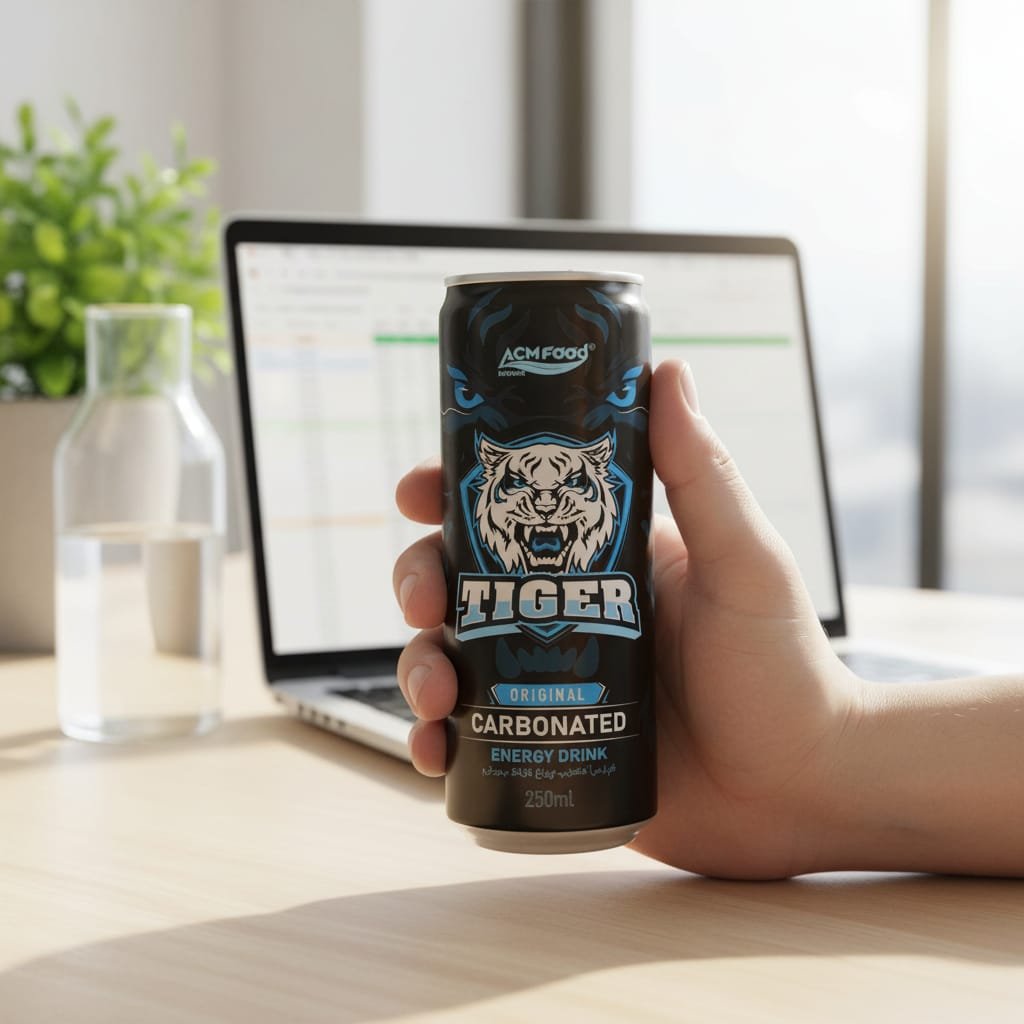
Closeup of a person holding a premium energy drink slim can in an office or gym setting with a laptop or workout equipme

From a B2B perspective, this product demonstrates how OEM partners can differentiate. By offering customized formulations and flexible packaging, manufacturers enable brands to launch premium lines with minimal upfront investment. The ACM model leverages low MOQs for trial runs, allowing distributors to test market response before scaling. This agility is a competitive advantage in the fast-moving premium segment.

Impact on Market Dynamics and Supply Chain

The premiumization wave is reshaping supply chain priorities. Ingredient sourcing must prioritize traceability and sustainability. Premium brands often require organic certifications or fair-trade labels, which adds complexity but also price premiums. Logistics also adapt: smaller batch sizes and specialized packaging demand higher precision from co-packers. Industry experts note that OEMs offering end-to-end solutions—from formulation to packaging design—are best positioned to capture premium brand partnerships.

Retail dynamics are shifting as well. Premium energy drinks command higher shelf prices and better margins. They are increasingly found in fitness centers, upscale convenience stores, and direct-to-consumer channels. E-commerce growth has also a boon, as online platforms allow brands to tell detailed product stories. Distributors must recalibrate their category management to showcase premium lines effectively.

B2B Strategies for Capitalizing on Premiumization

For OEM manufacturers, the premiumization trend opens several strategic avenues. First, invest in R&D for clean-label functional ingredients. Second, offer packaging customization with short lead times. Third, provide marketing support such as product photography and claims substantiation. Private labeling remains a key entry point for retailers wanting to launch their own premium energy drinks without owning production facilities.

One actionable piece of advice: evaluate your manufacturing partner’s readiness to handle specialty runs. A partner that can produce small MOQs for test markets while scaling to thousands of units is invaluable. As the premium segment grows, OEMs that combine flexibility with quality control will become the preferred collaborators for ambitious brands.

Expert Perspectives on the Future of Premium Energy Drinks

Industry analyst Sarah Kline of Beverage Insights notes: “Premiumization is not a fad; it’s a structural shift. The energy drink category is bifurcating into mass-market and premium tiers, each with distinct supply chain needs.” She adds that functional beverages with added health benefits will dominate premium growth. Meanwhile, packaging expert Mark Chen highlights that slim cans have become a global standard for premium positioning, driving innovation in can manufacturing.

These insights underscore the need for OEMs to stay ahead of design trends. The ability to produce matte-finish cans with sustainable materials could become a core competitive differentiator. Collaboration between brand owners and manufacturers early in the development cycle ensures alignment on both cost and quality.

Future Outlook: Premiumization in Energy Drinks Through 2030

Over the next five years, we anticipate the premium energy drink segment to expand into new geographies, particularly Southeast Asia and Latin America where aspirational consumption is high. Personalization will emerge: limited-edition flavors, co-branded collaborations, and subscription models. Technology will enable smart packaging with QR codes for authentication and engagement.

Regulatory developments may also shape the landscape. Clean-label mandates in the EU and California will accelerate reformulation, benefiting premium brands that already comply. OEMs that proactively invest in compliance certifications will gain first-mover advantage in these markets. The intersection of premiumization and sustainability presents a powerful narrative for brands to connect with eco-conscious consumers.

For businesses looking to enter this space, the key takeaway is clear: premiumization requires a holistic approach from ingredient to end-consumer. Partnering with an experienced OEM like ACM Beverage can ease this journey, allowing brands to focus on storytelling while production experts handle complexity.

Frequently Asked Questions

What defines a premium energy drink?

A premium energy drink typically features higher-quality ingredients, sophisticated packaging, and a higher price point. It often positions itself as a healthier or more refined alternative to mainstream options, with claims like natural caffeine, organic certification, or functional benefits beyond basic energy.

How is premiumization impacting the energy drink supply chain?

Premiumization requires tighter ingredient traceability, smaller batch production, and specialized packaging capabilities. OEMs must invest in flexible manufacturing lines and quality assurance processes to serve premium brands. This shift can increase operational costs but also opens higher-margin opportunities.

What role does packaging design play in premium energy drink success?

Packaging is critical. Slim cans, matte textures, and minimalist graphics signal premium status. The tactile experience influences perceived quality. Brands often use custom can designs to stand out on shelf. OEMs that offer advanced printing and finishing options are essential partners.

Are premium energy drinks a passing trend or a lasting market shift?

Evidence suggests premiumization is a structural shift driven by long-term consumer behavior. As wellness consciousness rises and economies grow, demand for quality functional beverages will persist. Analysts project continued double-digit growth for premium energy drinks through 2030.

How can OEM manufacturers help brands enter the premium energy drink segment?

OEMs can provide turnkey solutions from formula development to packaging customization. Flexible MOQs allow brands to test new products with reduced risk. Additionally, OEMs with strong regulatory knowledge can help brands achieve certifications needed for premium positioning.

Related blogs insights

Decoding the Popularity of Coconut Water

Contents1 Exploring the Reasons Behind Coconut Water’s Popularity1.1 Natural Hydration1.2 Refreshing Taste2 Dissecting the Refreshing [...]

1 Comment

Understanding Pineapple Juice: Nutritional Profile and Caloric Content

Contents1 The Nutritional Profile of Pineapple Juice: Calories and Key Nutrients2 Health Benefits of Pineapple [...]

1 Comment

Pure Orange Juice: A Golden Ray for Health and Energy

Contents1 I. Pure Orange Juice: A Symbol of Freshness and Vitality2 II. Unlocking the Nutritional [...]

1 Comment

COCONUT WATER – THE FLAVOR-BOOSTING SECRET FOR YOUR DISHES

Contents1 Rich Applications of Coconut Water in Cooking1.1 1. Caramelized Pork and Eggs in Coconut [...]

2 Comments

Soursop Superfruit Innovation Drives Functional Beverage Market Growth

Explore how soursop superfruit innovation drives growth in the functional beverage market, with insights on [...]

CARE FROM THE SMALLEST THINGS

CARE FROM THE SMALLEST THINGS   – The story of a man in the middle [...]

1 Comment

Leave a Reply

Your email address will not be published. Required fields are marked *