
Cold-pressed coconut water is a marketing term for coconut water that has been extracted and kept cold, then made safe without heat, most often by high pressure processing (HPP). Pasteurized coconut water, by contrast, is made safe with heat. The difference matters for taste, shelf life, storage and price: cold-pressed products usually taste closer to fresh but must stay refrigerated and keep for a much shorter time.
This guide explains what the cold-pressed label really tells a shopper or buyer, how it compares with pasteurized and shelf-stable coconut water, and which questions to ask before paying a premium. One point causes most confusion: coconut water is not literally “pressed” like apple or orange juice. The term describes the cold, non-thermal approach to the whole process rather than the way the liquid is removed from the coconut.
What does cold-pressed coconut water mean?
On a coconut water label, “cold-pressed” usually means the water was drained from the coconut, kept chilled, and treated without heat, typically with high pressure instead of pasteurization. It signals a fresher-tasting, refrigerated product, but it is not a formally defined term in every market, so the details depend on the brand.
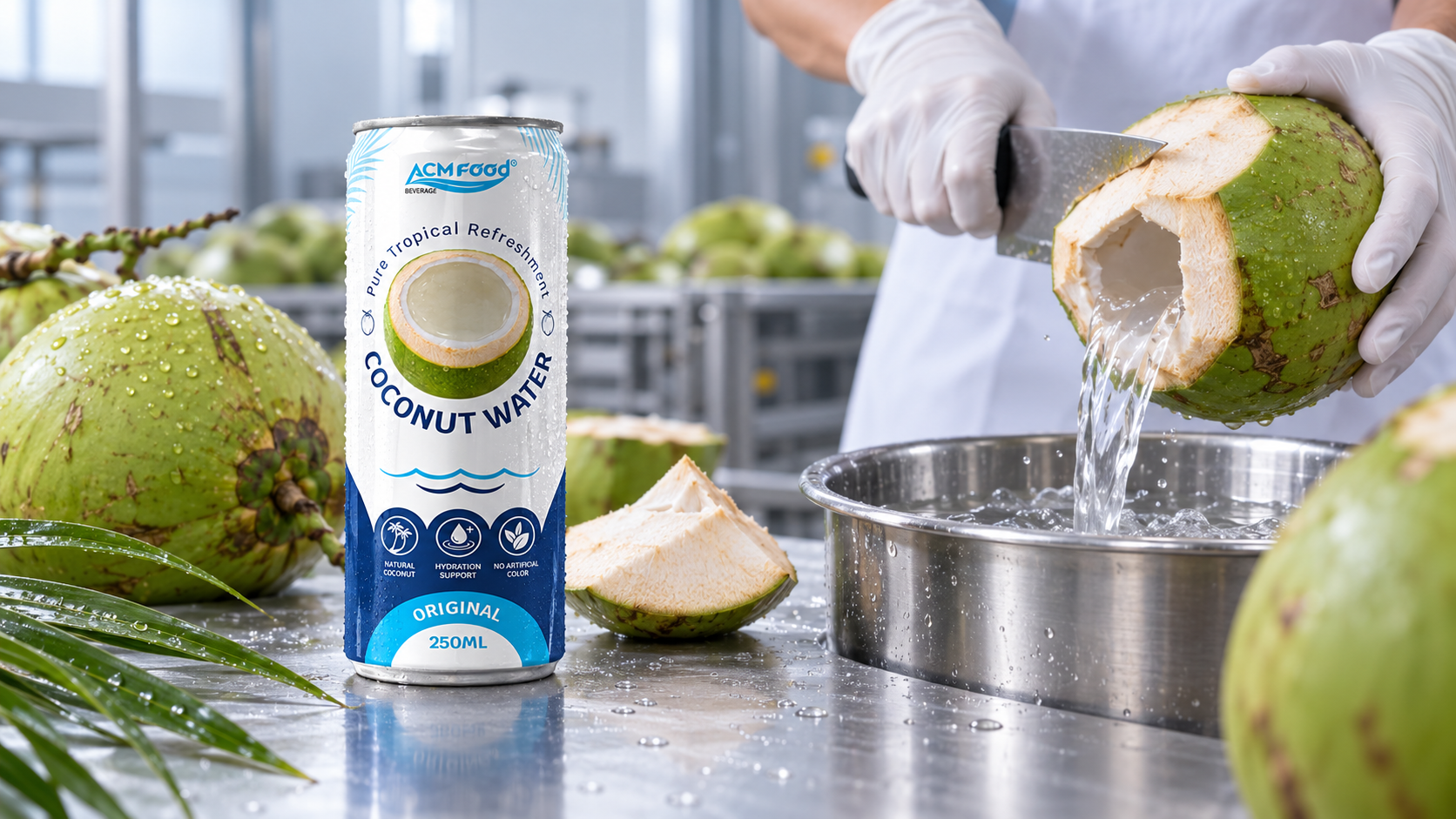
Because coconut water sits naturally inside the nut, producers usually open the coconut and drain or pump the liquid out rather than crushing fruit in a press. Some brands still use “cold-pressed” because shoppers recognise it from juice and associate it with minimal processing. Others prefer phrases such as “high pressure processed”, “HPP”, “raw” or “never heated”. When the label is unclear, the storage instructions are the best clue: a cold-pressed product will almost always say “keep refrigerated”.
How is cold-pressed coconut water different from pasteurized?
The main difference is the safety step. Pasteurized coconut water is heated to destroy microorganisms, while cold-pressed coconut water relies on pressure or other non-thermal methods. Heat changes delicate aromas more, which is why cold-pressed products are often described as tasting closer to fresh coconut.
That benefit comes with practical trade-offs. Non-thermal processing does not make coconut water shelf-stable in the way that heat sterilization in a sealed can does, so cold-pressed products need an unbroken cold chain from the factory to the shopper’s fridge and have a short shelf life.
| Feature | Cold-pressed (non-thermal, usually HPP) | Pasteurized, chilled | Heat-treated, shelf-stable |
|---|---|---|---|
| Safety step | High pressure, no heat | Mild heat | Stronger heat in a sealed container |
| Taste | Usually closest to fresh | Fresh, slightly softer aroma | Softer aroma, may show a cooked note |
| Storage before opening | Refrigerated at all times | Refrigerated | Ambient, cool and dry |
| Shelf life | Short | Short to moderate | Long |
| Typical packaging | PET bottles that tolerate pressure | PET bottles, cartons | Aluminium cans, PET bottles, cartons |
| Distribution | Needs a strict cold chain | Needs a cold chain | Standard ambient logistics and export |
| Relative price | Usually highest | Mid | Usually lowest per litre |
Shelf life and price figures vary by brand and process, so this table compares general patterns rather than specific values. For how heat is applied in canned products, see our explainer on cold fill vs hot fill for canned coconut water.
How does high pressure processing work?
High pressure processing places sealed bottles of coconut water in a chamber filled with water and applies very high pressure for a short time. The pressure inactivates many spoilage microorganisms and pathogens while leaving most aroma compounds intact, because the product is not heated.
A few practical consequences follow from how HPP works:
- It happens after bottling, so packaging must be flexible enough to withstand pressure. That is why HPP coconut water is usually sold in plastic bottles rather than cans or glass.
- It does not deactivate every enzyme or spore, so the product still needs refrigeration and a limited shelf life.
- It requires specialised equipment, which adds cost per bottle compared with conventional heat treatment.
- Some coconut water turns slightly pink over time due to natural compounds reacting with air or light; this can occur in minimally processed products and is not necessarily a defect.
Is cold-pressed coconut water healthier?
Cold-pressed coconut water is not proven to be healthier in a general sense, though it may retain more heat-sensitive aroma compounds and some delicate components than heavily heat-treated products. For most drinkers, the clearest difference is taste rather than nutrition.
All coconut water naturally contains potassium and natural sugars, and composition varies with coconut variety and maturity as much as with processing. If nutrition matters to you, compare the nutrition panels of the specific products, and remember that added sugar or flavours affect the profile far more than the choice between cold-pressed and pasteurized.
How to read a cold-pressed coconut water label
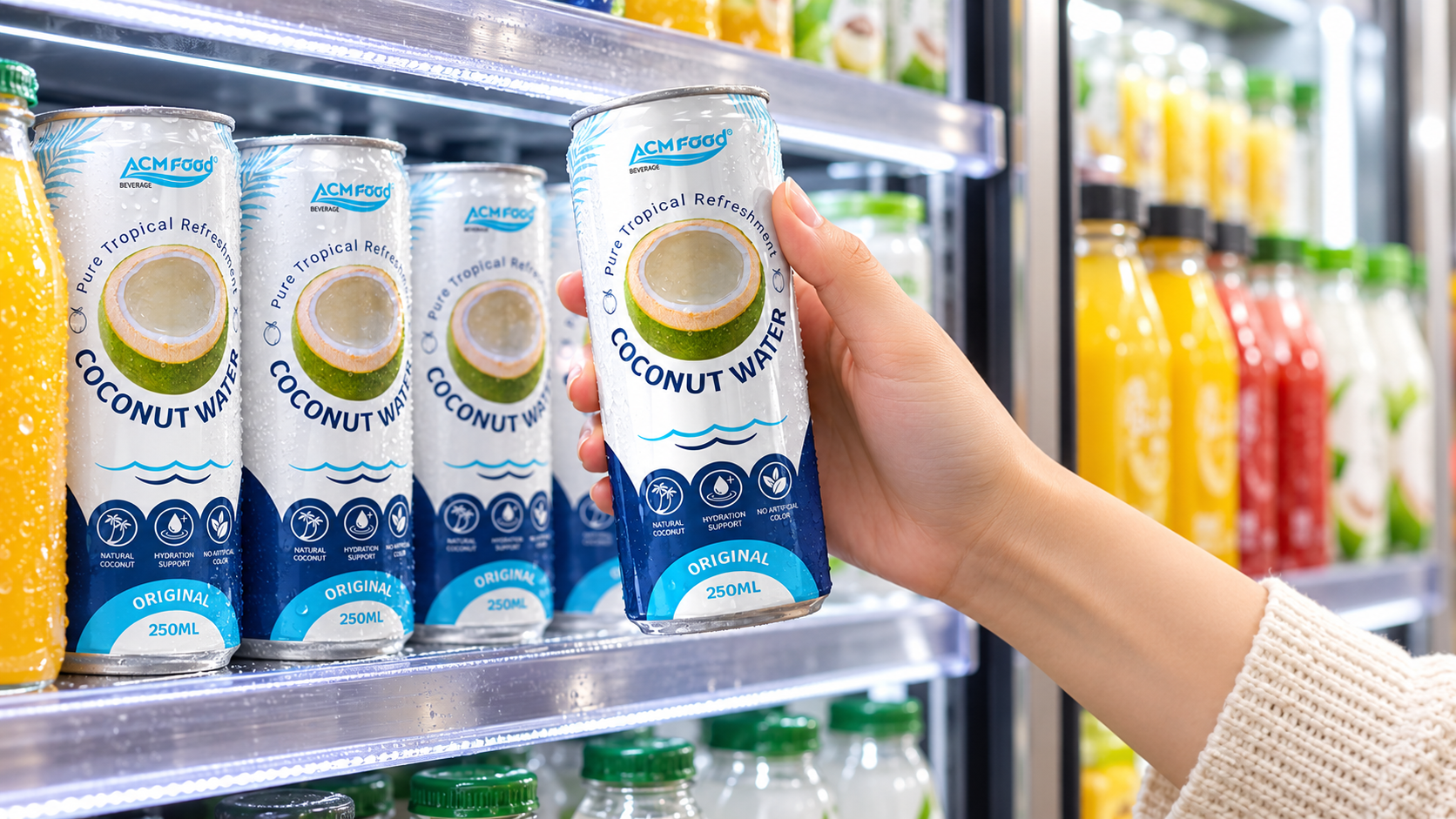
Because “cold-pressed” is used loosely, the rest of the label tells you more than the claim itself. Read these elements together:
- Processing statement: look for “high pressure processed”, “HPP” or “pasteurized”. If neither appears, the claim may describe extraction only.
- Storage instructions: “keep refrigerated” before opening is expected for a cold-pressed product. An ambient storage instruction suggests heat treatment.
- Best-before date: a short date is consistent with non-thermal processing; a date many months away usually indicates heat treatment.
- Ingredient list: 100% coconut water with nothing added is the cleanest comparison point.
- Juice terminology: terms such as “not from concentrate” describe whether the water was concentrated and reconstituted, not how it was preserved. Our guide to juice labels such as 100% juice, NFC and concentrate explains these terms.
How does cold-pressed compare with coconut water straight from the nut?
Coconut water drunk straight from a freshly opened young coconut is the benchmark that cold-pressed products try to approach. It has had no processing at all, so its aroma is at its brightest, but it changes within hours of opening and cannot be stored or shipped once the shell is cut.
Cold-pressed coconut water sits between the two extremes. It keeps more of the fresh character than heat-treated products, yet it has passed through opening, collection, bottling and pressure treatment, and it has spent days or weeks in refrigerated storage before it is drunk. Taste also depends on the coconuts used: variety, maturity at harvest and time from harvest to processing affect flavour as much as the preservation method. A cold-pressed product made from average coconuts will not necessarily taste better than a carefully made pasteurized product from excellent raw material.
How to store and serve cold-pressed coconut water
Handling matters more for cold-pressed coconut water than for shelf-stable products, because there is no heat step protecting it from warm storage.
- Keep it refrigerated from the moment you buy it, and avoid leaving it in a warm car or bag for long periods.
- Check the best-before date and plan to drink it well before that date for the best taste.
- Once opened, close the bottle, keep it cold and finish it within the time on the label, usually a short period.
- Shake gently before opening if the label suggests it, since natural solids can settle.
- Discard any bottle that is swollen, smells sour or tastes fizzy when it should be still.
For cafés and juice bars, first-in, first-out rotation and clear date labelling in the fridge help prevent waste, which is one of the main hidden costs of selling cold-pressed products.
When is cold-pressed worth the higher price?
Cold-pressed coconut water is worth paying extra for when fresh taste is the priority and the product can be kept cold from purchase to consumption. It suits local markets, chilled retail, juice bars and premium cafés with fast turnover.
It is less practical when:
- The product must travel long distances or be exported by sea without a reliable cold chain.
- Retailers or foodservice customers lack refrigerated storage space.
- Sales velocity is slow, so short shelf life leads to waste.
- Price-sensitive shoppers are the main audience.
In those situations, shelf-stable coconut water in cans or PET bottles is usually the more workable choice, even if its aroma is softer than a cold-pressed product.
What cold-pressed means for importers and brand owners
For importers and brand owners, the processing method shapes the entire supply chain, not just the label. A cold-pressed product needs refrigerated transport, chilled warehouses and retail partners able to keep it cold, plus a short planning horizon because of its shelf life. Shelf-stable coconut water can travel by standard container and sit in ambient storage, which simplifies export.
Points to settle before deciding on a cold-pressed line:
- Market rules: check how your destination market treats terms such as “cold-pressed”, “raw” and “fresh” on labels.
- Cold chain capacity: confirm refrigerated logistics at every step, including the last mile to stores.
- Processing location: HPP is often done close to the market to shorten the chilled journey.
- Shelf life testing: validate shelf life for your recipe and pack rather than relying on general figures.
- Pricing: model the added cost of processing, cold logistics and expected waste.
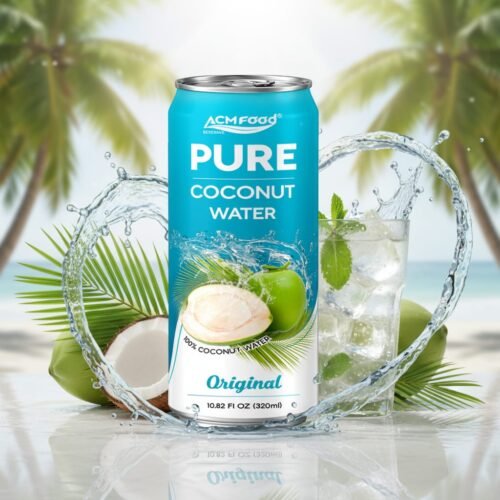
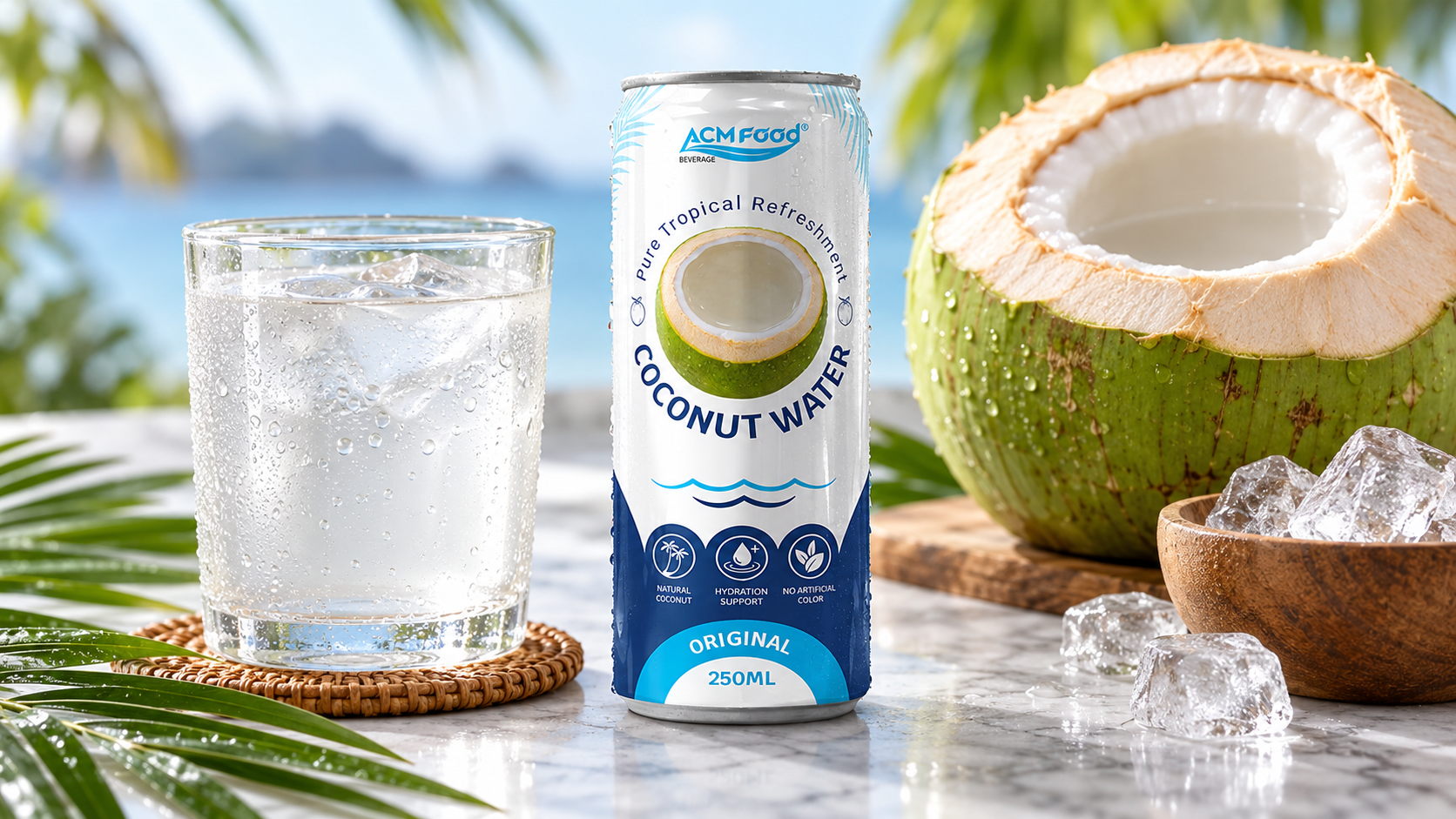
ACM Beverage supplies shelf-stable coconut water in aluminium cans and PET bottles. Its current product pages list the coconut water as not from concentrate, with a listed shelf life of 24 months for canned products and 18 months for PET bottles. It does not present these products as cold-pressed, and buyers who specifically need an HPP line should confirm processing capabilities with any supplier directly.
FAQ about cold-pressed coconut water
Is cold-pressed coconut water raw?
It is not heated, which is why some brands call it raw, but it is usually treated with high pressure for safety. Rules on the word “raw” vary by market.
Why does cold-pressed coconut water need refrigeration?
Non-thermal processing does not make coconut water stable at room temperature, so it must be kept cold to slow spoilage and maintain safety.
Why is my cold-pressed coconut water pink?
Natural compounds in coconut water can react with air or light and turn it slightly pink. If it smells and tastes normal and is within date, the colour alone is not necessarily a problem.
Does pasteurized coconut water taste bad?
No. Gentle pasteurization keeps much of the fresh character. Stronger heat for long shelf life softens the aroma more, but many shelf-stable products still taste clean and refreshing.
Can canned coconut water be cold-pressed?
Rarely. High pressure processing needs flexible packaging, so cold-pressed coconut water is almost always sold in plastic bottles. Canned coconut water is usually heat treated to be shelf-stable.
Conclusion
Cold-pressed coconut water usually means coconut water made safe without heat, most often with high pressure processing, which keeps its taste closer to fresh but requires constant refrigeration and a short shelf life. Pasteurized and shelf-stable coconut water trade some aroma for longer life and simpler logistics. Read the storage instructions and best-before date to understand what a “cold-pressed” claim really means.
If your market needs coconut water that travels and stores easily, ACM Beverage can share specifications and samples of shelf-stable coconut water in cans and PET bottles for evaluation against your target profile.