




Coconut water is sweet because it naturally contains sugars that the coconut palm channels into the fruit as it develops, mainly simple sugars such as glucose, fructose and sucrose. How sweet it tastes depends on the coconut variety, how old the nut is when harvested, how quickly the water is processed, and whether the product has sugar or flavours added. That is why one coconut can taste almost honeyed while another tastes faintly salty.
This article explains where the sweetness comes from, why it changes from nut to nut, how processing and storage affect it, and how to tell natural sweetness from added sugar on a label. It also describes what coconut water actually tastes like for people who have never tried it, and why sweetness is a key decision for brands developing a coconut water product.
Where does the sweetness in coconut water come from?
The sweetness in coconut water comes from natural sugars stored in the liquid endosperm of the young coconut, the clear fluid that nourishes the developing seed. The palm transports sugars into the nut as it grows, so the water is naturally sweet without anything being added.
In a young coconut, this liquid fills the cavity and only a thin layer of soft meat lines the shell. As the coconut matures, the liquid is gradually used to build thicker white meat, and its composition changes. The sugars that make young coconut water taste pleasant are part of that developmental stage, which is why drinking coconuts are harvested young.
Besides sugars, coconut water contains minerals such as potassium, which add a light savoury or slightly salty note in the background. The balance between sugars and minerals is what makes coconut water taste refreshing rather than sugary: the sweetness is noticeable, but it is moderated by that mineral edge.
Why is some coconut water sweeter than others?
Coconut water varies in sweetness because sugar content shifts with variety, maturity, growing conditions and time since harvest. Two coconuts from the same tree can taste different, and the gap between varieties can be large.
Coconut variety
Some varieties are grown specifically for drinking because their water tends to be sweeter and more fragrant. Aromatic dwarf varieties are well known for this, while tall varieties grown mainly for copra and oil often give water that tastes plainer. Producers who want a consistently sweet product usually specify the variety rather than buying any available nut.
Maturity at harvest
Sweetness changes as the nut ages. Very young coconuts can taste thin, while overly mature coconuts often taste flatter and less sweet because the water is being drawn into the developing meat. Most drinking coconuts are picked within a preferred age window when sweetness and aroma are at their best.
Growing conditions
Soil, rainfall, sunlight and season all influence the composition of the water. Coconuts from a dry season can taste different from those harvested during heavy rains, so even a single farm sees some variation through the year.
Time from harvest to opening
Once a coconut is cut from the palm, its water slowly changes. Coconuts stored for a long time before opening can lose some of their fresh, sweet character. Speed from harvest to processing is one of the main ways producers protect natural sweetness.
| Factor | Tends to make coconut water taste sweeter | Tends to make it taste less sweet |
|---|---|---|
| Variety | Aromatic drinking varieties | Varieties grown mainly for copra and oil |
| Maturity | Young nuts harvested within the drinking window | Very young nuts, or nuts left too long on the palm |
| Handling | Quick processing after harvest | Long storage before opening |
| Serving temperature | Chilled, which keeps aroma clean and refreshing | Warm, which can make it taste flatter and more mineral |
| Recipe | Added sugar or sweet fruit flavours | 100% coconut water with no additions |
What does coconut water taste like?
Coconut water tastes light, gently sweet and slightly nutty, with a faint mineral or salty note and a clean finish. It is much thinner than coconut milk and does not have the rich, creamy flavour many people expect from the word coconut.
People who try it for the first time often describe it in a few ways:
- Like lightly sweetened water with a fresh, green aroma.
- Faintly nutty, especially in water from slightly more mature nuts.
- Slightly salty or mineral, which some find refreshing and others find unexpected.
- Fragrant, almost floral, in water from aromatic varieties.
Packaged coconut water can taste a little different from water drunk straight from the nut, because processing and storage soften some aroma notes. Products with pulp add a soft texture, and flavoured versions add fruit or other notes on top of the coconut base.

Does processing change how sweet coconut water tastes?
Processing does not usually add sweetness, but it can change how sweetness is perceived. Heat treatment for shelf life softens fresh aroma, and because aroma strongly shapes our sense of sweetness, a heat-treated product can seem a little less sweet or slightly more cooked than fresh coconut water with the same sugar content.
Several stages influence the final taste:
- Selection: choosing nuts of the right variety and age sets the starting sweetness.
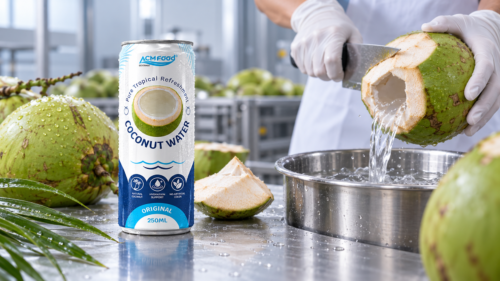
- Extraction and filtration: hygienic, quick extraction protects delicate aroma.
- Standardisation: some products are blended or adjusted for a more consistent taste between batches.
- Treatment for safety: the type and intensity of heat or other treatment affects aroma retention.
- Storage: flavour continues to evolve during shelf life, especially if products are kept warm.
For a closer look at what clean-label positioning means for coconut water processing, see our article on clean label coconut water for OEM and private label.
Is the sweetness natural or added sugar?
In 100% coconut water, the sweetness is natural, coming only from the coconut itself. Some packaged coconut water drinks also contain added sugar or sweet fruit flavours, which make them taste sweeter than the coconut alone would.
To tell the difference, check the label:
- Ingredient list: if coconut water is the only ingredient, all sweetness is natural. Sugar, syrups or juice concentrates listed after it indicate added sweetness.
- Nutrition panel: in markets that require it, an “added sugars” line shows how much sugar was added beyond what the coconut provides.
- Claims: “no added sugar” means no sugars were added during production, but the drink still contains the natural sugars of coconut water.
- Flavour description: flavoured coconut waters may use fruit juice, natural flavour or both, which can change both taste and sugar content.
The difference between low sugar and no sugar added positioning is explained in our comparison of low sugar vs no sugar added beverages. Natural sweetness is still sugar, so people who watch their sugar intake should consider portion size whichever type they choose.
How sweet is coconut water compared with other drinks?
Most people find plain coconut water noticeably less sweet than fruit juices and sweetened soft drinks, and sweeter than water or unsweetened tea. Its sweetness is gentle and short, without the syrupy lingering taste of many sugary drinks. Exact sugar content varies by product, so the nutrition panel is the only reliable comparison for a specific pack.
Perceived sweetness also depends on what you drink it with. Next to salty snacks, coconut water can seem sweeter; next to desserts, it can seem almost plain. Flavoured coconut waters with tropical fruits such as mango or pineapple usually taste sweeter than the original version because the fruit brings its own sugars and aroma, which is why many brands offer both styles side by side.
Does coconut water get less sweet after opening?
Yes, over time. Once coconut water is opened, microorganisms from the air can begin to use its natural sugars, and the taste gradually turns flatter and then sour. Opened coconut water should be refrigerated and drunk soon. If it tastes fizzy when it should be still, or smells sour, discard it.
Unopened shelf-stable products are protected by their sealed packaging, but warm storage still affects aroma during shelf life, so keeping stock cool helps preserve the intended taste.
Why sweetness matters for coconut water brands
For a coconut water brand, sweetness is one of the first sensory decisions and one of the hardest to keep consistent. Because the raw material varies naturally, brands need a plan for how sweet the product should taste and how that target will be met batch after batch.
Points to settle in a product brief:
- Sweetness target: describe the intended profile using a reference sample rather than words alone.
- Raw material specification: variety, maturity window and acceptable variation in incoming nuts.
- Recipe approach: 100% coconut water relying on natural sweetness, or a blend with flavours or added sugar.
- Label positioning: whether the product will carry claims such as “no added sugar”, and the rules for that claim in each target market.
- Market preference: some markets prefer a sweeter, dessert-like profile, while others expect a lighter, less sweet drink.
Tasting samples before committing is the most reliable way to judge sweetness; our guide to beverage sample requests and how to taste before launch explains how to organise this. Brands considering a lighter profile can also read about whether coconut water needs sugar reduction.
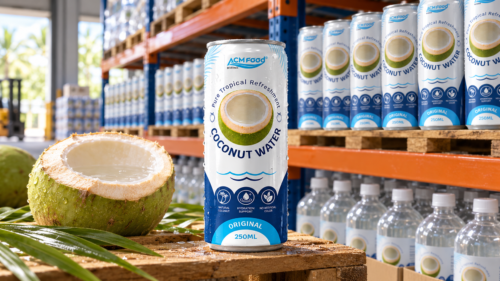
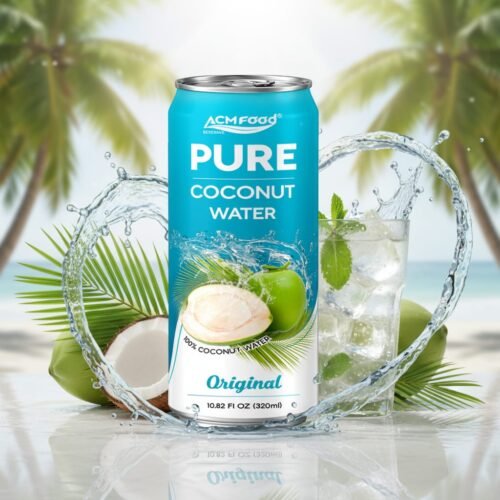
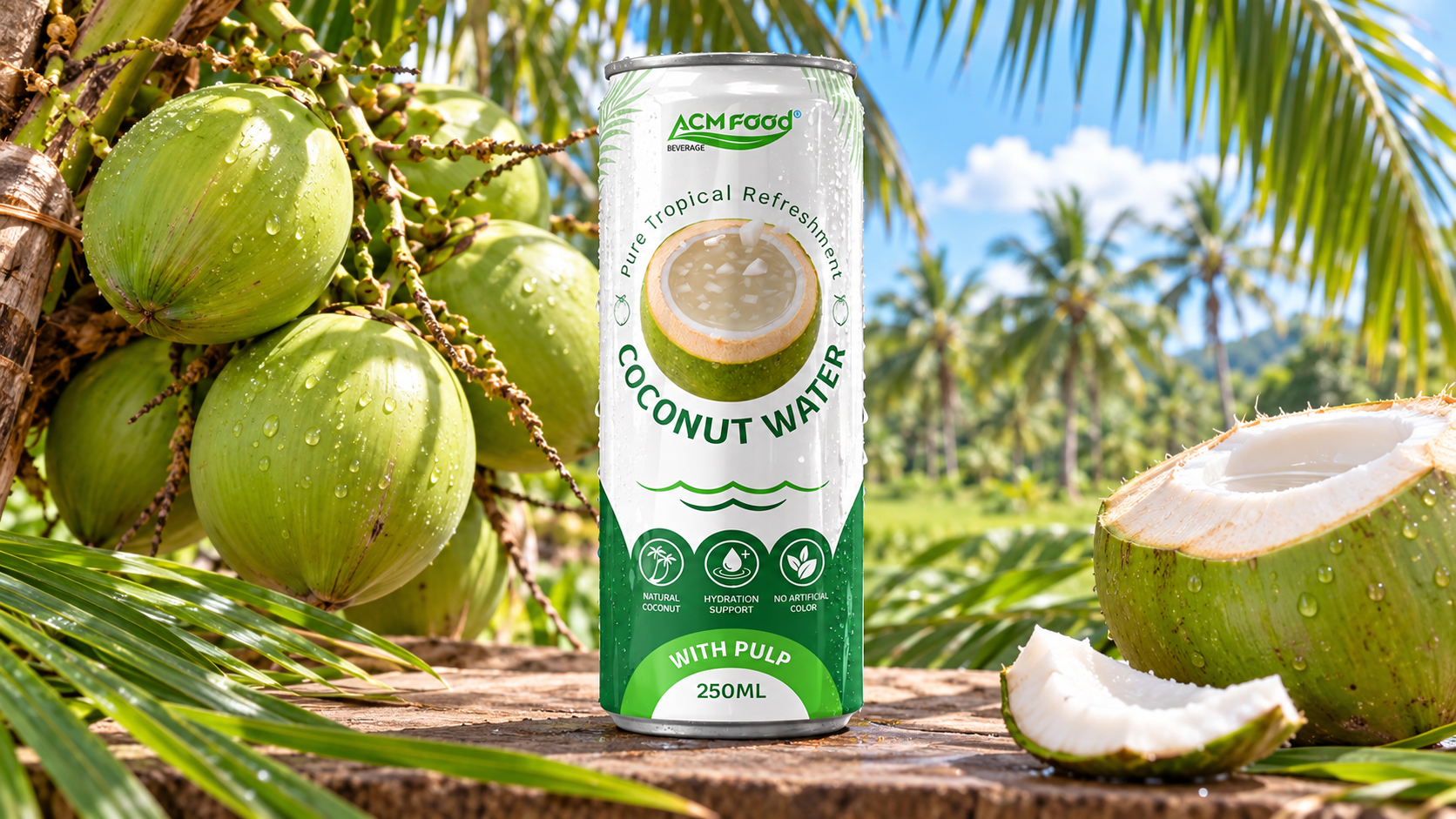
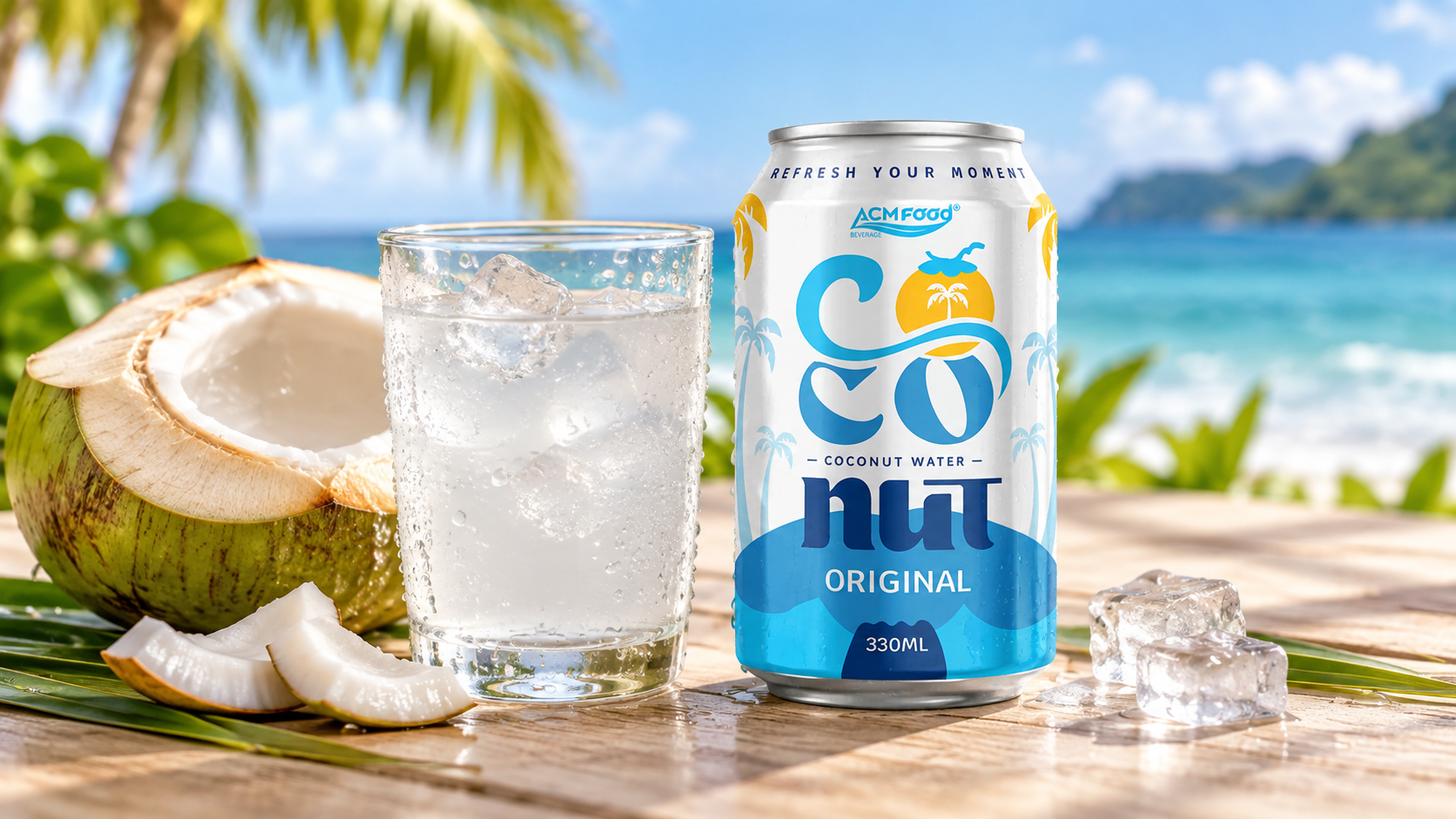
ACM Beverage supplies coconut water under the ACM FOOD brand and for private label projects, in original, with pulp and flavoured styles, with taste targets agreed through samples during development.
FAQ about why coconut water is sweet
Is coconut water naturally sweet?
Yes. Coconut water contains natural sugars from the coconut, so it tastes gently sweet even when nothing is added.
Why does my coconut water taste salty instead of sweet?
Coconut water also contains minerals that give it a slightly salty note. Water from certain varieties or from nuts harvested too early or too late can taste more mineral and less sweet.
Why does coconut water taste so good when it is cold?
Chilling keeps the aroma clean and refreshing and makes the balance of sweetness and minerals feel lighter. Warm coconut water often tastes flatter.
Is sweeter coconut water better quality?
Not necessarily. Sweetness is one quality signal, but aroma, freshness and the absence of off notes matter too. A sweeter taste can also come from added sugar, so read the label.
Does coconut water with pulp taste sweeter?
Not much. Pulp adds texture and body, but the sweetness comes mainly from the water itself, so a pulp version tastes similar in sweetness to the same base without pulp.
Conclusion
Coconut water is sweet because young coconuts store natural sugars in their liquid endosperm, balanced by minerals that give it a light, refreshing finish. How sweet it tastes depends on variety, maturity, growing conditions, handling and processing, and some packaged products add sugar or fruit flavours on top. Reading the ingredient list is the simplest way to tell natural sweetness from added sugar.
If you are developing a coconut water product, ACM Beverage can share samples with different sweetness profiles and discuss raw material, recipe and labelling options for your target market.