
Coconut water shelf life is the period during which an unopened product keeps its intended safety and quality under the stated storage conditions, and it depends mostly on how the coconut water is processed and what it is packed in. Shelf-stable coconut water in aluminium cans generally keeps longer than the same liquid in PET bottles, while chilled and minimally processed products keep for a much shorter time. Once any coconut water is opened, its shelf life drops to a short period in the refrigerator.
This guide compares cans and PET bottles specifically, explains why the container changes shelf life, and shows how to read dates and plan stock. Where figures are given for ACM FOOD coconut water, they come from the shelf life listed on current product pages and apply to those products only; other brands and processes will differ.
How long does coconut water last unopened?
Unopened shelf-stable coconut water typically lasts many months at room temperature, while chilled cold-pressed products last only weeks in the refrigerator. The exact period is set by each producer based on processing, packaging and testing, and is printed as a best-before or use-by date.
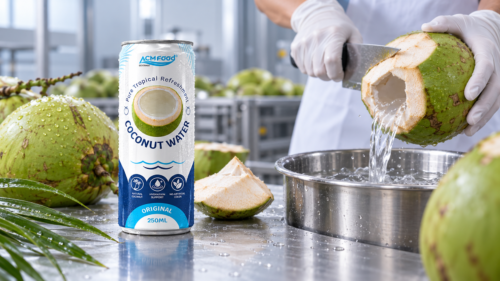
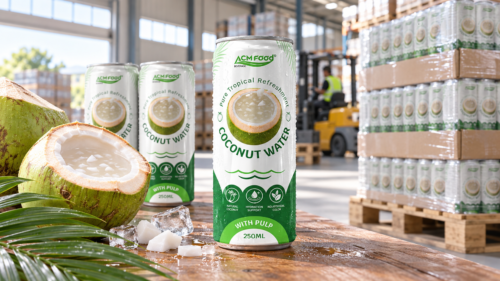
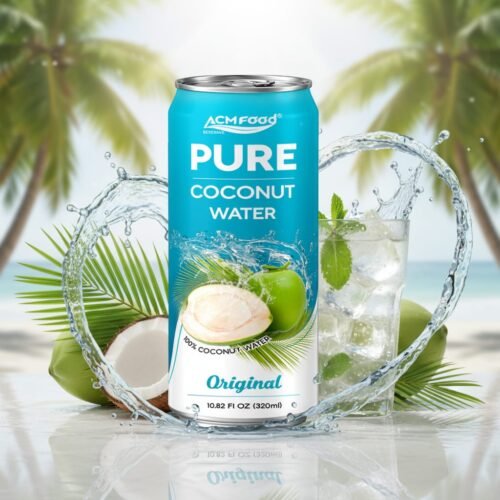
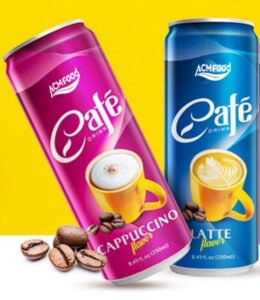
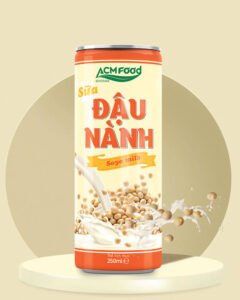
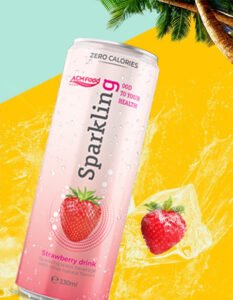
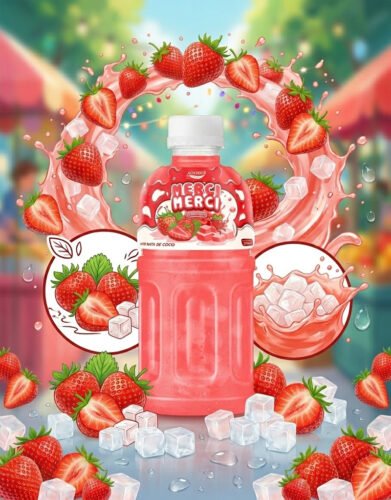
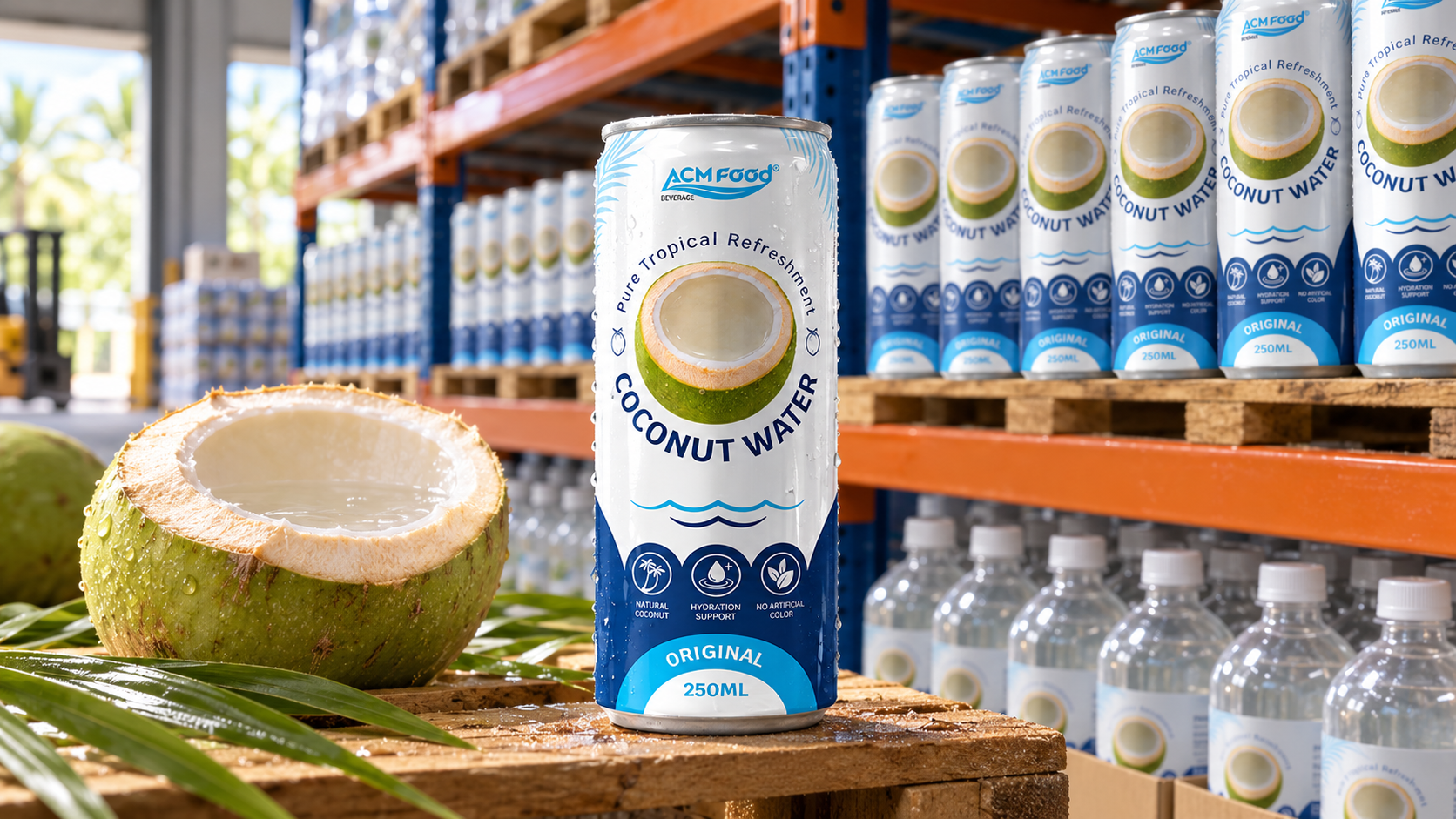
For the ACM FOOD coconut water range, current product pages list a shelf life of 24 months for products in aluminium cans, including 250ml slim, 320ml sleek, 330ml and 500ml cans, and 18 months for products in PET bottles, including 350ml, 500ml and 1L sizes. These figures assume storage according to the label, away from heat and direct sunlight.
Why do cans and PET bottles have different shelf lives?
Cans usually support a longer shelf life because aluminium blocks light and oxygen almost completely, while PET allows a small amount of oxygen to pass through the bottle wall over time and lets light reach the product unless the bottle is coloured or sleeved. Oxygen and light gradually affect flavour, colour and some sensitive components of coconut water.
| Factor | Aluminium can | PET bottle |
|---|---|---|
| Light protection | Complete | Partial; clear bottles let light through |
| Oxygen barrier | Very high | Lower; slow oxygen transfer through the wall |
| Listed shelf life (ACM FOOD range) | 24 months | 18 months |
| Resealable after opening | No | Yes |
| Visibility of product | Product hidden; graphics on can | Product visible, including pulp |
| Weight and handling | Light, stacks tightly | Very light, larger family sizes possible |
Neither format is better in every situation. A longer shelf life helps export and slow-moving channels, while PET’s resealable cap and larger sizes suit households and foodservice use.
What else affects coconut water shelf life?
Packaging is only one factor. Shelf life is the result of the whole product design and supply chain.
- Processing method: heat treatment in a sealed container makes coconut water shelf-stable; non-thermal methods such as high pressure processing need refrigeration and give a shorter life.
- Recipe: pulp, fruit juices, flavours or carbonation can change how flavour and appearance hold up over time.
- Raw material quality: coconuts processed quickly after harvest start with better flavour that has more room to age gracefully.
- Filling hygiene and seal integrity: a perfect seal is essential; damaged seams or caps shorten life immediately.
- Storage temperature: warm warehouses and containers speed up flavour changes even when the product remains safe.
- Light exposure: display under strong light affects products in clear bottles most.
Some coconut water turns slightly pink during storage because natural compounds react with oxygen or light. It is more common in minimally processed products and does not necessarily indicate spoilage, but it shows why light and oxygen protection matter.
Does shelf life differ between original, pulp, flavoured and sparkling coconut water?
It can, although in many ranges the container drives the declared figure more than the recipe. Each style brings its own ageing behaviour, which is why producers test every recipe and pack combination rather than assuming one figure fits all.
- Original 100% coconut water: the simplest recipe, but also the most delicate in taste, so small aroma changes over time are easier to notice.
- Coconut water with pulp: the pieces of coconut meat should stay soft and evenly suspended; texture and settling are checked during storage alongside taste.
- Flavoured coconut water: fruit juices and flavours can fade or shift in colour, so flavour stability becomes part of the shelf life assessment.
- Sparkling coconut water: carbonation must hold over time, which places extra demands on the seal and container.
When buyers compare products, it is worth asking whether the declared shelf life was set for the exact style and pack being quoted, not for a different item in the same range.
How do producers determine coconut water shelf life?
Producers set shelf life by storing finished products under defined conditions and checking them at intervals until quality or safety no longer meets their criteria. The declared date is then set with a safety margin before that point.
A typical approach includes:
- Storing samples from production batches at normal storage temperature, and sometimes at higher temperatures to observe changes faster.
- Checking them at regular intervals for microbiological stability, seal integrity and appearance.
- Tasting samples against a fresh reference to track aroma, sweetness and any off notes.
- Reviewing results whenever the recipe, packaging material or process changes.
Buyers can ask suppliers how their shelf life was validated and under which storage conditions, which is especially useful for export to hot climates.
How long does coconut water last after opening?
Once opened, coconut water should be refrigerated and drunk within a short time, typically a day or two, or within the period printed on the label. Opening exposes the liquid to air and microorganisms, and the shelf-stable protection of the sealed pack no longer applies.
Practical guidance for opened coconut water:
- Cans: pour any unused coconut water into a clean, closed container and refrigerate; do not store it in the open can.
- PET bottles: close the cap tightly and refrigerate straight away.
- Drink it cold and soon; discard it if it smells sour, tastes fizzy when it should be still, or the bottle bulges.
- Foodservice: label opened large bottles with the opening time and follow first-in, first-out rotation.
How to read dates on coconut water
Most shelf-stable coconut water carries a best-before date, which refers to quality rather than safety, while some chilled products carry a use-by date, which relates to safety. Date formats vary between markets, so buyers should confirm how dates are printed for their destination.
- Best before: the product should keep its expected quality until this date if stored correctly and unopened.
- Use by: the product should not be consumed after this date; common on short-life chilled products.
- Production date and batch code: help with stock rotation and traceability.
- Storage instruction: “store in a cool, dry place” or “keep refrigerated” applies until the date shown.
What shelf life means for importers and distributors
For importers, the useful figure is not total shelf life but remaining shelf life at each step of the chain. Coconut water spends time in production, transit, customs, warehouses and on retailer shelves before reaching the consumer, and many retailers set a minimum remaining shelf life for accepting deliveries.
Points to plan for:
- Transit time: sea freight and customs clearance use up part of the shelf life before stock reaches your warehouse.
- Retailer requirements: ask key customers what minimum remaining shelf life they accept on delivery.
- Order size: size orders to realistic sell-through so stock does not approach its date in the warehouse.
- Format choice: longer-life cans can suit slower channels or distant markets; PET can suit faster-moving channels and family sizes.
- Storage conditions: keep stock cool, dry and out of direct sun, and avoid stacking heavier than the carton design allows.
Pack size also affects how quickly stock moves. Our comparison of coconut water with pulp pack sizes from 250ml to 1L shows how the same product is offered across formats.
Storage tips for warehouses and retailers
Good storage keeps coconut water tasting as intended right up to its date. Most quality complaints near the end of shelf life trace back to heat or handling rather than the product itself.
- Keep warehouses cool and ventilated, and avoid storing pallets next to heat sources, loading doors in direct sun or uninsulated roofs.
- Rotate stock strictly by date so the oldest batches ship first, and record batch codes on dispatch for traceability.
- Protect clear PET bottles from strong light in storage and on display, since light affects them more than cans.
- Handle cartons carefully to avoid dented cans or cracked bottle necks, which can compromise the seal.
- Chill only what will sell soon in retail fridges, and move older stock to the front.
Shelf life and product claims
Shelf life also interacts with how a product is positioned. Clean-label positioning, such as no preservatives or 100% coconut water, depends on processing and packaging to deliver the shelf life without additives. Our article on clean label coconut water for OEM and private label explains the trade-offs. Products positioned for hydration, such as those described in our overview of hydration and electrolyte beverage products, still need the same date and storage discipline as any other coconut water.
When developing a private label coconut water, confirm the shelf life for your exact recipe and pack, since changes to flavours, pulp or packaging can change it. Ask for the basis of the declared shelf life and plan your logistics around the date that will remain on arrival in your market.
FAQ about coconut water shelf life
Does canned coconut water last longer than bottled?
Generally yes, because cans block light and oxygen more completely. In the range described above, cans list 24 months and PET bottles 18 months.
Can coconut water go bad if unopened?
It can if the seal is damaged or the product is stored badly, for example in high heat. Bulging packs, leaks or off smells mean the product should be discarded.
Is coconut water safe after the best-before date?
A best-before date relates to quality, so the product may still be safe but taste less fresh. Follow local rules, and never consume a product past a use-by date.
Should unopened coconut water be refrigerated?
Shelf-stable products only need a cool, dry place before opening, though chilling improves taste. Products labelled “keep refrigerated” must be kept cold at all times.
Does freezing extend coconut water shelf life?
Freezing opened coconut water in a suitable container can keep it longer for use in smoothies, though texture and aroma may change. Do not freeze sealed cans or bottles.
Conclusion
Coconut water shelf life depends on processing and packaging first, then on storage and handling. Shelf-stable cans usually keep longest, PET bottles a little less, and chilled cold-pressed products only a short time, while any opened coconut water should be refrigerated and finished quickly. For trade buyers, remaining shelf life on arrival matters more than the headline figure.
If you are planning coconut water imports or a private label range, ACM Beverage can share product specifications, including listed shelf life by pack format, and samples for your evaluation.