
Hydration and electrolyte beverage products succeed or genuinely fail on a formulation detail many briefs skip right past: the actual electrolyte concentration and balance, not simply the mere presence of electrolytes somewhere on the ingredient list. Simply adding a small amount of sodium and calling the finished product an electrolyte drink does not deliver the same actual functional benefit as a formulation calibrated to genuinely support fluid replacement during exercise or heat exposure, and the difference between the two is exactly what separates a credible hydration product from one carrying the claim without the substance behind it.
This guide focuses closely on what actually makes a hydration product functionally effective, the electrolyte balance and concentration decisions behind it, and how natural and engineered approaches to electrolyte content genuinely differ from one another.
Why electrolyte concentration matters more than presence
The human body loses sodium, potassium and other electrolytes through sweat during exercise or heat exposure, and genuinely effective rehydration replaces both the lost fluid and these lost electrolytes in a reasonably matched proportion. A product with only a token amount of sodium added primarily for label appeal does little to support this replacement compared with one formulated to a concentration that genuinely reflects typical sweat electrolyte loss.
This is why a hydration product brief should specify a target electrolyte concentration and balance, sodium and potassium levels in particular, rather than simply stating “add electrolytes” and leaving the formulation team to interpret what that means. The gap between a token formulation and a genuinely functional one is invisible on a quick ingredient list scan but very real in terms of actual physiological benefit.
Magnesium and calcium are also lost through sweat, though generally in smaller amounts than sodium and potassium, and some more comprehensive hydration formulations include a modest level of these secondary electrolytes as well. Whether to include them depends on the product’s positioning: a general everyday hydration product can often perform its core function well with a sodium and potassium focus alone, while a product positioned specifically for endurance athletes or intense, prolonged exercise may benefit from a more complete electrolyte profile that also addresses these secondary minerals, since prolonged heavy sweating depletes them more meaningfully than shorter or less intense activity does.
Isotonic, hypotonic and hypertonic formulation
Sports science generally categorises rehydration drinks by how their solute concentration compares with typical body fluid: isotonic drinks match body fluid concentration reasonably closely and are generally well absorbed alongside effective electrolyte replacement, hypotonic drinks are more dilute and absorb fluid quickly but carry less electrolyte content, and hypertonic drinks are more concentrated, often carbohydrate-dense, and prioritise energy delivery over rapid fluid absorption. Each category suits a different exercise intensity and duration, and a brand should decide which category its product is actually targeting rather than blending characteristics of several without a clear rationale.
| Consideration | What it means for a hydration formulation |
|---|---|
| Electrolyte concentration | Needs to reflect genuine sweat loss levels, not a token amount |
| Sodium and potassium balance | Primary electrolytes lost through sweat during exercise or heat exposure |
| Isotonic, hypotonic, hypertonic | Different formulation categories suit different exercise intensities |
| Natural versus engineered source | Coconut water offers natural electrolytes; an engineered blend allows precise control |
| Target consumer | Active athlete versus general everyday hydration positioning shapes the formulation target |
A brand targeting a general, everyday hydration occasion rather than intense athletic performance can reasonably formulate toward a lighter, more hypotonic profile, since the target consumer’s actual electrolyte loss and hydration need is considerably less demanding than an endurance athlete’s.
It is worth noting that these three categories describe a spectrum rather than three rigid boxes, and a formulation can sit anywhere along that spectrum depending on its exact solute concentration. A brand does not need to force its product into a textbook-perfect isotonic specification if its target consumer and use case call for something slightly different; what matters more is that the formulation target is chosen deliberately based on the intended consumer and occasion, and that the finished product is tested to confirm it actually lands where intended, rather than the classification being treated as an afterthought applied to whatever the recipe happens to produce.

Natural versus engineered electrolyte sources
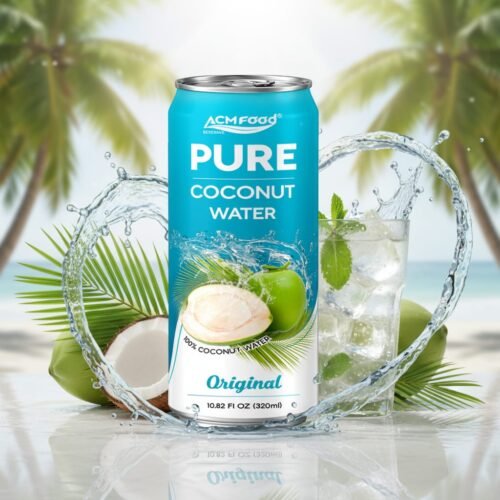
Coconut water offers a naturally occurring electrolyte profile that many shoppers find appealing specifically because it comes from a whole, recognisable ingredient rather than an engineered blend. Pure coconut water illustrates this clean-label hydration approach well, offering genuine electrolyte content without an added ingredient list beyond the coconut water itself. The trade-off is precision: coconut water’s natural electrolyte profile is what it is, and a brand cannot easily adjust its sodium-to-potassium ratio to match a specific target the way an engineered electrolyte blend allows.
An engineered electrolyte blend, by contrast, gives a formulator precise, granular control over sodium, potassium and other mineral levels, allowing the finished product to be calibrated closely and repeatably to a specific isotonic or hypotonic target batch after batch. This control comes at the cost of the clean, single-ingredient label story a natural source like coconut water offers, so the choice between the two approaches is really a choice between formulation precision and label simplicity, and a brand should decide which matters more for its specific positioning before development begins.
Flavor considerations for a hydration product
A hydration product’s flavor needs to remain pleasant at a serving volume larger than a typical juice serving, since hydration products are often consumed across an extended period during or after exercise rather than in one quick serving. A cleaner, less intensely sweet profile, such as the approach used in a lime sparkling drink, tends to remain more palatable across a larger volume than a heavily sweetened, intensely flavored option, which can become fatiguing to drink in the quantities a genuine hydration occasion requires.
Building a hydration product brief
Five inputs help a brand develop a hydration product that delivers genuine functional benefit.
- Target electrolyte concentration. Specify sodium and potassium levels against a defined target rather than an unspecified “add electrolytes” instruction.
- Formulation category. Decide whether the product targets an isotonic, hypotonic or hypertonic profile based on the intended exercise intensity and duration.
- Natural versus engineered source. Weigh label simplicity against formulation precision when choosing the electrolyte source.
- Target consumer and occasion. Distinguish between an athletic performance positioning and a general everyday hydration positioning.
- Flavor intensity for volume. Choose a flavor profile that remains pleasant across the larger serving volumes typical of a hydration occasion.
Common mistakes in hydration product development
A consistent set of avoidable errors accounts for much of the friction brands encounter in this category.
- Adding a token amount of electrolytes for label appeal. A concentration too low to deliver genuine functional benefit undermines the credibility of the hydration claim.
- Formulating without a clear isotonic, hypotonic or hypertonic target. A product built without this decision often ends up in an ambiguous middle ground that serves no specific exercise intensity well.
- Choosing an intensely sweet flavor for a large-volume hydration occasion. A flavor that works well in a small juice serving can become unpalatable across the larger volumes a genuine hydration product is meant to be consumed in.
- Assuming coconut water can be adjusted like an engineered blend. Its natural electrolyte profile is fixed, so a brand wanting precise ratio control needs an engineered approach instead.
Each of these is avoidable by treating electrolyte concentration, formulation category and flavor intensity as deliberate technical decisions from the outset, rather than assumptions carried over from a less physiologically demanding beverage category. A brand that names its target activity level and consumer clearly at the brief stage gives a manufacturer the specific information needed to formulate toward a genuinely appropriate concentration, rather than defaulting to a generic electrolyte addition that serves no particular use case especially well.

Frequently asked questions
Is coconut water alone sufficient as a hydration product, or does it need additional electrolytes?
Coconut water alone offers a genuine natural electrolyte profile and works well as a hydration product for moderate activity levels, though its specific sodium content is generally lower than an engineered sports drink formulated for intense athletic performance. Whether it is sufficient depends on the target consumer and activity intensity the product is meant to serve.
How is the right electrolyte concentration determined for a new formulation?
This is typically set against published sports science guidance for the target activity level and duration, then validated through formulation trials that also confirm the taste remains acceptable at that concentration, since electrolyte levels affect flavor as well as function.
Can a hydration product carry a fruit flavor without undermining its functional positioning?
Yes, provided the fruit flavor and any added sugar do not overwhelm the electrolyte formulation or push the product toward an intensity that becomes unpalatable at large serving volumes. A well-balanced fruit flavor, tested specifically at the larger volumes a hydration occasion typically involves, can make a product considerably more appealing without meaningfully compromising its functional basis or its intended electrolyte delivery.
Is private label a realistic route into the hydration category?
Yes, starting from an existing private label hydration formula already calibrated to a specific electrolyte target is often faster than developing a new formulation from scratch, particularly for a brand without in-house sports nutrition formulation expertise.
Should magnesium and calcium be included alongside sodium and potassium?
It depends on the target activity level and positioning. A general everyday hydration product can often perform well with a sodium and potassium focus alone, while a product aimed at endurance athletes or very intense, prolonged exercise may benefit from including these secondary electrolytes as well, since heavy sustained sweating depletes them more meaningfully than shorter activity does.
How does carbonation interact with a hydration or electrolyte formulation?
Carbonation can add a refreshing quality that some shoppers find appealing in a hydration product, though it is worth confirming the target consumer’s preference, since some athletes prefer a still format during or immediately after intense exercise. Carbonation itself does not meaningfully interfere with electrolyte function, so the choice is largely one of consumer preference and comfort rather than a formulation constraint.
Starting a hydration product brief
A hydration or electrolyte beverage performs best when its electrolyte concentration and formulation category are set deliberately against a specific target consumer and activity level, rather than treated as a label claim added to an otherwise conventional flavored drink.
ACM Beverage develops hydration and electrolyte beverage products against these formulation requirements and can advise on natural or engineered electrolyte approaches, target concentration and flavor balance before a first order is placed. Reach out through the enquiry and contact page with the target consumer, activity level and preferred electrolyte source in mind to start that conversation, and being specific about the intended exercise intensity early helps the first formulation trial land closer to the target profile.