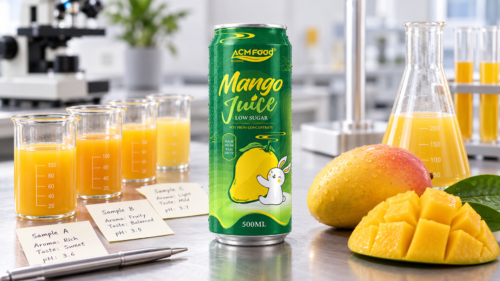


No sugar added drinks work under a different formulation constraint than a low sugar product: no supplementary sweetener, natural or artificial, can be added to the recipe at all. This does not mean the finished drink contains no sugar, since fruit juice naturally contains its own sugars, and a “no sugar added” claim describes what was not put into the recipe rather than the total sugar content of the finished product. That distinction shapes both the formulation approach and, just as importantly, how the product needs to be labelled to avoid misleading a shopper who assumes the two claims mean the same thing.
This guide sets out clearly how a no sugar added product is actually built, why fruit selection carries considerably more weight here than in a general low sugar formulation, and how to communicate the claim clearly without implying something the finished product does not actually deliver.
What “no sugar added” actually means
A no sugar added claim means the manufacturer has not introduced any supplementary sweetening ingredient during production, whether that would be table sugar, a syrup, a juice concentrate used purely to sweeten, or an intense sweetener. It does not mean the drink is free of sugar, since the fruit itself contributes its own naturally occurring sugars, and a 100 percent fruit juice can still carry a meaningful sugar content even with nothing added.
This is a source of genuine shopper confusion in many markets, where “no sugar added” and “sugar-free” or “no sugar” are sometimes assumed to mean the same thing. A product built and labelled clearly around the actual claim, distinguishing it from a genuinely sugar-free or low sugar product, avoids both a misleading impression and the kind of shopper disappointment that follows when a product does not match the expectation its label seemed to set.
The regulatory definition of “no sugar added” itself is also not identical everywhere. Most markets agree on the core principle that no supplementary sweetener may be added during processing, but the finer detail, such as whether a fruit juice concentrate used specifically to restore natural sweetness lost during processing counts as an addition, can differ by jurisdiction. Confirming the exact definition that applies in the target market before finalising a formulation avoids a claim that turns out to be technically incorrect once reviewed against that market’s specific rule.
Why fruit selection is the primary lever here
Because no supplementary sweetener can be used, the finished sweetness and overall taste balance of a no sugar added drink depend almost entirely on the base fruit or fruits chosen, rather than on a sweetener blend the way a low sugar formulation might use. A naturally sweet, low-acid fruit produces a rounder, more immediately palatable result without any added sweetener, while a naturally tart fruit used alone can taste sharp or thin in a no sugar added format, since there is no sweetener available to soften that acidity the way it could be in a low sugar product.
| Consideration | What it means for a no sugar added formulation |
|---|---|
| Sweetener rule | No supplementary sweetener of any kind can be added to the recipe |
| Actual sugar content | Naturally occurring fruit sugars remain and can be meaningful |
| Fruit selection | The primary lever for taste balance, since sweetener blending is not an option |
| Fruit blending | Pairing a tart fruit with a naturally sweeter one can balance acidity without added sweetener |
| Label clarity | Needs to distinguish the claim clearly from sugar-free or low sugar positioning |
Blending a naturally sweeter fruit with a more tart or aromatic one is a common and effective technique in this category, since it allows a formulator to balance the finished taste profile using only the fruits themselves, without needing any supplementary sweetener to soften an otherwise sharp result.
Ripeness and sourcing consistency matter more in a no sugar added formulation than in a sweetened one, since there is no sweetener buffer available to smooth over natural variation in fruit sweetness between harvests or suppliers. A sweetened recipe can compensate for a slightly less sweet batch of fruit by adjusting the sweetener level; a no sugar added recipe cannot make that adjustment, which places more weight on consistent fruit sourcing and quality control to keep the finished taste stable from batch to batch. This is worth discussing directly with a manufacturer during development, since sourcing consistency for the specific fruit in question can vary meaningfully between suppliers and seasons.
Product directions that suit a no sugar added format well
A tropical, naturally sweet base such as a guava juice with nata de coco inclusion suits a no sugar added format well, since guava’s natural sweetness carries the product without needing supplementary sweetening. An orange juice and coconut cream blend follows the same logic, pairing a moderately sweet citrus base with a naturally rich, rounding ingredient that softens the finished taste profile without any added sweetener.
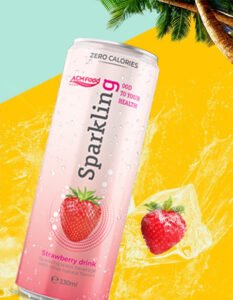
Sparkling formats also work well within a no sugar added brief. A pineapple sparkling juice pairs a naturally sweet, aromatic fruit with carbonation, which adds a sense of intensity and refreshment that can partially compensate for the absence of any added sweetener in a way that is particularly effective in a sparkling format specifically.
Functional and savoury directions worth considering
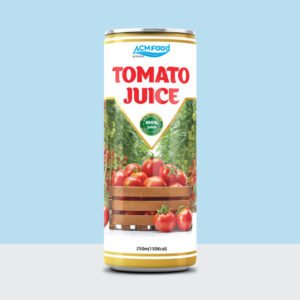
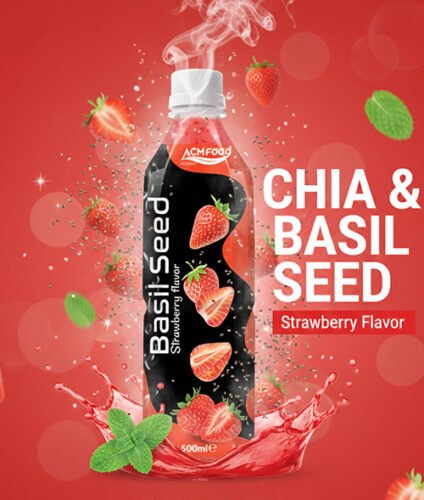
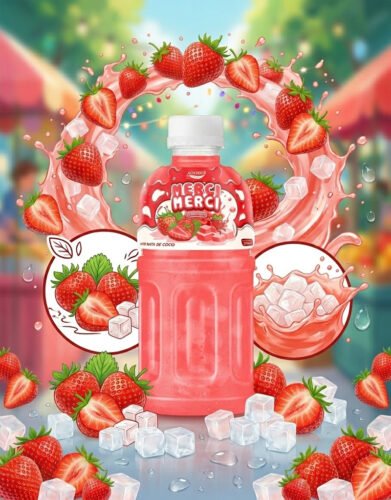
A no sugar added claim is not limited to sweet fruit juice categories. A savoury option such as a tomato juice built around a lycopene-forward positioning naturally fits the no sugar added category, since tomato’s own sugar content is comparatively low and its savoury profile does not rely on added sweetness to be palatable to its target consumer. A functional fruit combination such as strawberry juice with chia seeds shows how a no sugar added formulation can still carry a genuine functional positioning, provided the functional ingredient itself does not require added sweetener to make its inclusion palatable.
Building a no sugar added product brief
Five inputs help a no sugar added development project land on a formulation that tastes balanced and claims accurately.
- Fruit selection as the primary formulation lever. Choose a base fruit or fruit blend that delivers acceptable sweetness and balance without any added sweetener.
- Fruit blending for acid balance. Pair a tart fruit with a naturally sweeter one rather than relying on a single fruit to carry the whole taste profile.
- Realistic sugar content expectations. Confirm the actual sugar content of the finished product and be prepared to communicate it clearly rather than letting the claim imply a lower figure than reality.
- Clear label differentiation. Distinguish the no sugar added claim explicitly from sugar-free or low sugar positioning to avoid shopper confusion.
- Format support. Consider whether carbonation or another structural element can add intensity that partially substitutes for the absence of added sweetener.
Common mistakes in no sugar added development
A consistent set of avoidable errors accounts for much of the taste and messaging friction in no sugar added projects specifically.
- Choosing a naturally tart fruit without a balancing partner. A single tart fruit used alone in a no sugar added format can taste sharp or thin without a sweetener available to soften it.
- Implying the product is sugar-free. A no sugar added claim describes the recipe, not the finished sugar content, and label copy or marketing language that blurs this distinction risks misleading the shopper.
- Underestimating how much fruit selection determines the final taste. Without a sweetener to adjust after the fact, fruit choice carries more of the formulation burden than in a low sugar recipe with sweetener flexibility.
- Assuming the claim is defined identically across markets. The specific regulatory meaning of “no sugar added” can vary by country, so the claim should be confirmed against the target market’s actual definition before finalising label copy.
Each of these is avoidable by treating fruit selection and label clarity as core development decisions from the outset, rather than adjustments made after the recipe and claim are already set.
Frequently asked questions
Does a no sugar added drink contain less sugar than a regular juice?
Not necessarily. A 100 percent fruit juice with no sugar added can still carry a meaningful natural sugar content from the fruit itself, sometimes close to that of a sweetened equivalent, depending on the fruit used. The claim describes the recipe process, not a guaranteed low sugar outcome.
Can a no sugar added product also carry a low sugar claim?
Only if the finished product’s actual sugar content meets the separate regulatory threshold for a low sugar claim in the target market. The two claims are independent of each other, and a no sugar added product does not automatically qualify as low sugar.
Which fruits work best for a no sugar added formulation?
Naturally sweet, moderate-acid fruits such as mango, guava or pineapple tend to be easier starting points than very tart fruits used alone, since they need less balancing to reach an acceptable taste profile without added sweetener. Tart fruits can still work well when blended with a naturally sweeter partner.
How should the label communicate the no sugar added claim without misleading shoppers?
Pairing the claim with a clear statement that the product contains naturally occurring sugars from fruit is a straightforward way to set accurate expectations, rather than allowing the shopper to assume the claim means the product has no sugar at all.
Does fruit sourcing consistency matter more for a no sugar added product?
Yes, meaningfully so. Without a sweetener available to compensate for a less sweet batch of fruit, natural variation in ripeness and sugar content between harvests or suppliers shows up directly in the finished taste. Discussing sourcing consistency with the manufacturer at the brief stage, rather than discovering the issue after a first production run, helps keep the taste stable batch to batch.
Is a no sugar added claim suitable for a functional or savoury product, not just fruit juice?
Yes. The claim applies to any beverage where no supplementary sweetener has been added, which includes savoury formats such as vegetable-based juices as well as functional products where the added ingredient itself does not require sweetening to be palatable. The same fruit-or-vegetable-selection logic applies regardless of category.
Starting a no sugar added product brief
A no sugar added drink performs best when fruit selection and blending carry the taste balance the recipe needs, and when the label communicates the claim clearly enough that a shopper understands exactly what it does and does not mean.
ACM Beverage develops no sugar added formulations against these taste and labelling requirements and can advise on fruit selection, sourcing consistency and claim wording before a first order is placed. Reach out through the enquiry and contact page with the target flavour direction and market in mind to start that conversation, and bringing a rough sense of the desired sweetness level to that first discussion helps narrow down a suitable fruit blend quickly.