

Contents
- 1 The Science Behind Lycopene: Why Tomato Juice is a Functional Beverage Powerhouse
- 2 Market Shift: Savory and Low-Sugar Juices Gain Traction Among Health-Conscious Consumers
- 3 OEM Flexibility Enables Private Label Brands to Enter the Functional Juice Segment
- 4 Global Supply Chain and Certification: Meeting International Standards for Tomato Juice Exports
- 5 Frequently Asked Questions
- 5.1 What makes tomato juice a functional beverage?
- 5.2 How can private label brands customize their tomato juice?
- 5.3 What certifications do OEM tomato juice suppliers typically hold?
- 5.4 Is tomato juice suitable for export to the US and EU?
- 5.5 What is the typical MOQ for OEM tomato juice?
- 5.6 Can tomato juice be produced as an organic product?
Global demand for functional beverages continues to surge, with tomato juice emerging as a key player in the health-conscious segment. Rich in lycopene, a powerful antioxidant linked to cardiovascular and skin health, this savory juice offers a low-sugar alternative to fruit-based drinks. OEM manufacturers are now leveraging the scientific backing of lycopene to create customized tomato juice formulations that appeal to distributors targeting wellness-oriented consumers.
For international buyers and private label brands, understanding the market dynamics around tomato juice is critical to capturing growth in the functional beverage sector. From supply chain certifications to flexible packaging options, the ability to partner with an experienced OEM supplier can determine success in this competitive landscape.
The Science Behind Lycopene: Why Tomato Juice is a Functional Beverage Powerhouse
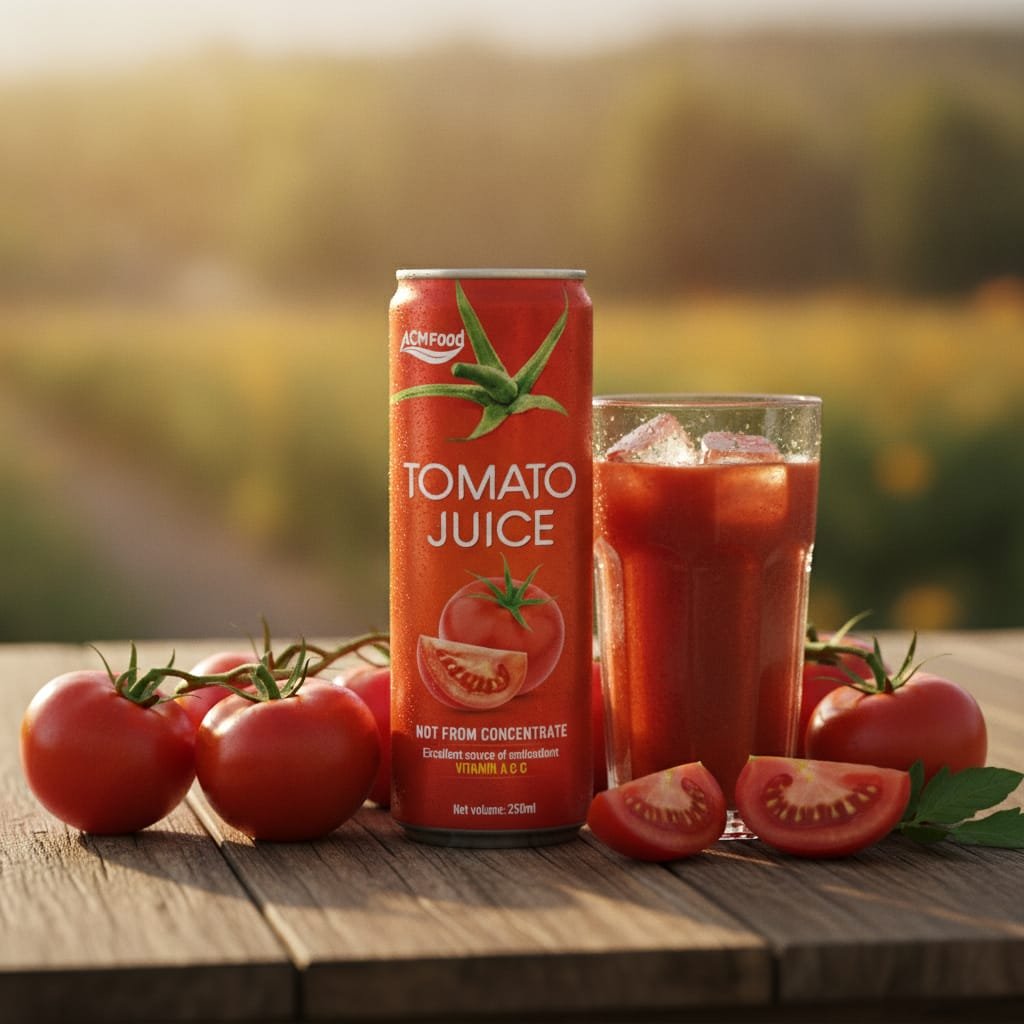
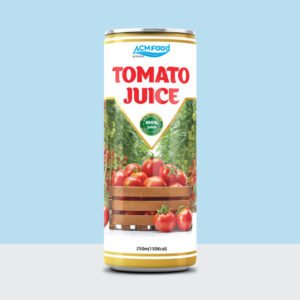
Lycopene, the carotenoid responsible for the deep red color of tomatoes, has been extensively studied for its role in reducing oxidative stress and inflammation. A growing body of research suggests that regular consumption of tomato juice can support heart health by improving cholesterol profiles and lowering blood pressure. This functional benefit positions ACM Tomato Juice 250ml as a strategic product for suppliers aiming to meet the rising demand for nutrient-dense beverages.

For illustrative purposes only
Lycopene Bioavailability and Processing
Processing techniques such as thermal treatment can enhance the bioavailability of lycopene in tomato juice. OEM manufacturers use controlled pasteurization to preserve both flavor and nutritional value while ensuring shelf stability. This technical expertise is critical for producing a consistent functional drink that meets regulatory standards across markets.
Comparative Advantage Over Fruit Juices
Unlike high-sugar fruit juices, tomato juice offers a naturally low glycemic index and no added sugars, making it attractive for diabetic and weight-management consumers. This clean label attribute aligns with the global shift toward transparent ingredient lists, a trend that savvy private label brands can capitalize on using tomato juice 250ml OEM solutions.
Market Shift: Savory and Low-Sugar Juices Gain Traction Among Health-Conscious Consumers
The beverage industry is witnessing a pronounced pivot from sweetened drinks to savory, vegetable-based options. According to recent market analyses, the global vegetable juice segment is projected to grow at a CAGR of over 6% through 2030, with tomato juice holding the largest share. This growth is fueled by consumer awareness of added sugar risks and the desire for functional hydration.
Distributors in North America and Europe are increasingly adding fresh fruit juice alternatives like tomato juice to their portfolios to differentiate from conventional offerings. The savory profile also lends itself well to cocktail mixers and culinary applications, expanding the usage occasions beyond breakfast.

OEM Flexibility Enables Private Label Brands to Enter the Functional Juice Segment
Partnering with an agile OEM manufacturer is essential for brands looking to launch a tomato juice product without heavy capital investment. ACM Beverage Supplier, a leading OEM/ODM manufacturer in Vietnam, offers customizable formulations for the ACM Tomato Juice 250ml including options to adjust sodium levels, add complementary vegetable blends, or fortify with vitamins. This flexibility allows private label brands to tailor the functional profile to their target market.
Low MOQ and Rapid Prototyping
Minimum order quantities (MOQs) can be a barrier for smaller brands. However, experienced OEM partners provide low MOQ options and rapid sampling services, enabling startups to test the tomato juice concept with minimal risk. This approach accelerates time-to-market while keeping upfront costs manageable.
Packaging Customization for Global Retail Channels
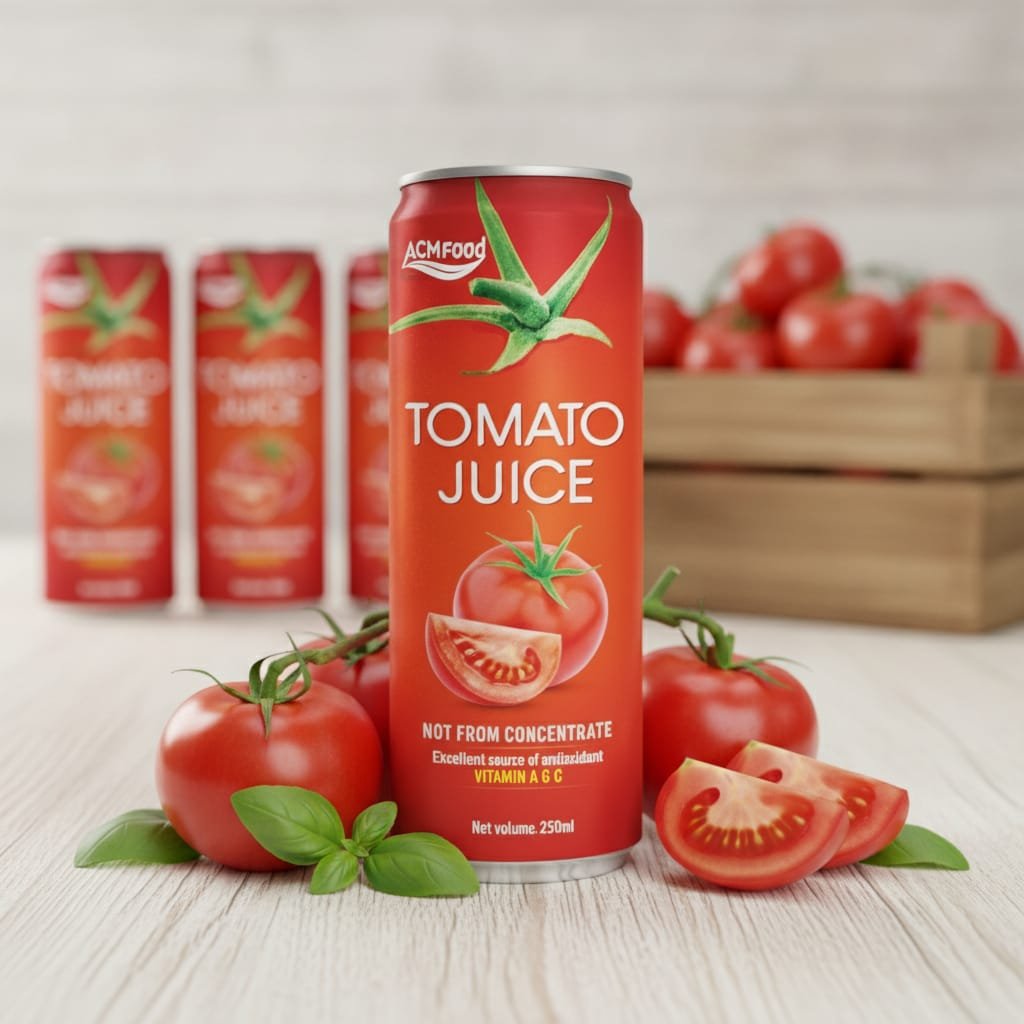
From 250ml slim cans to larger PET bottles, packaging plays a crucial role in shelf appeal and logistics efficiency. OEM suppliers offer multiple formats, including the 250ml aluminum can used for the ACM brand, which is lightweight and easy to stack for export. Custom labeling and graphic design services further help brands create a distinct identity in crowded retail environments.
Global Supply Chain and Certification: Meeting International Standards for Tomato Juice Exports
Exporting tomato juice to markets like the EU, USA, and Middle East requires compliance with stringent food safety and quality certifications. ACM FOOD Co., Ltd. holds FSSC 22000, ISO, BSCI, USDA Organic, EU Organic, HALAL, and KOSHER certifications, ensuring that the ACM Tomato Juice 250ml meets all regulatory requirements for major markets. This certification portfolio gives importers confidence in the product’s safety and authenticity.
Traceability and consistent quality are non-negotiable for international buyers. OEM manufacturers with integrated supply chains can source premium tomatoes from controlled farms and maintain rigorous testing at every production stage. This end-to-end control is a key selling point for distributors evaluating long-term partnerships.

Logistical Advantages of Southeast Asian Production
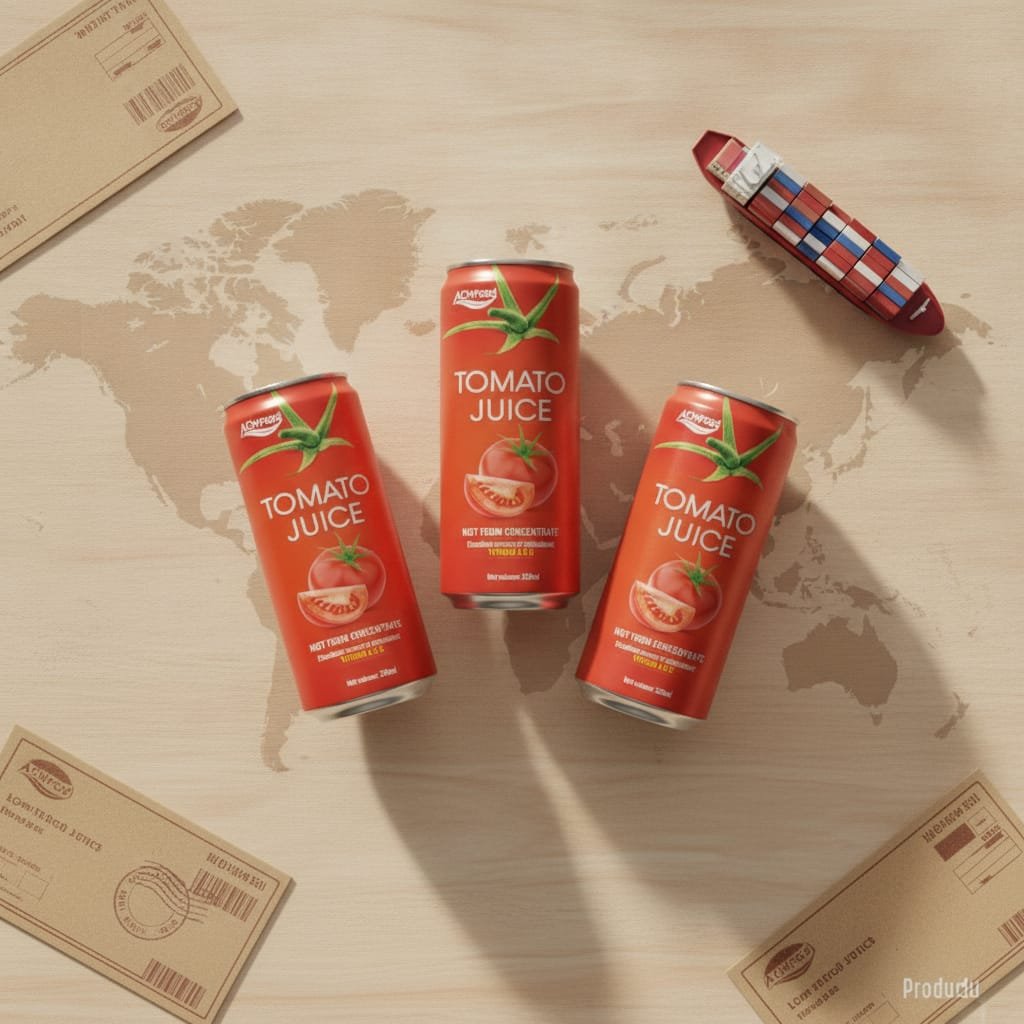
Vietnam’s strategic location in Southeast Asia offers cost-effective logistics for shipping to both Asian and Western markets. With a monthly export capacity exceeding 300 containers, ACM Beverage Supplier can handle large-volume orders while maintaining lead times. For importers, this reliability translates into better inventory planning and reduced stockout risks.
Frequently Asked Questions
What makes tomato juice a functional beverage?
Tomato juice is rich in lycopene, vitamin C, and potassium. Lycopene acts as a potent antioxidant, supporting heart health and reducing inflammation, which qualifies tomato juice as a functional drink.
How can private label brands customize their tomato juice?
Private label brands can work with OEM manufacturers to adjust sodium content, blend with other vegetables, or add functional ingredients like ginger or turmeric. Packaging and labeling are also fully customizable.
What certifications do OEM tomato juice suppliers typically hold?
Reputable suppliers hold certifications such as FSSC 22000, ISO, BSCI, HALAL, KOSHER, and Organic (USDA/EU). These ensure compliance with global food safety and quality standards.
Is tomato juice suitable for export to the US and EU?
Yes, provided the supplier meets all regulatory requirements including FDA registration and EU health standards. ACM FOOD’s certified facility is approved for export to these markets.
What is the typical MOQ for OEM tomato juice?
MOQs vary by supplier but can range from 1,000 to 5,000 cases for initial orders. Low MOQ options are available for startups testing the market.
Can tomato juice be produced as an organic product?
Absolutely. Many OEM suppliers offer USDA and EU organic certified tomato juice, sourced from organic tomato farms. This allows brands to enter the premium organic segment.


Related blogs insights
Cherry Sparkling Juice Drives Functional Beverage Growth Through Superfruit Innovation
Discover how cherry sparkling juice is reshaping the functional beverage market with superfruit benefits, OEM [...]
Jul
Watermelon Juice: Your Sweet Ally on the Weight Loss Journey!
Contents1 Why is Watermelon Juice So “Friendly” to Your Weight Loss Efforts?2 Watermelon Juice: How [...]
1 Comment
Jan
How to Choose the Right Juice Flavors for Export Markets
Contents1 Why Is Choosing the Right Juice Flavor Important?2 Juice Flavor Trends in Key Export [...]
1 Comment
Feb
Aloe Vera and Pomegranate Juice Drives Functional Beverage Growth in Health Conscious Markets
Discover how aloe vera juice with pomegranate flavor is capitalizing on the superfruit trend, offering [...]
Jun
Coconut Milk with Nata de Coco A Delicious and Nutritious Combination
Contents1 The Origins of Coconut Milk with Nata de Coco1.1 The Nutritional Benefits of Coconut [...]
1 Comment
Mar
Coconut Water Combined with Fruit Flavors: The Key to Diversifying the Modern Beverage Experience
Contents1 1. The Coconut Water Trend: From Simple Drink to Breakthrough Combination 2 2. Enhancing User [...]
2 Comments
Jan