














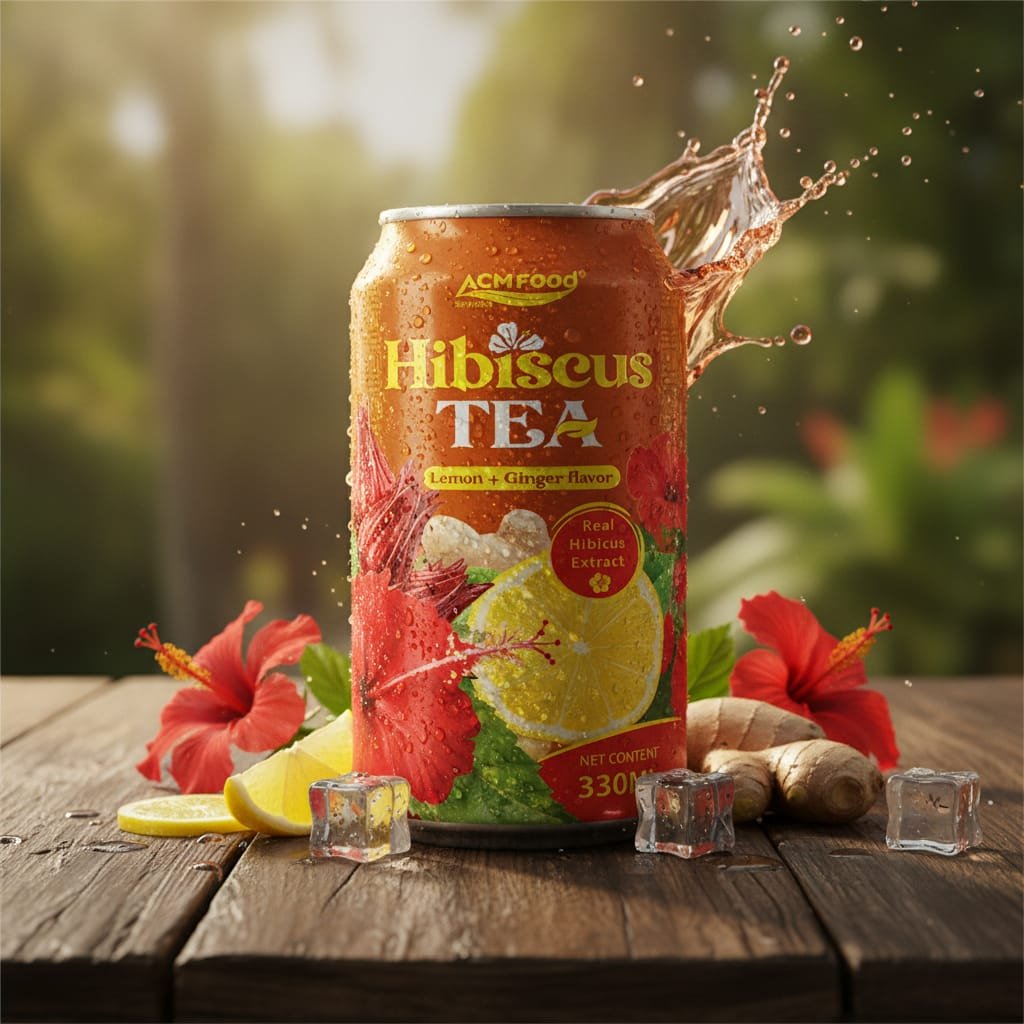
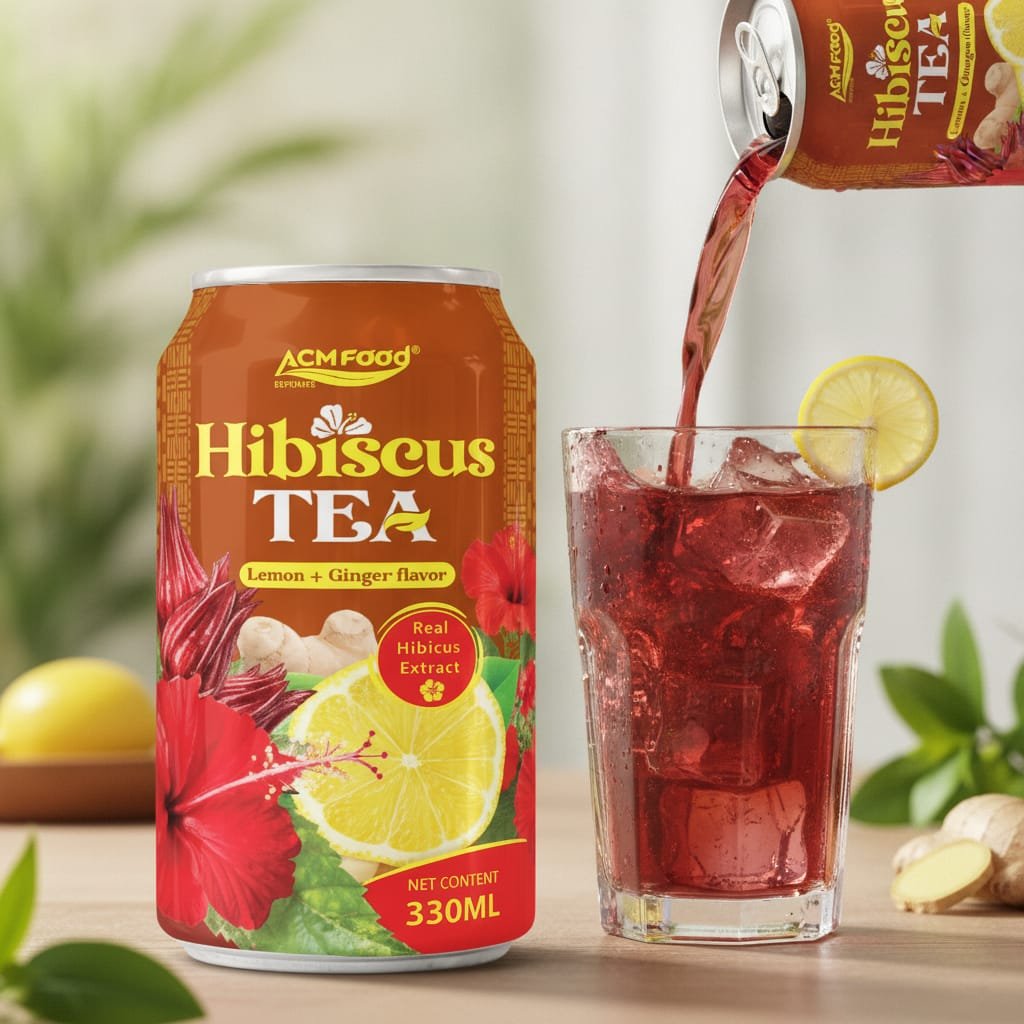
Hibiscus tea with lemon and ginger is a caffeine-free infusion of hibiscus (roselle) calyces flavoured with lemon and ginger; hibiscus has some of the better evidence among herbal drinks, with small trials showing modest blood pressure reductions, by several mmHg in some studies. Most trials lasted 2–12 weeks and used unsweetened tea.
Key facts at a glance
- Caffeine-free unless blended with tea.
- Blood pressure: modest effects in small trials; not a treatment.
- Lemon adds acidity and freshness; ginger adds warmth.
- Sweetened RTD versions differ from the unsweetened tea used in studies.
- Avoid in pregnancy as a precaution.
What the evidence says
| Claim | Evidence |
|---|---|
| Lowers blood pressure | Modest effect in small trials and meta-analyses |
| Antioxidants | Rich in anthocyanins; human benefit unclear |
| Cholesterol | Mixed results |
| Weight loss | Not established |
| Ginger for nausea | Good evidence, at higher doses than in drinks |
Who should be careful
- Pregnant women — avoid as a precaution.
- People on blood pressure medicines — effects may add up.
- People on diabetes medicines — monitor blood sugar.
- People with low blood pressure.
How to choose
- Lower sugar versions are closer to the tea used in studies.
- Check for real lemon juice and ginger versus flavours.
- Confirm caffeine content if blended with tea.
Frequently asked questions
Does hibiscus tea lower blood pressure?
Small trials show a modest reduction. It does not replace medication.
Is hibiscus tea caffeine-free?
Yes, pure hibiscus contains no caffeine.
Can I drink hibiscus tea every day?
Most healthy adults can, in normal amounts. Check with a doctor if pregnant or taking regular medication.
Hibiscus drinks from ACM Beverage
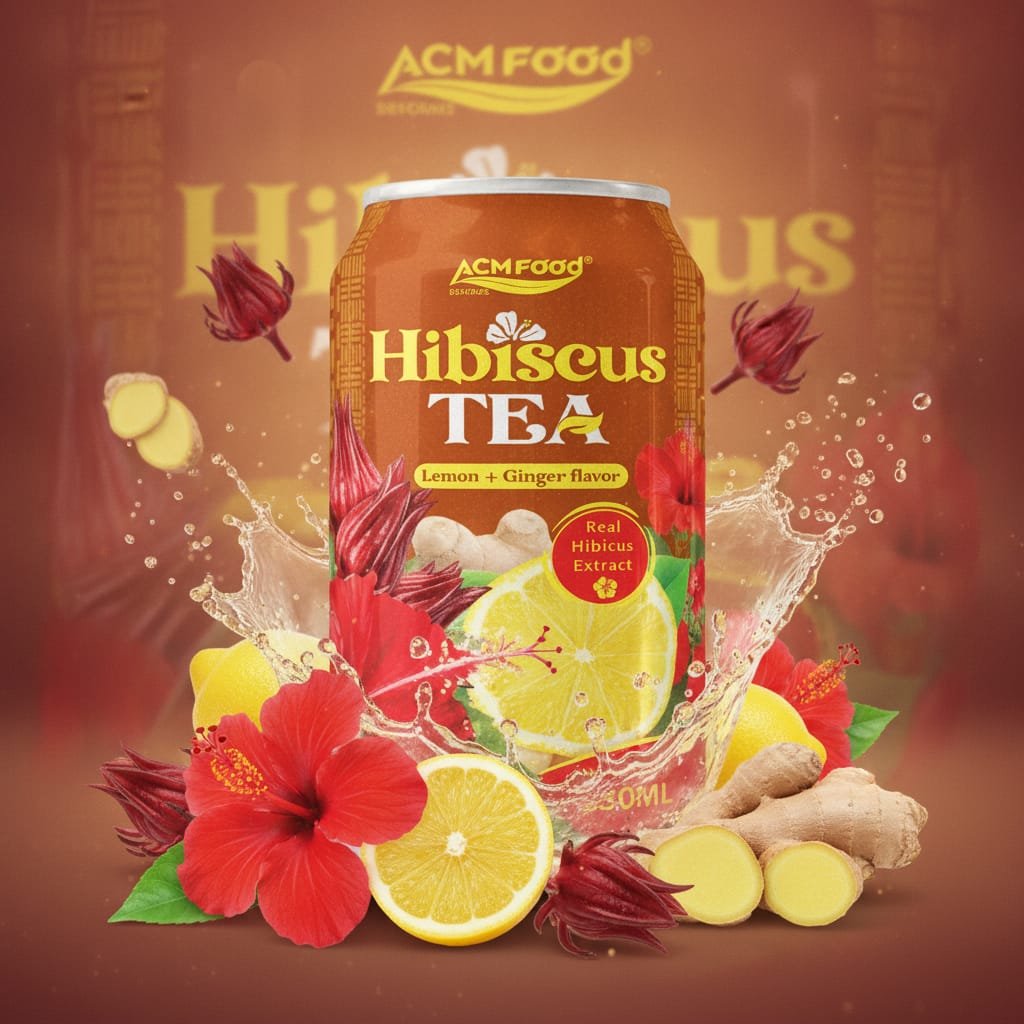
ACM Beverage produces hibiscus tea drinks in Vietnam for OEM and private label customers. See the 330 ml lemon and ginger hibiscus tea. Related reading: mango hibiscus tea and ginger every day.
This article is general information, not medical advice.






