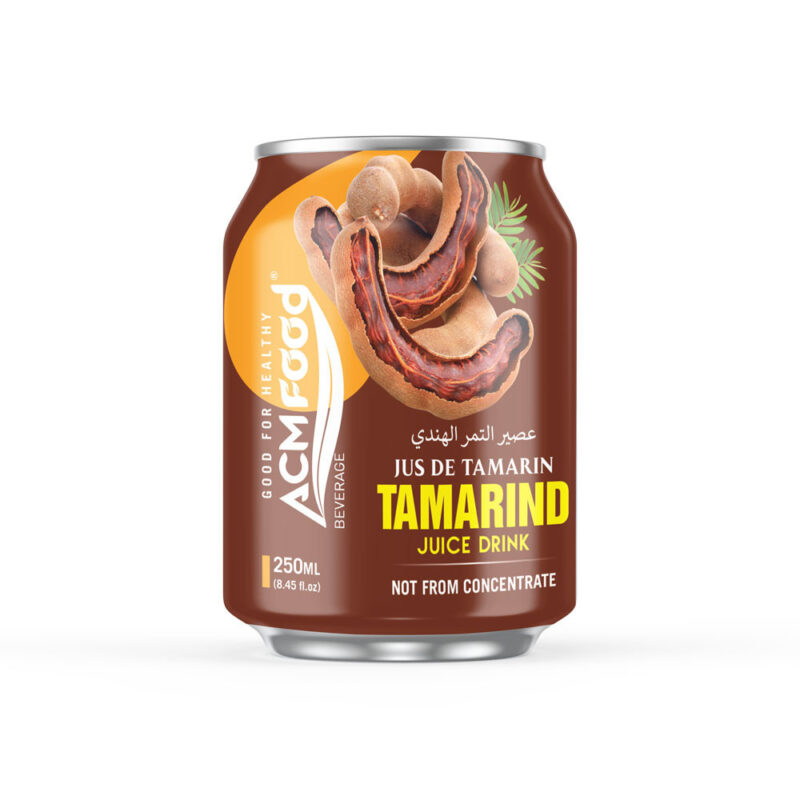











Tamarind is one of the few juice flavours with a genuinely loyal following and almost no casual buyers. Shoppers who want it want it specifically, and they judge it on one thing: whether the sour edge is still there. Versions that over-sweeten to widen appeal usually lose the core customer without gaining a new one.
The Sweet-Sour Profile Tamarind Buyers Expect
This product is pressed as not-from-concentrate juice and formulated without added sugar, so the tartness that defines tamarind is left intact rather than rounded off. No artificial colouring is used – the deep amber tone is the fruit’s own. The result is closer to a traditionally prepared tamarind drink than to a fruit-flavoured soft drink, which is the reference point that matters to the customers buying it.
Single-Serve Economics
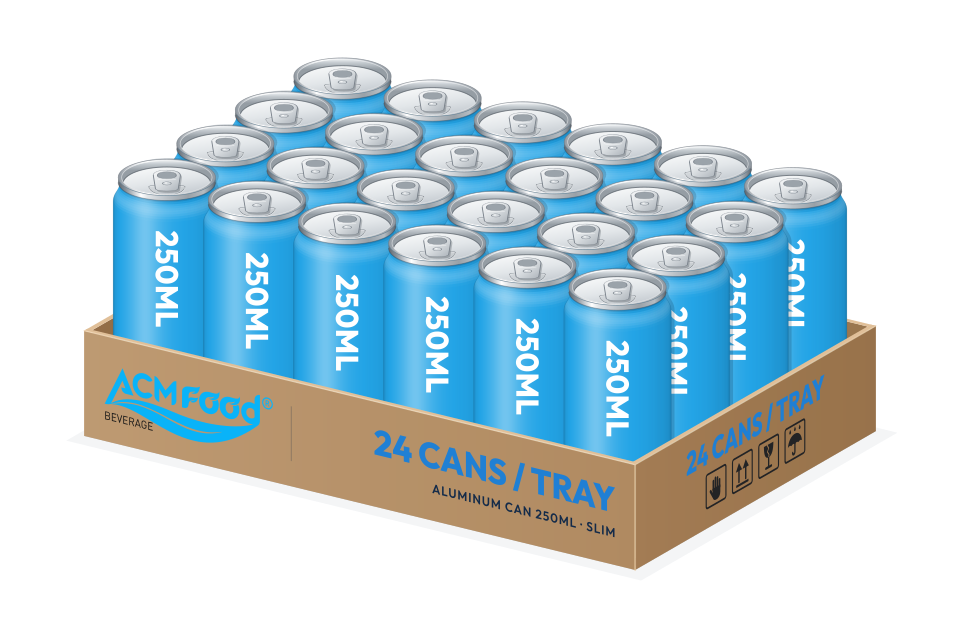
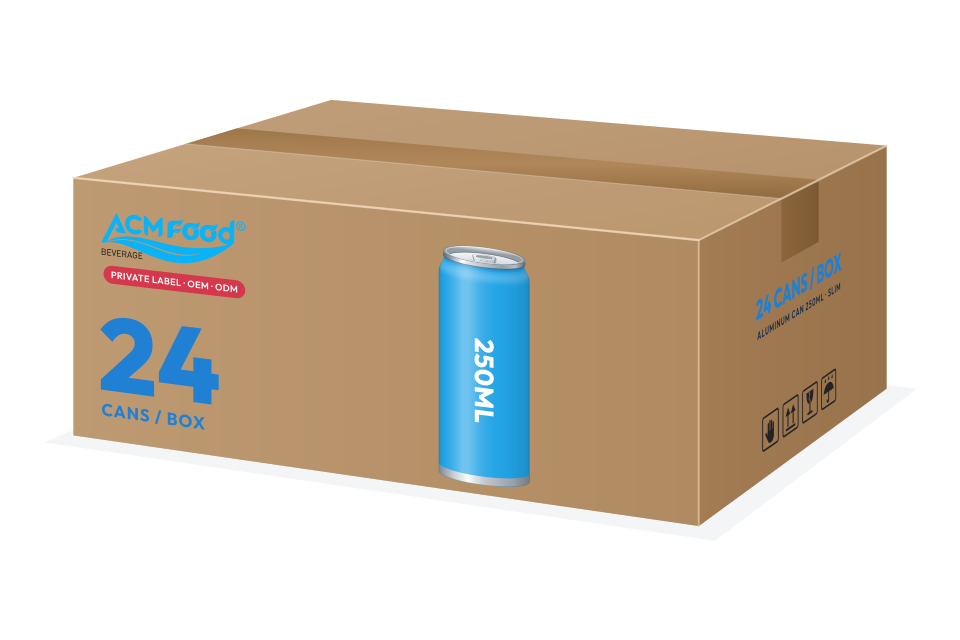
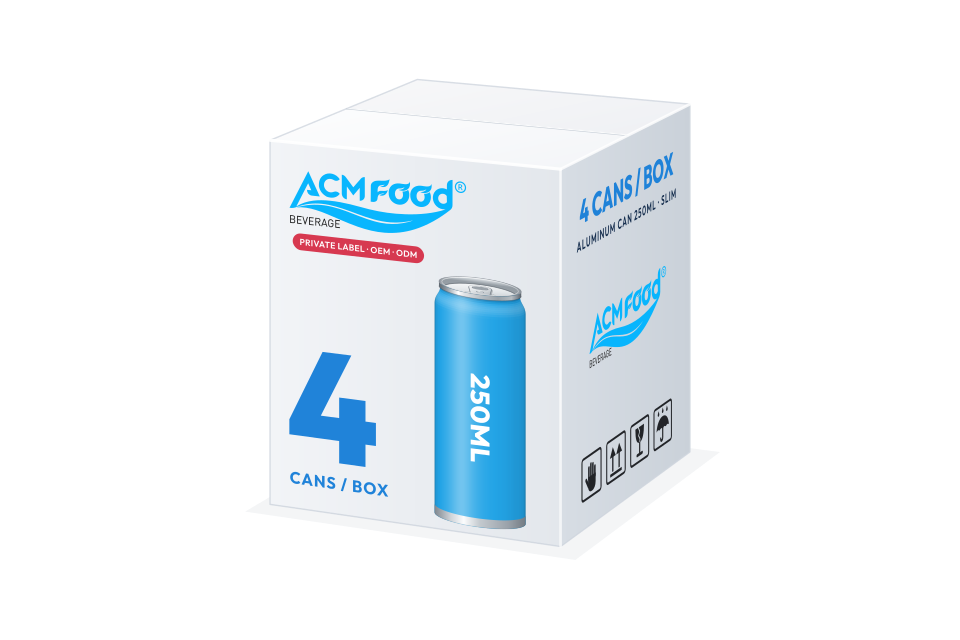
The 250ml can hits the price point at which a speciality flavour still moves on impulse. It suits ethnic grocery, traditional trade and food service, where a smaller serve reduces the risk on an unfamiliar purchase and improves rotation. Aluminium handles rough transit and stacking without loss, and the 24-month ambient shelf life means stock can sit in a dry warehouse through a slow season without deteriorating.
Certification and Shipping
Production is in Vietnam under FSSC 22000, HACCP and ISO 22000 certification, with 20,000 cartons per day of capacity against a 500-carton minimum order. OEM and private label services include recipe adjustment for markets that prefer a sweeter or sharper balance, plus full can artwork. Terms are T/T, loading Ho Chi Minh City Port, lead time 15 to 30 days. The wider fresh fruit juice range covers the mainstream flavours that sit alongside it.