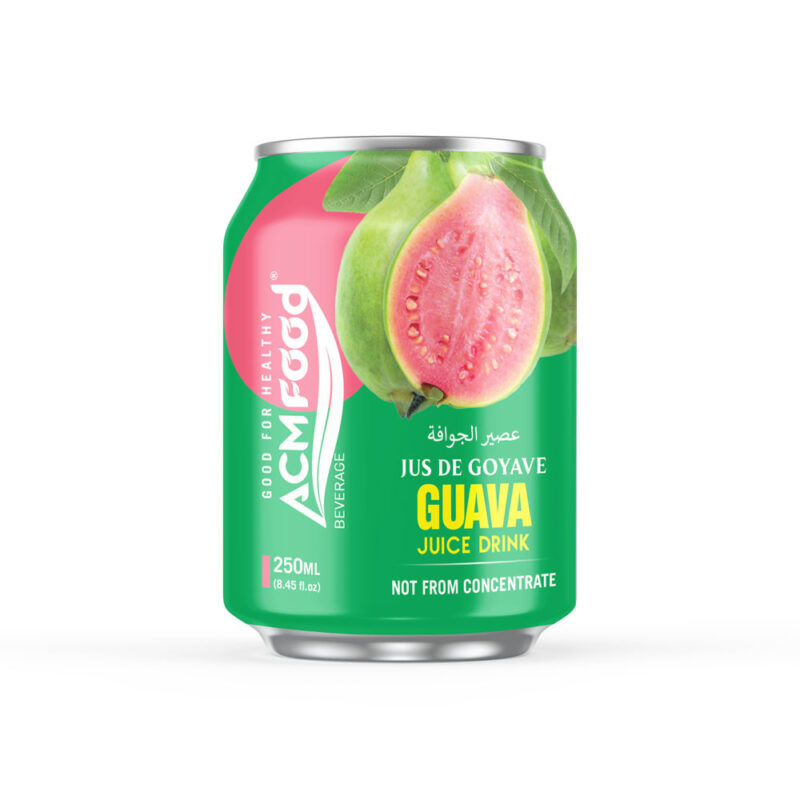











Guava is not an exotic flavour everywhere. Across South Asia, the Gulf and much of Latin America it is a household staple, and shoppers there hold a canned version to a standard set by the fresh fruit. That raises the bar considerably: a thin, over-filtered guava drink is immediately recognised as a substitute.
Guava Built for Markets That Know Guava
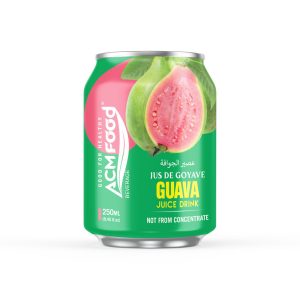
This line is pressed as not-from-concentrate juice and retains the soft, nectar-like body guava is expected to have, rather than being clarified into a thin liquid. No sugar is added; guava carries enough natural sweetness that added sugar mainly serves to hide weak fruit content. No artificial colouring is used either, so the pale pink tone in the can is the fruit’s own.
Why 250ml Works for High-Frequency Purchase
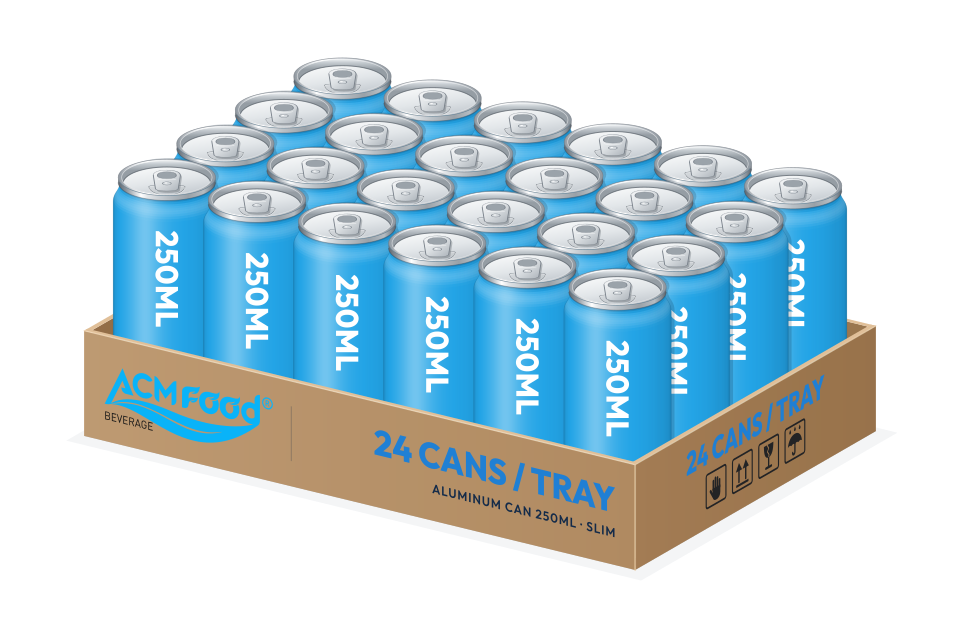
In the markets where guava sells hardest, the buying pattern is frequent and small rather than occasional and large. A 250ml can meets that pattern at an accessible price point, fits impulse coolers and traditional-trade shelving, and travels well – aluminium survives handling that would break glass, and a 24-month ambient shelf life removes any refrigeration requirement between the factory and the retailer.
Export Details
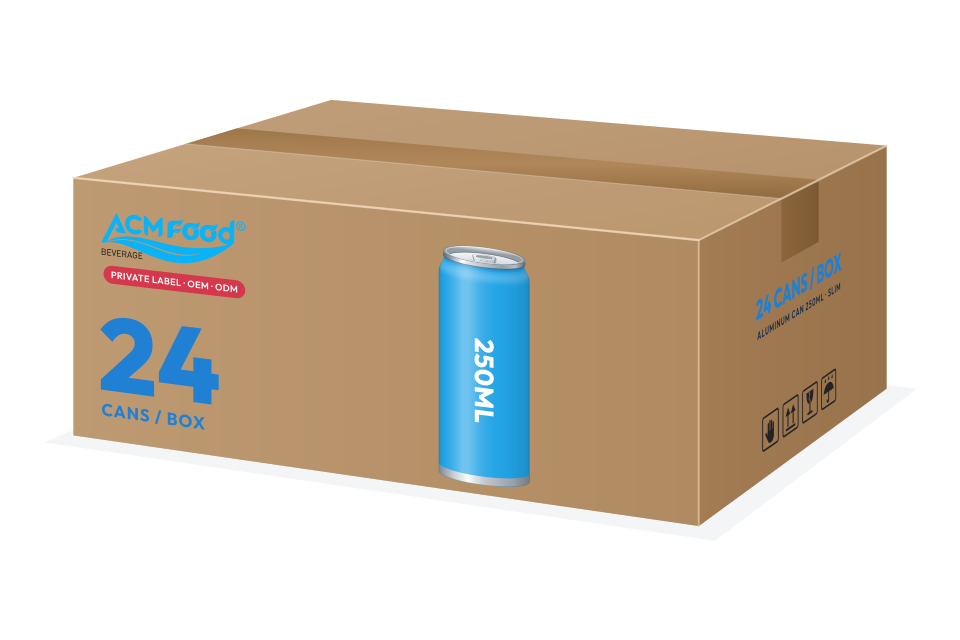
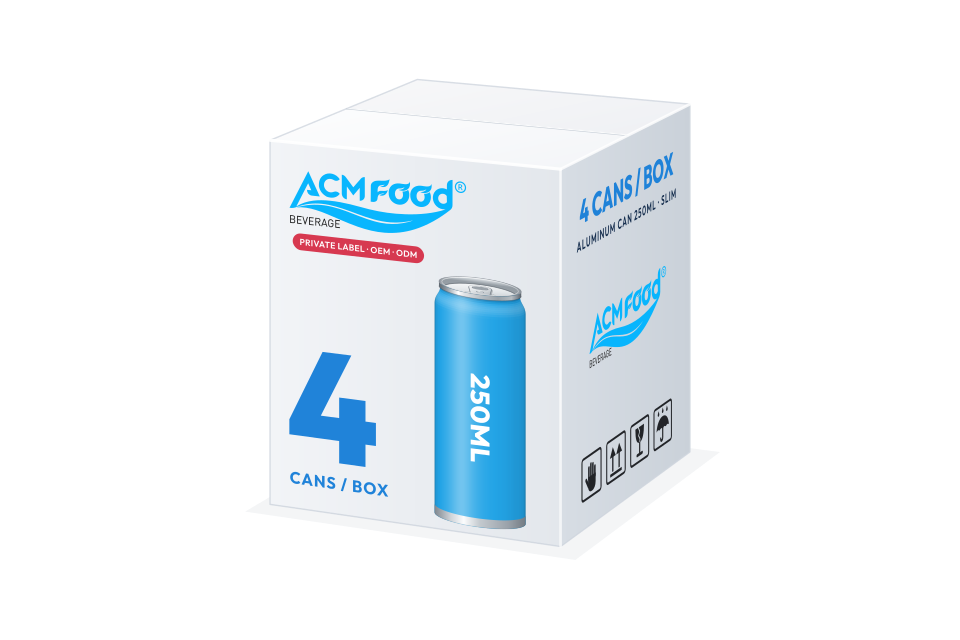
ACM FOOD manufactures in Vietnam under FSSC 22000, HACCP and ISO 22000 certification, producing up to 20,000 cartons per day with a 500-carton minimum order. Private label programmes cover can artwork, language versions and regulatory formats for the destination market. Payment is by T/T, loading at Ho Chi Minh City Port, with a lead time of 15 to 30 days. Complementary flavours are listed under the fresh fruit juice category.