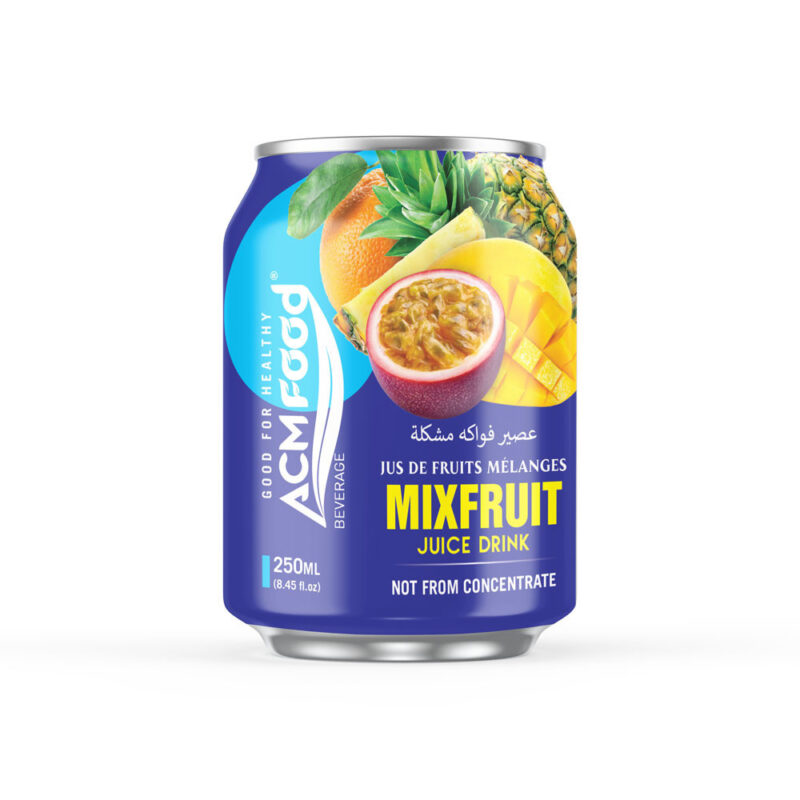











Every distributor building a juice listing needs one SKU that nobody refuses. Single-fruit lines each have their own following and their own resistance; a well-built blend has neither, which is why mixed fruit is usually the first line into a new account and the last one to be delisted.
A Blend Designed to Sell Across Demographics
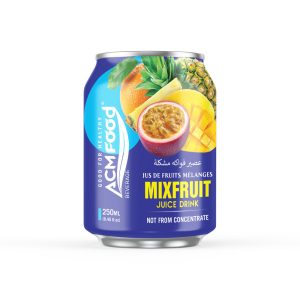
The formulation combines several not-from-concentrate fruit juices into a balanced profile – sweet enough for younger drinkers, with enough acidity to avoid tasting cloying to adults. No sugar is added and no artificial colouring is used, so the blend meets the same clean-label criteria as the single-fruit lines rather than being the place where shortcuts are taken. That consistency matters when a buyer is auditing a whole range at once.
The Case for the 250ml Can
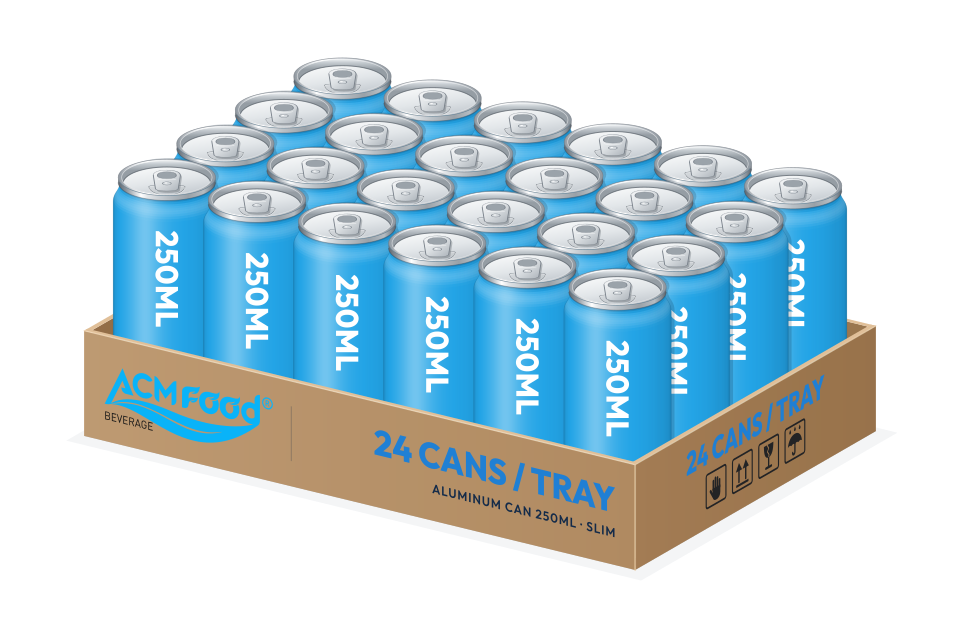
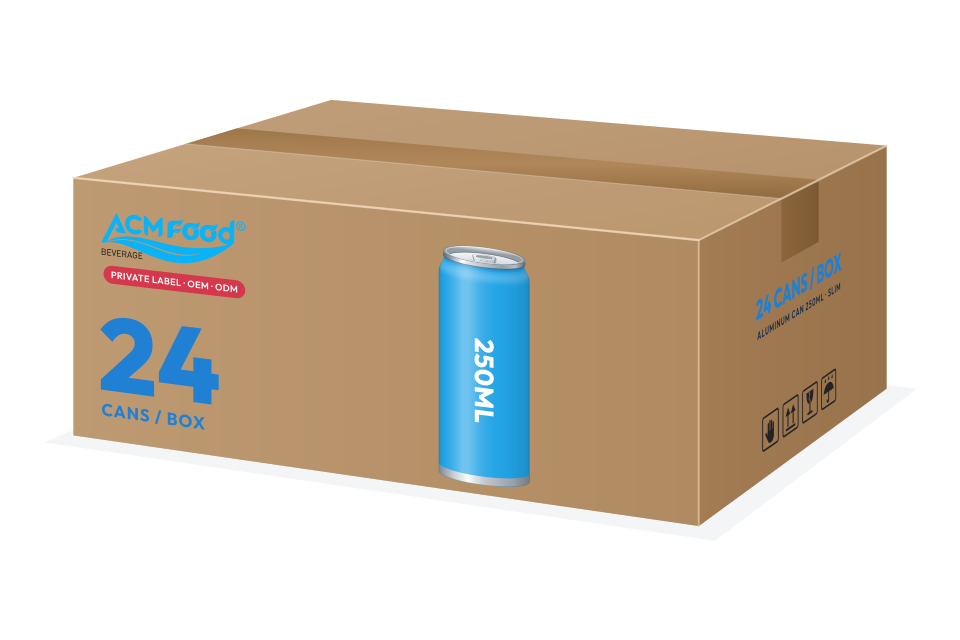
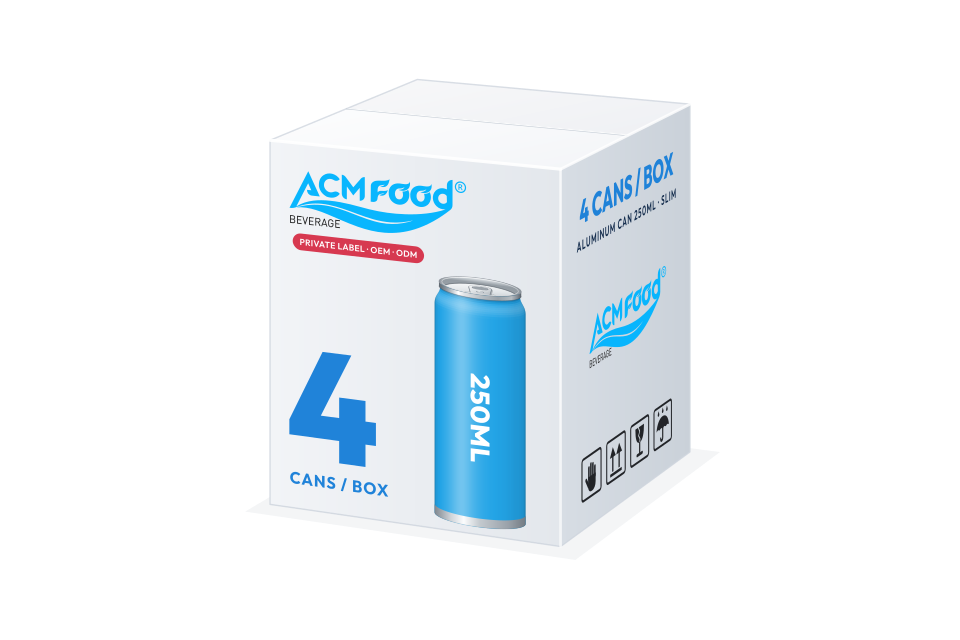
Mixed fruit does most of its volume in family and school channels, where a smaller portion is the point. The 250ml can suits multipacks, lunch boxes and catering trays, stacks efficiently on a pallet and survives handling that would break glass. With 24 months of ambient shelf life, importers can hold buffer stock against seasonal demand without chilled storage.
Programme Terms
The line is produced in Vietnam under FSSC 22000, HACCP and ISO 22000 certification, at up to 20,000 cartons per day from a 500-carton minimum. Because blends are frequently the anchor of a private label range, OEM services extend to adjusting the fruit ratio to a buyer’s preferred profile alongside full artwork development. Payment T/T, loading at Ho Chi Minh City Port, lead time 15 to 30 days. Single-fruit companions are listed in the fresh fruit juice category.