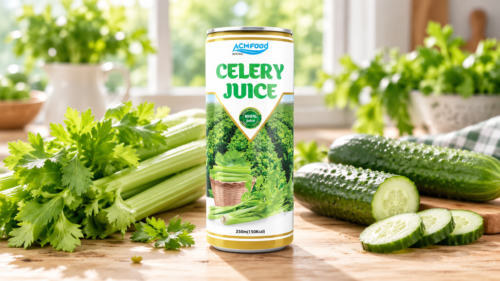

Cucumber and lemon is one of the most searched drink flavour pairings, but the phrase covers two quite different products: a cucumber lemon water, which is light, clear and subtle, and a cucumber lemon juice, which is fuller, greener and more cloudy. For a beverage brand the first decision is which of the two you are making, because the formulation, the process, the pack and even the way you describe the product follow from that choice. This article explains the difference, the flavour logic and the practical points for a finished can or bottle.
Directions below are starting points for tasting trials, not a formula. Cucumber and lemon vary by season and source, so every concept needs bench testing.
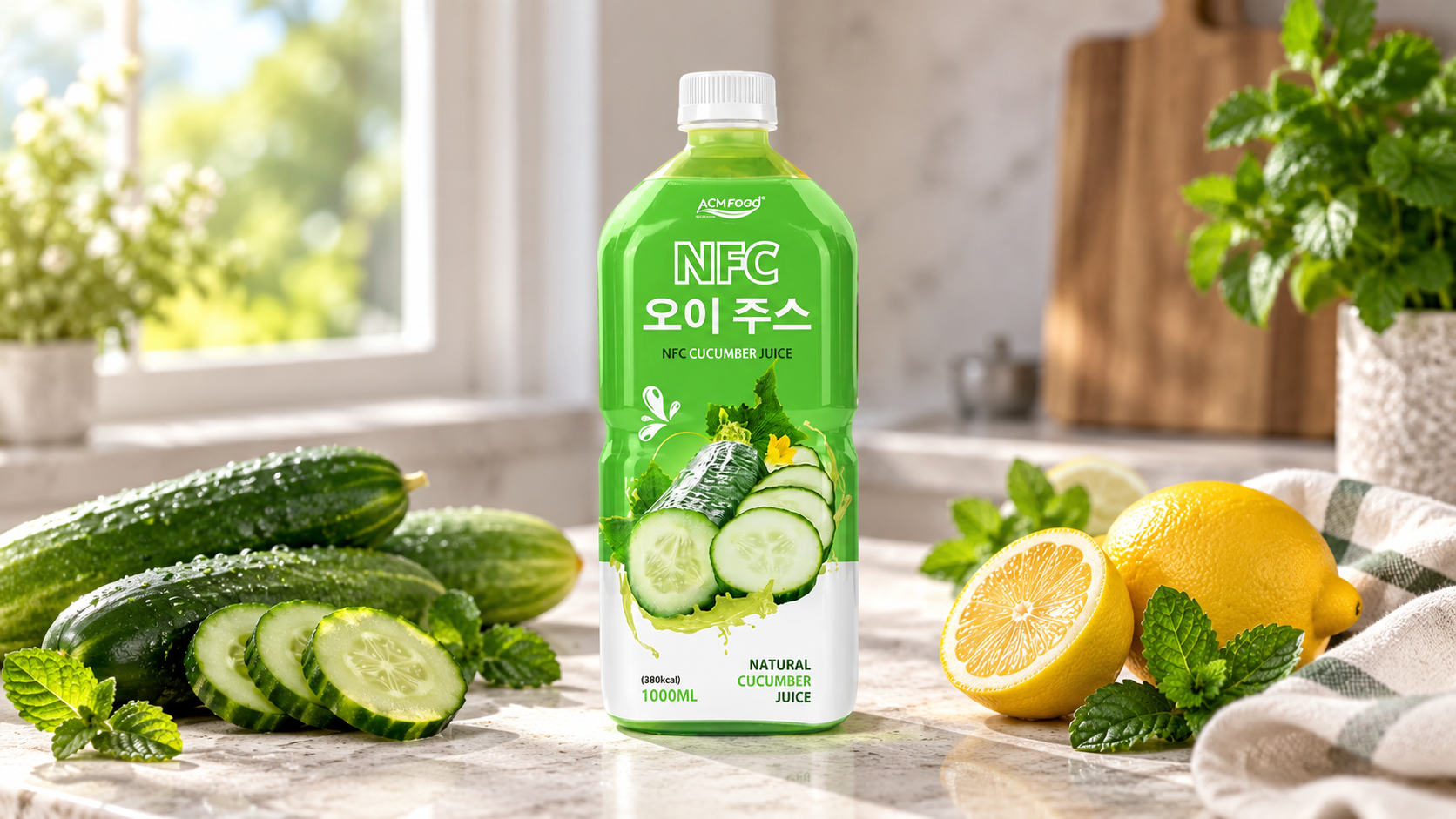
What is the difference between cucumber lemon water and cucumber lemon juice?
Cucumber lemon water is a light drink in which a small amount of cucumber and lemon flavour is carried by water, often still, sometimes lightly sparkling. Cucumber lemon juice is made from a larger share of pressed cucumber with lemon, and tastes distinctly vegetal.
| Feature | Cucumber lemon water | Cucumber lemon juice |
|---|---|---|
| Cucumber content | Low | Higher |
| Appearance | Clear to faintly green | Green, cloudy |
| Taste | Subtle, refreshing | Fuller, vegetal |
| Body | Light | Medium |
| Typical positioning | Everyday refreshment | Green juice |
The names are not tightly standardised, and labelling rules differ by market, so the product name and ingredient list should describe the real composition. A drink with very little cucumber juice should not be presented as if it were mostly cucumber.
Why is the pairing so popular?
Cucumber has a mild, cooling, slightly sweet taste and a fresh aroma that comes from volatile compounds released when the tissue is cut. On its own it can taste faint and watery. Lemon supplies acidity and a bright aroma that lift cucumber without covering it. Together they taste clean, crisp and familiar, and the combination is easy for customers to picture before they have even tasted it.
That familiarity is a commercial asset, but also a risk: with so many similar products, a plain cucumber lemon drink needs a clear point of difference, such as a particular texture, a sparkling format or a distinctive pack, to stand out.
How much lemon is right?
Lemon sets both the taste and the character of the drink, so it should be dosed carefully.
- Too little: the drink tastes flat and watery, and cucumber can seem dull.
- Too much: the drink turns sharp and sour, and cucumber disappears.
- Balanced: a bright lift that makes the cucumber aroma more noticeable.
Taste a series from low to high lemon at the serving temperature, and mark where cucumber and lemon are both clear. Keep in mind that acidity also affects processing and stability, so the best taste point must be checked against the technical requirements.
How do you handle cucumber’s thin taste and bitterness?
Cucumber juice is thin and can taste flat if used alone. Some cucumbers also carry a bitter note, most often associated with stems, ends and peel, and the bitterness varies by variety and growing conditions. Producers manage this by selecting varieties and trimming, and in some cases by using peeled cucumber, which gives a lighter colour and milder taste at the cost of some green. Ask what choices are made for any sample you evaluate.
Sweetness is another lever. A very small amount of sweetener or a little apple juice can round the taste, but it changes the label and the positioning, so decide whether you want a no-sweetener story first.
What does the process need to account for?
Cucumber is a low-acid vegetable, and lemon lowers the pH of the blend. The final pH depends on how much lemon is used, and it influences what heat treatment and storage conditions are appropriate. The process must be confirmed by the producer and verified by testing, not assumed from the recipe name.
Ask for the final pH, the treatment and the storage conditions of any sample, and record them in the specification. A still water-style drink and a green juice may need different approaches even though they carry the same two names.
What about clarity, colour and cloud?
Cucumber lemon water is usually valued for being clear or only faintly coloured, so even small cloud or sediment looks like a defect. Cucumber lemon juice is expected to be green and cloudy, so a very clear version would look unexpected. Decide on the appearance first and choose the process to deliver it.
Green colour in cucumber comes mainly from the peel and fades with heat, acid and time, shifting toward yellowish. Test colour at the end of the intended shelf life and agree what change is acceptable.
Still, sparkling or both?
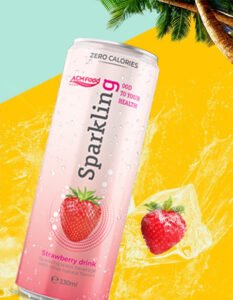
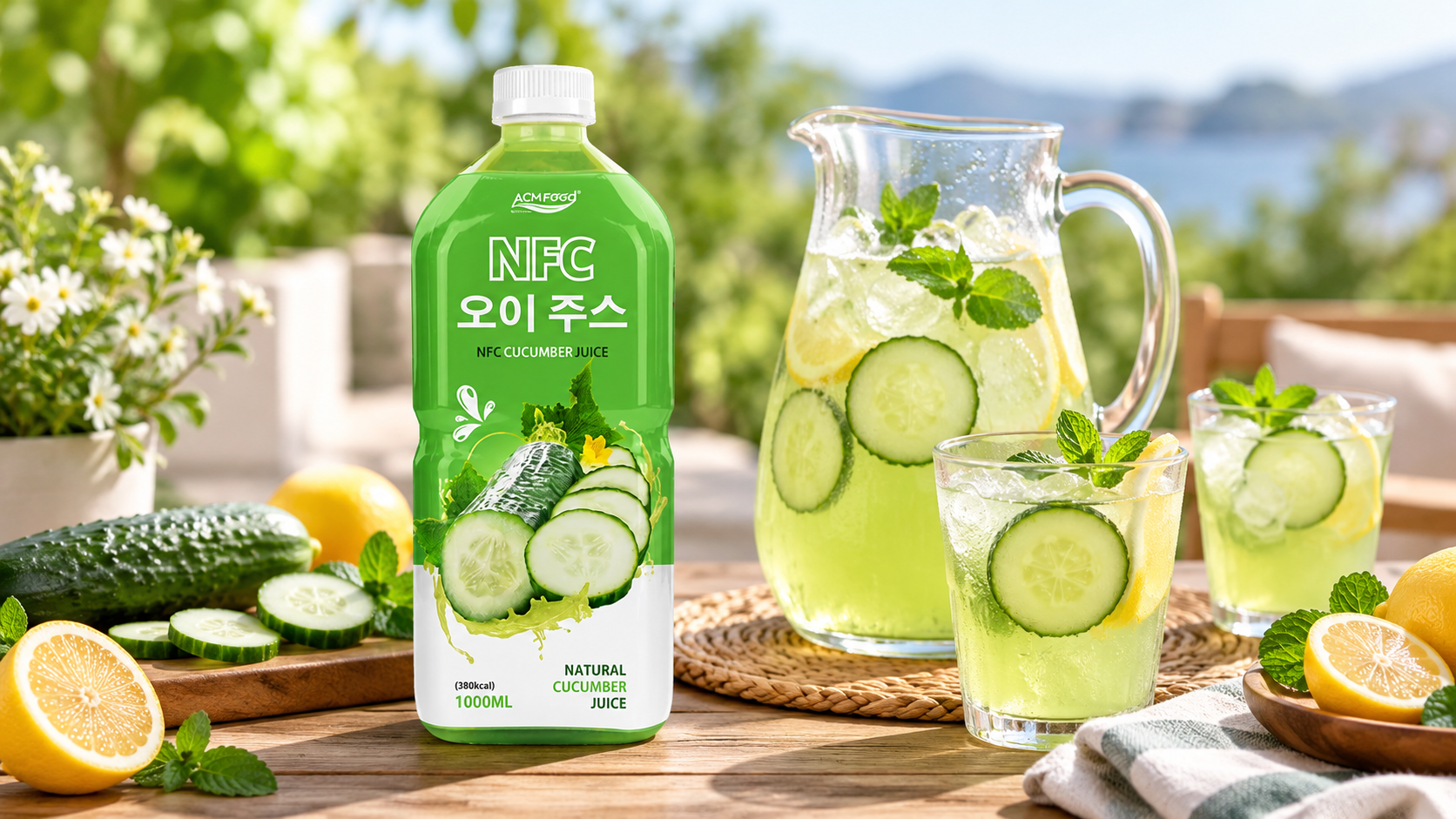
A lightly sparkling cucumber lemon drink is popular because carbonation sharpens the lemon and adds refreshment. It also changes taste perception, so retest the recipe after carbonating, and make sure the pack is designed for pressure. For related ideas on a sparkling citrus style, see the article on lime sparkling juice formulation, which discusses sugar levels and carbonated citrus formats.
Which pack suits a cucumber lemon drink?
| Format | Strengths | Points to check |
|---|---|---|
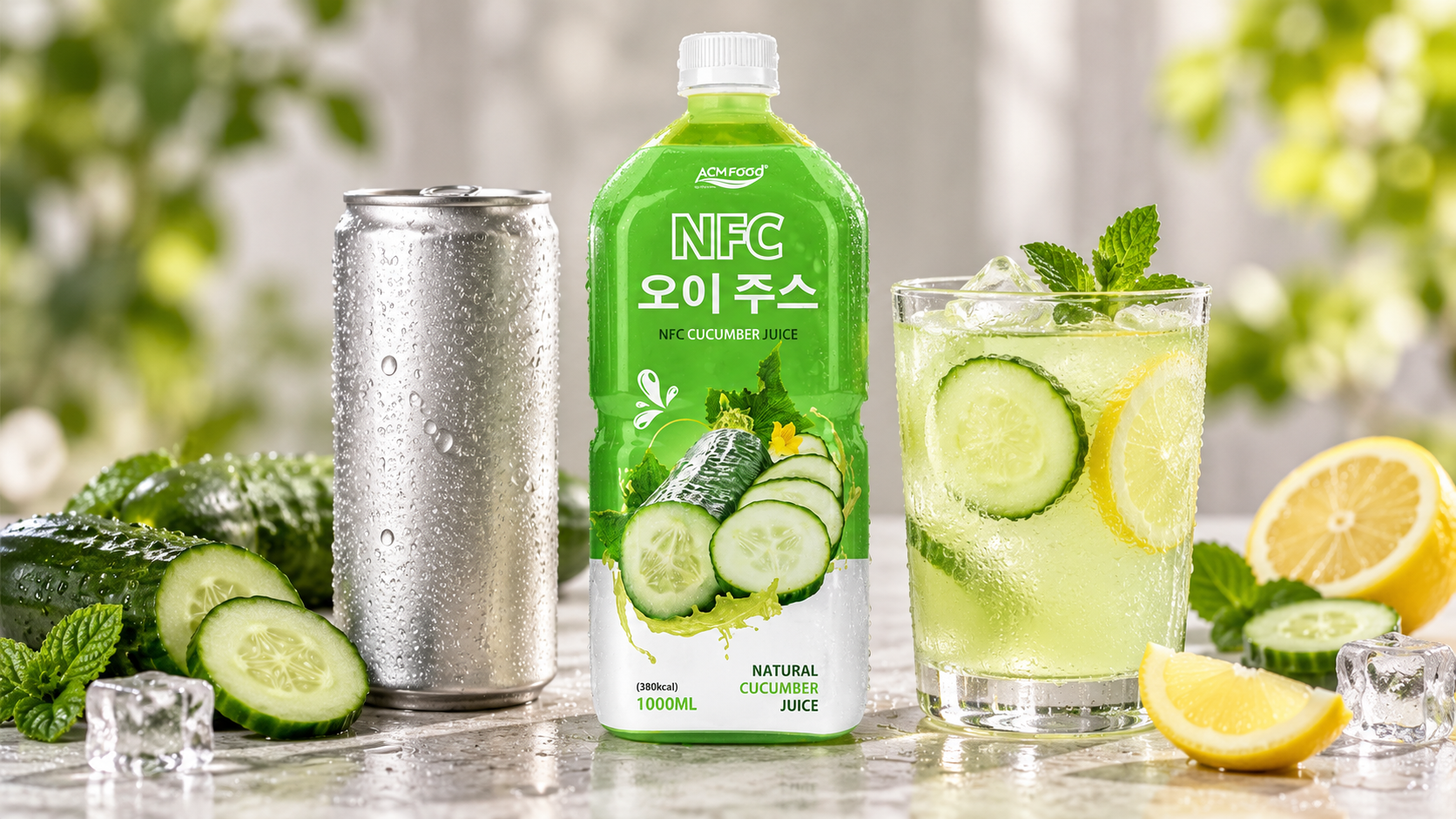
| Slim or sleek aluminium can | Opaque, ideal for sparkling, single-serve | Lining suitability for acidic drinks, pressure |
| Glass bottle | Shows pale colour, premium | Light exposure, weight, pressure rating if sparkling |
| PET bottle | Light, practical | Barrier needs, carbonation suitability |
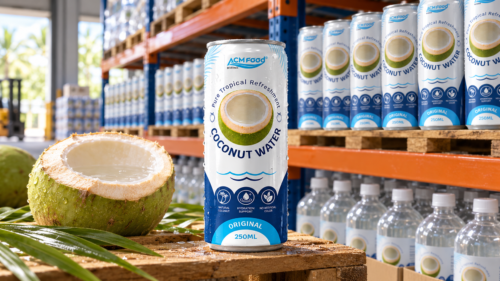
ACM Beverage supplies finished drinks in cans and bottles. For a clear, pale drink, a bottle shows the product, while a can protects colour and suits sparkling concepts.
How should you position it without health claims?
Describe taste, ingredients and the occasion, such as a light afternoon refresher. Avoid claims about detox, weight loss or hydration performance. Claims depend on tested values, the recipe and local rules, and they are best avoided unless you hold evidence and approval. For general background on lemon as an ingredient, see the article on lemon nutrition and what it can and cannot do, and for label wording see what organic juice means.
What should a product brief include?
- Concept: water, juice or both.
- Target cucumber and lemon strength in plain words.
- Sweetness: none, minimal or moderate.
- Still or sparkling.
- Clarity and colour target at the end of shelf life.
- Pack type and size.
- Target markets and labelling rules.
How do you run a development trial?
- Decide the concept: water or juice.
- Prepare a lemon series at the chosen cucumber level and taste chilled.
- Choose the best lemon level and test with and without a touch of sweetness.
- If sparkling, carbonate small samples and retaste.
- Check clarity and colour in clear glass and in the real pack.
- Store samples and re-evaluate over time.
- Approve a written reference and a physical reference sample.
Common mistakes with cucumber lemon drinks
- Presenting a water-style drink as if it were mostly cucumber juice.
- Using too much lemon and hiding the cucumber.
- Ignoring bitterness from peel or ends.
- Forgetting that carbonation changes taste.
- Choosing a process without checking the final pH.
Frequently asked questions
Is cucumber lemon water the same as cucumber juice?
No. Cucumber lemon water is a light drink with a subtle taste, while cucumber juice has a higher share of pressed cucumber and a fuller, greener taste.
Why does the drink taste flat?
Cucumber is mild and thin. A little more lemon or a small touch of sweetness often helps, but check how it changes the concept.
Can it be sold in cans?
Yes. Cans protect colour and suit sparkling versions. The lining must suit an acidic drink, and the process must be confirmed for the formula.
Summary
Cucumber lemon is a simple pairing with a surprising number of decisions behind it: water or juice, still or sparkling, clear or cloudy, with or without sweetness. Choose the concept first, then the lemon level and the process. If you are planning a finished cucumber lemon drink for your own label, ACM Beverage can discuss can and bottle formats and recipe options once you share your brief.