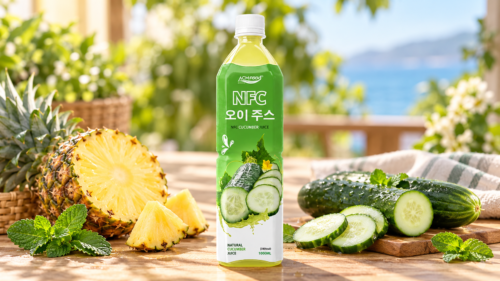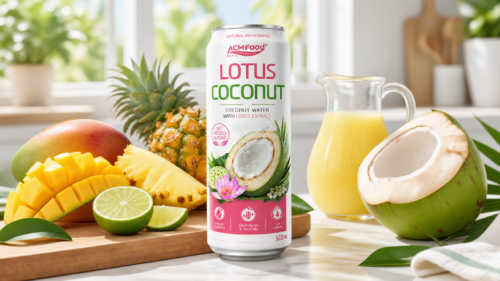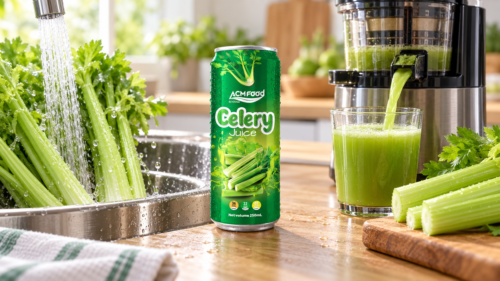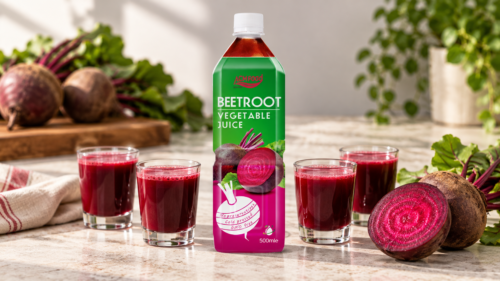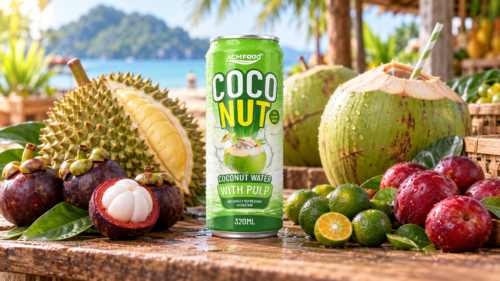

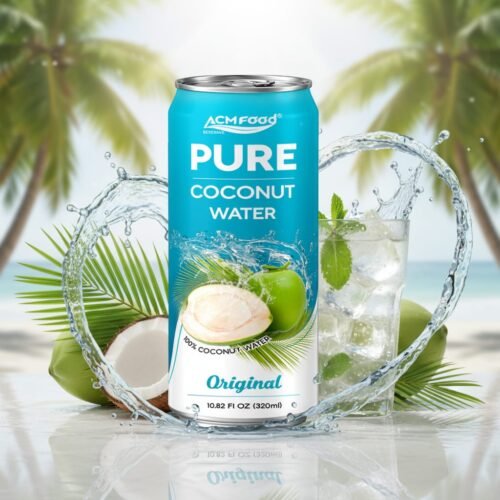

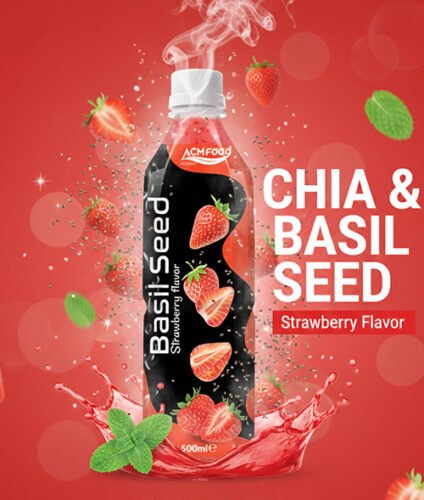
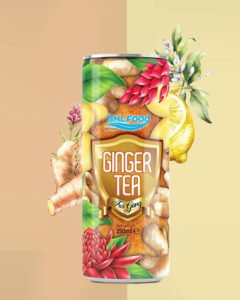
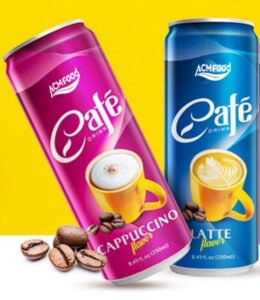
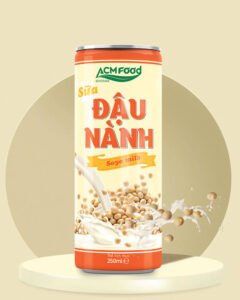
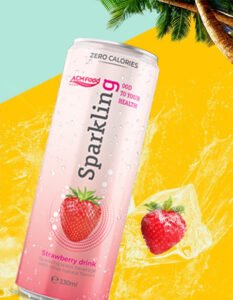
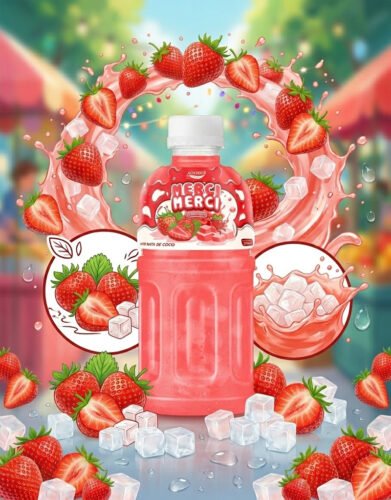
Beverage products and packaging for convenience retail answer a different question than a supermarket listing does. A convenience store shopper is usually buying for immediate consumption within minutes of leaving the store, not for a household stock-up, which changes what actually sells: single-serve formats, instantly readable positioning, and a flavour or functional benefit that can be understood in the few seconds it takes to grab a can from a cooler.
This guide sets out the product and packaging decisions that matter most for the convenience channel specifically, and how they differ from the planning that goes into a general grocery retail listing.
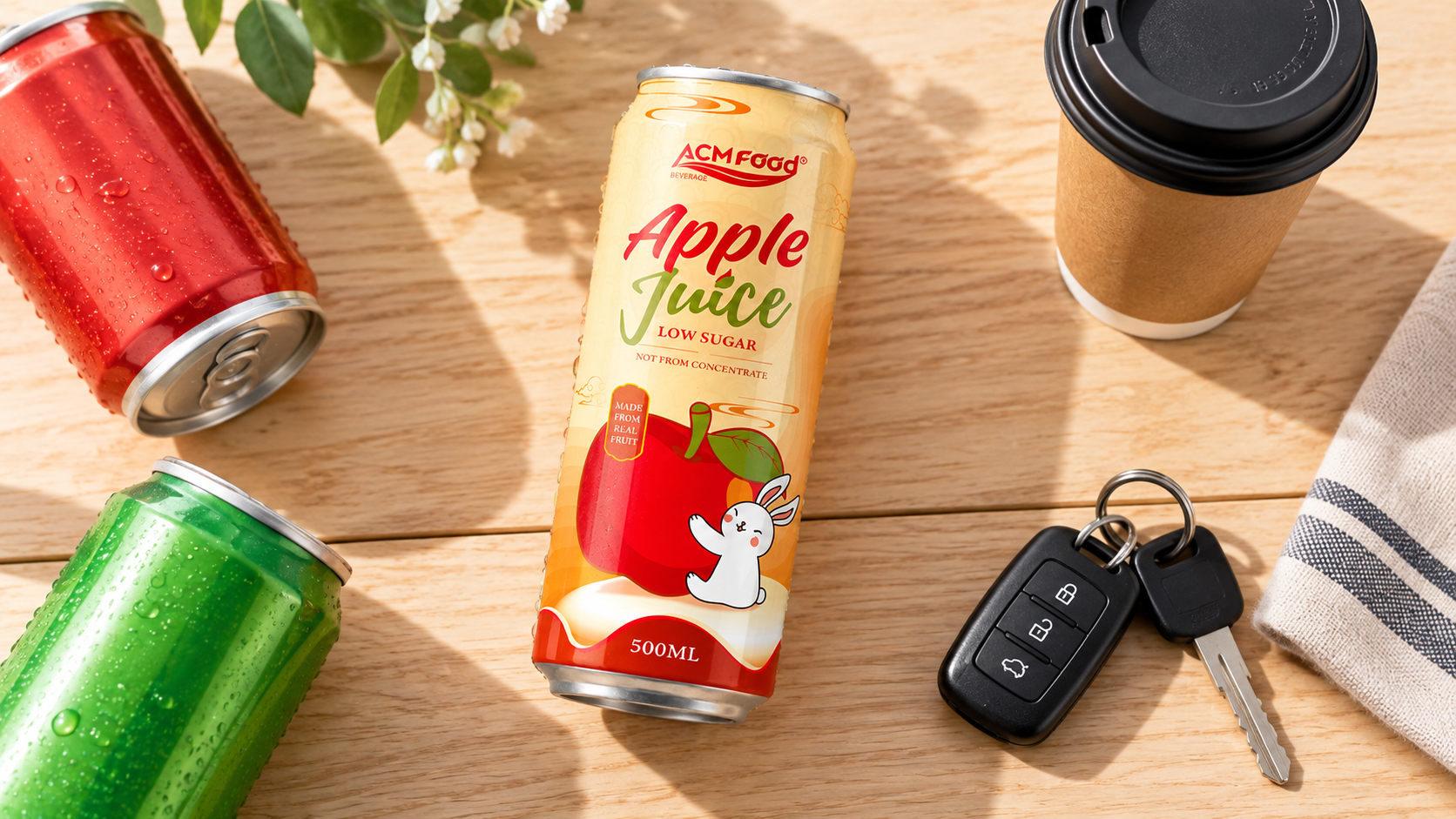
Why convenience retail is a different buying occasion
A supermarket shopper plans a purchase against a household need and has time to compare several products before deciding. A convenience store shopper is typically making a fast, single-item decision tied to an immediate need: thirst, a short energy lift, or a quick pick-up on the way somewhere else. This shifts the product decisions that matter most away from comparison-friendly features like ingredient lists and pack size options, and toward format speed, cooler visibility and an instantly clear reason to choose one product over the one next to it.
Single-serve format is close to a requirement in this channel rather than one option among several, since a shopper buying for immediate consumption has little reason to choose a multipack over a single can at a comparable price. A product line built primarily around larger multipack formats, without a single-serve entry point, is starting from a disadvantage in convenience specifically, even where that same multipack performs well in grocery.
Cooler space and shelf-life turnover
Convenience stores generally operate with limited cooler and shelf space relative to a supermarket, which means every listed product has to justify its space through turnover rate rather than category completeness. A slower-moving product is more likely to be delisted in this channel than in grocery, where a retailer can afford to carry a broader, slower-turning range across more shelf footage.
| Consideration | What it means for a convenience-bound product |
|---|---|
| Format | Single-serve is close to a requirement; multipack plays a secondary role |
| Purchase occasion | Immediate consumption, not household stock-up |
| Cooler space | Limited and turnover-driven; slower movers get delisted quickly |
| Positioning clarity | Benefit needs to read in seconds, not on close label inspection |
| Price point | Sits at a premium relative to the same size in grocery, reflecting convenience |
This turnover pressure is why a convenience-focused product benefits from a flavour or functional positioning that is already well understood rather than one that needs explanation. A shopper deciding in seconds is more likely to reach for a familiar category with a distinctive twist than for something that requires reading the full label to understand.
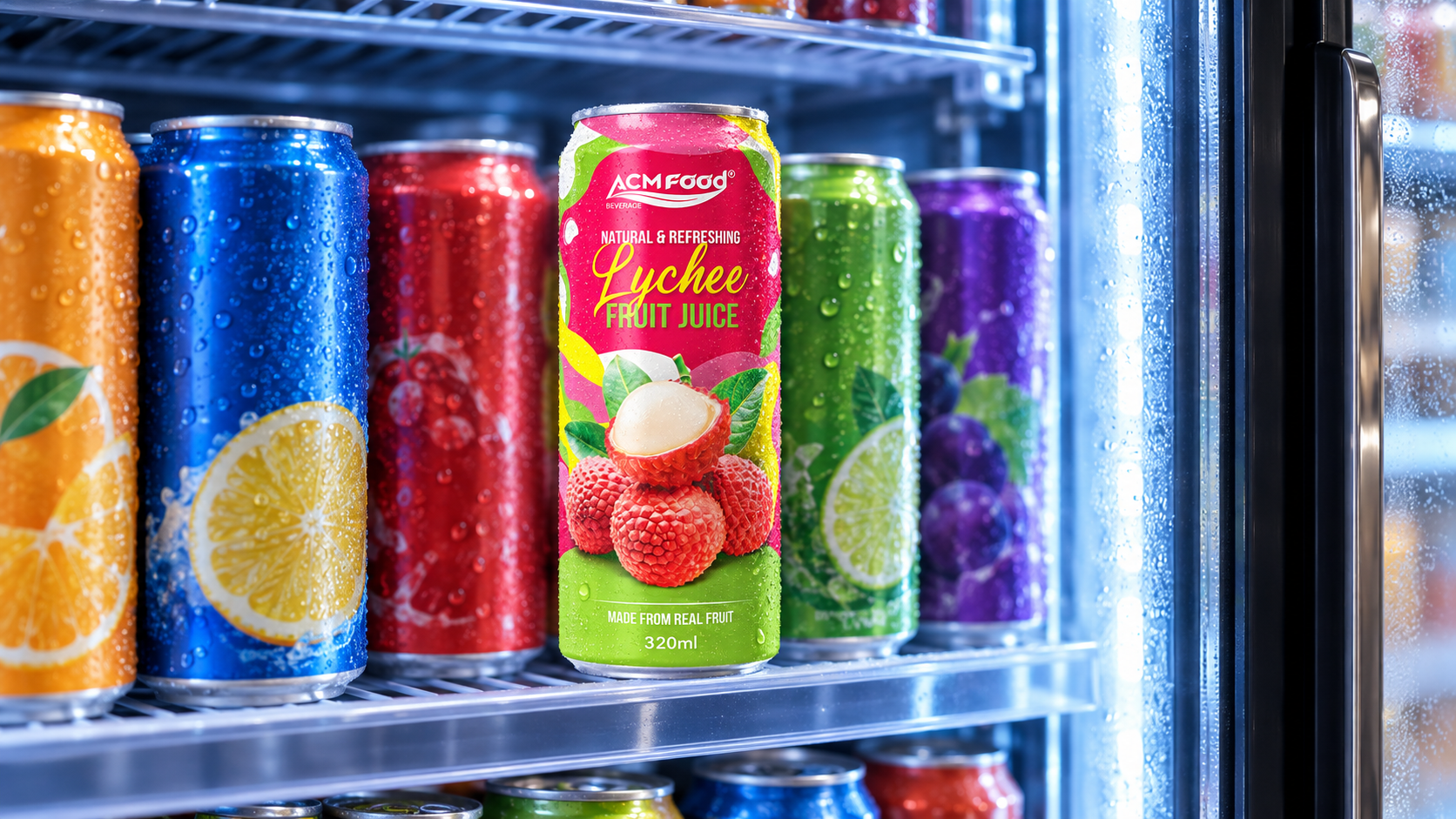
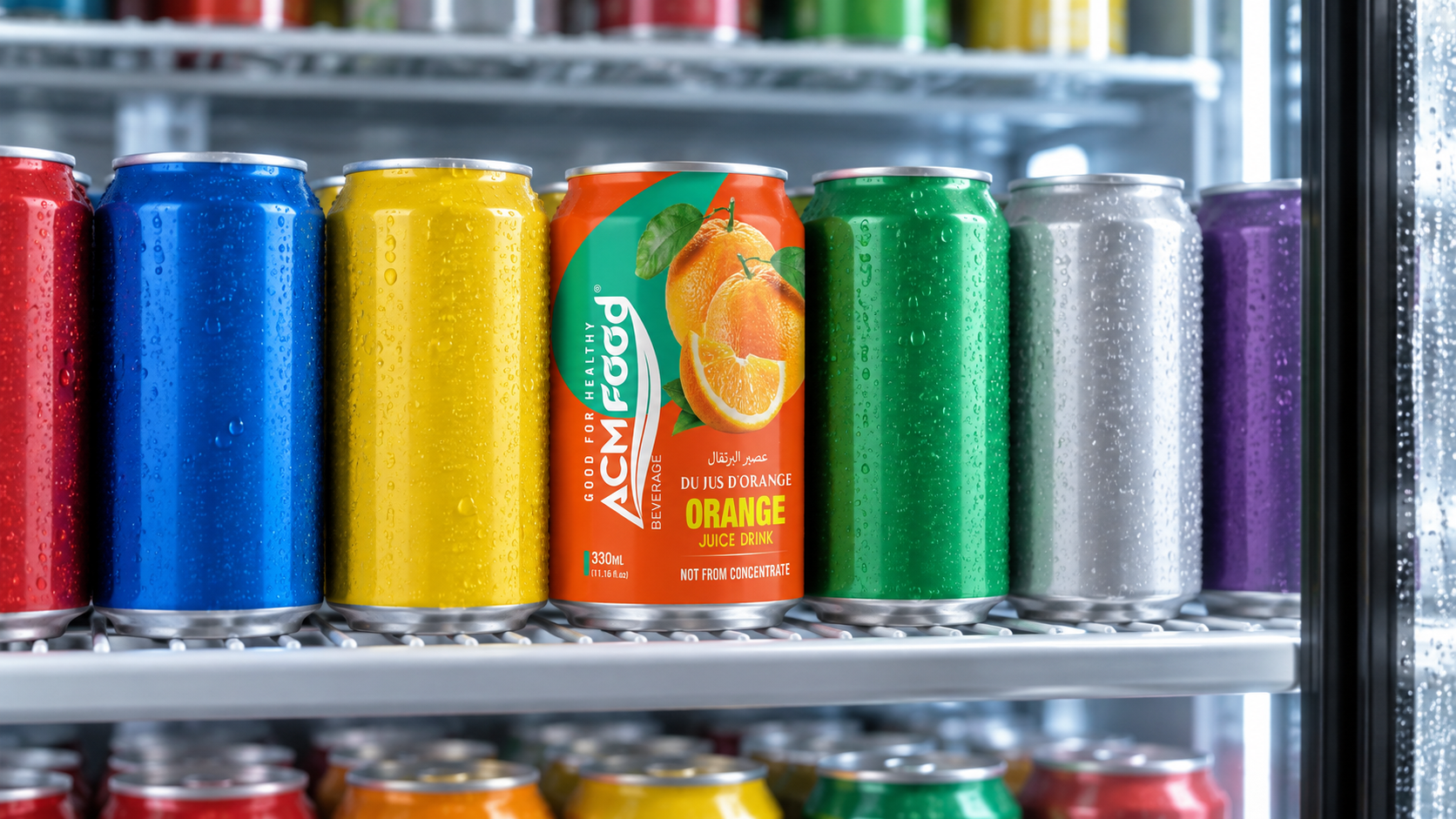
Facing and visibility inside a cooler door also matter more in this channel than in a wider supermarket aisle, since a convenience cooler is typically viewed head-on at close range rather than browsed along a longer run of shelf. A can design that reads clearly at that viewing distance and angle, with its core benefit legible without tilting the head or picking the product up, has a real advantage over one designed primarily to be viewed on a flat supermarket shelf from a greater distance. This is worth testing with an actual mock-up placed in a cooler-style fixture during development, rather than assessed only from a flat rendering, since the two viewing conditions can make the same design read very differently.
Functional and better-for-you positioning at speed
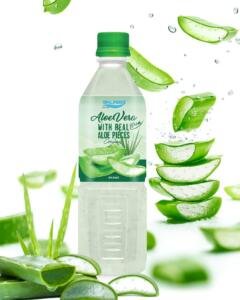
Functional and health-positioned beverages have grown into a meaningful share of convenience cooler space, and the category rewards a benefit that reads instantly: hydration, a lower sugar position, or a recognisable functional ingredient. A product such as aloe vera juice built around functional positioning works well in this context because the ingredient itself signals the benefit without requiring an elaborate claim to be read and processed at speed. A pairing such as aloe vera and blueberry for functional hydration extends the same principle, combining a recognisable functional base with a familiar fruit note that needs no further explanation on a cooler door.
Lower sugar positioning follows the same logic in this channel. A product such as low sugar mango juice communicates its position through a short, clear label claim that a shopper can register while reaching into the cooler, which matters more here than in a channel where the shopper has time to read a full nutrition panel before deciding.
Flavour choice for an impulse decision
Flavour selection for convenience retail benefits from prioritising instant recognisability over novelty, since a shopper making a fast decision is more likely to choose a flavour they already know they like than to experiment. A tropical, fruit-forward option such as passion fruit juice works well here because passion fruit is broadly familiar in most markets while still carrying more distinctiveness than a generic citrus or apple option, giving the shopper both familiarity and a small point of difference.
Where a brand wants to introduce a genuinely novel flavour into the convenience channel, pairing it with a familiar, well-understood base tends to perform better than launching the novel flavour alone, for the same reason single-note recognisable flavours generally outperform complex ones in this channel: the shopper has seconds, not minutes, to evaluate the choice.
A functional twist on a familiar fruit base can extend a flavour’s shelf life within the range without requiring a second, entirely separate flavour development. A product built around a fruit such as peach, with a lower sugar position added to an already-recognised profile, gives a convenience buyer a reason to list a second SKU alongside the standard version without asking the shopper to learn an unfamiliar new flavour at the same time as evaluating a health-positioned claim. This layering approach, adding one new dimension to an already-proven flavour rather than changing several variables at once, tends to be the lower-risk way to expand a convenience-focused range once the lead flavour has already proven itself.
Building a convenience-ready product brief
Five inputs shape a product concept that fits the speed and space constraints of convenience retail specifically.
- Single-serve format as the lead SKU. Build the primary listing around a single-serve pack, with multipack as a secondary option rather than the lead format.
- Instant positioning clarity. The core benefit, whether flavour, function or sugar position, needs to read in the few seconds of a cooler-door decision.
- Turnover-focused flavour choice. Favour familiar, fast-recognition flavours over novel ones that require explanation.
- Cooler and shelf footprint. Confirm the can or bottle dimensions suit standard convenience cooler shelving, which is often tighter than supermarket refrigeration.
- Price point for the channel. Set pricing against convenience channel expectations, which typically carry a premium over the same format in grocery.
Common mistakes brands make entering convenience retail
A consistent set of avoidable errors accounts for much of the friction brands encounter when trying to list into the convenience channel for the first time.
- Leading with a multipack format. A product line without a genuine single-serve lead SKU is a harder fit for a channel built around single-item, immediate-consumption purchases.
- Choosing a flavour that needs explanation. A distinctive but unfamiliar flavour that performs well with time to consider it can underperform in a channel where the purchase decision happens in seconds.
- Underestimating cooler space competition. A slower-turning product is more likely to be delisted in convenience than in grocery, so turnover rate needs to be a real consideration from the brief stage, not an afterthought.
- Copying a grocery-channel pack design without adjustment. A label built for a supermarket shelf, where a shopper has time to read it closely, does not always communicate its benefit fast enough for a convenience cooler-door decision.
Each of these is a channel-fit error rather than a product quality issue, and each is avoidable by building the brief around the specific speed and space constraints of convenience retail from the outset. A brand that has already listed successfully in grocery should treat a convenience entry as its own project with its own brief, rather than assuming the grocery listing can simply be repackaged into a smaller can.
Frequently asked questions
Does a product need a separate format for convenience versus grocery retail?
Often yes, at least in terms of which format leads the range. A brand can sell the same recipe across both channels, but the convenience channel generally needs a genuine single-serve lead SKU even where the grocery listing is built around a multipack.
Is functional positioning worth the extra formulation cost for a convenience launch?
It can be, provided the functional benefit is genuinely simple to communicate at speed. A functional claim that requires explanation is a weaker fit for this channel than one built around an already-recognised ingredient, so the formulation and the label claim should be planned together with that constraint in mind.
How important is turnover rate compared with margin in convenience listings?
Turnover rate is often weighed as heavily as margin in a convenience buyer’s decision, since limited cooler space means a slower-moving product occupies space that could carry a faster-turning one. A brand entering this channel should expect turnover performance to be reviewed early and be ready to demonstrate it.
Can the same label work for both convenience and supermarket channels?
Sometimes, particularly where the core positioning is already simple and fast to read. Where a label relies on detail that only registers with a closer look, a convenience-specific adjustment that foregrounds the single clearest benefit is often worth the additional design step.
How many flavour variants should a convenience-focused range launch with?
A narrower range at launch, often one or two flavours, tends to perform better in this channel than a wide range spread across several unproven variants, since limited cooler space rewards a small number of strong, fast-turning SKUs over a broader assortment competing for the same shelf. Additional flavours can be added once the lead SKU has demonstrated turnover, using that sales data to guide which direction to expand into next.
Does private label make sense for a convenience-channel launch?
It can, particularly for a retailer or distributor already active in the channel who wants a fast route to a competitively priced single-serve product. Starting from an existing formula suited to convenience retail’s speed and cooler-visibility requirements is generally faster than developing a new recipe specifically for this channel from scratch.
Starting a convenience-focused product brief
A beverage built for convenience retail performs best when the format, the flavour and the positioning are all built around a fast, single-item purchase decision rather than adapted from a plan designed for supermarket browsing.
ACM Beverage develops and supplies beverage products against these convenience channel requirements and can advise on format and positioning choices before a first order is placed. Reach out through the enquiry and contact page with the target channel and format in mind to start that conversation.