
Functional beverage products cover a wide and genuinely quite varied landscape, spanning hydration and energy through to prebiotic and vitamin-fortified drinks, and treating “functional” as a single category to enter is where many first-time briefs go wrong. Each functional direction targets a genuinely different consumption occasion, carries different formulation requirements, and appeals to a different segment of a health-conscious shopper base, so the real decision is not whether to go functional at all but which specific functional direction actually fits the brand’s target consumer and occasion best.
This guide sets out how to think through that choice carefully, the main functional directions currently available, and the format and claim decisions that reasonably follow once a direction is chosen.
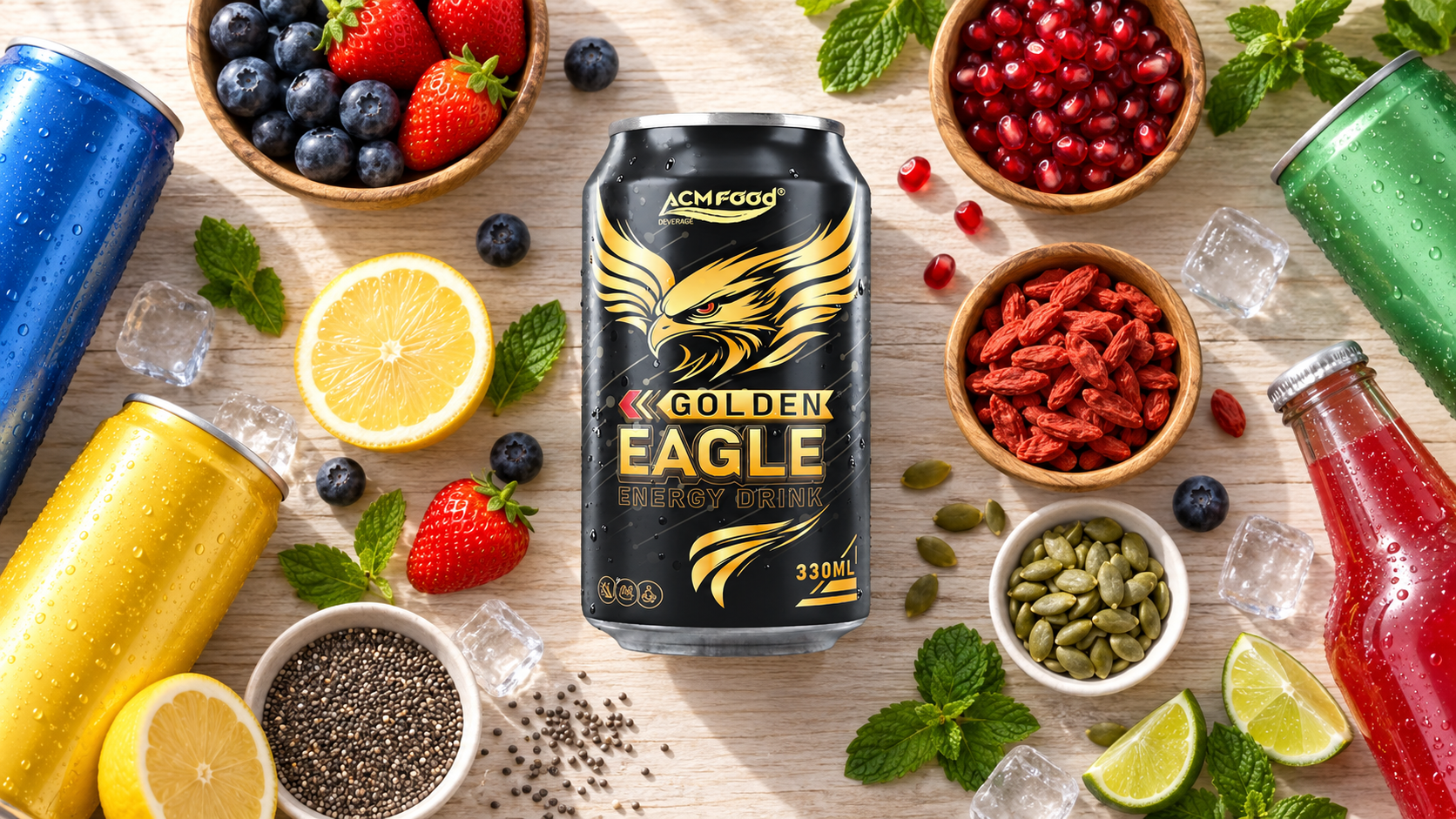
Why “functional” is not a single category
A functional beverage is defined by carrying some benefit beyond basic hydration or taste, but that umbrella covers genuinely distinct product types with little in common beyond the word itself. A hydration-positioned electrolyte drink, an energy drink built around caffeine, a gut-health drink built around prebiotic fiber, and a vitamin-fortified juice all sit under “functional,” yet they target different occasions, different shoppers, and require entirely different formulation expertise to execute well.
This is why a functional beverage brief needs to name a specific direction early, rather than starting from “we want to make a functional drink” and hoping the direction emerges during development. A vague functional brief tends to produce a vague product, one that carries a functional claim without a clear sense of which shopper it is actually meant to serve or which occasion it is meant to fit.
The word “functional” itself has also become something of a catch-all marketing term over the past several years, applied to products with genuinely substantiated benefits and to products with only a loosely justified claim alike. This makes it worth being precise internally about what a specific product’s functional claim actually rests on, whether that is a well-documented nutrient, a whole ingredient with an established nutritional profile, or a more exploratory wellness ingredient with less formal evidence behind it, since that precision shapes both the claim language a brand can safely use and how the product should be positioned relative to more rigorously substantiated competitors in the same functional space.
Matching a functional direction to occasion and shopper
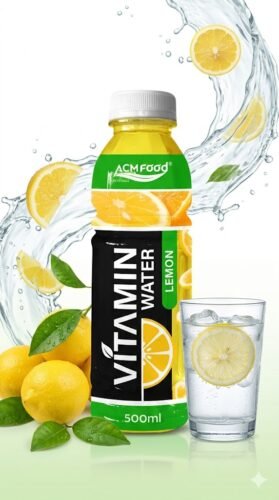
Each major functional direction answers a genuinely different consumer need, and starting from that specific need, rather than from a trending ingredient, tends to produce a considerably more coherent finished product. Hydration-focused products serve a post-exercise or hot-climate replenishment occasion. Energy products serve a fatigue or alertness need, often tied to a specific time of day. Gut-health and prebiotic products serve an ongoing wellness routine rather than an immediate occasion. Vitamin-fortified products often serve a general health-insurance mindset, a shopper wanting a simple way to cover a nutritional gap.
| Functional direction | Primary consumer occasion |
|---|---|
| Hydration and electrolyte | Post-exercise or hot-climate replenishment |
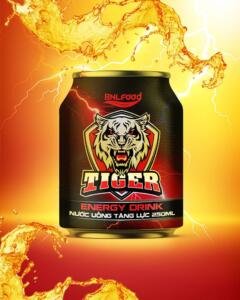
| Energy | Fatigue or alertness need, often time-of-day specific |
| Gut health and prebiotic | Ongoing wellness routine rather than an immediate need |
| Vitamin fortification | General nutritional coverage or health-insurance mindset |
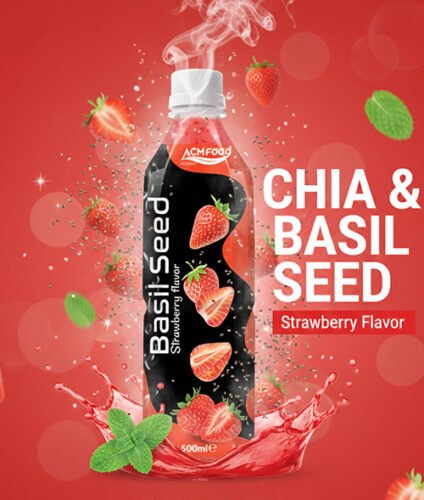
| Antioxidant and superfruit | Preventative wellness positioning tied to a specific fruit story |
A brand choosing a direction based on which occasion its target shopper actually experiences most often, rather than which ingredient is currently trending, tends to build a more durable product, since the occasion-based need does not shift with a passing trend cycle the way an ingredient’s popularity can.
Testing this fit before committing to a full development timeline is worth the extra step. A short conversation with a small group of the intended target shoppers about when and why they would reach for a functional drink in the proposed direction can reveal whether the occasion assumption actually holds, before a brand invests in formulation, packaging and claim substantiation work built around a mismatched premise. This kind of early validation is inexpensive relative to the cost of discovering the mismatch only after a first production run has already reached shelf.
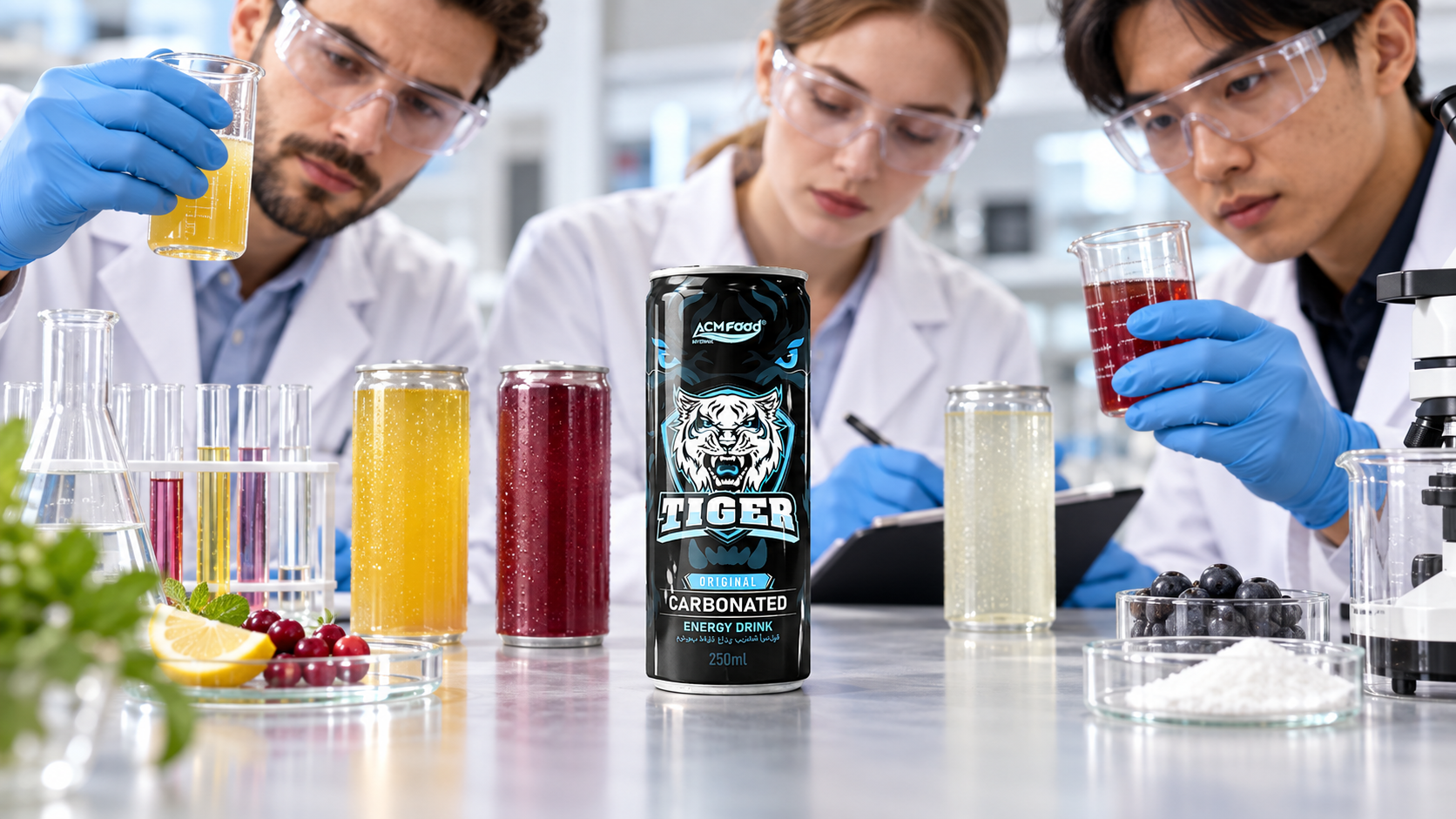
Ingredient-led versus process-led functional claims
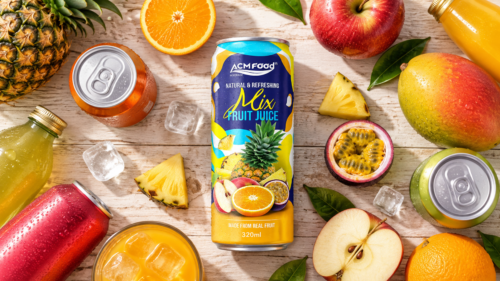
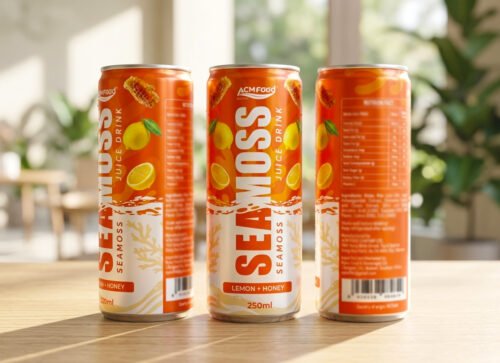
Some functional positioning comes from a specific added ingredient, a vitamin, a prebiotic fiber, an electrolyte blend, while other functional positioning comes from the base ingredient’s inherent properties without anything specifically added. A tropical fruit combination such as a guava juice with nata de coco inclusion illustrates the ingredient-inherent approach, where the fruit and inclusion themselves carry the functional and textural interest without a separately dosed functional additive. An orange and coconut cream blend follows a similar logic, building its functional appeal from the inherent richness and nutritional profile of its named ingredients rather than a fortification step layered on top.
This distinction matters for development complexity. An ingredient-inherent functional product is often simpler to formulate and substantiate, since the claim rests on well-understood properties of a named whole ingredient, while an added-ingredient functional product, such as a vitamin or prebiotic fortification, typically requires more technical work around stability, dosing and claim substantiation.
It also matters for how a brand tells its story to a shopper. An ingredient-inherent product can lean on a simple, recognisable narrative, this fruit or ingredient naturally does this, which tends to be easy for a shopper to grasp quickly and to trust without much explanation. An added-ingredient product often needs to do more communication work, explaining what the added component is, why it was included at its specific level, and what benefit it is meant to deliver, since the connection between the ingredient and the claim is less immediately intuitive to a shopper encountering it for the first time. Neither approach is wrong, but a brand should be honest with itself about how much of this communication work it is prepared to do well before committing to the more complex route.
Format considerations across functional directions
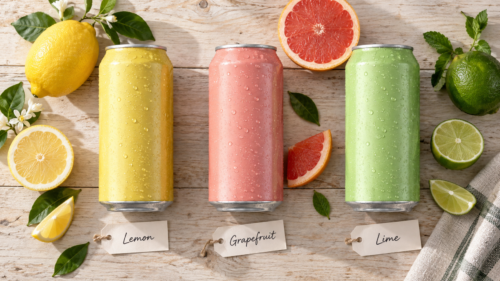
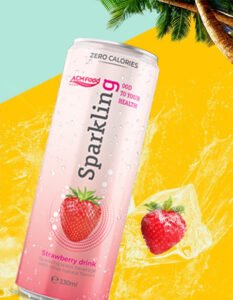
Carbonated and sparkling formats work well across most functional directions, since carbonation adds a refreshment quality that pairs naturally with a hydration or energy occasion specifically. A lime sparkling drink shows how a clean, functional-adjacent flavor profile performs well in a carbonated format, a pattern that extends reasonably well across several functional categories beyond citrus specifically.
Building a functional beverage product brief
Five inputs help a brand choose and develop a functional direction deliberately.
- Target consumer occasion. Name the specific moment or need the product is meant to serve, rather than a general wellness positioning.
- Functional direction. Choose one clear direction, hydration, energy, gut health, vitamin fortification or another, rather than blending several at once.
- Ingredient-led or added-ingredient approach. Decide whether the functional claim will rest on a whole ingredient’s inherent properties or a specifically dosed additive.
- Development route. Consider whether beverage product customization of an existing base, a custom beverage formula, or a private label formula best fits the timeline and budget.
- Claim substantiation plan. Confirm what evidence and regulatory basis will support the intended functional claim in the target market.
Common mistakes in functional beverage development
A consistent set of avoidable errors accounts for much of the friction brands encounter when approaching this category.
- Starting from a trending ingredient rather than a consumer occasion. A product built around a fashionable ingredient without a clear occasion often struggles to find a consistent, repeat-purchase audience.
- Blending too many functional directions into one product. A drink trying to be hydrating, energising and gut-healthy at once often communicates none of those benefits clearly to the shopper.
- Underestimating added-ingredient formulation complexity. Assuming a fortification-based functional claim is as simple to execute as an ingredient-inherent one can lead to unplanned stability and substantiation work.
- Choosing a functional direction the target shopper does not actually experience often. A product solving a need the target audience rarely has struggles regardless of formulation quality.
Each of these is avoidable by starting the brief from the target consumer’s actual occasion and need, then working carefully backward to the functional direction and formulation approach that genuinely serves it well, rather than starting from an ingredient and working forward toward a justification for including it.
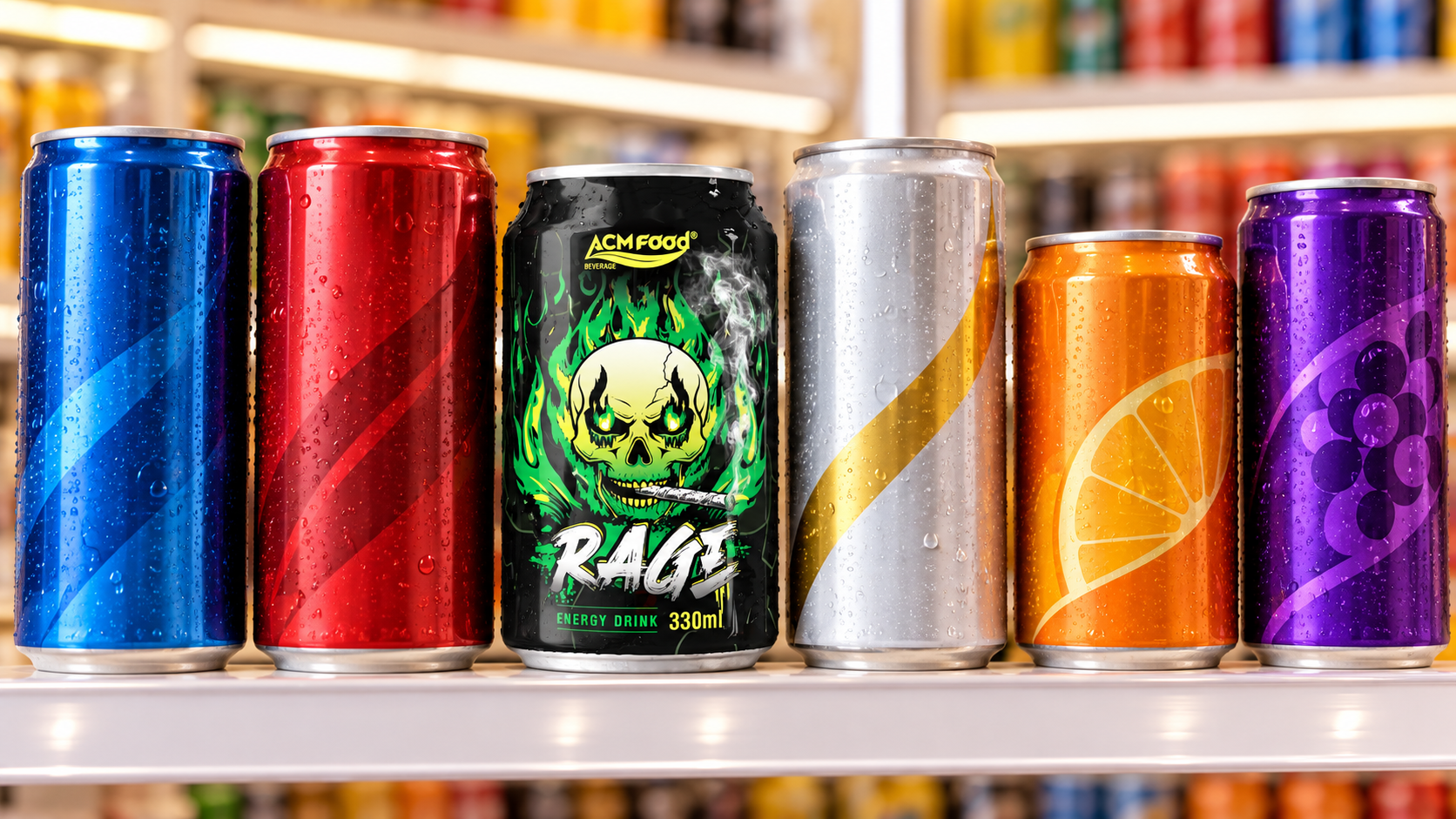
Frequently asked questions
Can a single product combine more than one functional direction?
It can, but this generally works best when the two directions are naturally complementary and the product still communicates one clear primary benefit, rather than trying to be equally strong across several unrelated functional claims at once.
Is an ingredient-led functional claim easier to bring to market than an added-ingredient one?
Generally yes, since it rests on the well-understood properties of a named whole ingredient rather than requiring the stability, dosing and substantiation work an added functional ingredient typically needs. This makes it a reasonable starting point for a brand new to functional beverage development.
How important is packaging in a functional beverage’s positioning?
Quite important, since packaging cues, colour, format and label language all help a shopper quickly identify which functional direction a product serves. A hydration product and an energy product often use visually distinct packaging conventions specifically because they are targeting different occasions and different shopper expectations.
Should a brand’s first functional product be simple or ambitious?
Simple is generally the safer starting point, particularly an ingredient-led product with a clear, single occasion, since it is faster to develop and easier for a shopper to understand without an established brand relationship to draw on. A more ambitious, multi-benefit product can follow once the brand has proven its first functional direction in market.
How should a brand decide between developing a new functional formula and starting from private label?
This largely comes down to timeline, budget and how differentiated the brand wants its first product to be. Private label offers a faster, lower-cost route to market using an already-proven formula, while a custom development takes longer and costs more but allows the functional direction and flavor to be tailored specifically to the brand’s positioning from the outset.
Is consumer testing necessary before committing to a functional direction?
It is strongly advisable, even if only informal. A short round of conversations or tasting sessions with people who resemble the target shopper can reveal whether the proposed occasion and functional direction genuinely resonate, well before the brand commits significant budget to formulation, packaging and claim substantiation work.
Starting a functional beverage product brief
A functional beverage product works best when it starts from a specific consumer occasion and a single clear functional direction, rather than from a trending ingredient or an attempt to serve several benefits at once.
ACM Beverage develops functional beverage products across hydration, energy, gut health, vitamin and antioxidant directions, and can advise on which approach best fits a specific brand, budget and target consumer. Reach out through the enquiry and contact page with the target occasion, shopper and development timeline in mind to start that conversation, and naming the specific occasion first generally leads to a more focused and productive first discussion than starting from a functional ingredient alone.