
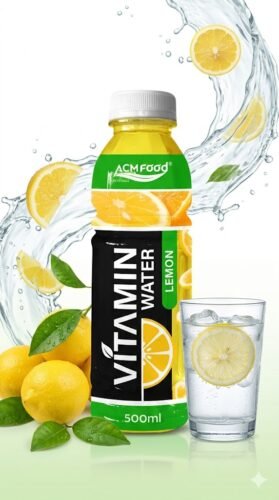
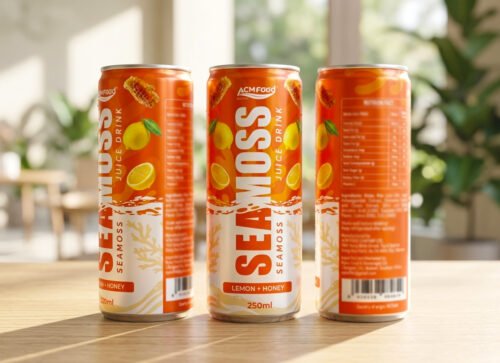
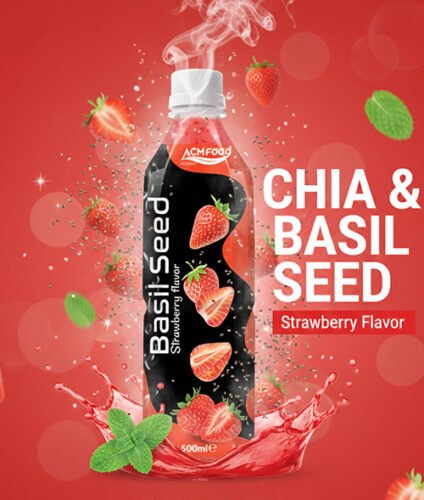
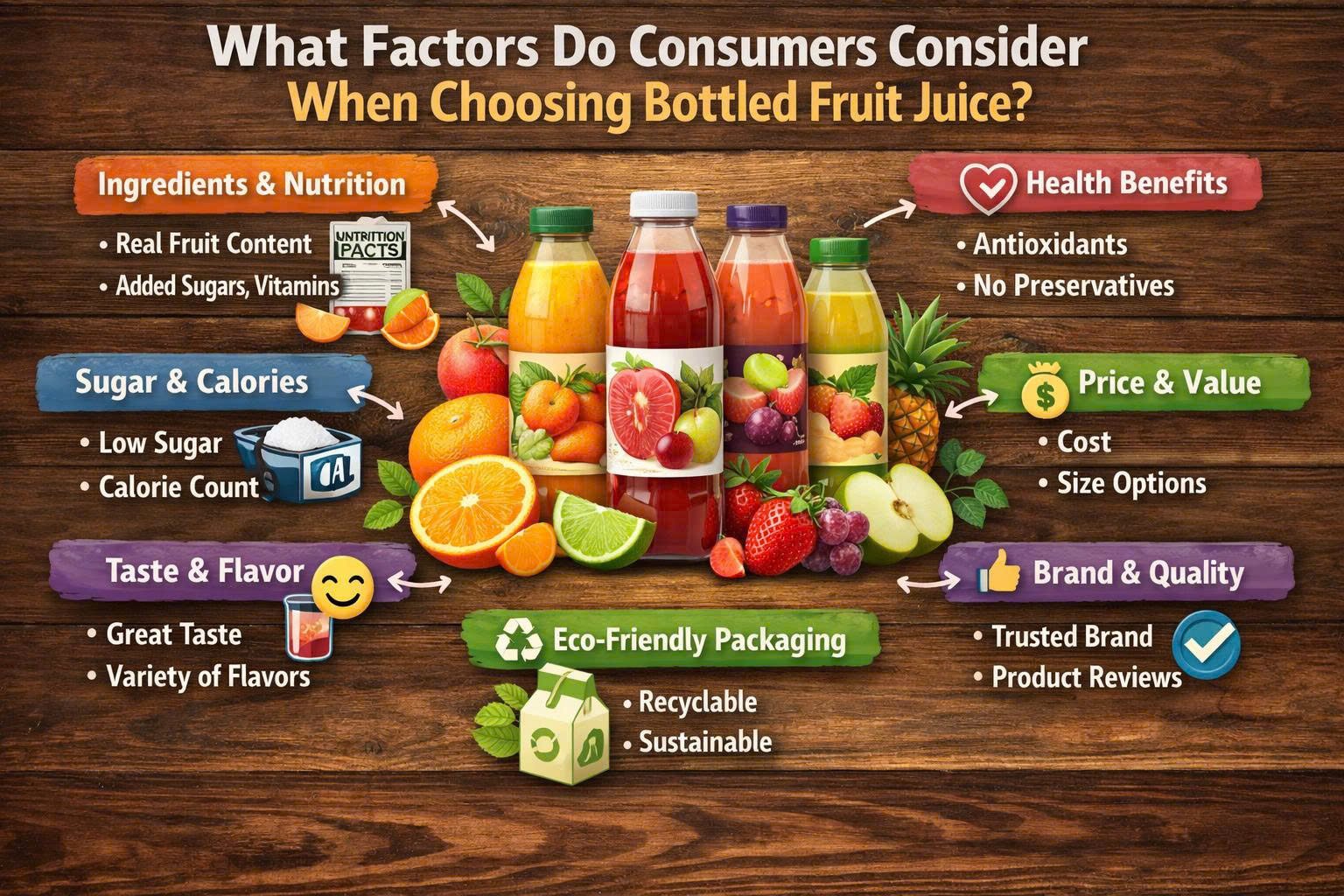
Consumers choose bottled fruit juice on eight main factors: sugar content, juice percentage, ingredient list, taste, brand trust, price per litre, packaging and sustainability. For brands, the practical lesson is that a clear “100% juice” or declared juice figure and a short ingredient list do more than health claims.
Key facts at a glance
- Sugar is the first check for many shoppers; 100% orange juice has about 8.4 g per 100 ml, all natural.
- Juice percentage separates juice (100%), nectar (typically 25–50%) and juice drinks.
- Short ingredient lists build trust; long additive lists reduce it.
- Taste still decides repeat purchase, even for health-motivated buyers.
- Pack size and format depend on occasion: single-serve for on-the-go, 1 L for households.
The eight factors
| Factor | What consumers check | What it means for brands |
|---|---|---|
| 1. Sugar | Sugars per 100 ml; “no added sugar” | Keep sugar visible and moderate; avoid sugar-tax bands where possible |
| 2. Juice percentage | “100%”, NFC or from concentrate | Declare the figure clearly on the front |
| 3. Ingredients | Length of list, additives, colours | Remove what is not needed |
| 4. Taste | Authentic fruit flavour, balance | Test sensory quality at end of shelf life |
| 5. Brand trust | Familiar name, origin, certifications | Show origin and food-safety credentials |
| 6. Price and value | Price per litre, promotions | Match pack size to channel |
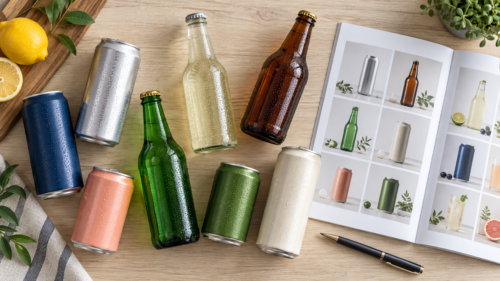
| 7. Packaging | Portability, resealing, appearance | Choose format by occasion |
| 8. Sustainability | Recyclable pack, sourcing | Use recyclable materials and state it |
1. Sugar and nutrition
Shoppers increasingly read the nutrition panel before anything else. Claims such as “100% juice” and “no added sugar” reassure, but informed buyers know that 100% juice still contains natural fruit sugar. Vitamin C is the most recognised benefit; fibre is largely absent from clear juices.
2. Juice percentage and processing
“Not from concentrate” (NFC) is often perceived as higher quality than juice from concentrate, although both are 100% juice. Nectars and juice drinks with lower fruit content are chosen mainly on price and taste. See NFC, concentrate and nectar explained.
3. Ingredients and transparency
Recognisable ingredients, a stated origin and processing method (such as NFC or cold-pressed) build confidence. Artificial colours, flavours and preservatives are common reasons to put a bottle back.
4. Taste and variety
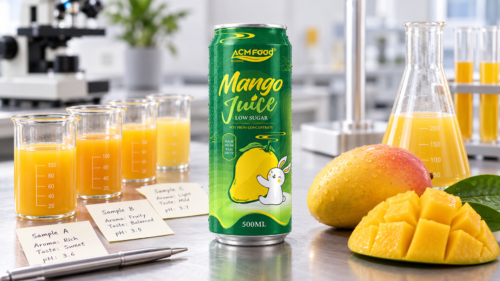
Orange and apple remain the volume leaders, but tropical flavours such as mango, passion fruit, guava and coconut are growing, especially in blends. A juice that tastes cooked or flat will not be bought twice, whatever its label says.
5. Brand trust
Established brands benefit from familiarity. Newer and private label brands build trust through visible origin, certifications and consistent quality. Retailer own-brands are widely accepted in juice, where many shoppers see little difference from branded products.
6. Price and value
Shoppers compare price per litre, not per bottle. Multi-packs and 1 L formats win on value; premium single-serve NFC juices justify their price through quality cues.
7. Packaging and convenience
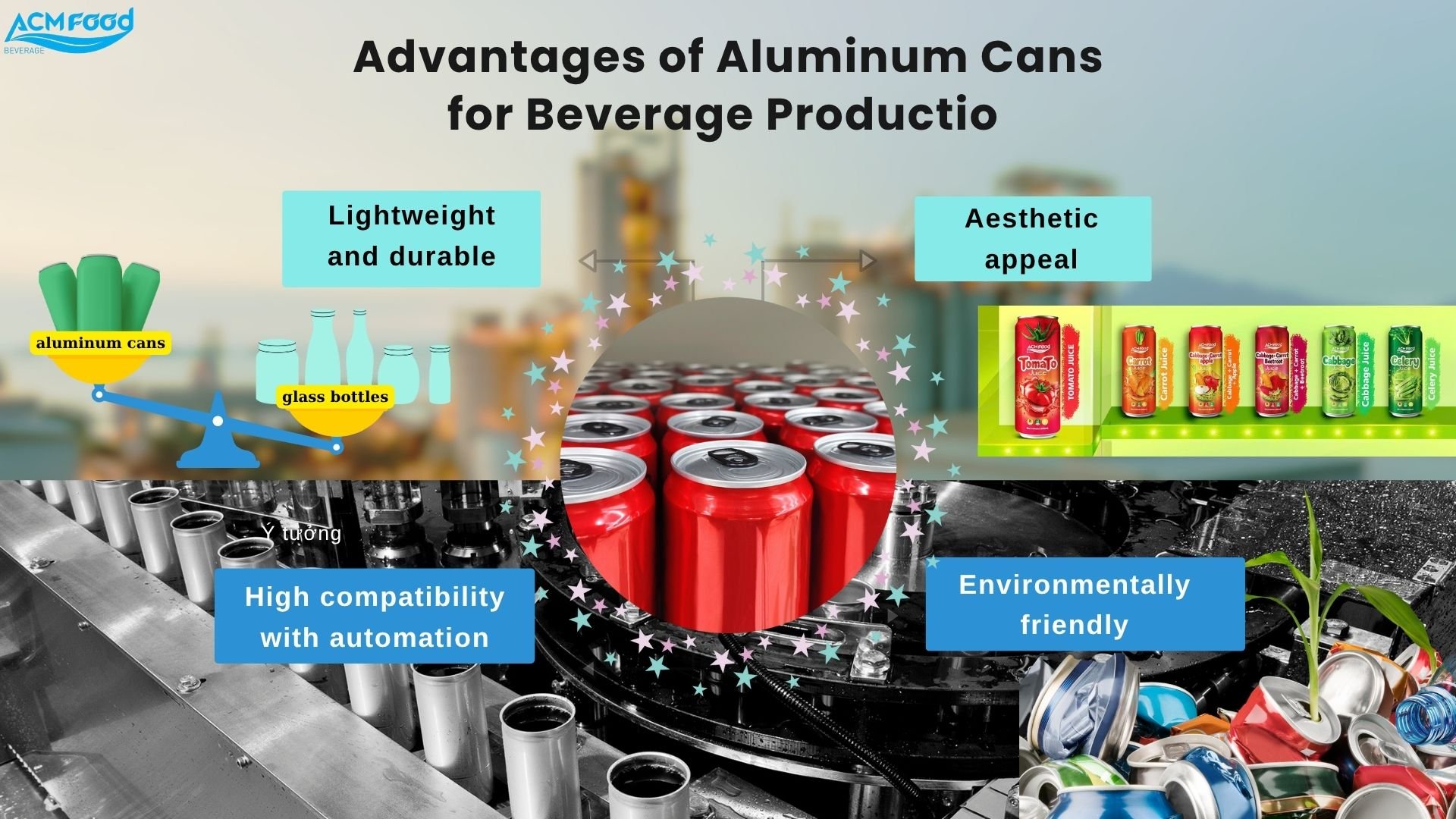
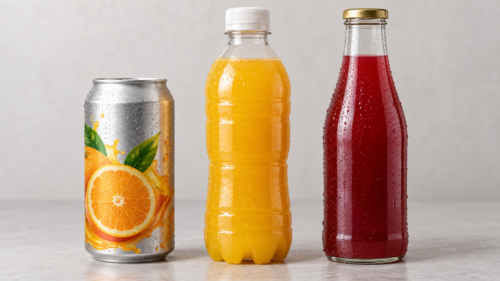
| Format | Strength | Weakness |
|---|---|---|
| PET bottle | Light, resealable, shows the product | Some oxygen and light exposure |
| Aluminium can | Full light and oxygen barrier, chills fast | Not resealable |
| Glass | Premium feel, inert | Heavy, breakable |
| Carton | Light, good barrier | Recycling varies by location |
8. Sustainability and ethics
Recyclable packaging, recycled content and responsible sourcing matter most to younger and higher-income shoppers. For some, they outweigh price or brand familiarity.
Frequently asked questions
What is the most important factor when choosing fruit juice?
For most health-conscious shoppers, sugar content and whether the product is 100% juice. For repeat purchase, taste matters most.
Is NFC juice better than juice from concentrate?
Both are 100% juice. NFC is never concentrated, which can preserve more fresh flavour; nutritionally the two are similar.
How can I tell if a juice has added sugar?
Check the ingredient list for sugar, syrups or honey. In the US, the nutrition panel shows “added sugars” separately.
Which packaging keeps juice fresh longest?
Cans, glass and aseptic cartons provide the best barrier against oxygen and light; standard PET provides less.
Do consumers trust private label juice?
Largely yes. Juice is a category where retailer brands are widely accepted, provided quality and labelling are clear.
Bottled juice from ACM Beverage
ACM Beverage manufactures bottled and canned fruit juices in Vietnam for OEM and private label customers. See the 500 ml passion fruit juice or the full fruit juice range. Related reading: beverage packaging customisation. To discuss a product, contact our export team.