




Ramadan is the ninth month of the Islamic lunar calendar, when Muslims fast from dawn to sunset for 29–30 days. Because the lunar year is about 11 days shorter than the solar year, Ramadan moves earlier each year. Ramadan 2027 is expected to begin around 8 February 2027, depending on the sighting of the new moon, and ends with Eid al-Fitr.
What is Ramadan?
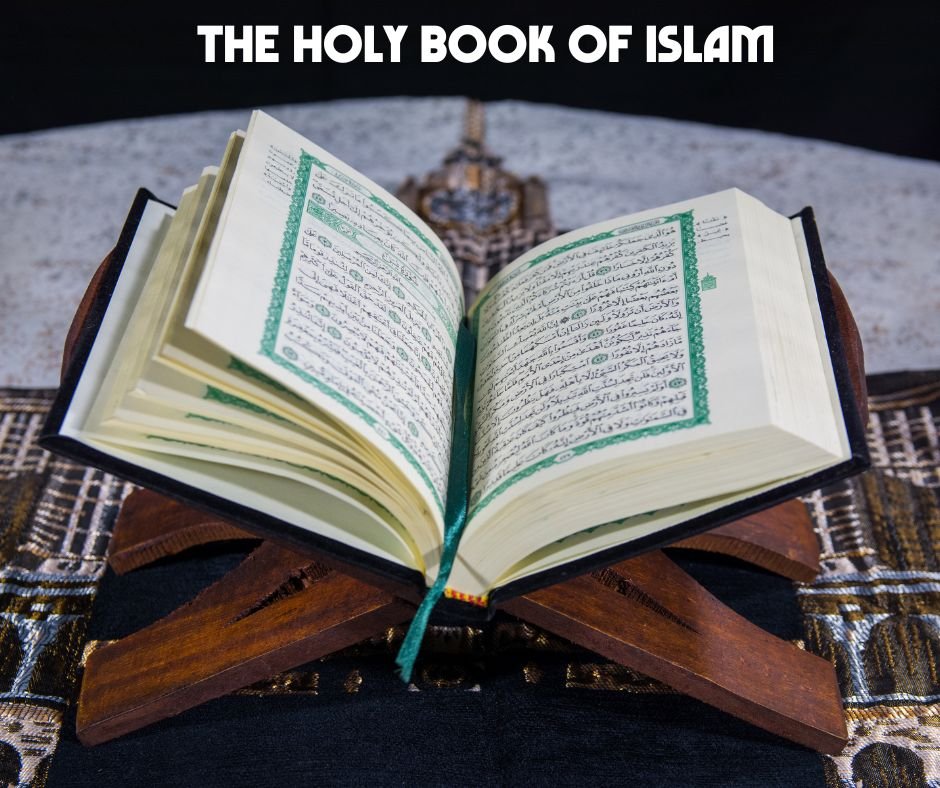
Ramadan commemorates the month in which Muslims believe the Qur’an was first revealed to the Prophet Muhammad. Fasting (sawm) during Ramadan is one of the Five Pillars of Islam. The start and end of the month are set by sighting the crescent moon, so dates can differ by a day between countries.
| Year | Expected start | Expected end / Eid al-Fitr |
|---|---|---|
| 2027 | around 8 February | around 9–10 March |
| 2028 | around 28 January | around 26–27 February |
Dates are approximate and confirmed locally by moon sighting.
What is the purpose of Ramadan?
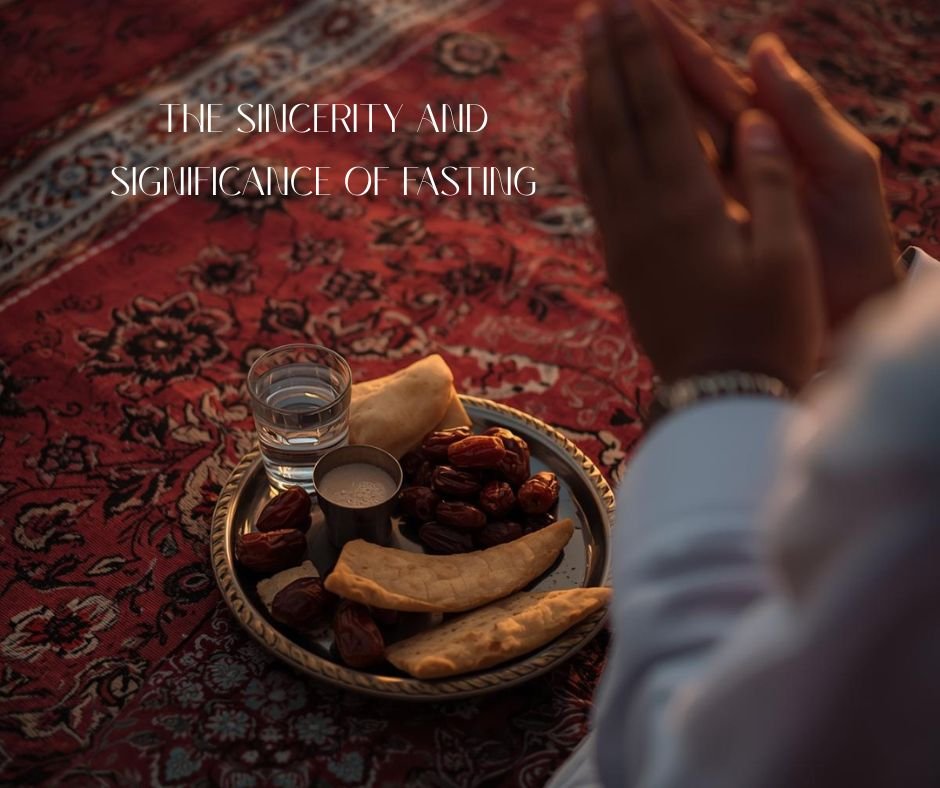
- Spiritual reflection, prayer and reading the Qur’an.
- Self-discipline and patience.
- Empathy with people in need, expressed through charity (zakat al-fitr and sadaqah).
How does fasting work during Ramadan?

- Suhoor: a pre-dawn meal eaten before the fast begins.
- Fasting hours: no food, drink (including water) or smoking from dawn to sunset.
- Iftar: the meal that breaks the fast at sunset, traditionally starting with dates and water.
- Exemptions: children, the ill, travellers, pregnant or breastfeeding women and the elderly may be exempt.
Rehydration matters after a long fast: water, milk, soups and fruit juices are common at iftar. See a healthy iftar menu for Ramadan.
How is Ramadan observed around the world?
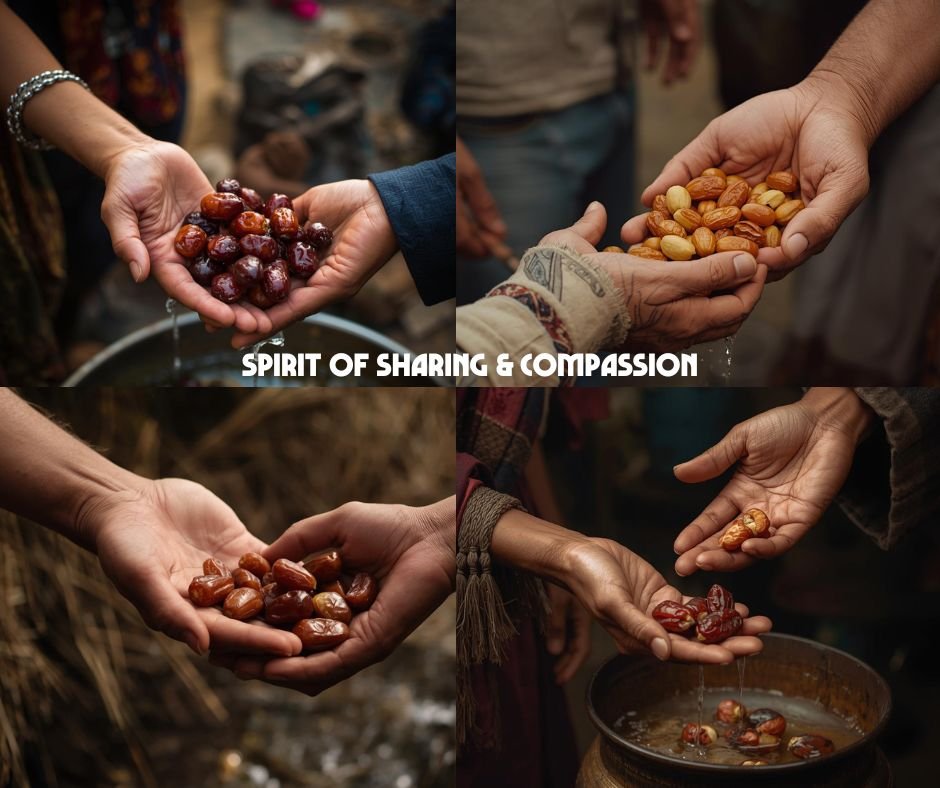
- Families and communities gather for iftar each evening.
- Mosques hold nightly Taraweeh prayers and community meals.
- Many Muslim-majority countries shorten working hours.
- Popular iftar drinks include jallab, qamar al-din (apricot), tamarind and laban.
What is Eid al-Fitr?
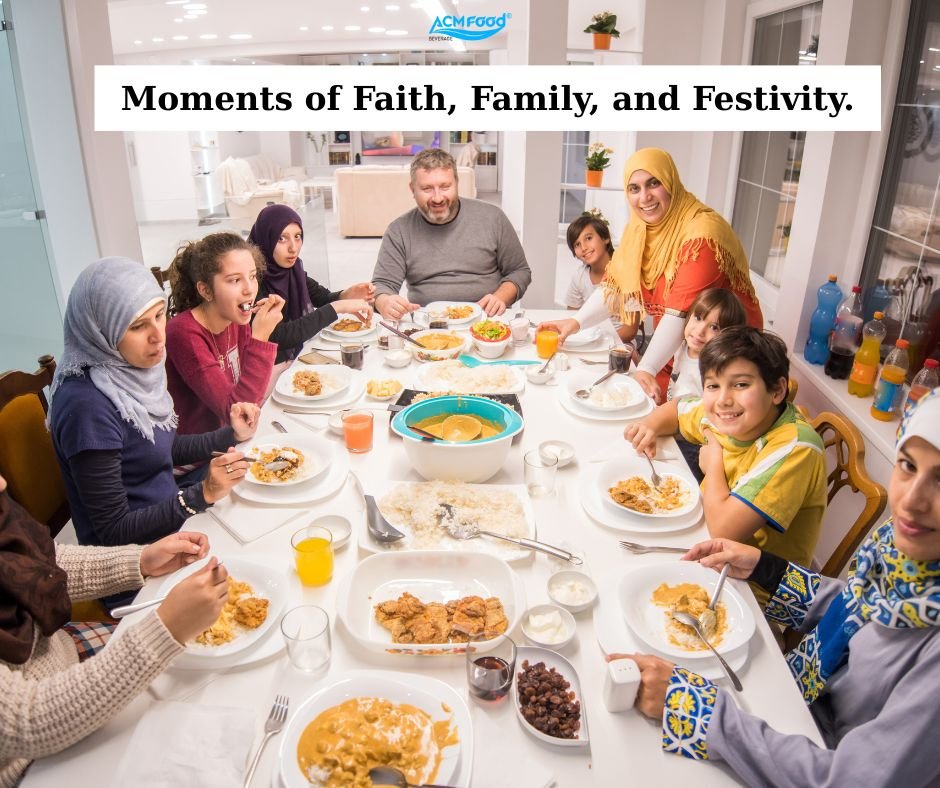
Eid al-Fitr, the “festival of breaking the fast”, marks the end of Ramadan. It begins with a special prayer, followed by family visits, festive meals, new clothes, gifts for children and charitable giving.
Why does Ramadan matter for the beverage trade?
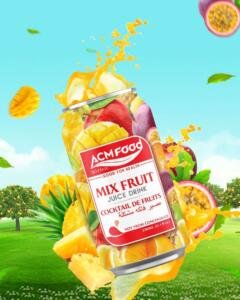
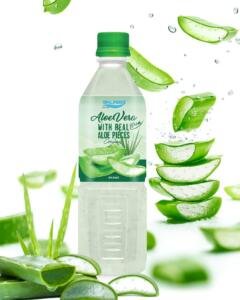
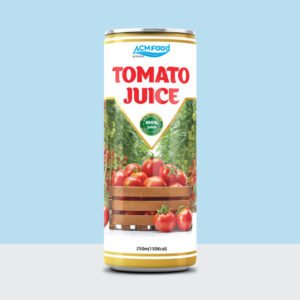
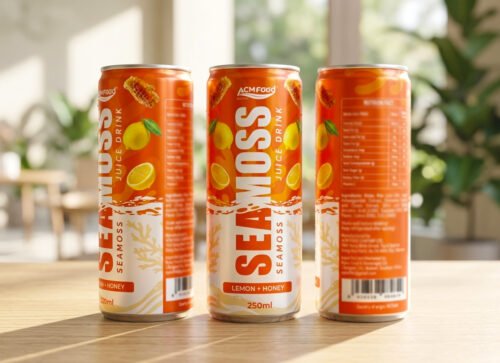
Ramadan is the peak season for juices, dates-based drinks and non-alcoholic beverages in the Middle East, North Africa and Muslim communities worldwide. Importers typically place orders 2–3 months ahead. ACM holds HALAL credentials and supplies juices, coconut water and other drinks to these markets; see the markets ACM serves.
Frequently asked questions
How long is Ramadan?
29 or 30 days, depending on the moon.
Can Muslims drink water while fasting?
No. The fast excludes all food and drink between dawn and sunset.
What is the traditional way to break the fast?
With dates and water, following the practice of the Prophet Muhammad, before prayer and the main meal.
How do you greet someone during Ramadan?
“Ramadan Mubarak” or “Ramadan Kareem”; at the end of the month, “Eid Mubarak”.