





Introduction: The global beverage landscape is undergoing a flavorful revolution, driven by a consumer thirst for the exotic and novel. Tropical flavor innovation, led by fruits like passion fruit, is no longer a niche trend but a central strategy for market growth and premiumization in the sparkling soft drink sector. This shift reflects deeper changes in consumer behavior, influenced by global travel, digital discovery, and a desire for authentic experiences. For industry stakeholders—from manufacturers to distributors—understanding and leveraging this trend is critical for capturing market share and building resilient, forward-looking brands in an increasingly competitive space.
Contents
- 1 The Global Surge in Exotic Flavor Demand
- 2 Passion Fruit as a Case Study in Premiumization
- 3 Consumer Behavior and the Quest for Novelty
- 4 B2B Opportunities in Flavor-Centric Manufacturing
- 5 Expert Perspectives on Sustainable Sourcing
- 6 Future Forecast: The Next Wave of Tropical Innovation
- 7 FAQ
- 7.1 What are the key drivers behind the rising demand for tropical flavors in beverages?
- 7.2 What are the major formulation challenges when working with tropical fruits like passion fruit?
- 7.3 How can OEM manufacturing partners help brands capitalize on fast-moving flavor trends?
- 7.4 Which international markets show the highest growth potential for tropical-flavored sparkling drinks?
- 7.5 What are the key sustainability considerations for sourcing tropical fruit ingredients?
The Global Surge in Exotic Flavor Demand
Tropical flavor innovation is fundamentally altering the sparkling soft drink landscape. Consumer boredom with traditional citrus profiles has created a significant market gap. This shift presents a major opportunity for beverage manufacturers and brands to capture new market segments. The demand for authentic, exotic fruit experiences is driving unprecedented research and development.
Passion fruit, in particular, has emerged as a leading flavor protagonist in this trend. Its complex, tart-sweet profile offers a sophisticated alternative to mainstream options. This evolution reflects a broader consumer desire for novel sensory experiences in everyday categories. The success of such flavors often hinges on achieving a balance between authenticity and mass appeal.
Passion Fruit as a Case Study in Premiumization
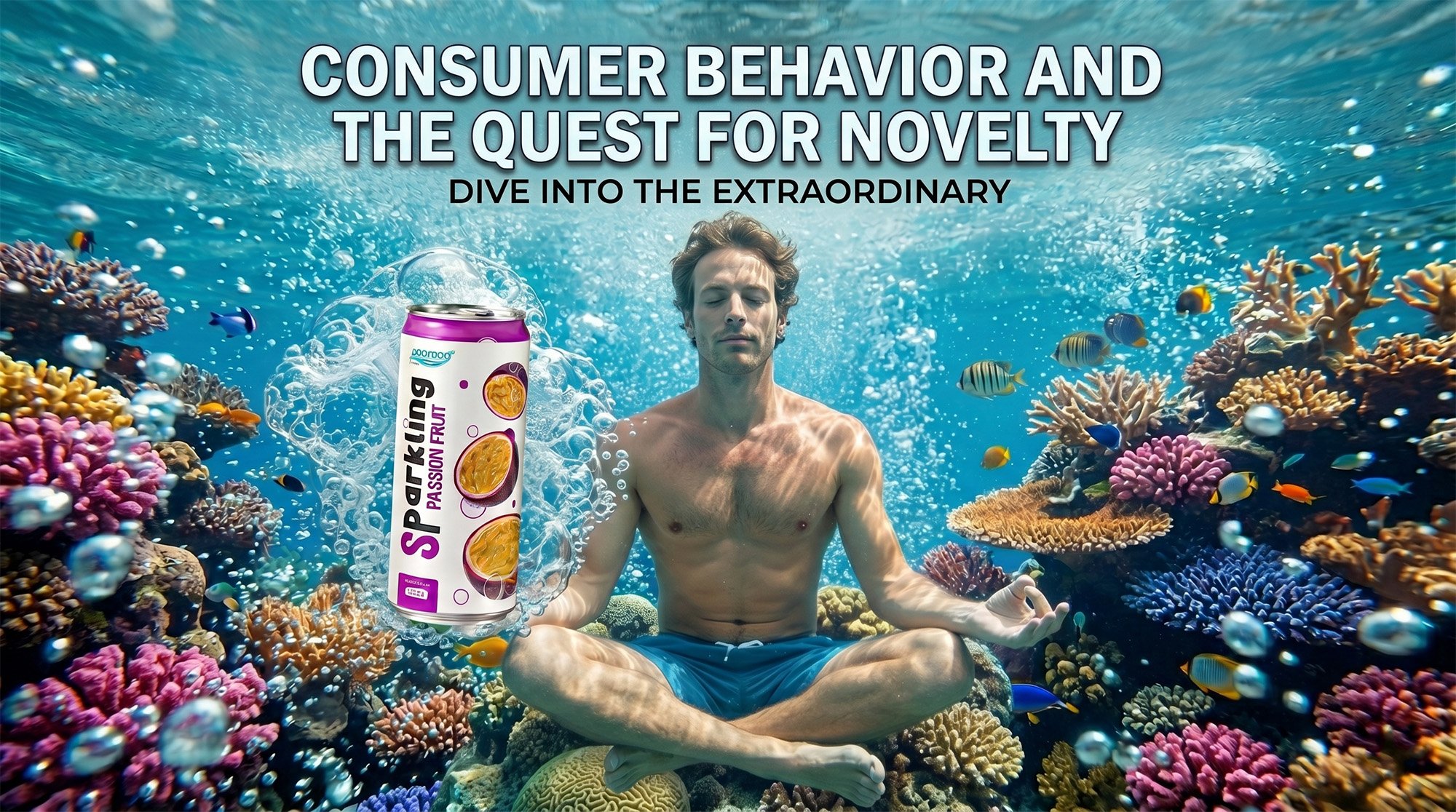
The ACM Passion Fruit Flavored Sparkling Soft Drink exemplifies this strategic market shift. This product positions itself not just as a beverage, but as a gateway to an exotic taste experience. Its formulation leverages the inherent appeal of passion fruit to command a premium positioning. The choice of a 320ml format further suggests a focus on convenience and portion control for adult consumers.
Analyzing this sparkling passion fruit drink reveals key industry insights. The product successfully bridges the gap between indulgent soft drinks and perceived naturalness through its flavor story. It demonstrates how a single, well-executed exotic flavor can become a powerful brand differentiator. This approach is crucial in a crowded marketplace where standing out is increasingly difficult.
Strategic Formulation and Market Positioning
Effective formulation for tropical flavors requires deep technical expertise. The volatile aromatic compounds in fruits like passion fruit present stability challenges. Manufacturers must preserve the fresh, vibrant top notes throughout the product’s shelf life. This often involves advanced flavor encapsulation and blending technologies.
The positioning of such products often leans heavily on health-adjacent marketing. While not a functional beverage, the use of a named fruit flavor implies a connection to natural ingredients. This “better-for-you” perception is a powerful driver in the modern soft drink category. It allows consumers to indulge while feeling a reduced sense of guilt about their choice.
Consumer Behavior and the Quest for Novelty
Modern beverage consumption is heavily influenced by the experience economy. Consumers, especially Millennials and Gen Z, seek products that offer discovery and shareability. An exotic flavor like passion fruit provides an instant talking point and a sense of adventure. This social currency is invaluable for brand building in the digital age.

The rise of food tourism and global culinary exposure has educated palates worldwide. Consumers are more willing than ever to experiment with unfamiliar flavor profiles. This cultural shift has lowered the barrier to entry for once-niche tropical fruits. Brands that can authentically deliver these flavors are poised for significant growth.
The Role of Digital Discovery
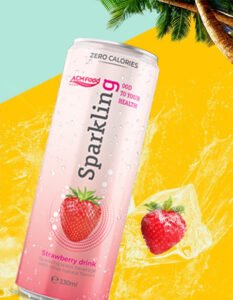
Social media platforms have become primary discovery channels for new food and beverage trends. Visually appealing products with unique flavor stories generate organic engagement. A sparkling water drink with an exotic twist is highly “Instagrammable.” This free marketing is a critical component of a successful modern launch strategy.
Influencer marketing further amplifies the reach of innovative flavor profiles. A positive review from a trusted taste-maker can catapult a niche flavor into the mainstream. This ecosystem creates a faster adoption cycle for new products than was possible a decade ago. Speed to market and agile production have therefore become essential competitive advantages.
B2B Opportunities in Flavor-Centric Manufacturing
For distributors and brand owners, this trend opens substantial avenues for portfolio diversification. Partnering with a flexible OEM manufacturer is key to capitalizing on fleeting flavor trends. The ability to rapidly prototype and produce small batches allows for market testing with minimal risk. This agility is a defining characteristic of successful beverage ventures today.
Manufacturers with expertise in tropical fruit processing hold a distinct advantage. Sourcing consistent, high-quality passion fruit concentrate or puree is a complex supply chain endeavor. Partners who can ensure stability, authenticity, and cost-effectiveness provide immense value. This expertise extends beyond mere production into strategic formulation consultancy.
Private Label Strategy for Market Agility
The private label model is perfectly suited to the fast-paced world of flavor innovation. Retailers and distributors can develop exclusive, trend-led products without massive R&D overhead. A partner offering comprehensive beverage solutions becomes an extension of the brand’s development team. This collaboration enables rapid response to consumer demand signals.
For businesses eyeing international expansion, a nuanced understanding of regional flavor preferences is vital. While passion fruit has global appeal, its acceptance level varies by market. A manufacturing partner with export experience can provide crucial insights for localization. This guidance can mean the difference between a successful launch and a costly misstep.
Expert Perspectives on Sustainable Sourcing
Industry analysts emphasize that long-term success depends on sustainable sourcing. The popularity of a tropical fruit can strain local agricultural systems and communities. Ethical and transparent supply chains are no longer a luxury but a consumer expectation. Brands that lead with sustainability stories build deeper, more resilient customer loyalty.
“The future of exotic flavors lies in regenerative agriculture,” notes Dr. Alistair Crane, a food systems economist. “Forward-thinking manufacturers are investing in farmer partnerships to ensure quality and yield stability. This is not just corporate responsibility; it’s smart risk management for securing key ingredients.” This holistic view is reshaping procurement strategies across the sector.
Technological Advancements in Flavor Extraction
Innovation is not limited to marketing; it is deeply embedded in production technology. Cold-press extraction, supercritical CO2 extraction, and ultrasonic-assisted methods are preserving more delicate flavor profiles. These technologies allow for a cleaner label, as they reduce the need for artificial flavor enhancers. The resulting product is closer to the consumer’s ideal of “natural.”
These advancements also improve production efficiency and yield. Higher extraction rates from raw materials make exotic flavors more economically viable at scale. This cost-effectiveness is essential for bringing premium experiences to a broader audience. It democratizes the luxury of an exotic flavor like passion fruit.
Future Forecast: The Next Wave of Tropical Innovation
The trajectory points toward even more specific and regional flavor exploration. We are moving beyond “passion fruit” to varietals like yellow maracuya or granadilla. This hyper-specificity caters to the connoisseur consumer and creates new tiers of premiumization. It also allows for more authentic storytelling connected to a fruit’s origin.
Flavor fusion will also gain prominence, combining tropical fruits with herbal, spicy, or floral notes. Think passion fruit with basil, ginger, or hibiscus. These complex profiles cater to sophisticated palates and create unique market positions. The ACM passion fruit flavored drink represents the vanguard of a much larger movement.
Integration with Functional Benefits
The logical progression is the merger of exotic flavors with functional ingredients. Passion fruit is naturally rich in vitamins A and C, and antioxidants like beta-carotene. Future iterations may highlight these inherent benefits or combine them with added nutrients, probiotics, or adaptogens. This fusion of pleasure and purpose will define the next generation of sparkling soft drinks.
For industry stakeholders, the message is clear: flavor is the new frontier. Investing in R&D, flexible supply chains, and strategic manufacturing partnerships is non-negotiable. The brands and distributors that master the art and science of tropical flavor innovation will capture disproportionate market share in the coming decade.
FAQ
What are the key drivers behind the rising demand for tropical flavors in beverages?
Several interconnected factors are fueling this demand. Global travel and digital media have expanded culinary horizons, making consumers more adventurous. There is also a growing fatigue with traditional flavor profiles, creating a hunger for novelty. Furthermore, tropical flavors often carry a perception of naturalness and vibrancy, aligning with broader health and wellness trends. This makes them an effective tool for premiumization and differentiation in crowded categories.
What are the major formulation challenges when working with tropical fruits like passion fruit?
The primary challenges revolve around stability and authenticity. Passion fruit’s delicate, volatile aromatic compounds can degrade during processing and storage, leading to a loss of top notes. Achieving a consistent, year-round flavor profile is difficult due to natural variations in fruit harvests. Formulators must also balance the fruit’s natural acidity and tartness with sweetness to suit mass-market palates without resorting to excessive sugar or artificial masking agents.
How can OEM manufacturing partners help brands capitalize on fast-moving flavor trends?
Agile OEM partners are critical for speed-to-market. They offer low minimum order quantities (MOQs) for market testing, reducing financial risk. Their expertise in flavor compounding and stabilization accelerates R&D cycles. They also provide access to a global network of ingredient suppliers, ensuring consistent quality and cost. For a brand, this means the ability to pilot a sparkling beverage concept and scale it rapidly based on consumer feedback.
Which international markets show the highest growth potential for tropical-flavored sparkling drinks?
While North America and Western Europe represent mature but high-value markets, the highest growth rates are often seen in Asia-Pacific and the Middle East. Markets like China, South Korea, and the UAE have consumers with high disposable income and a strong affinity for novel, premium international products. However, success requires careful localization of sweetness levels and marketing messaging to align with regional tastes and cultural preferences.
What are the key sustainability considerations for sourcing tropical fruit ingredients?
Sustainable sourcing is paramount. Brands must consider the environmental impact of farming practices, water usage, and carbon footprint from transportation. Social sustainability is equally important, ensuring fair wages and working conditions for farmers. The most forward-thinking companies invest in traceability systems and direct trade relationships. This not only mitigates risk but also builds a compelling brand story for ethically conscious consumers.