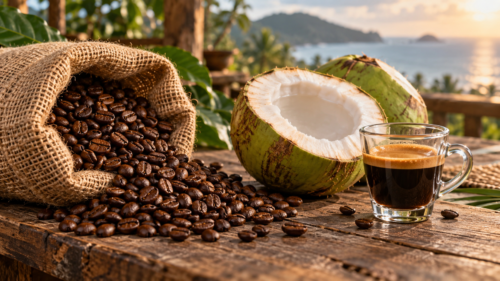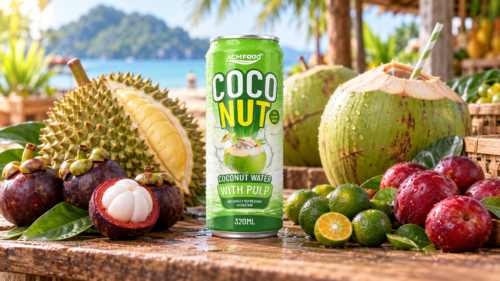

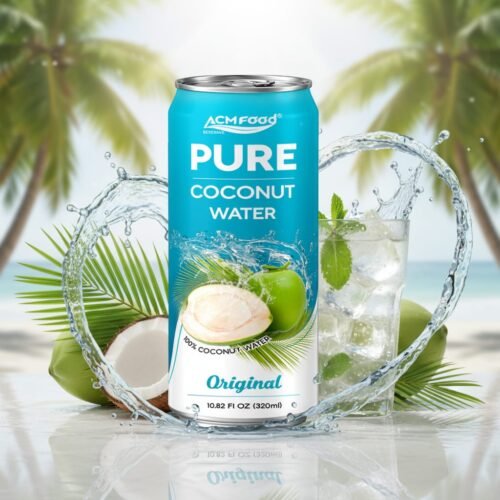
In recent years, non-alcoholic beverages have seen a significant surge in popularity, with coconut water emerging as a star ingredient. Known for its hydrating properties and natural electrolytes, coconut water is being embraced by health-conscious consumers and mixologists alike.
A Healthier Choice
Coconut water is packed with nutrients such as potassium, magnesium, and calcium, making it an excellent alternative to sugary sodas and energy drinks. Its natural sweetness and light flavor make it a versatile base for a variety of refreshing drinks.
Innovative Recipes
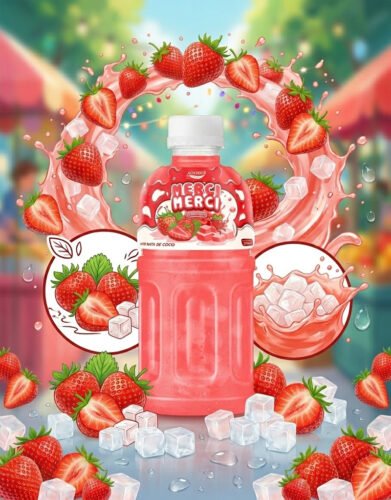
From tropical smoothies to elegant mocktails, coconut water is being used in creative ways to craft delicious non-alcoholic beverages. Popular recipes include the Coconut Water Mocktail, which combines coconut water with fresh mint and lime, and the Coconut Water ACM a delightful mix of coconut water and fresh berries.
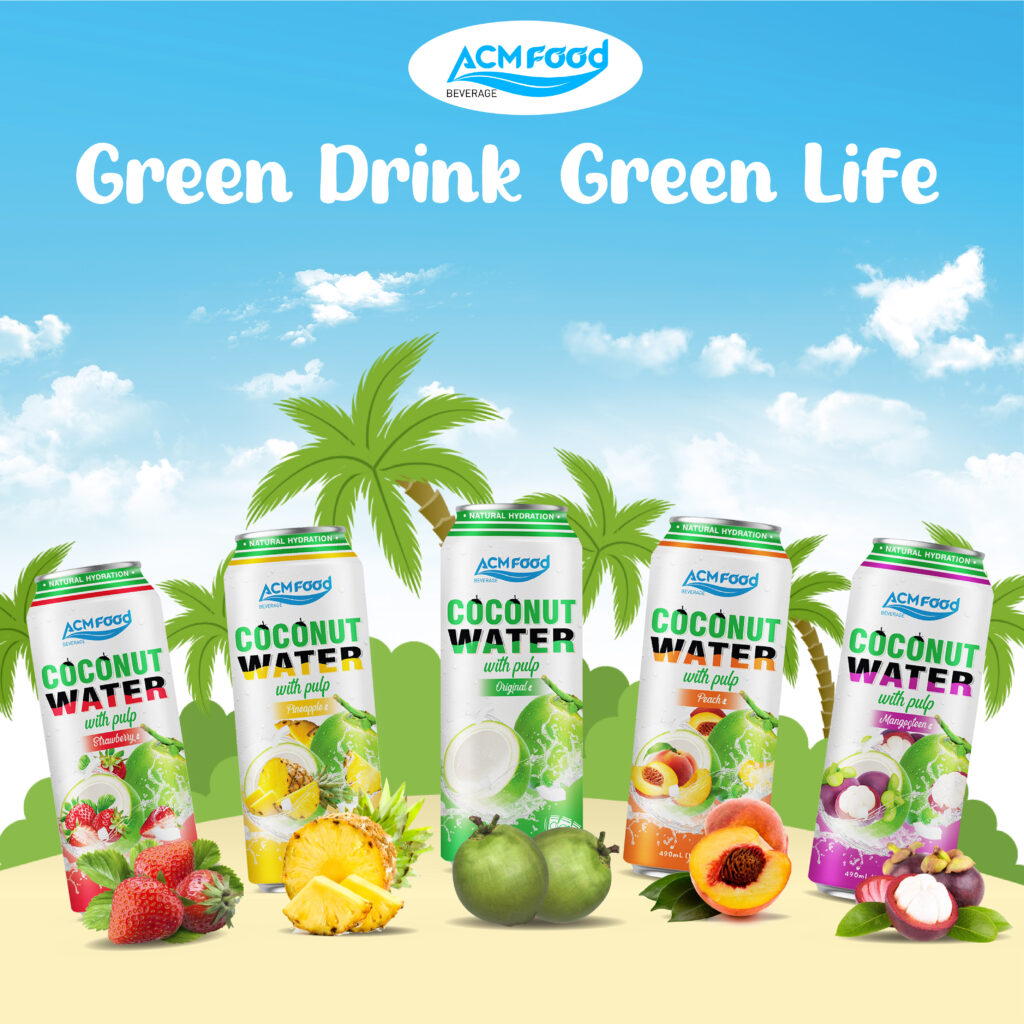
Market Growth
The market for non-alcoholic drinks is expanding rapidly, driven by a growing interest in wellness and mindful drinking. According to industry reports, sales of coconut water-based beverages have increased by over 20% in the past year alone. This trend is expected to continue as more consumers seek out healthier and more natural drink options.
Celebrity Endorsements
Celebrities and influencers are also playing a role in popularizing coconut water drinks. Many have been spotted enjoying these beverages, sharing their favorite recipes on social media, and highlighting the health benefits of coconut water.
Sustainability Factor
In addition to its health benefits, coconut water is also being praised for its sustainability. Sourced from young, green coconuts, it is a byproduct of the coconut industry, which means it helps reduce waste. Many brands are also focusing on eco-friendly packaging to further enhance their sustainability credentials.

Conclusion
As the trend towards healthier living continues to grow, non-alcoholic drinks with coconut water are set to become even more popular. Whether you’re looking for a post-workout refresher or a sophisticated mocktail for your next gathering, coconut water offers a delicious and nutritious option.
Stay tuned for more exciting developments in the world of non-alcoholic beverages!