














Soursop (graviola, guanábana, or mãng cầu xiêm in Vietnam) is a tropical fruit with creamy white pulp that tastes like a mix of pineapple, strawberry and banana. 100 g of pulp provides about 66 kcal, 3.3 g of fibre and 21 mg of vitamin C. The seeds and leaves contain annonacin, a nerve toxin, so eat only the pulp.
What is soursop?
Soursop (Annona muricata) comes from tropical America and is now grown across the Caribbean, Latin America, Africa and Southeast Asia. In Vietnam it is grown mainly in the south, including Tiền Giang and Bến Tre. It is often confused with its smaller relative:
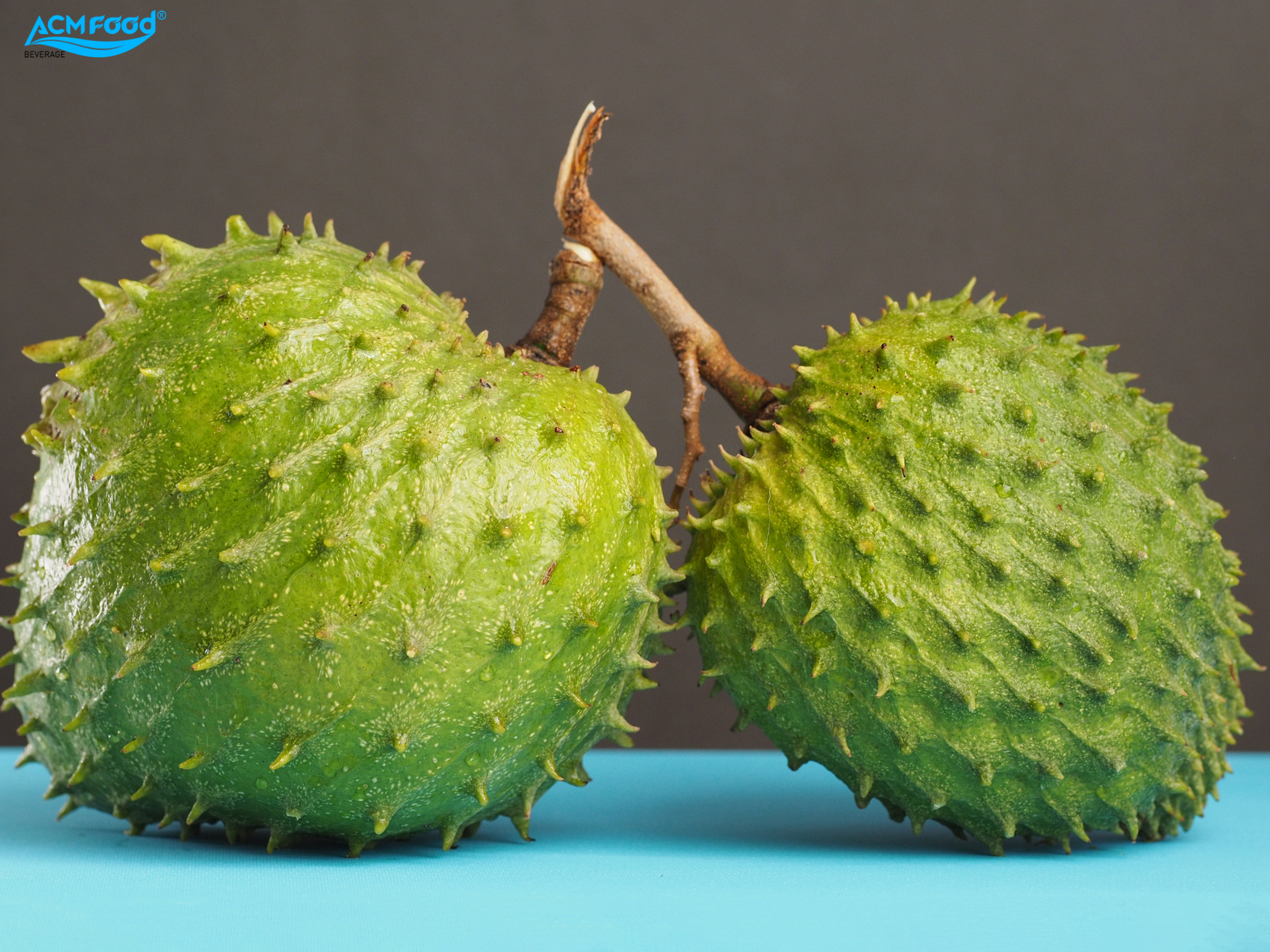
| Fruit | Vietnamese name | Appearance | Taste |
|---|---|---|---|
| Soursop (A. muricata) | Mãng cầu xiêm | Large, green skin with soft spines | Sweet-tart, creamy, juicy |
| Sugar apple (A. squamosa) | Mãng cầu ta / na | Smaller, bumpy segmented skin | Very sweet, grainy |
What nutrients are in soursop?
| Per 100 g raw pulp | Amount |
|---|---|
| Energy | 66 kcal |
| Carbohydrate | 16.8 g |
| Fibre | 3.3 g |
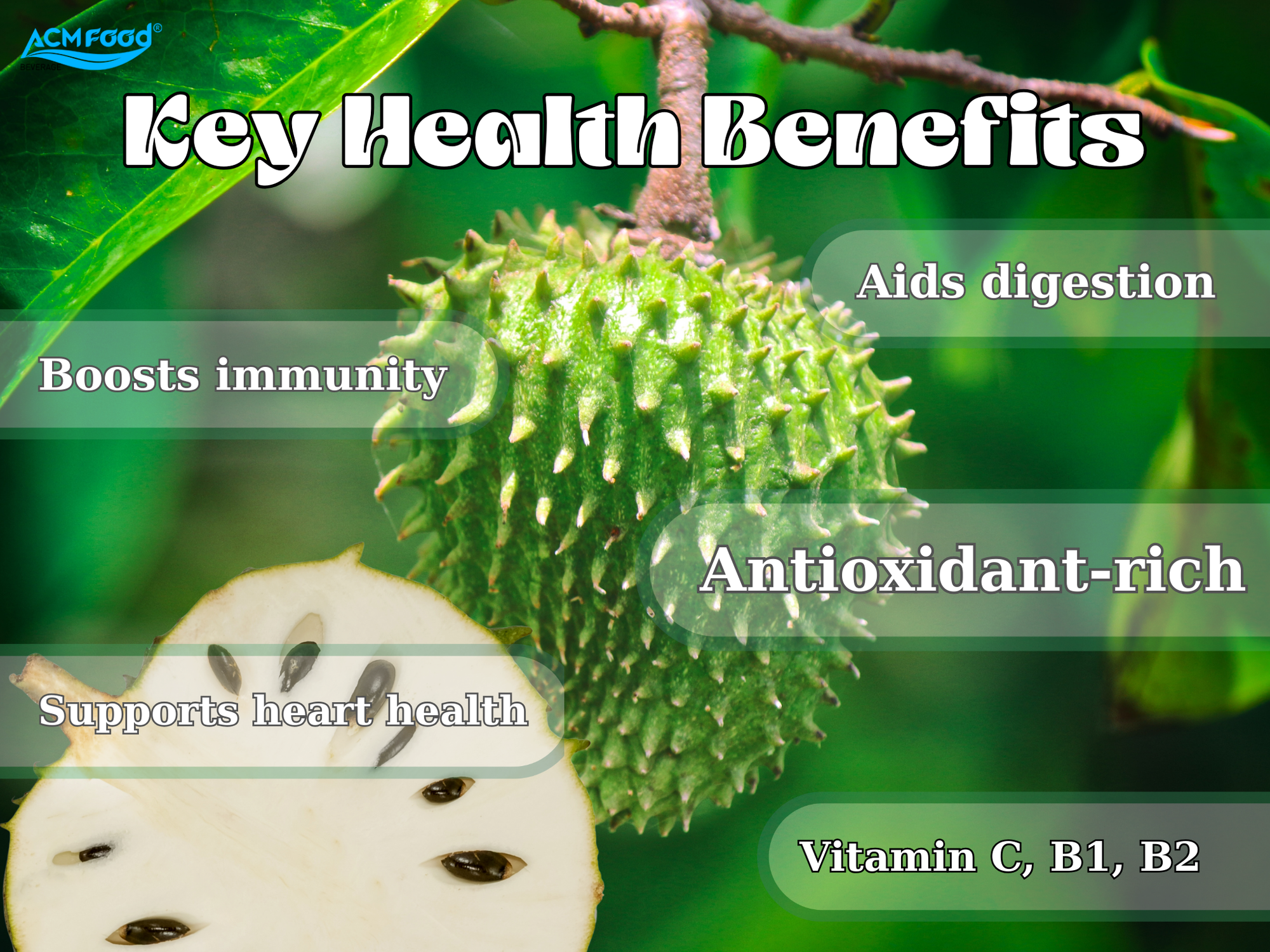
| Vitamin C | 20.6 mg (about 23% of daily needs) |
| Potassium | 278 mg |
Source: USDA FoodData Central. The fruit is a good source of vitamin C and fibre. Claims that soursop fights cancer come from lab and animal studies and are not proven in humans.
Is soursop safe to eat?
The pulp is safe in normal food amounts. However:
- Seeds: do not eat or crush them; they contain annonacin and other toxic compounds.
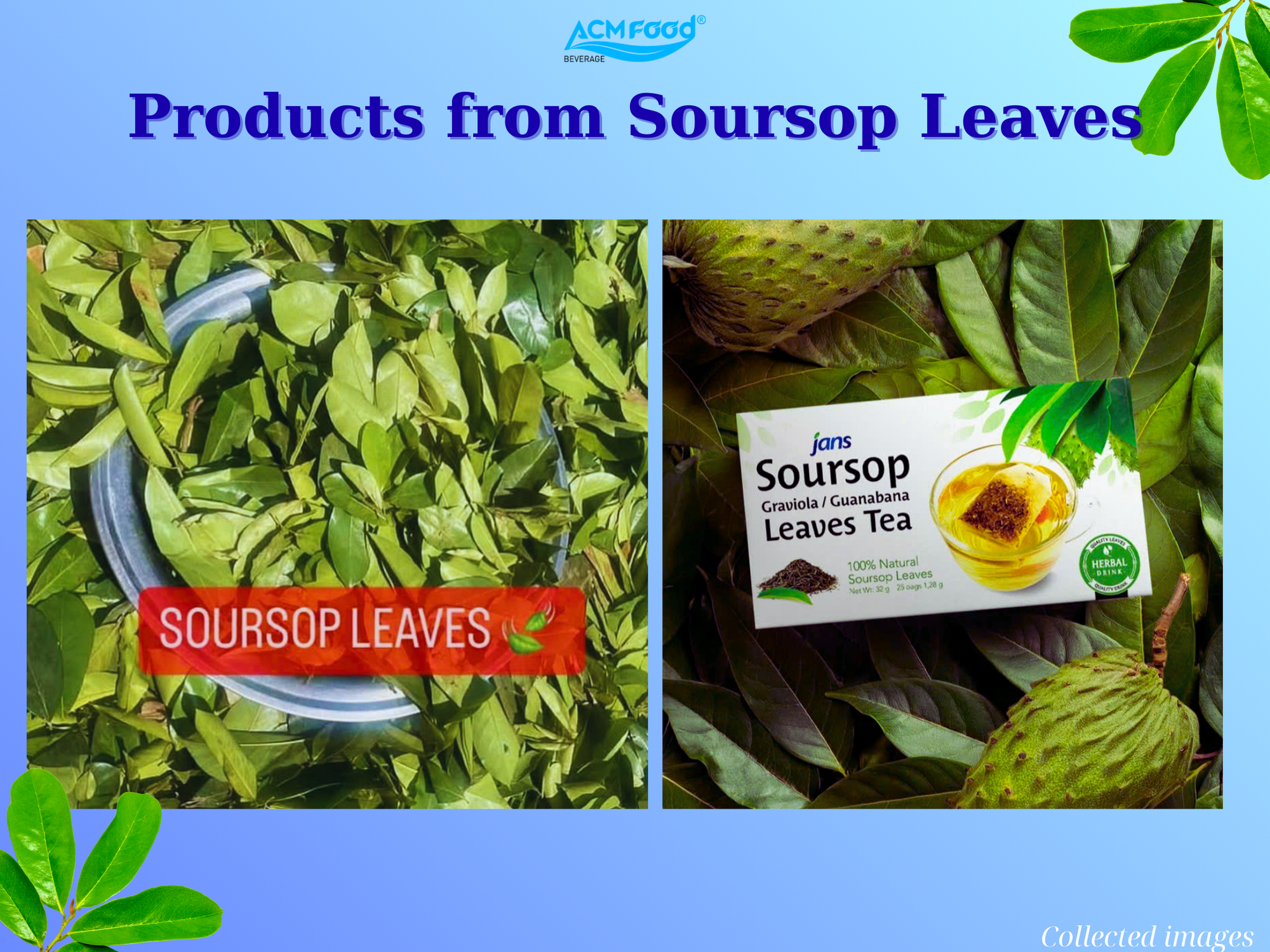
- Leaf tea and supplements: also contain annonacin. Studies in the Caribbean linked heavy, long-term consumption of soursop products with an atypical form of parkinsonism. Avoid regular use, especially if pregnant.
- Medicines: people taking blood-pressure or diabetes medicines should ask a doctor before using leaf extracts.
How is soursop used?
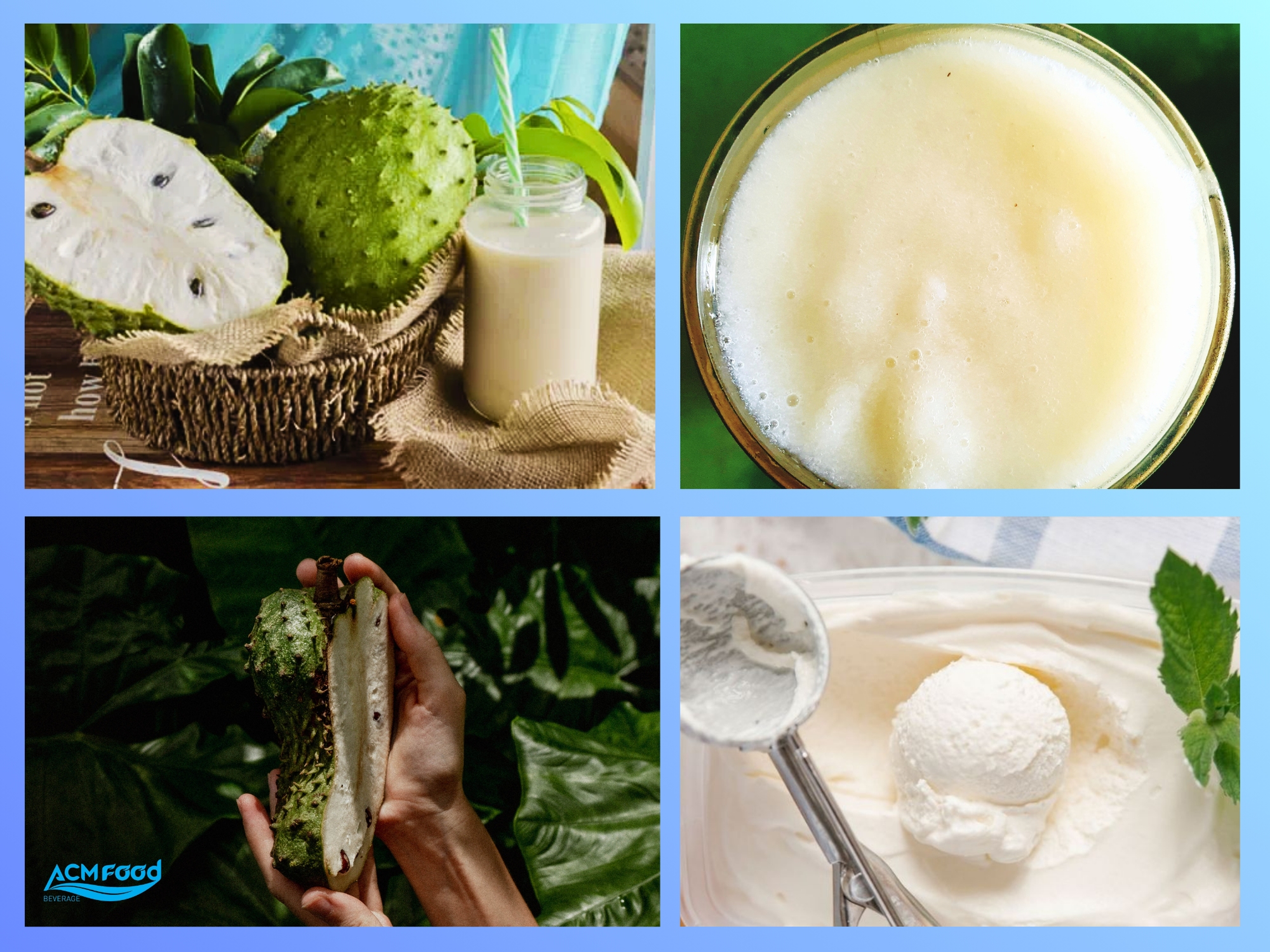
- Fresh: scoop out the ripe pulp and remove the seeds.
- Smoothie (sinh tố mãng cầu): blend pulp with milk or condensed milk and ice.
- Desserts: ice cream, sorbet and puddings.
- Juice: soursop pulp is thick, so juices are usually blended with water or other fruits.
What is the business potential of soursop?
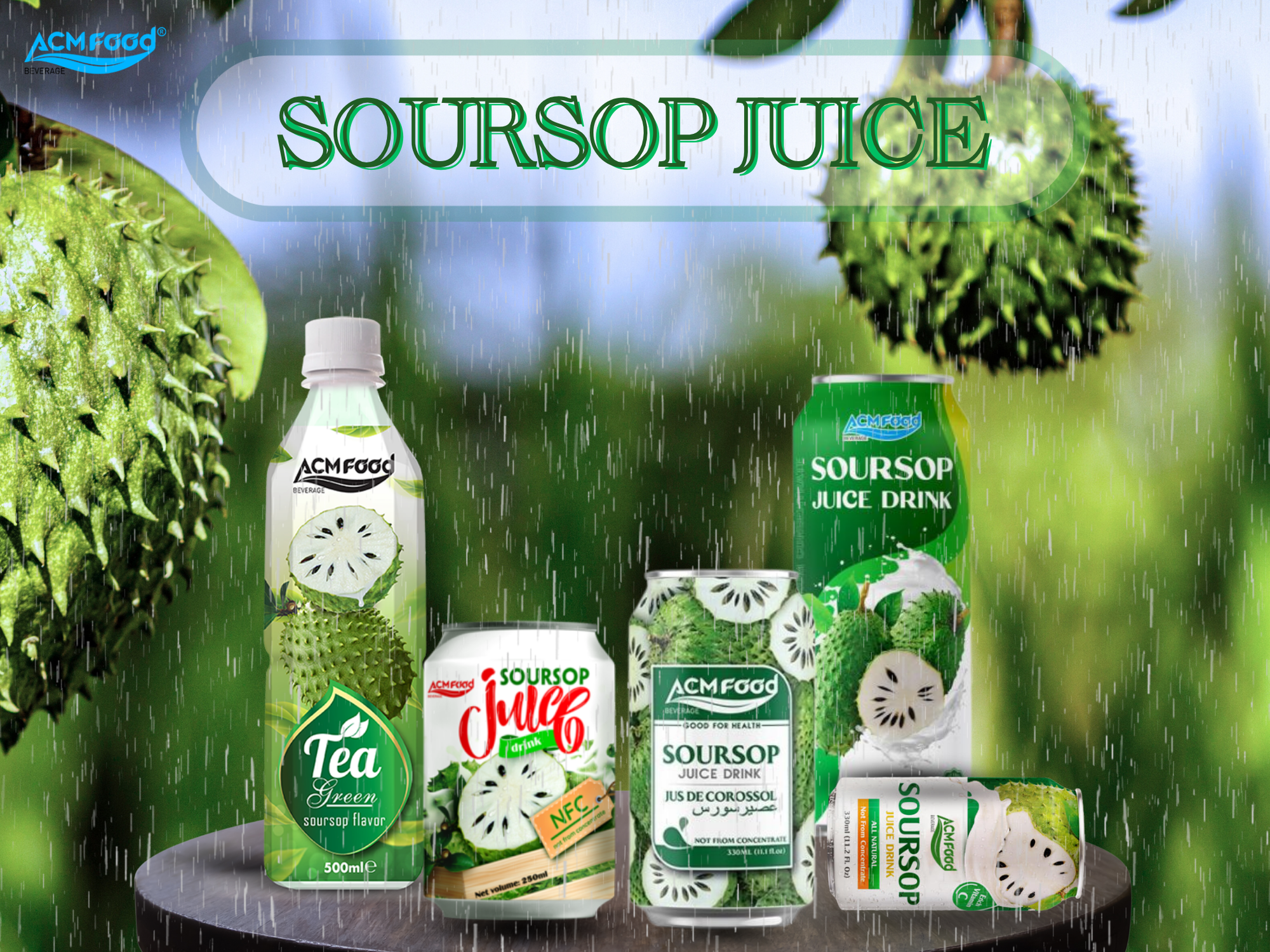
- Ready-to-drink juice: the fresh fruit bruises easily and travels badly, so juice and purée are the easiest way to export its flavour.
- Frozen pulp: used by cafés, ice-cream makers and Latin American and Caribbean food stores.
- Snacks: dried soursop, jams and candies.
Demand is strongest in Latin American, Caribbean, African and Southeast Asian communities in the US and Europe. Read about 100% pure soursop juice or browse ACM’s soursop juice range.
Frequently asked questions
What does soursop taste like?
Sweet and slightly tart, often described as a mix of pineapple, strawberry and banana with a creamy texture.
Does soursop cure cancer?
No. There is no evidence from human studies that soursop treats or prevents cancer.
Is soursop leaf tea safe?
Occasional use is common, but regular long-term use is not advised because the leaves contain annonacin, which is toxic to nerve cells.
Is soursop the same as custard apple?
They are related but different. Soursop is larger and tangier; sugar apple and custard apple are sweeter.






