




Aloe vera drinks lose sales in hot markets for one recurring reason: they finish sweet, and a sweet finish is the opposite of what a thirsty shopper wants. Pineapple is in this range specifically to solve that, and the acidity that solves it creates a technical problem further down the line.
Acidity as a Positioning Decision
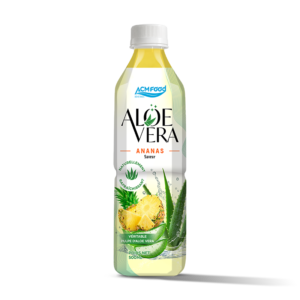
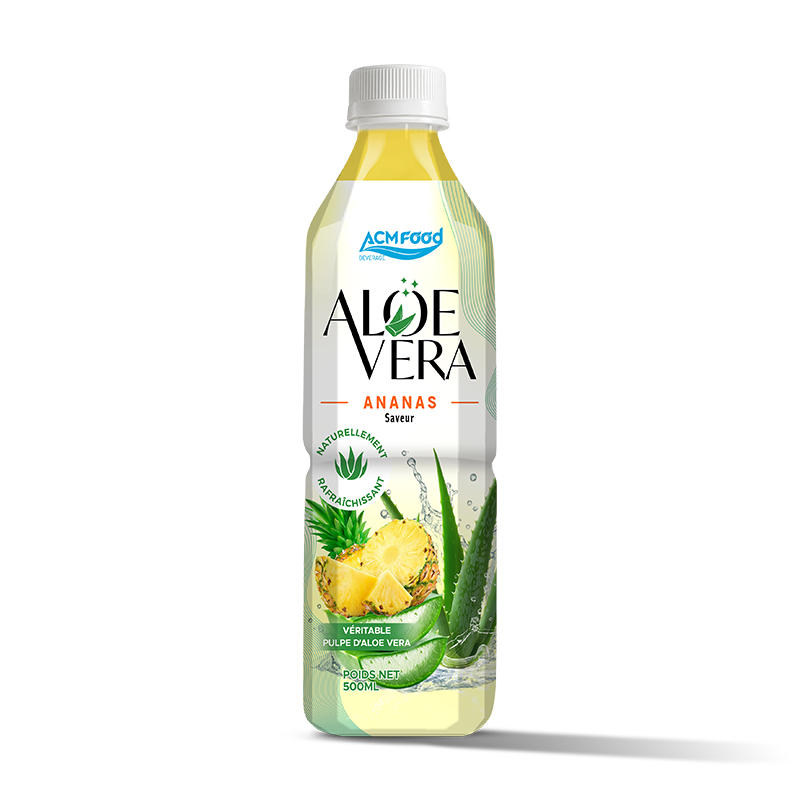
A higher acid level cuts the sweet tail short, so this aloe vera pineapple drink reads as light and thirst-quenching rather than as a treat. That is a meaningful distinction in tropical and Gulf retail, where the real competitor is flavoured water, not other aloe vera. It is also the variant that performs best poured over ice in foodservice, where dilution would leave a sweeter build tasting of nothing.
What Low pH Does to Pulp
Acid attacks the structure of aloe vera cubes over time. Left on the stabiliser system used for a sweeter variant, the cubes soften and begin to break up well before the 18-month mark. The system for this build is set for the finished pH rather than inherited from the range, which is the difference between cubes that are still intact at month sixteen and a bottle of cloudy fragments. That formulation work carries over to any other acidic fruit a partner adds later.
Range and Format
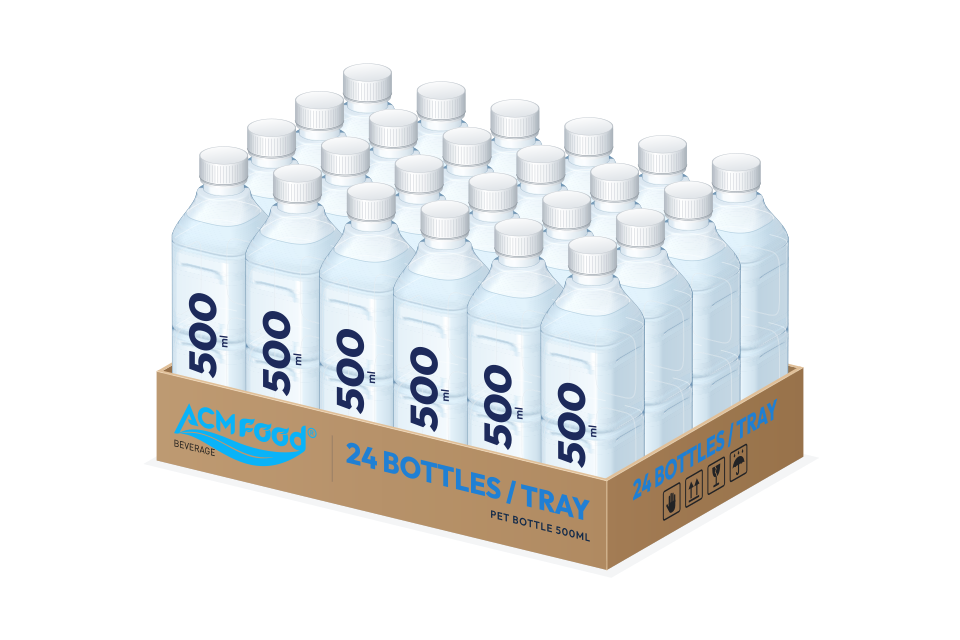
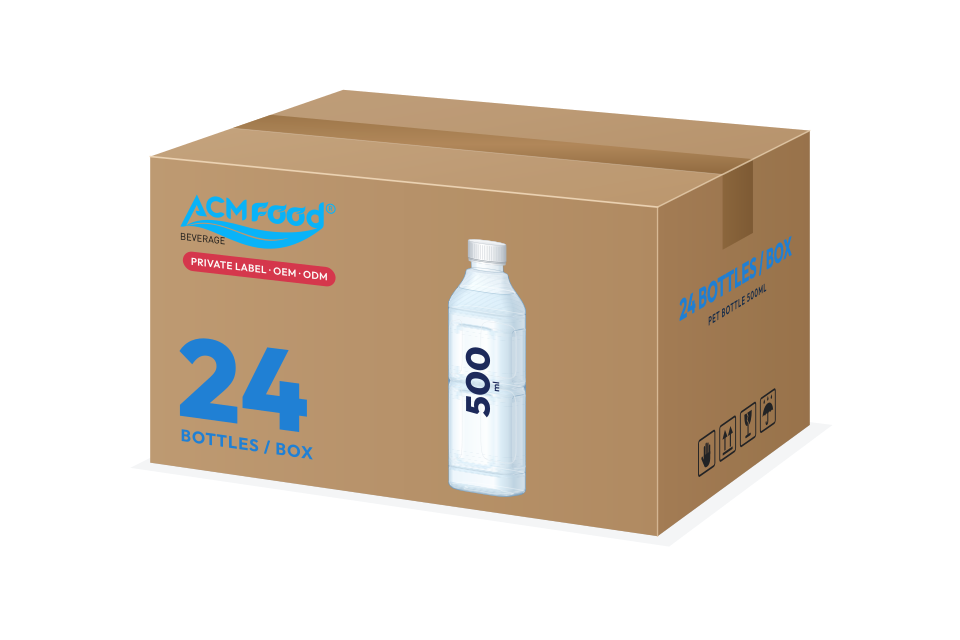
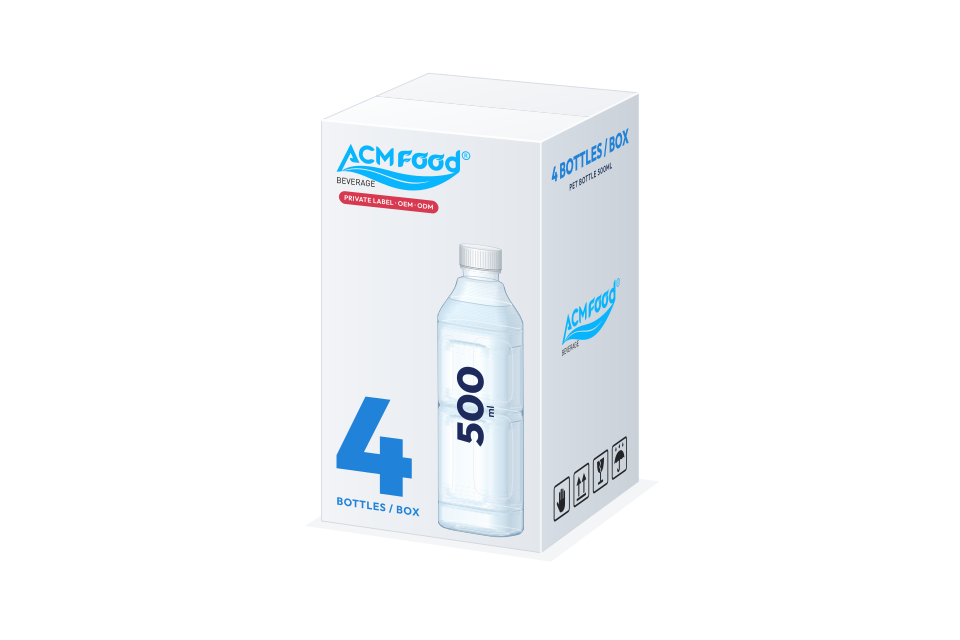
Placed next to a sweeter profile such as mango, it gives a shelf two genuinely different taste positions instead of two near-identical ones. Filled into clear 500ml PET so the pulp is visible, ambient stable with no refrigeration, palletised for standard 20ft and 40ft loading in either shelf-ready or wholesale stacking configurations.
Terms
Certification is FSSC 22000, ISO 22000 and HACCP, documented per batch. Daily output runs to 20,000 cartons, minimum 500 cartons per flavour, 15 to 30 days from artwork sign-off, T/T terms, FOB Ho Chi Minh City Port. Acidity and Brix balance, pineapple juice content, pulp ratio and cube size, sugar-reduced builds and full brand artwork are set per order. Development timeline is set out under OEM beverage manufacturing.