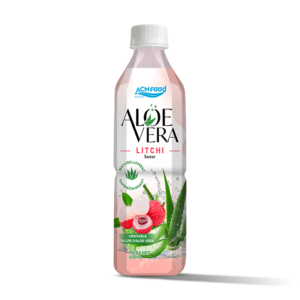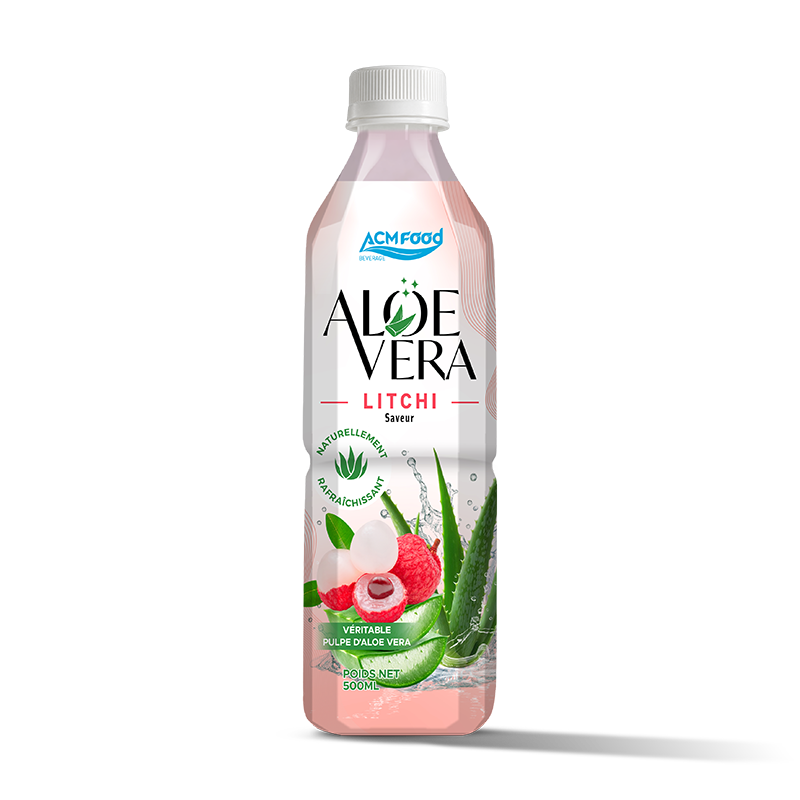





Aloe vera pulp is texture with almost no flavour of its own. Whatever the drink tastes like has to come from the juice base around it, and that base is competing with a mouthful of neutral cubes for the drinker’s attention. Most fruit profiles answer that by adding sweetness. Lychee does not have to.
Aroma Instead of Sugar
Lychee works here because its character is carried by aroma rather than by sugar — a perfumed, honeyed top note that sits above the herbal base and stays perceptible through the pulp. That allows a lower sweetness build than a comparable mango or strawberry variant while still tasting complete, which is why this aloe vera lychee drink reads as premium rather than confectionery.
The Formulation Cost Nobody Mentions
Aroma-led profiles are the expensive ones to stabilise. Volatile compounds fade under ambient storage faster than sugar or acid ever will, so the flavour system has to be selected for heat and time stability rather than for how good it smells at the mixing tank. A lychee variant that tastes correct at filling and flat at month twelve has failed, even though it is microbiologically fine.
Pulp Specification
Aloe vera is filleted, diced, repeatedly washed to remove aloin, and stabilised before filling so the cubes stay suspended and keep their bite over the full 18-month shelf life. Cube size and pulp ratio are both set at formulation: a heavier load suits markets that treat aloe vera as a snack-drink, a lighter one suits drinking straight from a standard bottle neck.
Range Position and Terms
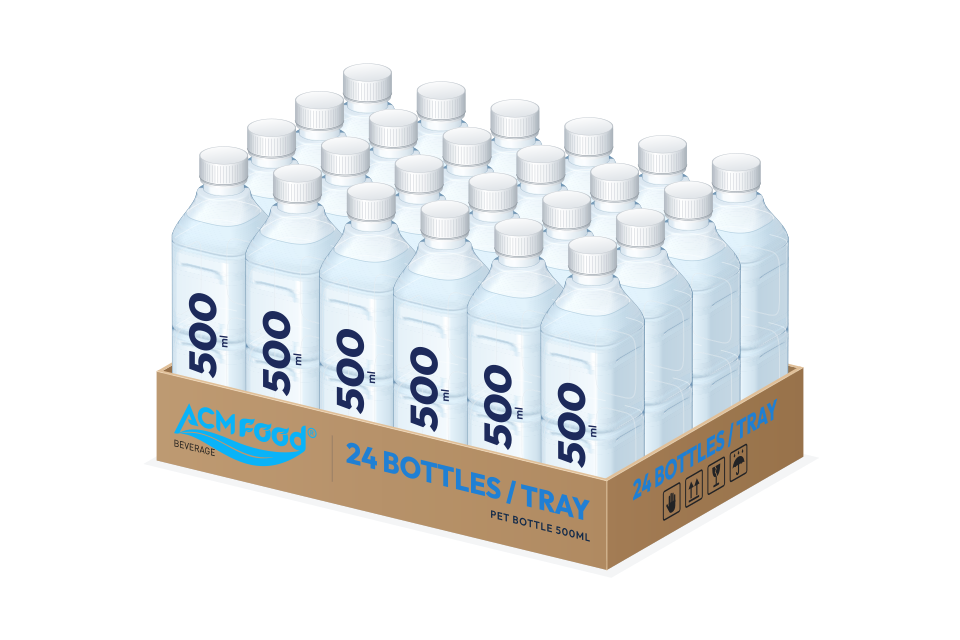
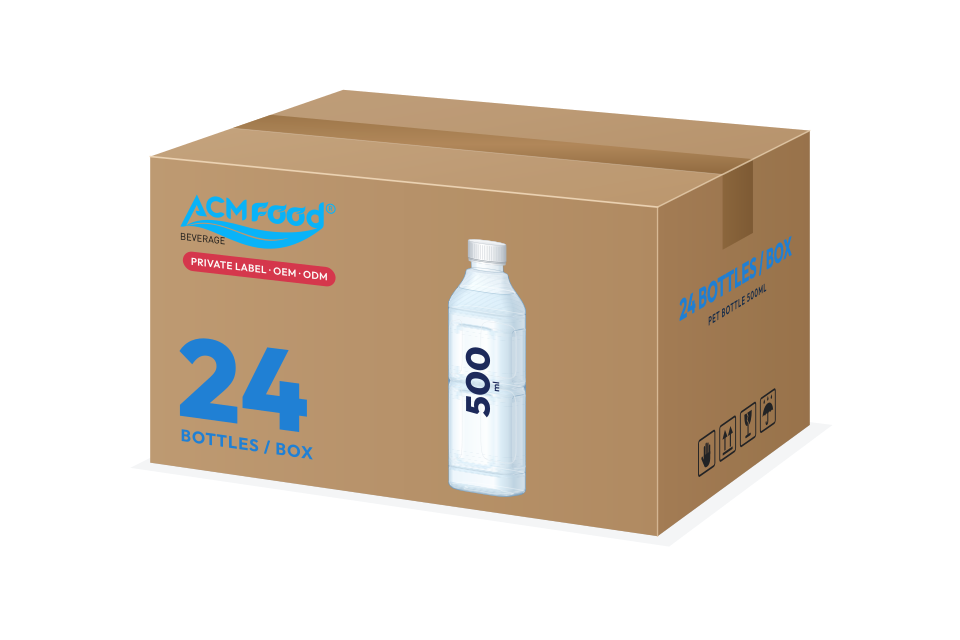
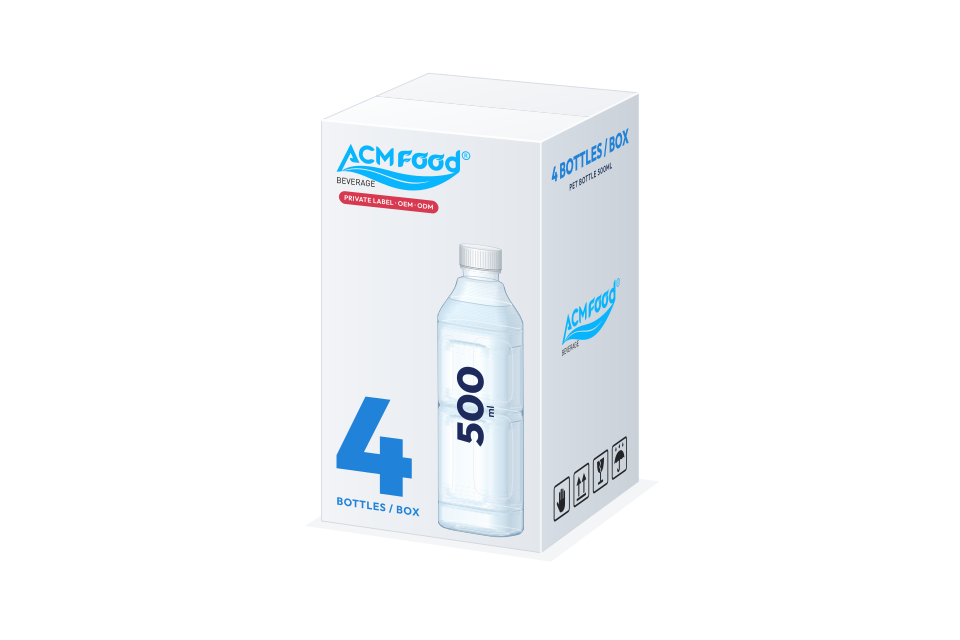
Buyers put this at the top of the range with volume flavours such as mango underneath it. Filled into clear 500ml PET so the pulp is visible at point of sale, ambient stable, no cold chain. The line is certified to FSSC 22000, ISO 22000 and HACCP, traceable from leaf intake to finished pallet. Capacity is 20,000 cartons a day, MOQ 500 cartons per flavour, 15 to 30 days after artwork sign-off, T/T, FOB Ho Chi Minh City Port. Brix, sweetener system, pulp ratio, bottle, cap and label are all buyer-set — see OEM beverage manufacturing.