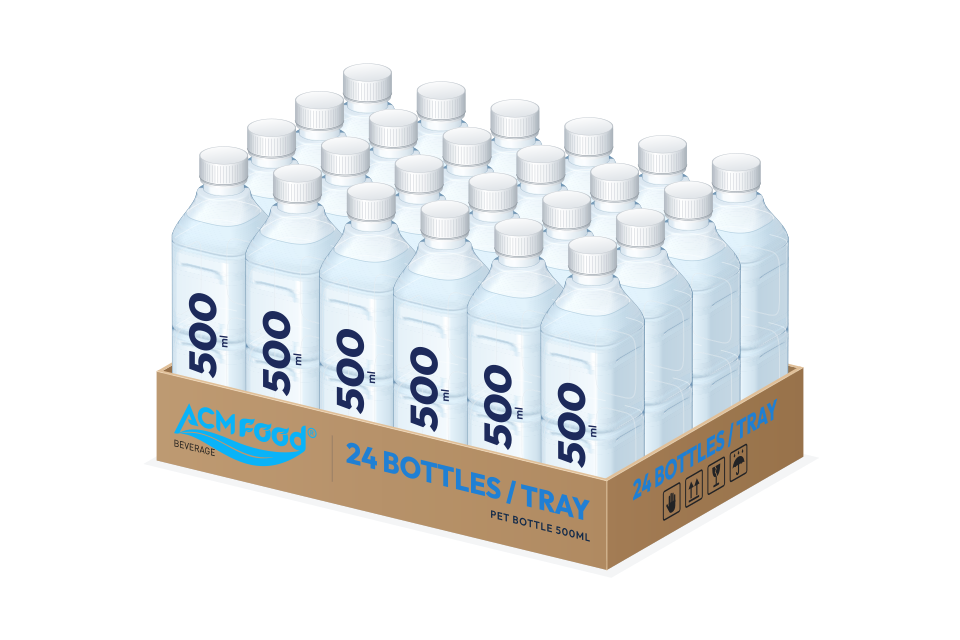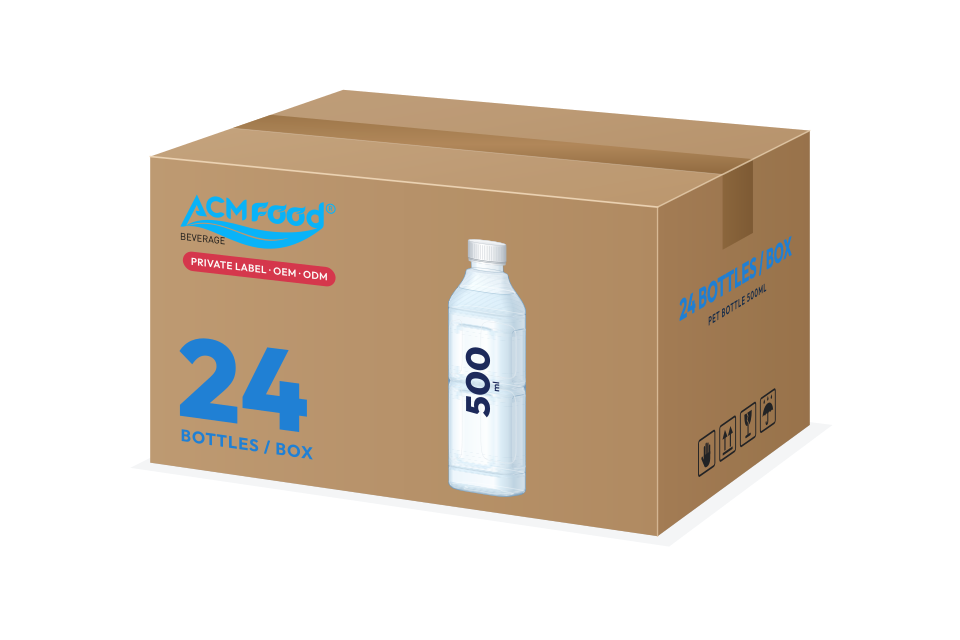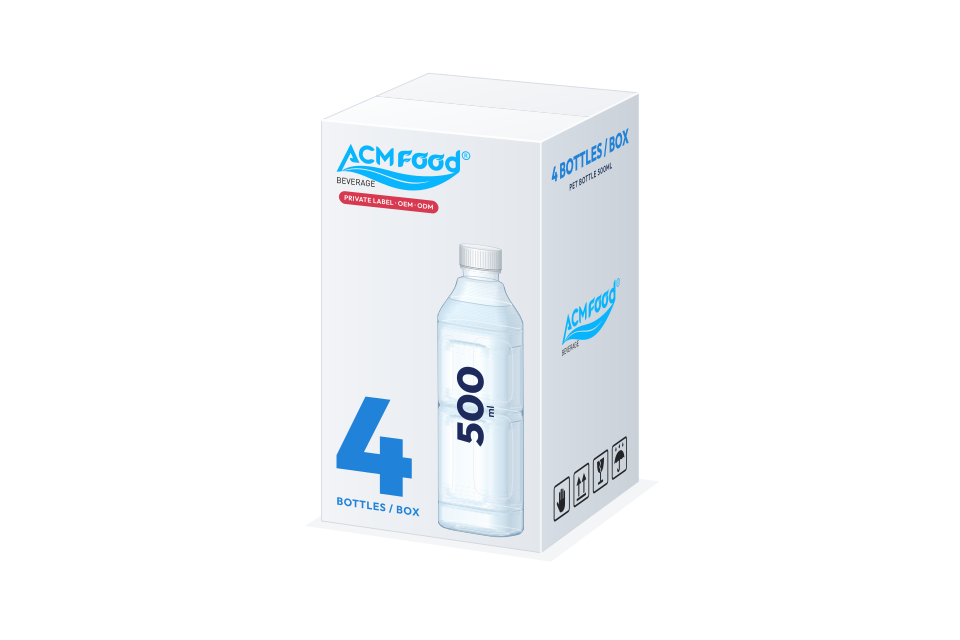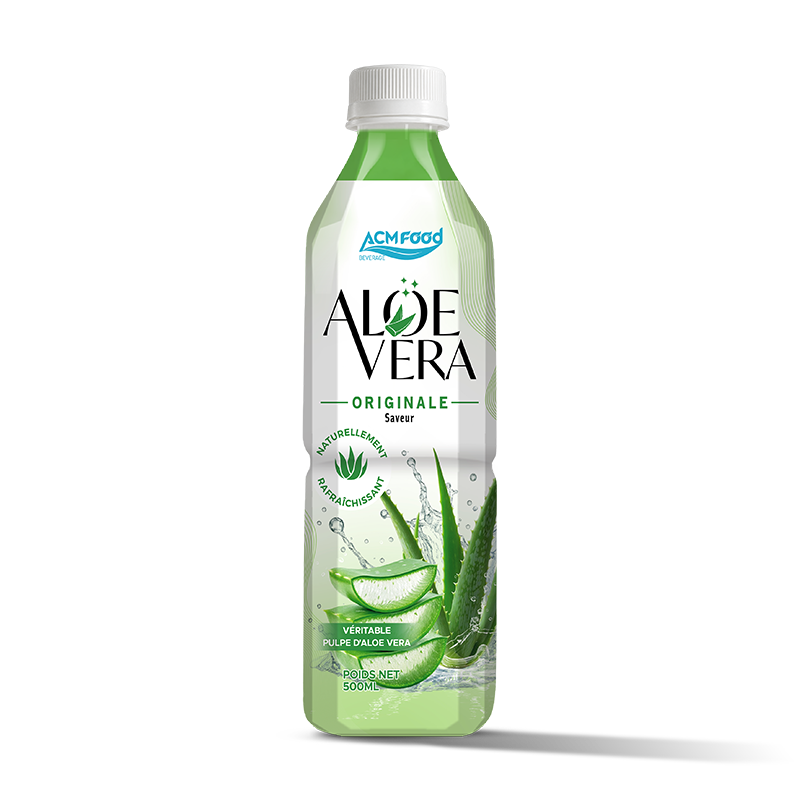


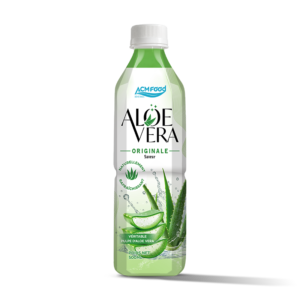



If you are assessing an aloe vera supplier, ask for the original before anything else. A fruit-flavoured sample tells you how good their flavour house is. The unflavoured one tells you how good their aloe vera is, and those are not the same question.
What to Check in the Glass
Three things give a supplier away. Bitterness on the finish means aloin was not fully washed out of the pulp. Cubes that have gone soft mean heat treatment was pushed harder than necessary to buy shelf-life margin. A cloudy or grey juice base means the leaf was not fresh at intake. None of these are visible once mango or strawberry is in the bottle, which is why this original aloe vera drink is the honest sample.
How This One Is Made
Leaves are filleted, the pulp diced and washed repeatedly to strip aloin before stabilising. Heat treatment is held to the minimum needed for ambient stability rather than run hot for safety margin, which is what preserves cube firmness across the full 18-month shelf life instead of leaving a soft, broken texture by month eight.
A Declaration Short Enough to Pass
The standard recipe is water, aloe vera juice, aloe vera pulp, sugar and acidity regulator. That length matters commercially: it satisfies retailer clean-label criteria without argument and clears most import registrations without reformulation. Preservative-free and no-added-colour builds are available, as are reduced-sugar and stevia versions, and optional additions such as vitamin C.
Range Role and Terms
Original anchors the range while fruit variants such as strawberry extend it. Made under FSSC 22000, ISO 22000 and HACCP with traceability from leaf to pallet. Supply reaches 20,000 cartons per day, the entry MOQ is 500 cartons a flavour, lead time 15 to 30 days after artwork, T/T payment, FOB Ho Chi Minh City Port. Pulp ratio, cube dimension, juice content and full private label packaging are buyer-set — scope is detailed under OEM beverage manufacturing.