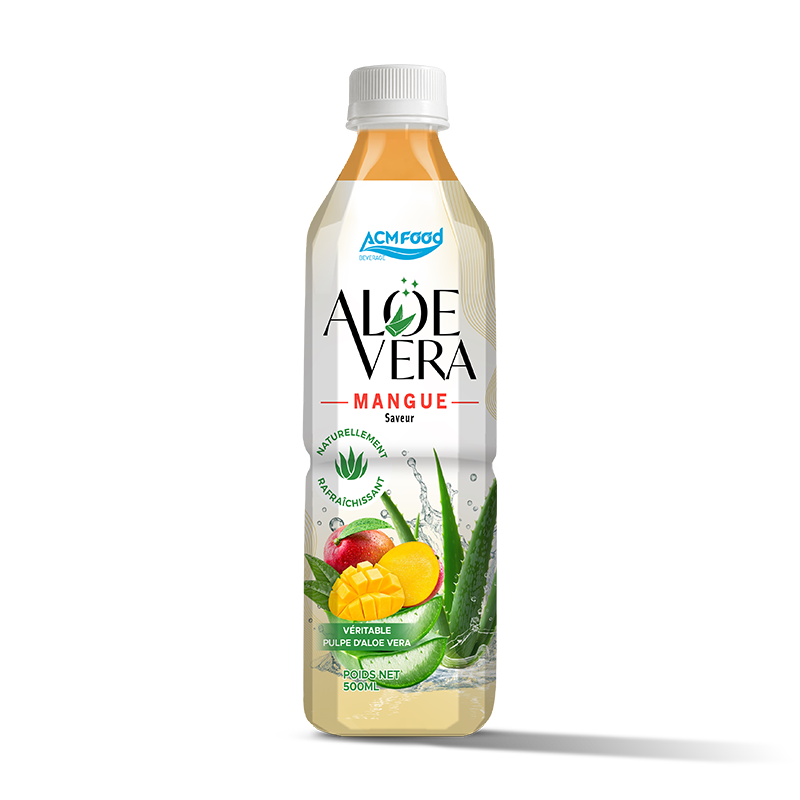





Mango is the flavour that carries an aloe vera range commercially, and the one that makes it hardest to keep the pulp where it belongs. A mango base has viscosity of its own, and a thicker liquid does not automatically hold cubes better — it changes how they settle, and a drink that looks right on day one can show a layer at the bottom of the bottle after a few months in a warm warehouse.
Suspension in a Heavy Base
The juice base for this aloe vera mango drink is balanced to stay pourable rather than syrupy, with the stabiliser system tuned to the density of the finished liquid rather than carried over from a lighter variant. Acidity is set slightly higher than the unflavoured build so the sweetness finishes clean instead of reading as heavy in hot-climate markets.
Why It Is the First Order
Mango needs no explanation in any export market, photographs well in shelf-ready display, and gives a new listing its best chance of repeat purchase before a buyer commits to a wider flavour set. For a brand entering the category for the first time, it is the lowest-risk container to fill. Most partners run it with a neutral original variant and one premium profile.
Channel Fit
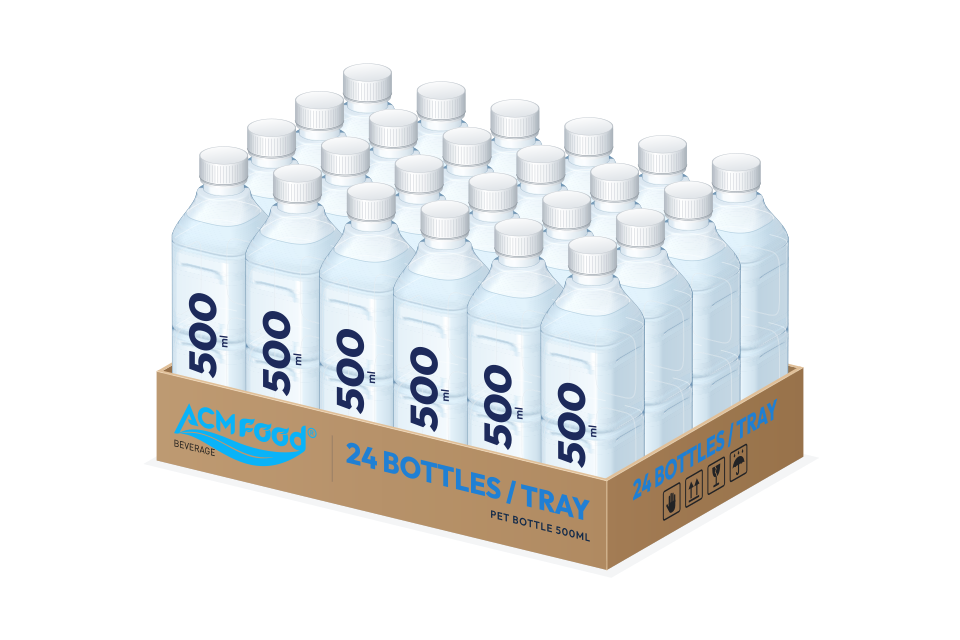
The 500ml PET bottle moves through convenience, supermarket chillers, cash-and-carry and foodservice without adjustment, and 18 months of ambient stability removes any cold-chain requirement — the reason the format works for distributors covering long inland routes from a single depot.
Terms
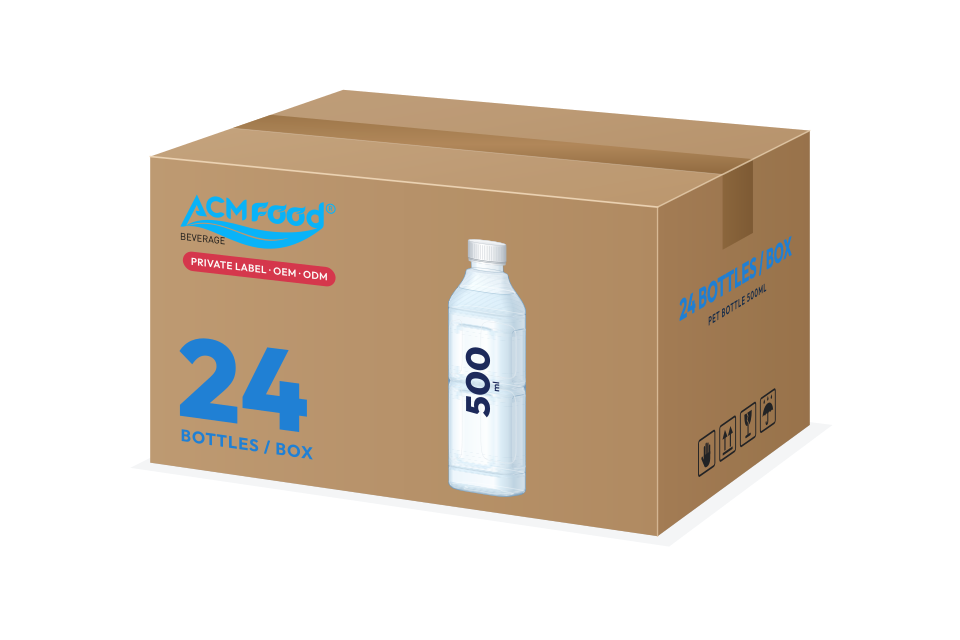
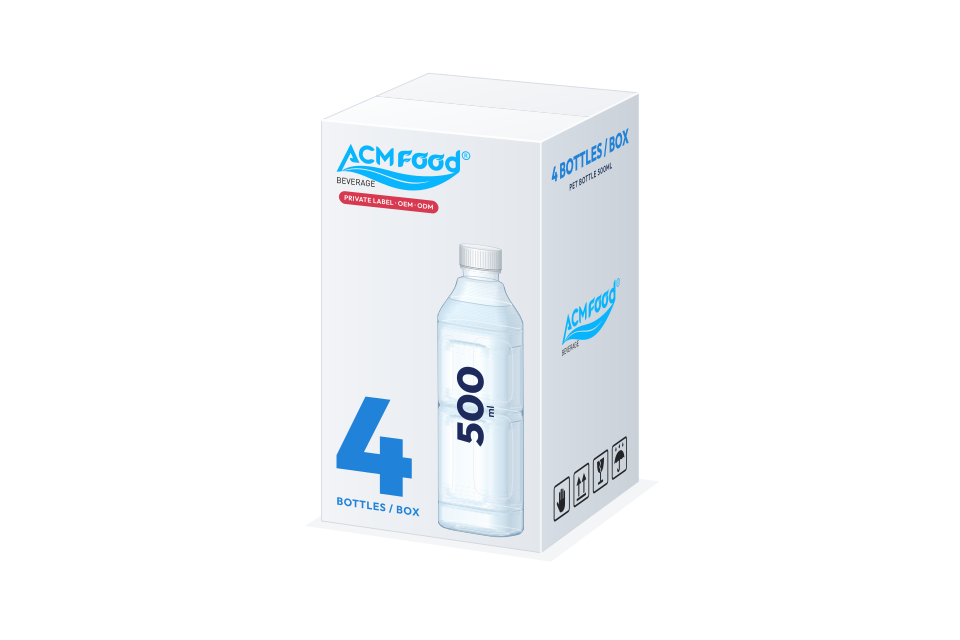
FSSC 22000, ISO 22000 and HACCP govern production, with retained samples and batch traceability on every run. 20,000 cartons daily, 500 cartons per flavour minimum, 15 to 30 day lead time from artwork approval, T/T, FOB Ho Chi Minh City Port. Mango intensity, ripe-sweet against fresh-green character, sugar level, juice content declaration, pulp ratio and full packaging design are set per order. Line details and artwork workflow are covered under OEM beverage manufacturing.