
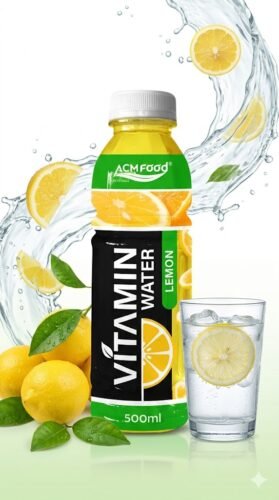
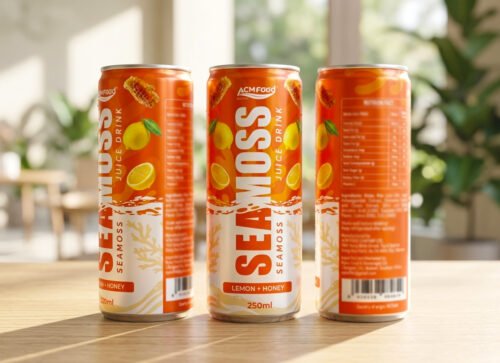
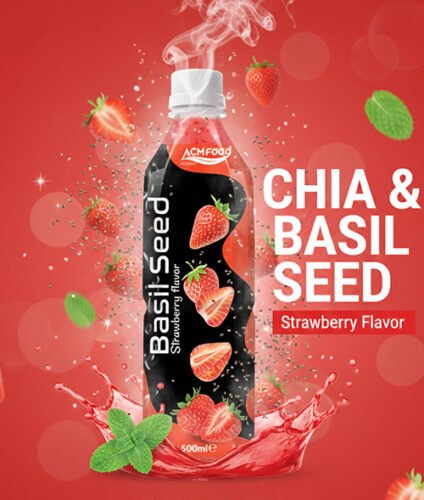
During storage, juice keeps its sugars, potassium and other minerals, but vitamin C, some B vitamins and aroma gradually decline — faster at warm temperatures, with oxygen in the pack, and after opening. Shelf-stable juice stored below about 25 °C keeps most of its vitamin C for months; stored hot, losses can be much larger.
Key facts at a glance
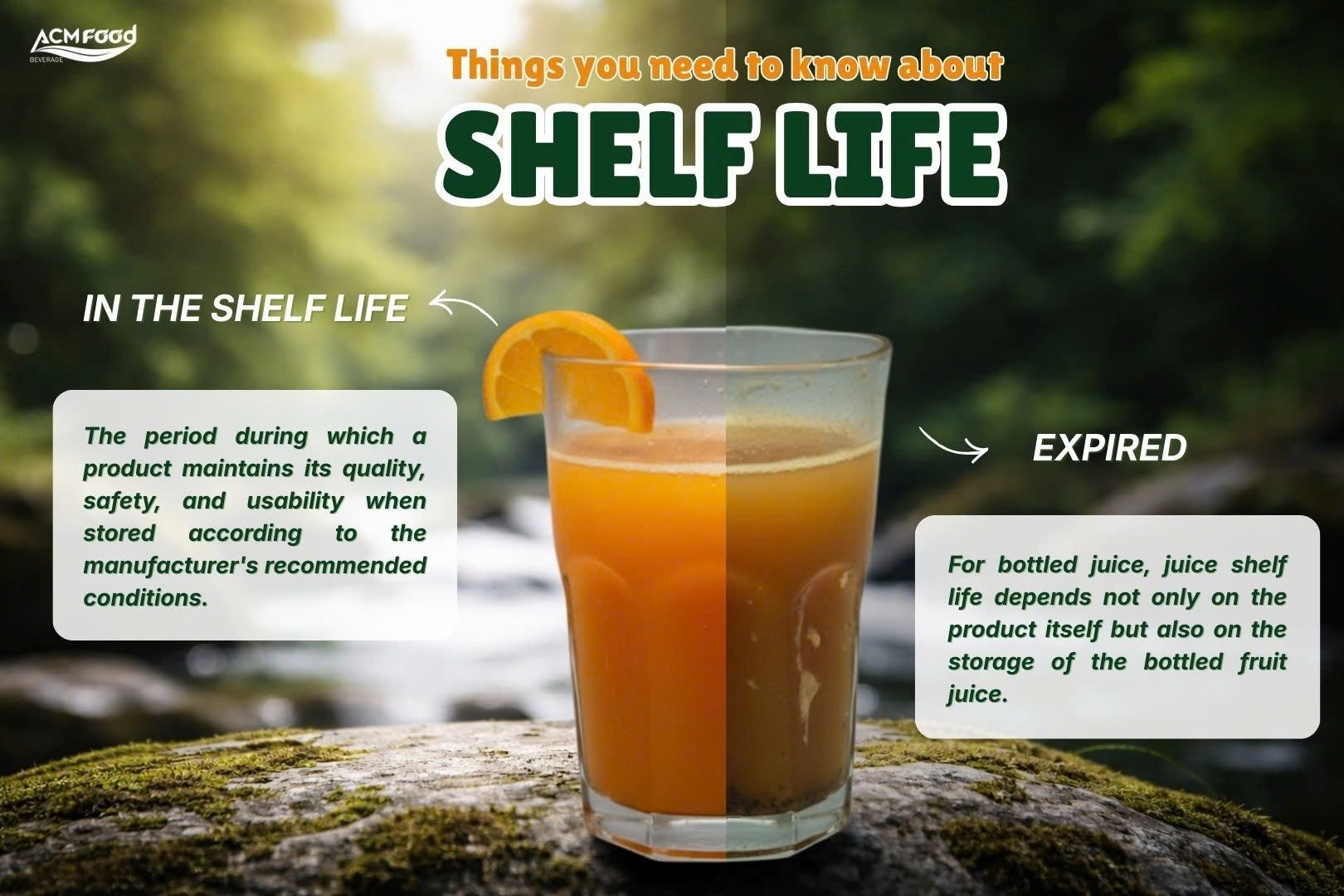
- Shelf life is the period a product stays safe and of acceptable quality under stated storage conditions.
- Vitamin C is the most sensitive nutrient; it breaks down with oxygen, heat and light.
- Minerals and sugars are stable.
- “Best before” is about quality; “use by” is about safety.
- Packaging barrier matters: cans, glass and aseptic cartons block oxygen better than standard PET.
What changes during storage
| Component | Stability | Main cause of loss |
|---|---|---|
| Vitamin C | Low | Oxygen, heat, light |
| Folate, some B vitamins | Moderate | Heat, light |
| Carotenoids (e.g. beta-carotene) | Moderate | Light, oxygen |
| Polyphenols | Moderate | Oxidation, browning |
| Potassium and minerals | High | None significant |
| Sugars | High | None significant |
| Aroma and colour | Low to moderate | Oxidation, heat |
Shelf life by juice type
| Type | Typical shelf life | Storage |
|---|---|---|
| Freshly squeezed, unpasteurised | 1–3 days | Refrigerated |
| HPP (cold-pressed) | About 30–60 days | Refrigerated |
| Pasteurised, chilled | Several weeks | Refrigerated |
| Hot-filled or aseptic | 9–24 months | Ambient |
Factors that affect losses
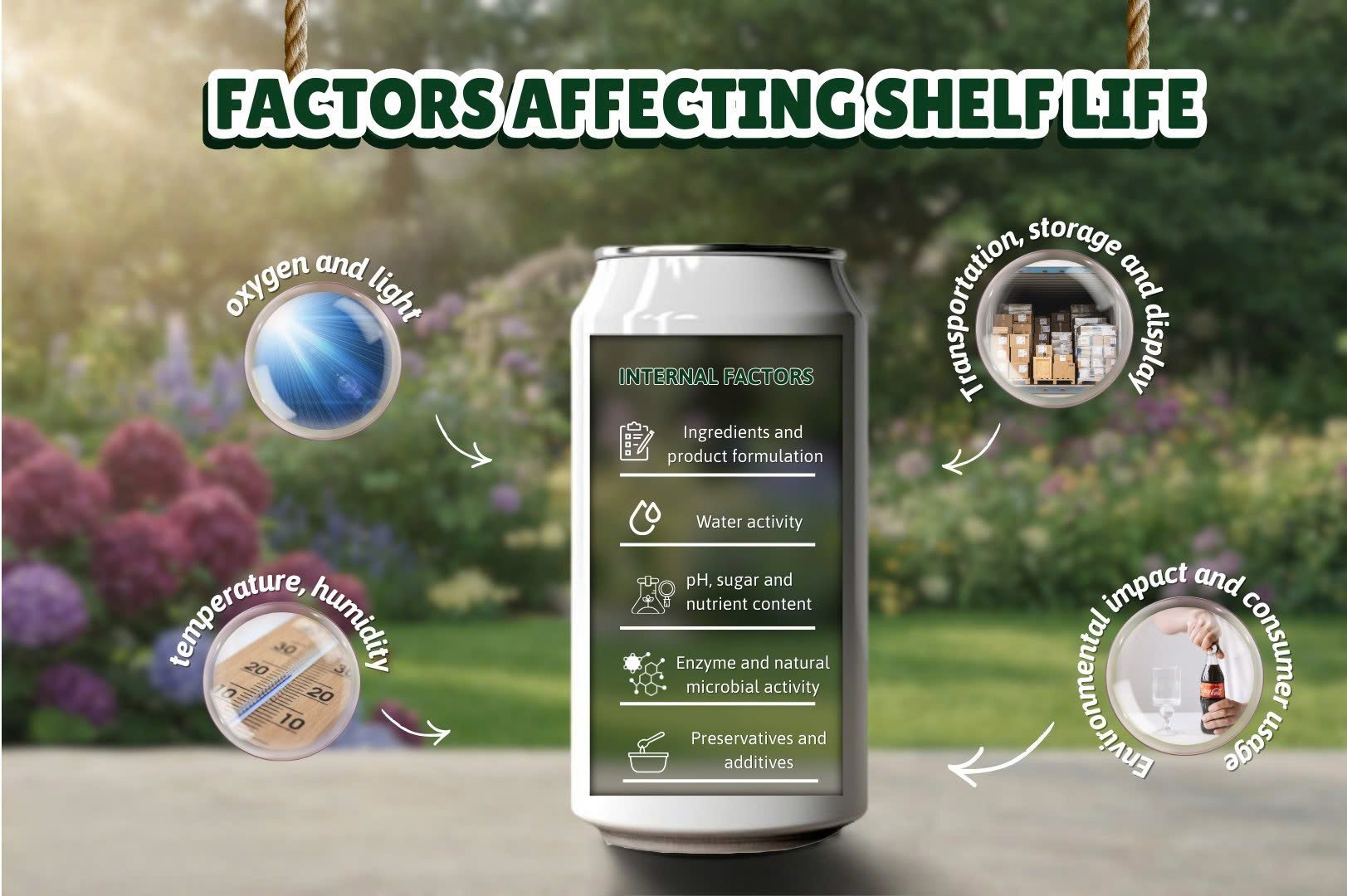
- Storage temperature — the biggest factor after opening; warm warehouses and containers accelerate losses.
- Oxygen — dissolved oxygen and headspace; deaeration before filling helps.
- Light — clear packs expose juice to light.
- Processing — shorter, well-controlled heat treatment preserves more.
- Packaging barrier — cans, glass and aseptic cartons outperform standard PET.
Practical advice
- Consumers: store unopened juice somewhere cool; refrigerate after opening and finish within about 7 days (check the label).
- Buyers: ask for vitamin C test results at the end of shelf life before printing a nutrition claim, and control temperature in transit.
Frequently asked questions
Does juice lose nutrients over time?
Yes, mainly vitamin C and aroma. Minerals and sugars remain.
Is juice past its best-before date safe?
Unopened shelf-stable juice slightly past best-before is usually safe but may taste flat and contain less vitamin C. Discard if the pack is swollen or the juice smells off.
How long does juice last after opening?
About 5–7 days refrigerated for pasteurised juice; 1–3 days for fresh juice.
Is cold-pressed juice more nutritious?
It may keep more vitamin C and aroma initially, but it has a short, refrigerated shelf life and losses continue during storage.
Juice from ACM Beverage
ACM Beverage produces shelf-stable juices in Vietnam for OEM and private label customers. See the fruit juice range. Related reading: NFC and concentrate explained and how consumers choose bottled juice.