
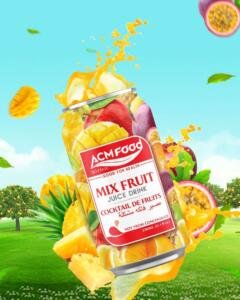
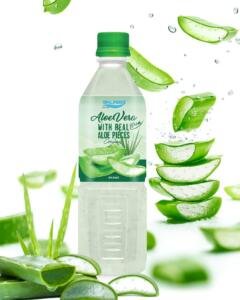
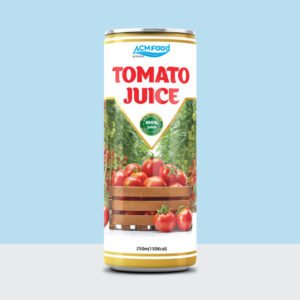
The price of bottled fruit juice is set by seven main factors: juice content, raw fruit cost and season, processing method, packaging, order volume, certification and logistics. Juice percentage and packaging usually move unit cost the most. A 100% NFC juice in glass can cost several times a 25% nectar in PET of the same size, before freight is added.
Key facts at a glance
- Juice percentage is the single largest ingredient cost driver.
- Fruit prices move with harvests, weather and currency; contracts should say how price changes are handled.
- For small packs, packaging can cost as much as the liquid inside.
- Volume and SKU count change unit cost through line changeovers and minimum print runs.
- Freight depends on weight per container: cans and PET ship more product than glass.
The seven cost factors
| Factor | What changes cost | How buyers can manage it |
|---|---|---|
| 1. Juice content | 100% juice vs nectar vs juice drink | Match juice % to price point and label rules |
| 2. Raw fruit | Season, weather, variety, NFC vs concentrate | Agree price-review clauses; allow concentrate where acceptable |
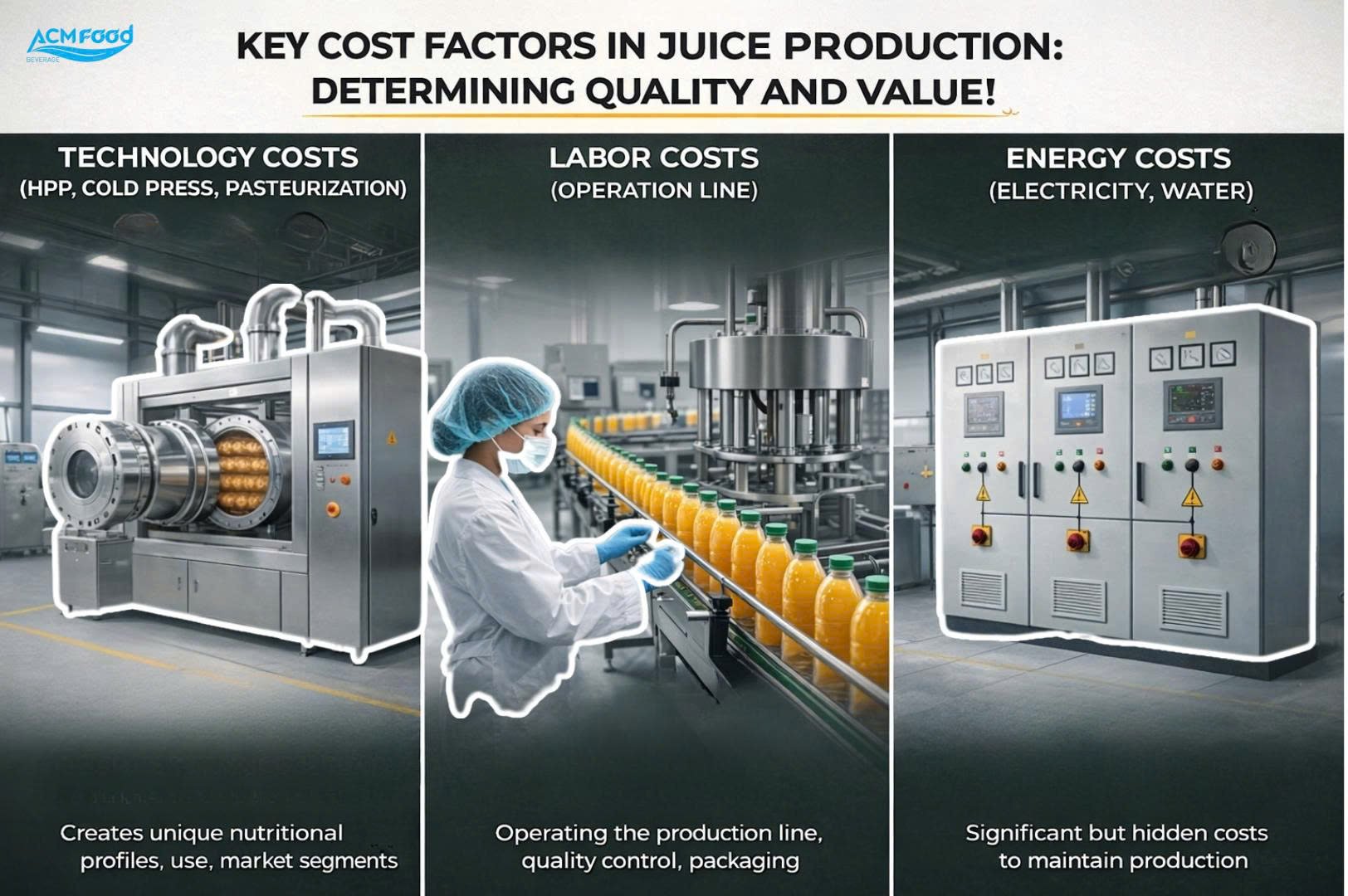
| 3. Processing | Pasteurisation, aseptic, HPP, cold chain | Choose the lowest-cost process that meets shelf-life needs |
| 4. Packaging | Material, size, printing, closures | Use standard formats; limit custom moulds |
| 5. Volume and SKUs | Run length, changeovers, print minimums | Consolidate SKUs; order full containers |
| 6. Compliance | Certifications, testing, market labelling | Confirm what each market actually requires |
| 7. Logistics | Weight, route, Incoterm, reefer vs dry | Shelf-stable formats avoid refrigerated freight |
1–2. Juice content and raw fruit
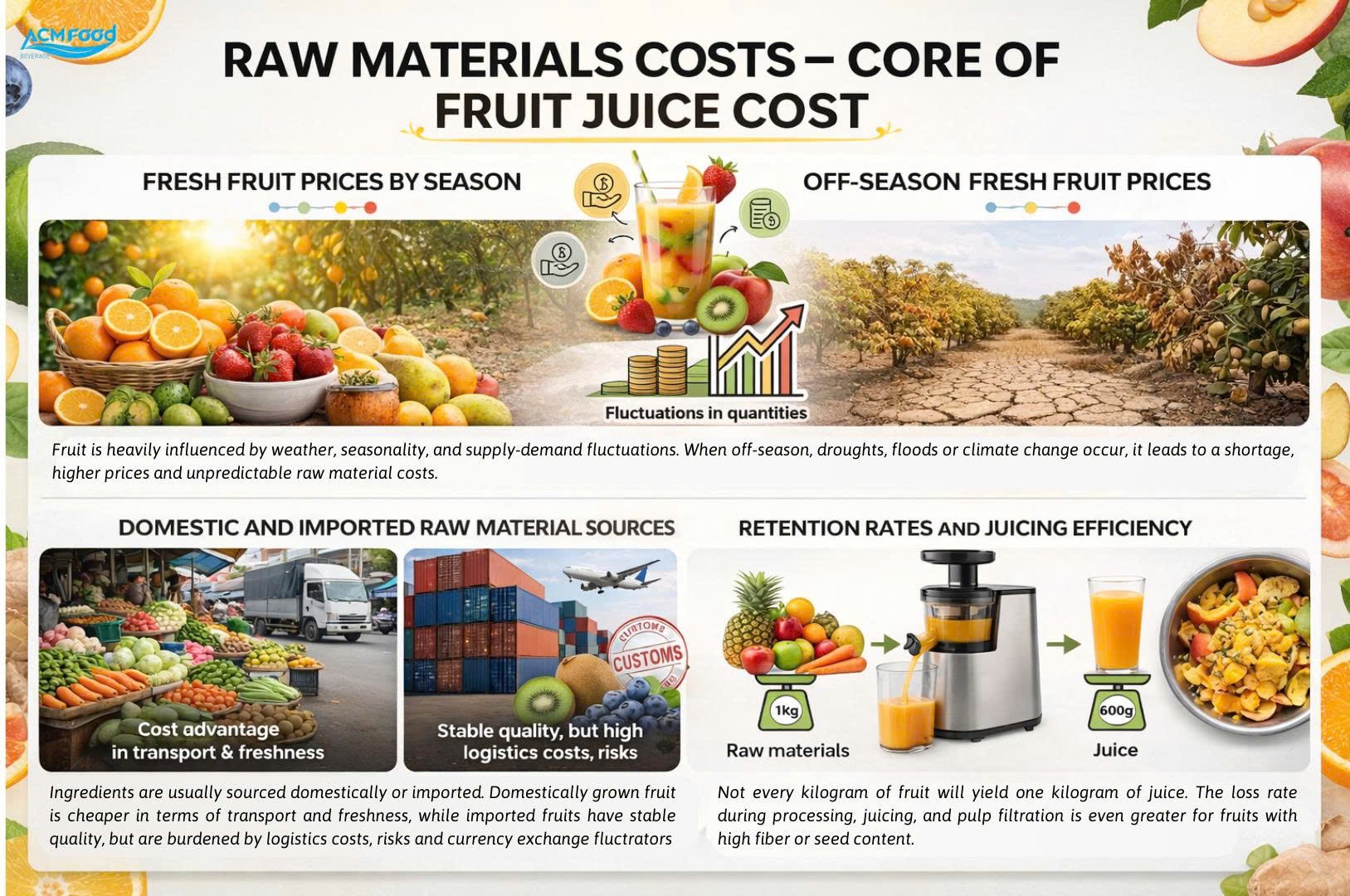
Fruit is the most volatile cost. Droughts, floods and poor harvests can raise prices sharply within a season. NFC juice must be packed near harvest or stored aseptically, while concentrate stores and ships cheaply, which is why concentrate-based juice usually costs less. Processing yield matters too: fruit that gives less juice per tonne costs more per litre.
3. Processing
- Hot-fill and pasteurisation: lowest cost, shelf-stable.
- Aseptic filling: better flavour retention, higher equipment cost.
- HPP (high pressure): premium fresh taste, but needs cold chain and has a short shelf life.
4. Packaging
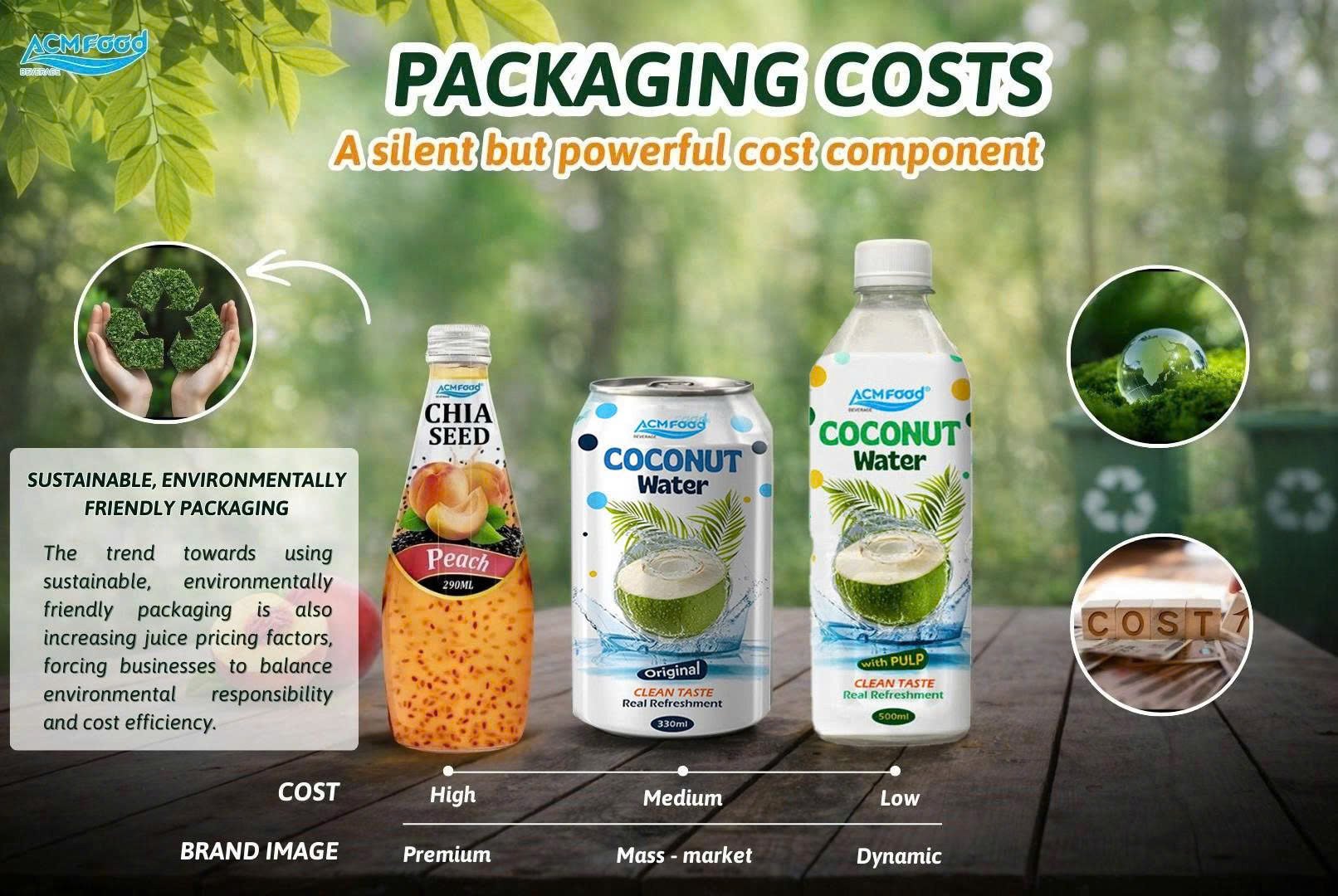
| Format | Relative cost | Notes |
|---|---|---|
| PET bottle | Low | Light; lower barrier to oxygen |
| Carton | Low to medium | Good barrier; aseptic lines needed |
| Aluminium can | Medium | Full barrier; printed cans have minimum runs |
| Glass | High | Premium; heavy, raises freight |
5–7. Volume, compliance and logistics
- Volume: each changeover wastes time and product; fewer SKUs in longer runs lower unit cost.
- Compliance: Halal, organic or market-specific testing add cost; only pay for what your channel needs.
- Logistics: quote on a clear Incoterm (FOB, CIF, DDP) so prices are comparable between suppliers.
Frequently asked questions
Why is NFC juice more expensive than juice from concentrate?
NFC must be processed near harvest or stored aseptically in large volumes, while concentrate is compact and cheap to store and ship.
Does packaging really affect juice price that much?
Yes. For small single-serve packs, the container, closure and label can cost as much as the juice.
How can I lower the unit price of private label juice?
Use standard pack formats, consolidate SKUs, order full containers and choose the juice percentage your market actually needs.
Why do juice prices change between orders?
Fruit prices follow harvests and weather, and packaging materials follow commodity prices such as aluminium and PET resin.
What Incoterm should I use?
FOB is common for buyers with their own forwarder; CIF or DDP suit buyers who want a delivered price. Compare suppliers on the same term.
Juice sourcing with ACM Beverage
ACM Beverage manufactures bottled and canned juices in Vietnam for OEM and private label customers, in facilities certified to ISO 22000, FSSC 22000 and HACCP, exporting to more than 40 countries. See the fruit juice range. Related reading: cans, PET or glass and how consumers choose bottled juice. For a quotation, contact our export team.