
Energy drinks and vitamin drinks both sit under the functional beverage umbrella, but they work through genuinely different mechanisms, serve different consumer occasions, and carry different formulation and regulatory considerations. An energy drink delivers an acute, short-term effect through caffeine and other stimulants, felt within a few minutes and gradually fading within a few hours, while a vitamin drink supports a more gradual, cumulative nutritional benefit that a consumer would not expect to feel immediately at all. Confusing the two, or trying to build a single product that does both jobs equally well, tends to produce a genuinely muddled result rather than a strong, clear entry in either category.
This guide compares the two concepts directly and in detail, focused on the mechanism, occasion, pricing and formulation differences that should genuinely drive a brand’s choice between them.

How the two concepts actually work
An energy drink’s functional effect comes primarily from caffeine, often supported by other stimulants and sometimes B vitamins, working through the nervous system to produce a felt increase in alertness and reduction in perceived fatigue within a short window after consumption. This is a mechanism a consumer can directly sense, which is exactly why energy drinks are consumed at a specific moment of need, before a workout, during a long drive, or through an afternoon slump, rather than as part of a general daily routine unconnected to a specific occasion.
A vitamin drink works differently. Its added nutrients support ongoing physiological processes that a consumer generally cannot feel in the short term, which means the product’s appeal rests on a longer-term health-maintenance story rather than an immediate sensory effect. This is why vitamin drinks are more often consumed as part of a general daily routine, a simple way to cover a nutritional gap, rather than reached for at a specific moment of acute need the way an energy drink is.
This difference in felt effect has a direct implication for how each product needs to earn repeat purchase. An energy drink’s repeat purchase driver is largely mechanical: does the product reliably deliver the same noticeable lift each time, at a price and format the consumer is happy to buy again for that specific occasion. A vitamin drink’s repeat purchase driver is more about sustained trust: does the consumer believe the brand and its formulation are genuinely delivering the nutritional benefit claimed, even though they cannot feel it directly, which places more weight on brand credibility, transparent labeling and consistent quality over time than on any single sensory experience.
Comparing the two concepts directly
| Factor | Energy drink | Vitamin drink |
|---|---|---|
| Primary mechanism | Caffeine and stimulants acting on the nervous system | Nutrients supporting ongoing physiological processes |
| Felt effect | Immediate, noticeable within minutes | Not immediately felt; cumulative benefit |
| Consumption occasion | Tied to a specific moment of need | General daily routine, health-maintenance mindset |
| Key formulation challenge | Caffeine dosing against regulatory limits and consumer safety | Vitamin stability and overage through shelf life |
| Repeat purchase driver | Reliable, consistent acute effect | Trust in the brand’s nutritional credibility |
These differences mean the two categories reward different formulation priorities. An energy drink’s success depends heavily on getting the caffeine and stimulant dose right, effective but within safe and regulatory limits, and consistent from batch to batch, since a noticeably inconsistent effect undermines the product’s core value proposition. A vitamin drink’s success depends more on stability and label accuracy through shelf life, since its value proposition rests on genuinely delivering the stated nutrient content by the time a consumer drinks it, not on a felt effect a consumer can directly verify.
Price sensitivity also tends to play out differently between the two categories. Energy drinks are frequently purchased on impulse at a moment of acute need, which can support a premium price point relative to a standard soft drink, since the consumer is paying for the immediate functional benefit as much as the flavor. Vitamin drinks compete more directly against a wider range of everyday beverage alternatives, since the purchase decision is less tied to an urgent need, which can make price positioning a more delicate balance between covering the added formulation cost and staying within what a routine, repeat-purchase shopper is willing to pay.

Regulatory and labeling differences
Energy drinks in many markets carry very specific caffeine content disclosure requirements and, in some jurisdictions, mandatory warning labels or genuine restrictions on marketing to younger consumers, reflecting the stimulant’s more immediate physiological effect. Vitamin drinks are instead governed primarily by nutrient reference values and permitted health claim wording, an entirely different regulatory framework focused on accurate labeling of nutritional content rather than stimulant safety disclosure specifically. A brand should confirm carefully which specific regulatory framework applies to its concept early, since building a brief around the wrong framework’s assumptions can lead to genuinely significant label rework later in development.
Can a single product combine both?
A hybrid product combining energy and vitamin positioning is genuinely possible and reasonably common in practice, particularly where B vitamins are included alongside caffeine in an energy-positioned formulation specifically. This works best when the product is still clearly positioned around its primary, felt benefit, energy, with the vitamin content serving as a secondary, supporting element rather than the two being presented as equally weighted claims. A product trying to lead equally with both an acute energy claim and a long-term nutritional claim risks diluting both messages rather than strengthening either.
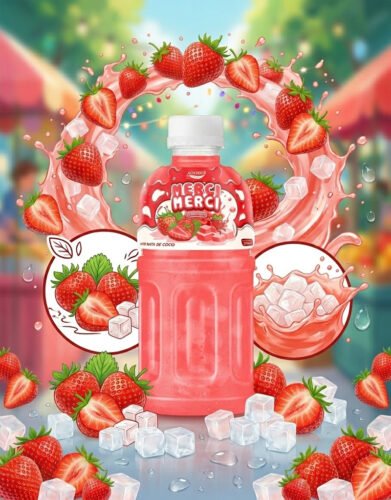
A naturally functional base, such as a coconut milk drink with nata de coco, illustrates a different kind of functional positioning entirely, one built on ingredient-inherent richness and texture rather than either an acute stimulant effect or an added vitamin claim, a useful reminder that functional positioning does not have to fall into either the energy or vitamin category to succeed.
Building a decision framework for choosing between the two
Five inputs help a brand decide which concept, or combination, fits its specific goals.
- Target consumer occasion. Decide whether the product serves an acute moment of need or a general daily routine.
- Desired felt effect. Confirm whether the brand wants a product with an immediately noticeable effect or a longer-term nutritional story.
- Regulatory framework fit. Identify which regulatory requirements, caffeine disclosure or nutrient claim substantiation, apply to the chosen concept.
- Formulation priority. Weigh caffeine dosing consistency against vitamin stability and overage as the primary technical challenge to solve.
- Hybrid positioning clarity. If combining both, decide which claim leads and which plays a supporting role.
Common mistakes when choosing between the two concepts
A consistent set of avoidable errors accounts for much of the friction brands encounter when developing in this space.
- Building a product with two equally weighted claims. A drink trying to be equally strong as an energy product and a vitamin product often communicates neither benefit clearly.
- Applying vitamin drink regulatory assumptions to an energy product. Caffeine disclosure and marketing restrictions are a separate regulatory framework from nutrient claim rules and need their own compliance review.
- Underestimating caffeine dosing consistency. An energy drink with an inconsistent stimulant effect between batches undermines the trust the category depends on.
- Assuming a vitamin claim needs no stability work because it is “just vitamins.” Vitamin degradation over shelf life is a genuine technical challenge that needs the same rigor as any other functional claim.
Each of these is avoidable by choosing a clear primary positioning and building the formulation and regulatory approach around that specific mechanism, rather than blending the two categories’ requirements without a clear priority. A brand uncertain which category best fits its concept benefits from mapping the target consumer’s actual moment of use in detail before finalising a direction, since that occasion is usually the clearest signal for which mechanism, immediate or cumulative, the product genuinely needs to deliver.
Frequently asked questions
Which category generally has lower development cost, energy or vitamin drinks?
This varies by specific formulation, but neither category is reliably cheaper across the board. An energy drink’s main cost driver is caffeine and stimulant sourcing plus dosing consistency testing, while a vitamin drink’s main cost driver is stability testing and overage calculation, and both can be significant depending on the specific ingredients and claim ambitions involved.
Do energy drinks always need to carry a warning label?
This depends on the target market’s specific regulations and the product’s caffeine content relative to that market’s defined thresholds. Confirming the exact requirement for the target market before finalising the label is essential, since requirements vary considerably between countries.
Is a low sugar formulation more common in energy drinks or vitamin drinks?
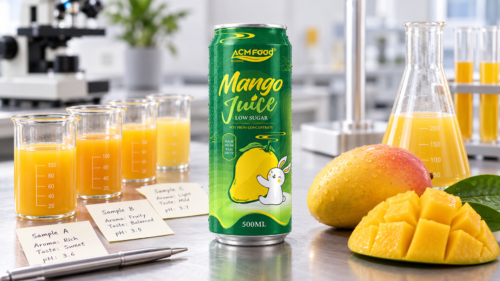
Both categories increasingly favour lower sugar positioning, reflecting broader health-conscious shopper trends. A product such as low sugar mango juice shows how a lower sugar approach can pair with a fruit-forward, health-positioned base, a pattern that applies to functional products in either category.
Can a sparkling or carbonated format work for either category?
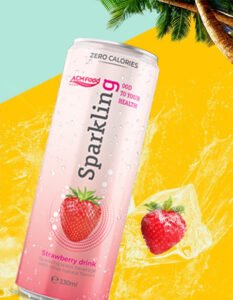
Yes, carbonation works well across both, adding a refreshment quality that pairs naturally with an energy occasion and equally well with a vitamin-positioned product, as illustrated by a format such as coconut sparkling ice. The choice of format is largely independent of whether the product leads with an energy or vitamin claim.
How should a brand decide which category to prioritise for its first functional product?
This should come back to the target consumer’s actual behaviour rather than category preference alone. A brand whose target shopper has a clear, repeated moment of need, before a workout or during a long commute, is usually better served starting with an energy positioning, while a brand whose shopper is more focused on general daily wellness without a specific acute trigger is usually better served starting with a vitamin positioning.
Does packaging design differ meaningfully between energy and vitamin drinks?
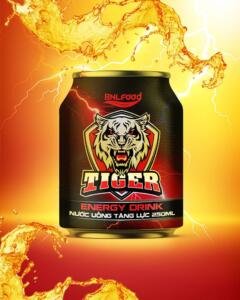
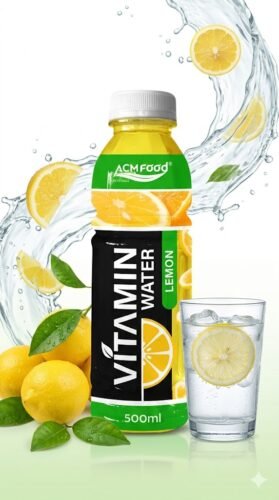
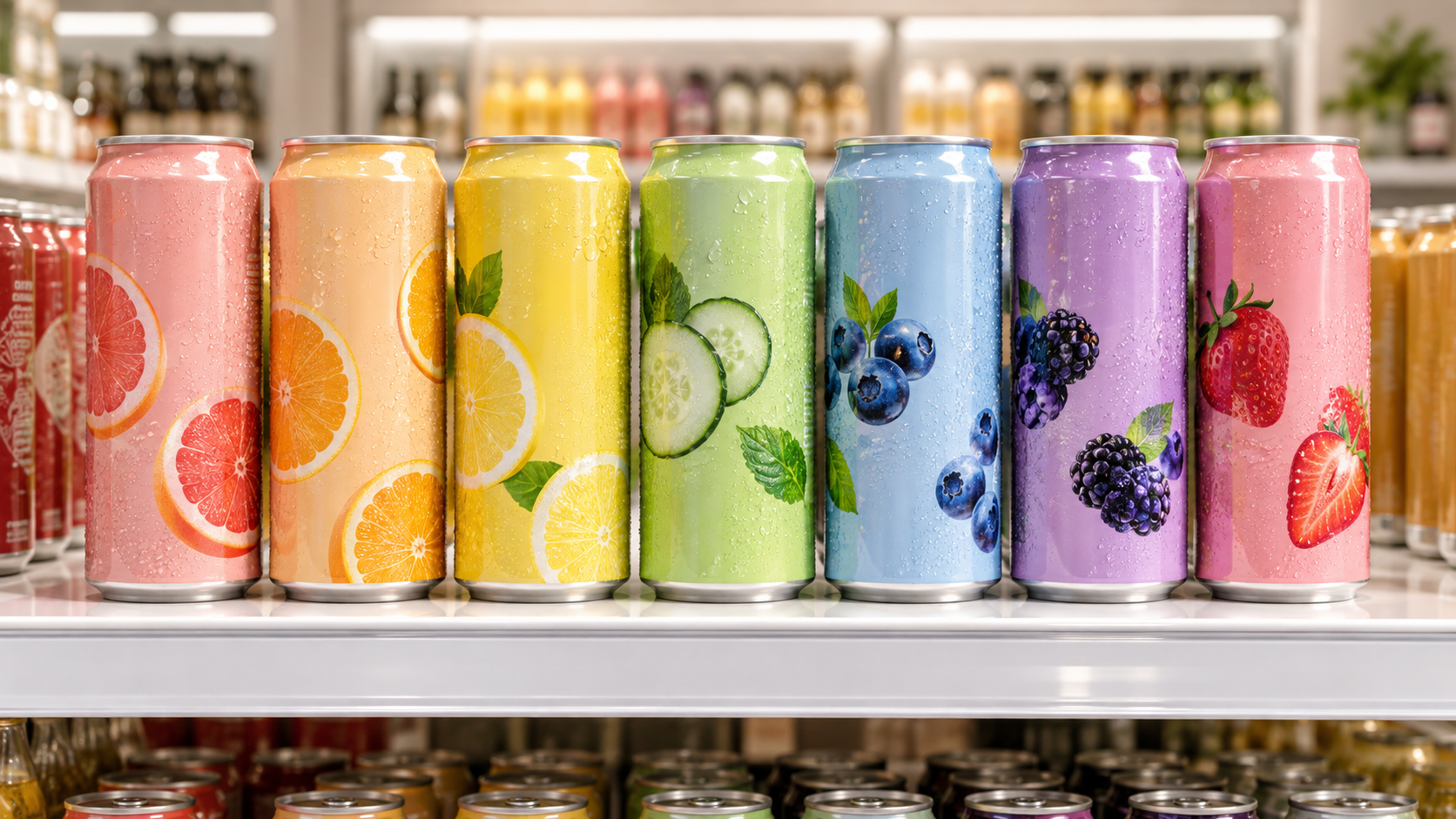
Yes, generally. Energy drinks often use bold, high-contrast packaging designed to stand out quickly in a convenience cooler at the moment of an impulse purchase, while vitamin drinks more often use a cleaner, calmer design that signals everyday wellness rather than urgency. These conventions are not fixed rules, but a brand deviating from them should have a clear reason for doing so.
Starting a functional beverage product brief
Choosing between an energy drink and a vitamin drink concept works best when the decision is grounded in the target consumer’s actual occasion and the desired felt effect, rather than blending both positioning approaches without a clear primary claim.
ACM Beverage develops both energy and vitamin-fortified beverage products and can advise on which concept, or combination, best fits a specific brand’s target occasion and goals before a first order is placed. Reach out through the enquiry and contact page with the target consumer occasion, desired felt effect and positioning in mind to start that conversation, and describing the specific moment a shopper would reach for the product helps clarify which category actually fits the brief.