
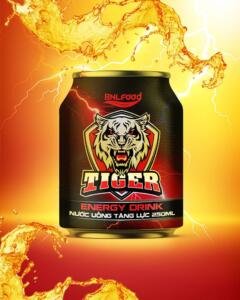
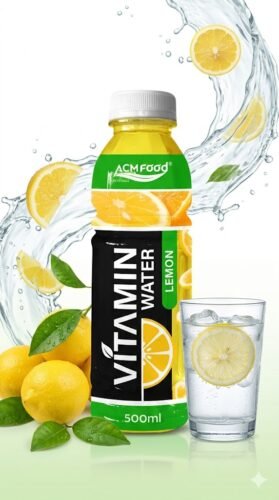
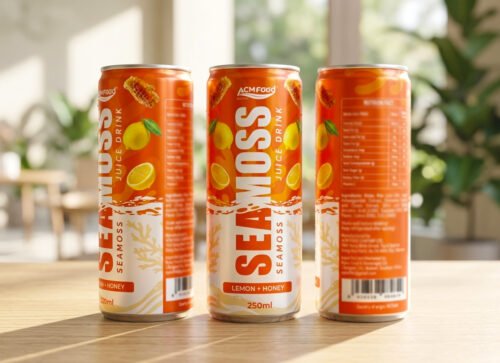
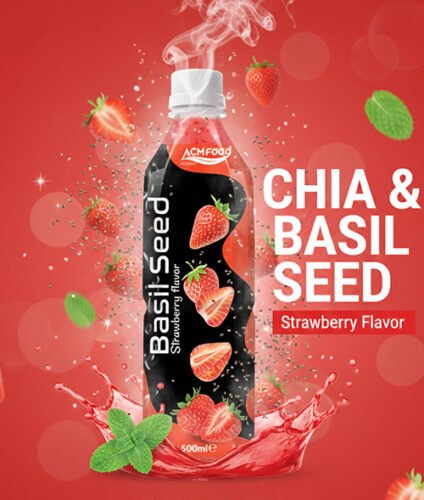
White label, private label and custom beverage development are three genuinely distinct routes to market, and choosing the wrong one for a specific brand’s stage, budget and ambition is one of the most common and most expensive early mistakes a new beverage brand can make. Each of the three routes trades speed and cost against control and differentiation in a different way, and understanding exactly what each term actually means in real practice, rather than treating them as interchangeable synonyms for “not making it myself,” is the first real step to choosing correctly.
This guide compares the three paths directly, sets out clearly what a brand actually gets and gives up with each, and offers a practical framework for deciding which one genuinely fits a specific stage of brand development.
Defining the three routes clearly
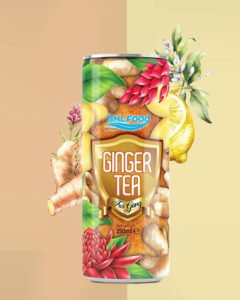
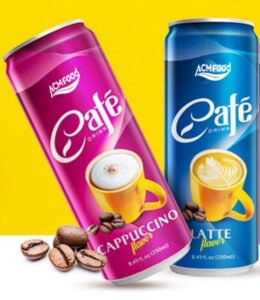
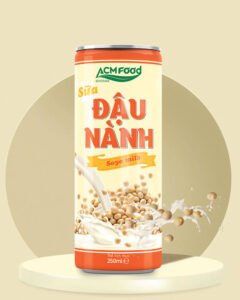
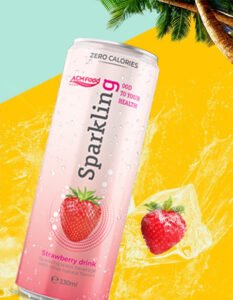
White label describes a manufacturer’s existing, unbranded product that a brand purchases and labels as its own with essentially no formulation changes. It is the fastest and lowest-cost route to shelf, since the recipe, and often much of the packaging specification, is already finished and simply needs a brand’s own label applied. The trade-off is minimal differentiation: other brands can purchase and label the exact same underlying product, so a white label item competes primarily on branding, price and distribution rather than on a genuinely distinctive recipe.
Private label sits a step further along the spectrum. It also starts from an existing manufacturer formula, but typically allows some degree of adjustment, a flavor tweak, a sweetness change, a specific ingredient swap, so the finished product carries some brand-specific character while still building on a proven base rather than starting from nothing. This makes private label meaningfully faster and cheaper than a fully custom development while still giving a brand more ownership over the finished taste than a pure white label purchase allows.
The line between white label and private label is not always drawn identically by every manufacturer, which is worth confirming directly rather than assuming from the terms alone. Some manufacturers use “private label” to describe only a rebranding exercise with no formulation input at all, effectively identical to what this guide calls white label, while others reserve the term for a program that genuinely allows meaningful adjustment. Asking a prospective manufacturer exactly what changes their private label program permits, rather than relying on the label they put on their own offering, avoids a mismatch between what a brand expects and what it actually receives.
Custom beverage development as the third path
Custom development means building a formulation from the ground up, or substantially reworking an existing base, to match a brand’s specific vision for flavor, functional positioning, sweetness and ingredient composition. This route gives a brand the most control and the strongest potential for genuine differentiation, since the finished recipe is not available to any other brand, but it also takes the longest to reach shelf and typically costs considerably more than either white label or private label, since it usually involves multiple formulation trial rounds before a final specification is approved.
Custom development also carries a different risk profile than the other two routes. Because the recipe is unproven at the outset, there is a real chance that early trials will not meet the brand’s expectations, requiring additional rounds of adjustment before a workable formulation is reached, and in rare cases a concept may prove genuinely difficult to execute as originally envisioned, requiring the brand to adjust its expectations rather than the formulation. A brand pursuing custom development should budget both extra time and a degree of flexibility for this iterative reality, rather than assuming the first trial will deliver a finished, market-ready product.
| Route | Speed to shelf | Relative cost | Differentiation level |
|---|---|---|---|
| White label | Fastest | Lowest | Minimal; product is not exclusive to the brand |
| Private label | Fast | Low to moderate | Moderate; some brand-specific adjustment possible |
| Custom development | Slowest | Highest | Highest; fully brand-specific formulation |
A brand does not need to commit to one route permanently. A common and often sensible sequence is to launch a first product through white label or private label to test market response quickly and affordably, then reinvest in a custom development for a second-generation product once real sales data has confirmed the category is worth the additional investment.

Matching the route to brand stage and goals
A brand’s actual priority at a given moment should drive this decision more than a general preference for control or speed in the abstract. A brand testing whether a category or flavor direction has genuine market appeal before committing significant capital is usually better served by white label or private label, since the lower cost and faster timeline let the brand gather real sales evidence without a large upfront bet. A brand that has already validated demand and is building a long-term, differentiated identity is better served by custom development, since the investment in a unique recipe pays off over a longer horizon of repeat sales and brand equity.
Budget constraints matter here as much as strategic intent. A brand with limited capital may simply not have the option of a lengthy custom development, regardless of how much differentiation it would prefer, and forcing a custom project without adequate budget often produces a worse outcome than a well-executed private label launch would have delivered. Being honest about actual available budget and timeline, rather than defaulting to the most ambitious route because it sounds more impressive, leads to a more realistic and ultimately more successful first launch.
Building a decision framework for choosing a route
Five inputs help a brand choose confidently among the three paths.
- Available budget and timeline. Confirm realistically what the brand can afford and how quickly it needs to reach shelf.
- Differentiation priority. Decide how important a genuinely unique recipe is to the brand’s positioning versus a faster, lower-cost route.
- Market validation stage. A brand still testing demand is often better served by white label or private label before committing to custom development.
- Long-term brand vision. Consider whether the current product is a test or the foundation of a long-term brand identity that deserves a custom formulation.
- Manufacturer capability. Confirm which routes a prospective manufacturer actually offers well, since capability varies by supplier.
Common mistakes when choosing between the three routes
A consistent set of avoidable errors accounts for much of the friction brands encounter when making this decision.
- Committing to a full custom development before validating market demand. A brand that invests heavily in a unique recipe before confirming shoppers actually want the category risks a costly product that never finds its audience.
- Choosing white label and expecting strong differentiation. A white label product is not exclusive, so a brand relying on it for a long-term differentiated identity is working against the format’s basic nature.
- Underestimating custom development’s timeline. A brand expecting a custom product to reach shelf as quickly as a private label one often finds itself behind a planned launch date.
- Treating the choice as permanent rather than sequential. A brand that assumes it must pick one route forever misses the option of starting lean and reinvesting in custom development once demand is proven.
Each of these is avoidable by matching the route deliberately to the brand’s actual current stage, budget and validation needs, rather than defaulting to whichever option sounds most appealing in principle. A brand willing to have an honest internal conversation about where it truly sits on the validation-to-differentiation spectrum, rather than assuming the most ambitious route is automatically the right one, tends to make a choice it does not need to reverse a few months into the project.
Frequently asked questions
Can a brand switch from white label to private label or custom development later?
Yes, this is a common progression. A brand often starts with white label or private label to test a category affordably, then moves to a more customized or fully custom formulation for a second-generation product once sales data justifies the additional investment.
Is private label always a meaningful step up from white label in terms of differentiation?
It depends on how much adjustment a specific manufacturer allows within their private label offering. Some private label programs permit substantial flavor and sweetness customization, while others offer only minor tweaks, so the actual differentiation available should be confirmed with the specific manufacturer rather than assumed from the general private label label alone.
How much more does custom development typically cost compared with private label?
This varies considerably by product complexity, but custom development generally involves meaningfully higher cost due to the multiple formulation trial rounds, dedicated development time and often minimum order quantities tied to a new, unproven recipe. A brand should request a clear cost and timeline estimate for its specific concept rather than relying on a general industry assumption.
Does white label mean the product is lower quality than a custom formulation?
Not necessarily. White label quality depends entirely on the manufacturer’s existing formula, and a well-made white label product can be just as high quality as a custom one. The difference lies in exclusivity and differentiation, not in a fixed quality hierarchy between the three routes.
How should a brand evaluate a manufacturer before committing to any of these three routes?
Requesting samples of the manufacturer’s existing white label or private label offerings, alongside references or case studies from past custom development projects, gives a realistic sense of the quality and capability on offer before any commitment is made. A manufacturer confident in its work should be willing to provide both, and hesitation to share either is worth treating as a signal worth investigating further before proceeding.
What minimum order quantities are typical for each route?
This varies significantly by manufacturer and route, but white label and private label generally carry lower minimum order requirements than a fully custom development, since the underlying formula and production process are already established. A custom development’s minimum order is often higher, reflecting the setup cost of a new, unproven recipe, which is another reason this route typically favours a brand with more validated demand and available capital.
Starting a product development brief
Choosing between white label, private label and custom beverage development works best when the decision is matched deliberately to a brand’s current budget, timeline and validation stage, rather than treated as a fixed choice made once and never revisited.
ACM Beverage offers white label, private label and custom beverage development routes and can advise on which best fits a specific brand’s stage, budget and goals before a first order is placed. Reach out with the target category, budget, timeline and long-term brand vision in mind to start that conversation, and being upfront about where the brand actually stands today, rather than where it hopes to be in a year, generally leads to a more useful first recommendation.