




Tropical Fruits in Modern Bottled Juice Production
In recent decades, the global beverage industry has experienced a marked shift toward products perceived as natural, functional, and flavorful. Among these, bottled fruit juices occupy a significant position, driven by urban lifestyles, rising health awareness, and the demand for convenient nutrition. Within this category, tropical fruits have emerged as particularly popular raw materials. Their distinctive flavors, vibrant colors, and rich nutritional profiles make them highly suitable for bottled juice production, while their strong association with freshness and exotic origins enhances consumer appeal across international markets.
The Rise of Tropical Fruits in Bottled Juices
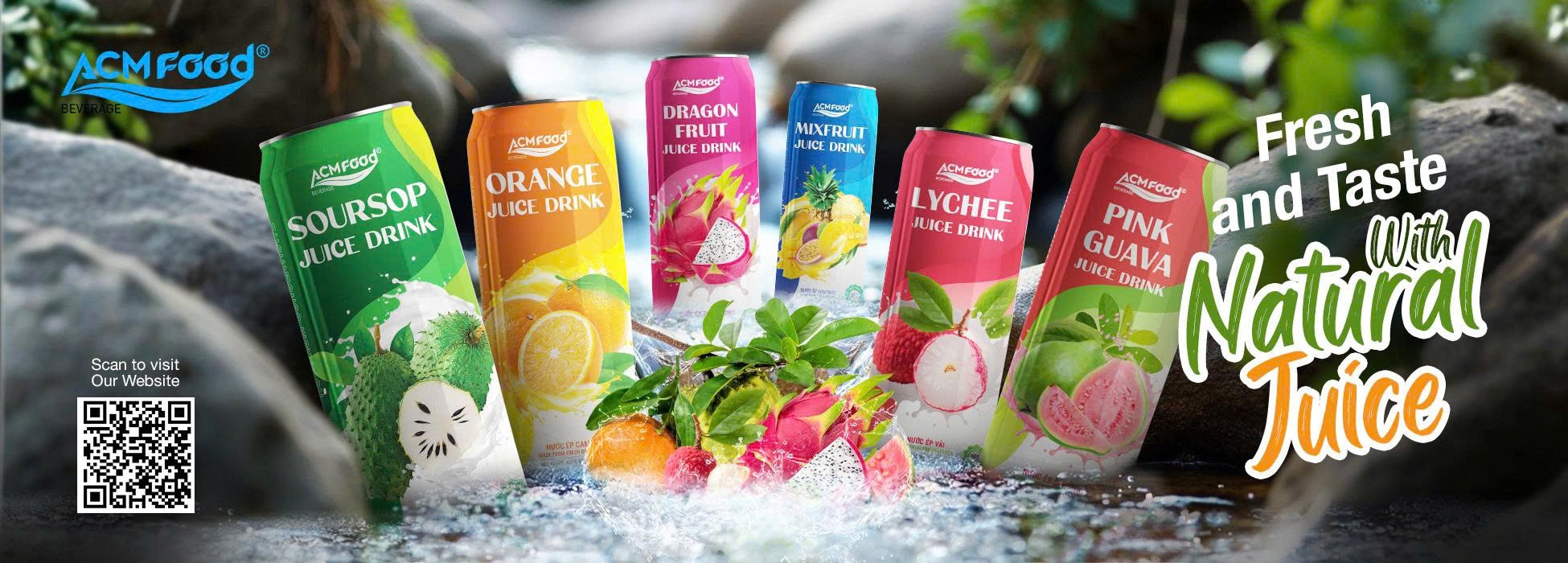
Tropical fruits originate primarily from regions near the equator, where warm climates and abundant rainfall support year-round cultivation. Historically, these fruits were consumed mainly in producing countries or traded in fresh form. However, advancements in food processing technology—such as cold-pressing, aseptic filling, and high-pressure processing (HPP)—have enabled manufacturers to preserve flavor, aroma, and nutritional value more effectively. As a result, tropical fruits are now widely used in bottled juices, nectar blends, smoothies, and functional beverages. From a commercial perspective, tropical fruits offer several advantages. Their naturally high sugar content reduces the need for added sweeteners, aligning well with clean-label trends. Many tropical fruits also contain significant levels of vitamins, minerals, antioxidants, and electrolytes, which can be marketed as health benefits. Furthermore, their bold sensory profiles allow producers to differentiate products in a competitive market, either as single-fruit juices or as components in complex blends.
Consumer Preferences and Market Drivers
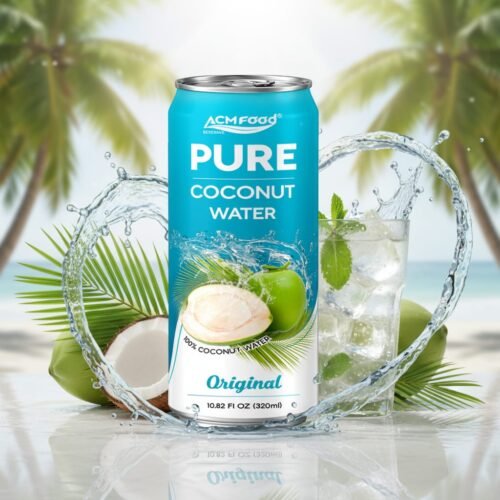
Modern consumers increasingly seek beverages that combine taste with perceived wellness benefits. Tropical fruit juices are often associated with hydration, immune support, digestive health, and energy replenishment. Coconut water, for example, is widely marketed as a natural isotonic drink, while mango and pineapple juices are promoted for their vitamin content and digestive enzymes. In addition, globalization and travel have familiarized consumers with tropical flavors that were once considered niche. Mango, passion fruit, and guava, for instance, are now mainstream in North America, Europe, and East Asia. Sustainability and ethical sourcing have also become important considerations, encouraging juice producers to invest in long-term partnerships with tropical fruit growers and to highlight origin stories on packaging.
Processing and Product Development Considerations
Using tropical fruits in bottled juice production requires careful attention to processing methods. Many tropical fruits are highly perishable and sensitive to heat, oxidation, and enzymatic browning. Manufacturers must therefore balance shelf life with quality retention. Blending tropical fruits with more stable juices, adjusting acidity levels, and applying gentle preservation technologies are common strategies. From a formulation standpoint, tropical fruits are versatile. They can serve as a dominant flavor base or as accent notes that enhance aroma and mouthfeel. Their natural colors—ranging from deep orange to bright pink and pale green—also reduce reliance on artificial colorants, supporting natural product positioning.
Specific List of Tropical Fruits Commonly Used in Bottled Juice Production
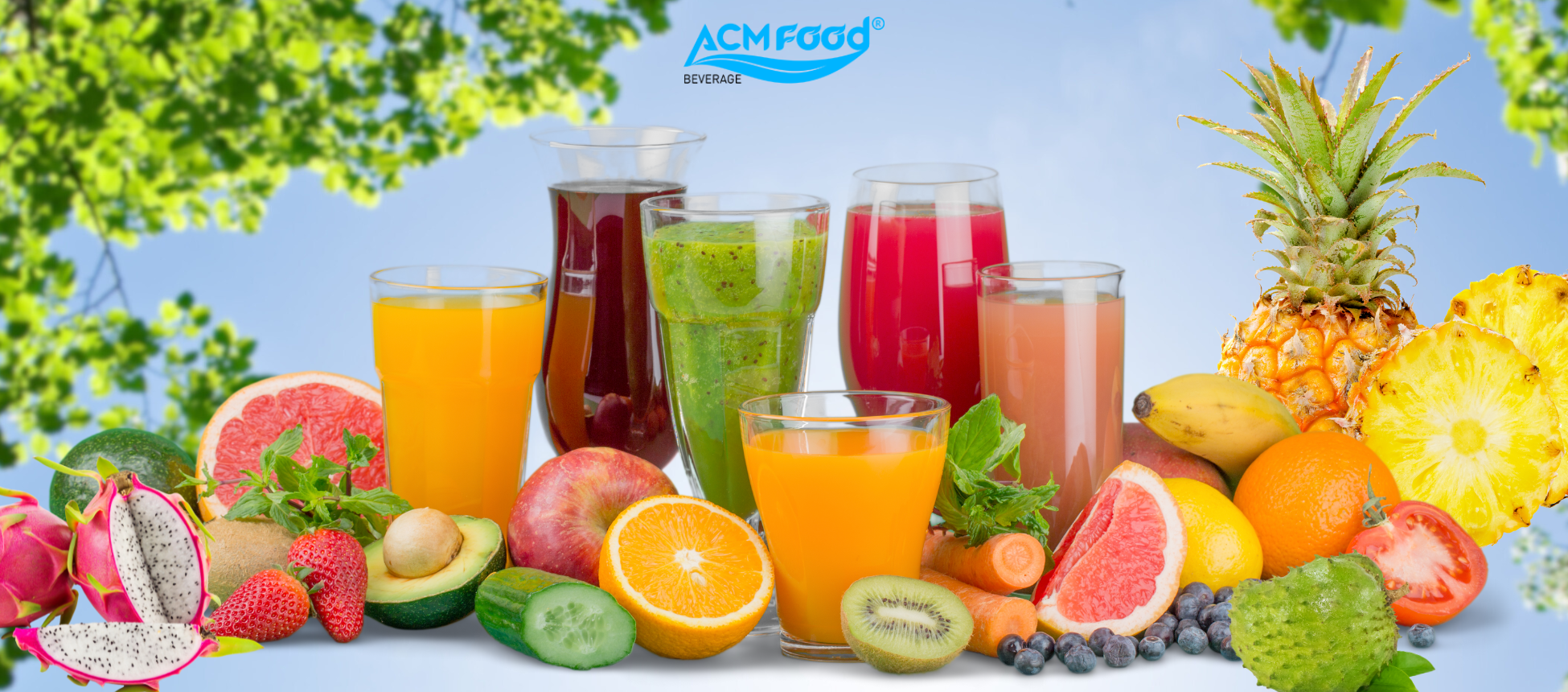
The following is a specific and representative list of tropical fruits that are widely used in bottled juice manufacturing today:
- Mango – Valued for its rich sweetness, smooth texture, and high vitamin A and C content.
- Pineapple – Known for its refreshing acidity and bromelain enzyme, often used in both pure and blended juices.
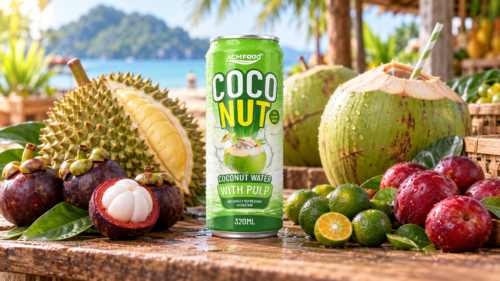
- Coconut (Coconut Water and Coconut Milk) – Popular for hydration and functional beverage applications.
- Passion Fruit – Highly aromatic with a strong, tangy flavor that enhances juice blends.
- Guava – Appreciated for its high vitamin C content and distinctive tropical aroma.
- Papaya – Used for its mild sweetness and digestive enzyme papain.
- Banana – Commonly included in smoothies and juice blends for body and natural sweetness.
- Lychee – Valued for its floral aroma and light, refreshing sweetness.
- Dragon Fruit (Pitaya) – Increasingly popular due to its vibrant color and antioxidant associations.
- Soursop (Graviola) – Used in niche and premium juices for its creamy texture and unique flavor.
- Tamarind – Provides a sweet-sour profile, often used in regional or specialty beverages.
- Jackfruit – Emerging in blended juices and functional drinks due to its tropical aroma and fiber content.
Conclusion
Tropical fruits have become integral to bottled juice production in today’s global beverage market. Their sensory appeal, nutritional value, and versatility align closely with contemporary consumer expectations for natural, flavorful, and functional drinks. As processing technologies continue to improve and supply chains become more sustainable, the role of tropical fruits in bottled juices is likely to expand further. For producers, these fruits represent not only a source of compelling flavors but also a strategic pathway to product differentiation and long-term market growth.