


Contents
- 1 Sea Moss Superfood Trend Reshapes Functional Beverage Landscape
- 2 Market Dynamics Driving Sea Moss Adoption
- 3 Case Study: Premium Sea Moss Juice with Lemon and Honey
- 4 Strategic Opportunities for B2B Partners
- 5 Expert Perspectives on Sea Moss Innovation
- 6 Future Outlook: Sea Moss Beverages 2026-2030
- 7 Frequently Asked Questions (FAQ)
- 7.1 What is driving the sea moss superfood trend in beverages?
- 7.2 How can beverage manufacturers incorporate sea moss into their products?
- 7.3 What are the key considerations for private labeling a sea moss beverage?
- 7.4 Which export markets offer the best opportunities for sea moss beverages?
- 7.5 What is the future growth outlook for sea moss in the functional beverage industry?
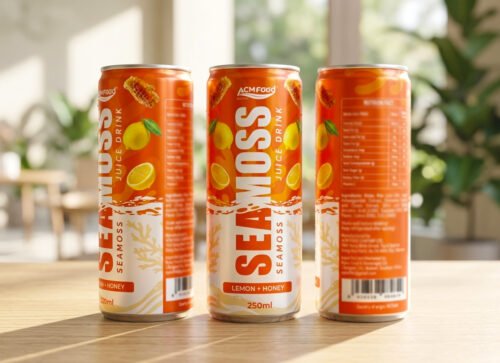
The global beverage industry is witnessing a paradigm shift as consumers increasingly gravitate toward nutrient-dense, functional ingredients. Sea moss, a red algae rich in minerals and vitamins, has emerged as a leading superfood in this transformation. Its integration into ready-to-drink (RTD) formats signals a new era of health-focused innovation. We analyze the Premium Sea Moss Juice with Lemon and Honey 250ml Cans as a case study, illustrating how manufacturers can capitalize on this growing demand.
Sea Moss Superfood Trend Reshapes Functional Beverage Landscape
The global beverage industry is witnessing a paradigm shift as consumers increasingly gravitate toward nutrient-dense, functional ingredients. Sea moss, a red algae rich in minerals and vitamins, has emerged as a leading superfood in this transformation. Its integration into ready-to-drink (RTD) formats signals a new era of health-focused innovation.
This article explores the sea moss superfood trend, its impact on the functional beverage market, and strategic opportunities for B2B partners. We analyze the Premium Sea Moss Juice with Lemon and Honey 250ml Cans as a case study, illustrating how manufacturers can capitalize on this growing demand.
Market Dynamics Driving Sea Moss Adoption
The functional beverage market is projected to reach $208 billion by 2027, growing at a CAGR of 8.66%. Sea moss, known for its immune-boosting and digestive health benefits, is at the forefront of this expansion. Consumer awareness of sea moss has surged 300% over the past five years, driven by social media influencers and wellness advocates.
This surge is not a fleeting fad. A 2023 survey by the International Food Information Council found that 42% of consumers actively seek functional ingredients in beverages. Sea moss, with its high iodine, potassium, and vitamin C content, fits perfectly into this demand. The trend is particularly strong in North America and Europe, where health-conscious millennials and Gen Z drive purchasing decisions.
Key market drivers include a post-pandemic focus on immunity, the rise of plant-based nutrition, and the clean-label movement. Sea moss beverages often feature minimal ingredients, aligning with consumer preferences for transparency. This alignment creates a robust opportunity for brands to differentiate themselves in a crowded market.
Consumer Preferences and Behavioral Shifts
Modern consumers are no longer satisfied with simple hydration. They demand beverages that offer tangible health benefits, from enhanced immunity to improved digestion. Sea moss, often called ‘Irish moss,’ has a long history in traditional medicine but is now gaining mainstream acceptance.
The shift toward preventive healthcare is a major catalyst. Instead of seeking treatment after illness, consumers invest in daily wellness routines. Functional beverages like sea moss juice serve as convenient delivery systems for essential nutrients. This behavioral change is reflected in the 25% annual growth of the functional water and juice segment.
Social media platforms, particularly TikTok and Instagram, have amplified sea moss’s popularity. Videos showcasing sea moss gel recipes and health testimonials garner millions of views. This digital word-of-mouth accelerates adoption, creating a self-reinforcing cycle of demand and innovation.
Case Study: Premium Sea Moss Juice with Lemon and Honey
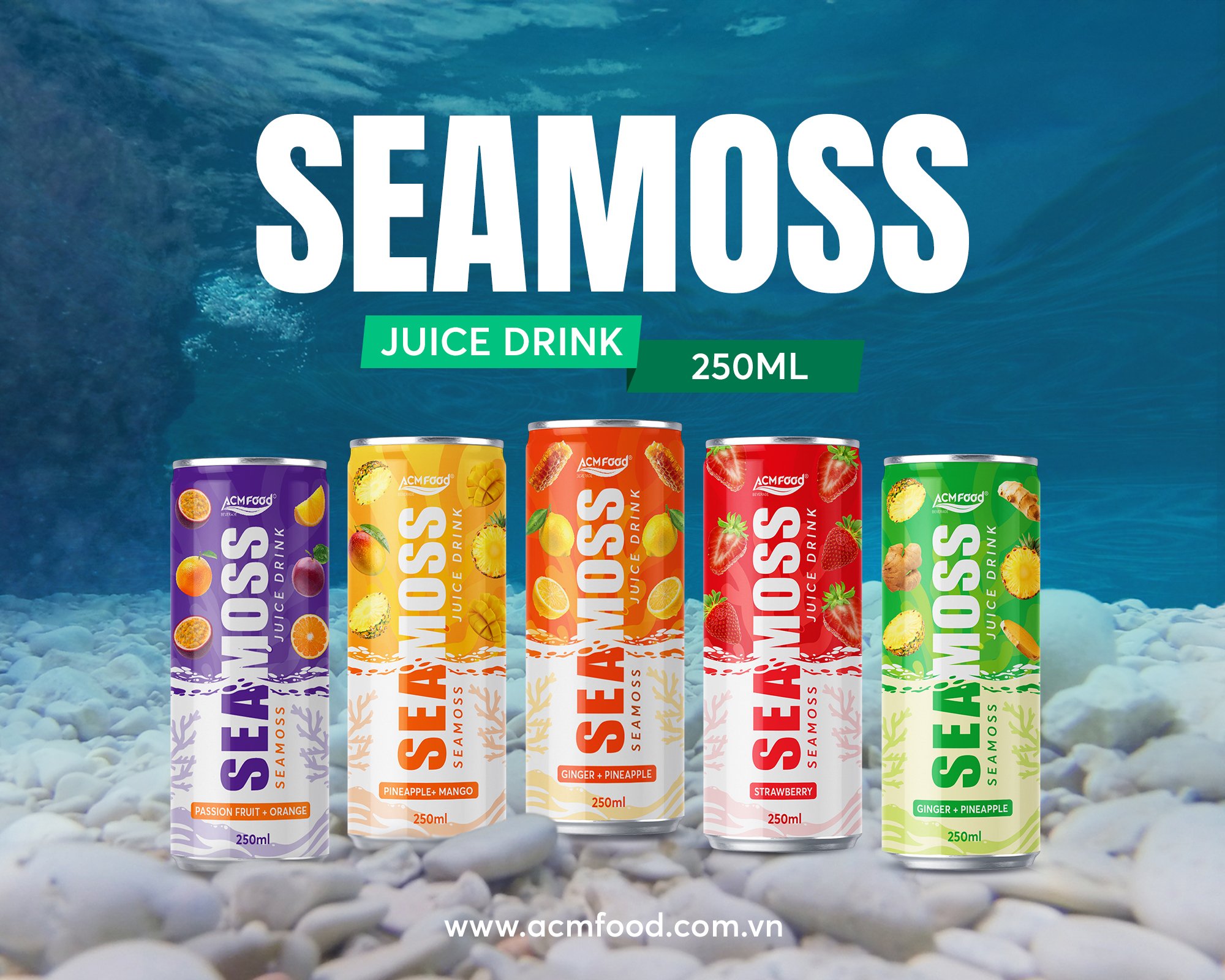
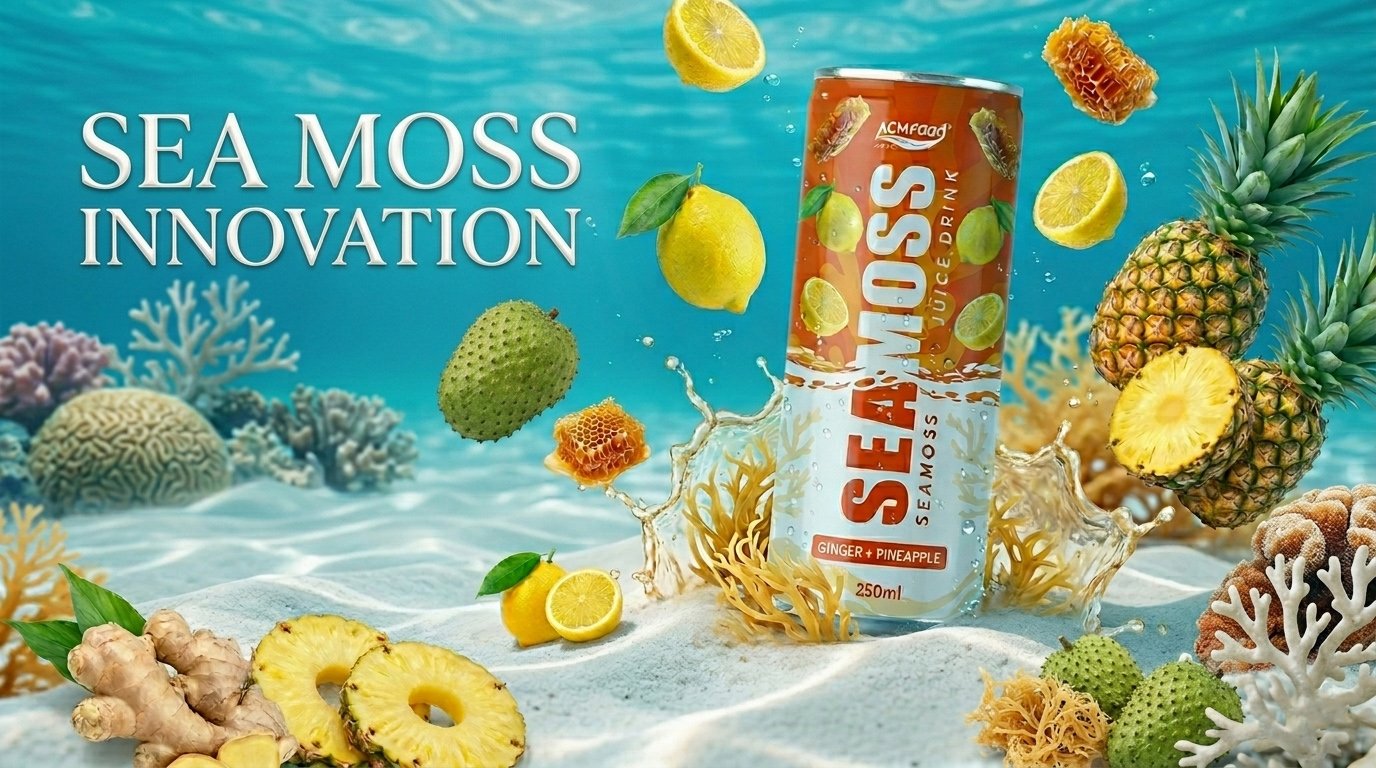
The Premium Sea Moss Juice with Lemon and Honey 250ml Cans exemplifies how manufacturers can leverage the sea moss trend effectively. This product combines sea moss with lemon and honey, creating a flavor profile that masks the algae’s natural earthiness while enhancing its nutritional profile.
Lemon provides vitamin C and a refreshing citrus note, while honey adds natural sweetness and antimicrobial properties. The 250ml can format is ideal for on-the-go consumption, appealing to busy urban professionals and wellness enthusiasts. This product aligns with the clean-label trend, using only natural ingredients without artificial additives.
For OEM partners, this product demonstrates the viability of sea moss as a core ingredient. The manufacturing process involves careful sourcing of high-quality sea moss, processing to preserve nutrients, and packaging in recyclable aluminum cans. This attention to quality is critical for building consumer trust in a nascent category.
From a strategic perspective, the product targets the premium functional beverage segment. Its positioning as a ‘superfood juice’ allows for higher price points and margins. Distributors seeking to enter this space can benefit from the product’s strong market fit and proven consumer appeal.
Strategic Opportunities for B2B Partners
The sea moss trend presents multiple entry points for beverage manufacturers, distributors, and private label brands. OEM flexibility is a key advantage, allowing partners to customize formulations, packaging, and branding. Low minimum order quantities (MOQs) enable smaller players to test the market without significant risk.

Private label services are particularly attractive for retailers and health food chains. By offering their own sea moss beverage under a store brand, companies can capture higher margins and build customer loyalty. The 250ml can format is a versatile option suitable for both single-serve and multi-pack sales.
Export markets represent a substantial growth avenue. The United States and European Union are primary targets due to high consumer awareness and willingness to pay for premium health products. The Middle East and Asia are emerging markets, driven by rising disposable incomes and interest in functional foods.
For distributors looking to differentiate their portfolio, evaluating a manufacturing partner’s agility in low-MOQ production has become a strategic imperative. The ability to quickly adapt to flavor trends and packaging innovations can provide a competitive edge in this fast-evolving category.
Expert Perspectives on Sea Moss Innovation
Industry experts emphasize the importance of authenticity and transparency in the sea moss market. Dr. Sarah Mitchell, a food scientist specializing in functional ingredients, notes that ‘consumers are increasingly skeptical of exaggerated health claims. Brands must back their assertions with credible sourcing and manufacturing practices.’
Another expert, Mark Thompson, a beverage industry consultant, highlights the role of flavor innovation. ‘Sea moss has a unique taste that can be challenging. Successful products balance its mineral notes with complementary flavors like citrus, berries, or tropical fruits. The lemon and honey combination is a proven winner.’

Experts also caution against overprocessing. Sea moss’s nutritional value is best preserved through minimal heat treatment and cold-processing techniques. Manufacturers investing in such technologies will likely lead the market as consumers become more educated about ingredient integrity.
The consensus is clear: sea moss is not a passing trend but a foundational ingredient for the next generation of functional beverages. Companies that invest now in R&D, supply chain, and marketing will be well-positioned to capture significant market share as the category matures.
Future Outlook: Sea Moss Beverages 2026-2030
Looking ahead, the sea moss beverage market is expected to grow at a compound annual growth rate (CAGR) of 12-15% through 2030. This growth will be fueled by product diversification, including sea moss-infused sparkling waters, kombuchas, and protein shakes. The ingredient’s versatility allows for broad application across categories.
Technological advancements in extraction and formulation will improve taste and shelf stability, addressing current barriers to mass adoption. Sustainable sourcing practices will also become a differentiator, as consumers demand ethically harvested seaweed. Brands that prioritize ocean-friendly supply chains will earn consumer loyalty.
Regulatory developments may also shape the market. As sea moss gains popularity, food safety authorities may introduce specific guidelines for heavy metals and iodine content. Proactive compliance will be essential for long-term success. Manufacturers should establish robust quality control protocols now to stay ahead of potential regulations.
In conclusion, the sea moss superfood trend represents a significant opportunity for the beverage industry. By aligning with consumer demand for health, transparency, and convenience, brands can create products that resonate deeply with modern consumers. The premium sea moss juice with lemon and honey is a prime example of how to execute this strategy effectively. For B2B partners, the time to act is now—before the market becomes saturated.
The path forward involves strategic partnerships with experienced OEM manufacturers who can navigate the complexities of ingredient sourcing, formulation, and packaging. Companies that leverage these capabilities will not only meet current demand but also shape the future of functional beverages.
As the industry evolves, staying informed about consumer trends and technological innovations will be crucial. The sea moss trend is just one chapter in a broader story of functional beverage growth. Those who invest wisely today will reap the rewards tomorrow.
Frequently Asked Questions (FAQ)
What is driving the sea moss superfood trend in beverages?
The trend is driven by increasing consumer focus on immune health, natural ingredients, and functional benefits. Sea moss is rich in iodine, potassium, and vitamins, making it an attractive addition to RTD beverages. Social media and wellness influencers have also amplified its popularity.
How can beverage manufacturers incorporate sea moss into their products?
Manufacturers can use sea moss gel or powder as a base ingredient, blending it with fruit juices, flavors, or sweeteners. The key is to balance its mineral taste with complementary profiles like citrus or berries. Cold-processing techniques help preserve nutritional integrity.
What are the key considerations for private labeling a sea moss beverage?
Private label partners should focus on sourcing high-quality sea moss, ensuring consistent supply, and developing a clean-label formulation. Packaging format, such as 250ml cans, should align with target consumer lifestyles. Compliance with local food safety regulations is also critical.
Which export markets offer the best opportunities for sea moss beverages?
The United States and European Union are primary markets due to high health awareness and premium pricing potential. Emerging markets in the Middle East and Asia are also growing, driven by rising disposable incomes and interest in functional foods.
What is the future growth outlook for sea moss in the functional beverage industry?
The market is projected to grow at a CAGR of 12-15% through 2030, driven by product diversification and technological advancements. Sea moss will likely appear in sparkling waters, kombuchas, and protein shakes. Sustainable sourcing and regulatory compliance will shape long-term success.


Related blogs insights
300ml ACM Strawberry Sparkling Water Pet Bottle A Refreshing Choice
Contents1 Indulge in the Sweetness of ACMFOOD’s Strawberry Sparkling Water1.1 The Taste of Strawberry Sparkling [...]
1 Comment
Mar
Why we should drink fruit juice on Tet Holiday ?
Contents1 1. Symbolism of Freshness and Prosperity2 2. Boosts Immunity3 3. Healthy Alternative to Sugary [...]
1 Comment
Jan
The Growing Appeal of Tropical Fruit Flavored Carbonated Drinks
Contents1 Why Tropical Sparkling Beverages Stand Out1.1 1. Refreshing Taste with Exotic Appeal1.2 2. Strong [...]
1 Comment
Mar
Top 7 Health Benefits of Grapes – Natural Energy from ACMFOOD Grape Juice
Contents1 1. Grapes 2 2. Nutritional Values in Grapes3 3. Top 7 Health Benefits of Grapes3.1 [...]
1 Comment
Jan
Brown Rice Milk A Comprehensive Guide to the Best Natural Drink
Contents1 Discover the Benefits of Brown Rice Milk: A Healthy Beverage Option for Vegans1.1 Rich [...]
1 Comment
May
Navigating the World of Fruit Juices Understanding 100% Juice, Not-from-Concentrate, Concentrate, and More
Contents1 What’s the Difference Between 100% Juice, Fruit Juice Not From Concentrate, and a Fruit [...]
1 Comment
Mar