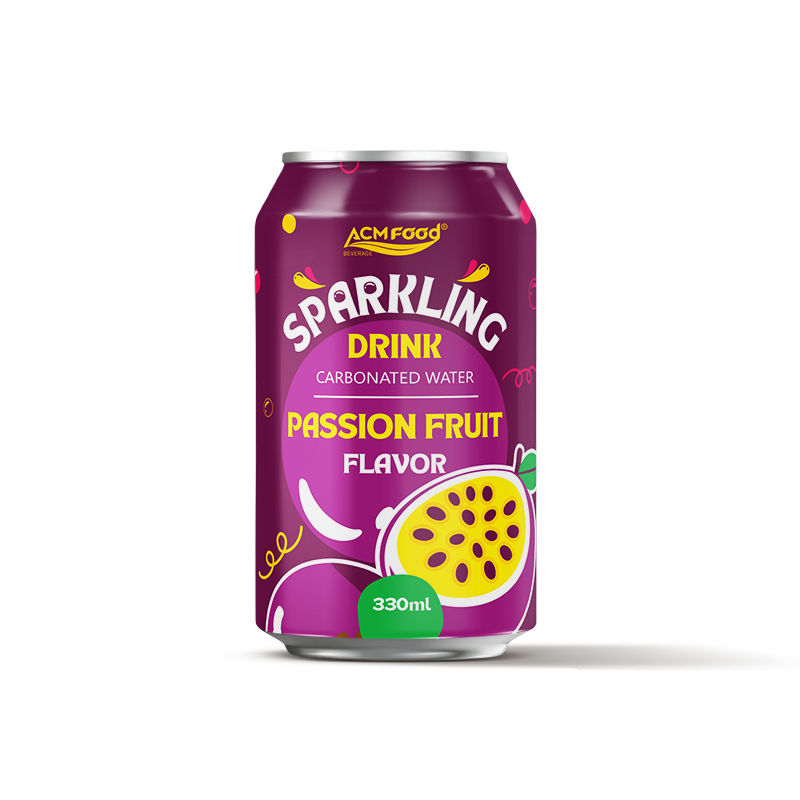






The Flavour That Earns a Range Its Contrast
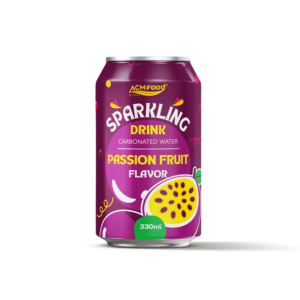
A sparkling line built only on berry and citrus flavours reads as uniform after the third can. Passion fruit is what most ranges use to break that pattern — a sharp, aromatic profile that performs the role lemon performs in a conventional soft drink line-up, without needing to carry the range on volume.
Why Carbonation Suits This Flavour Specifically
The aromatic compounds that define passion fruit are volatile, and carbonation carries them to the nose on opening more noticeably than in most other fruit profiles — the aroma arrives before the taste. Building the formulation on carbonated water rather than juice also keeps the natural tartness legible; a juice-heavy build tends to let sweetness mask the sharper notes that make the flavour worth listing in the first place.
Market Fit
Acceptance is strongest across Southeast Asia, Australia and parts of Latin America, where the fruit is a familiar reference point. In European and North American markets it reads as a premium tropical cue and tends to move through convenience, food service and speciality retail ahead of mainstream supermarket listings — a distinction worth building into a channel plan before the first order.
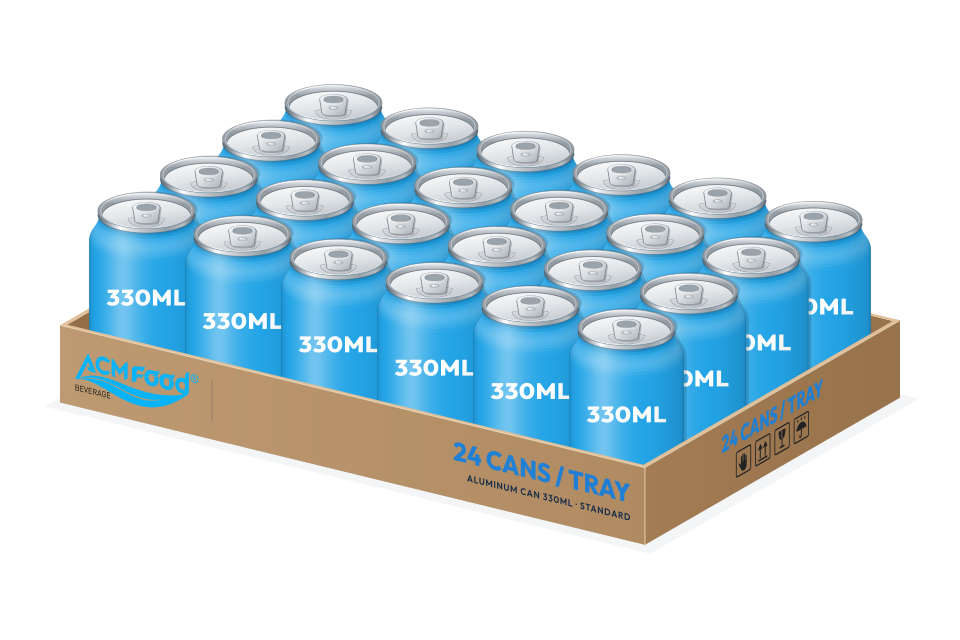
- 330ml alu-can: Standard global bottling format, no custom fixture requirement.
- Full light exclusion: Protects the volatile aromatic compounds that carry most of this flavour’s character.
- 24-month ambient shelf life: Suited to sea freight and slower-turning specialty retail channels.
Supply Terms
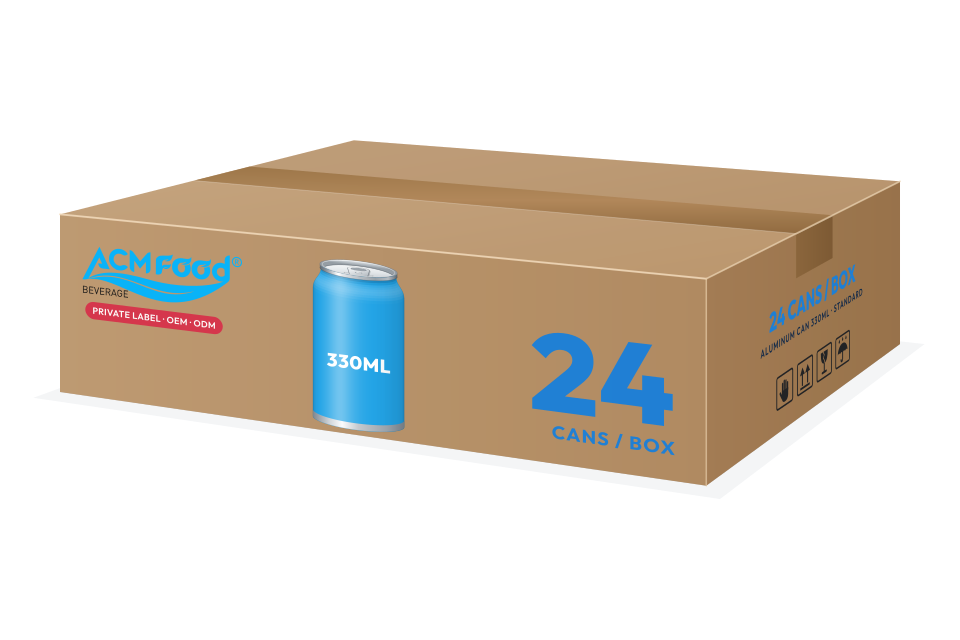
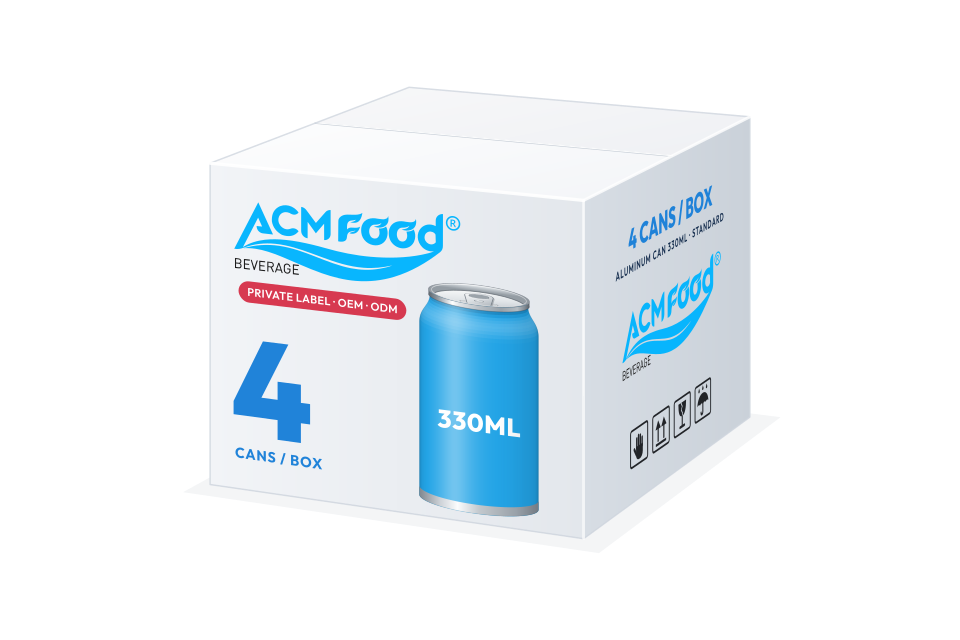
Manufactured under FSSC 22000, HACCP and ISO 22000 certification. Minimum order 500 cartons, lead time 15-30 days ex Ho Chi Minh City Port. The tartness-to-sweetness balance is the main variable adjusted for private label, since it moves the product between a refreshment position and a premium one. See the rest of the sparkling drink category, or the juice-based version under passion juice.