
Pomegranate Juice OEM Drives Innovation in Functional Beverage Market

Pomegranate Juice OEM Drives Innovation in Functional Beverage Market

Introduction: The global beverage landscape is undergoing a fundamental shift, driven by a consumer mandate for functionality and transparency. At the intersection of health trends and manufacturing innovation, products like 100% pomegranate juice are emerging as powerful vehicles for brand growth. This analysis delves into the market dynamics, production strategies, and B2B opportunities defining this segment. We examine how OEM flexibility, private label programs, and strategic distribution are enabling both established and emerging players to capitalize on the demand for premium, health-conscious ready-to-drink options.

Market Dynamics and the Rise of Functional RTD Beverages

Consumer demand for health-focused drinks is reshaping the beverage industry. This shift creates significant opportunities for brands and manufacturers. The ready-to-drink segment is experiencing unprecedented growth. Brands must adapt quickly to capture this evolving market share.

Functional beverages now command a premium in retail spaces. Products offering tangible health benefits outperform traditional sugary drinks. This trend is particularly strong in the fresh fruit juice category. Manufacturers with agile production capabilities are best positioned for success.

The Superfruit Advantage in Modern Formulations

Superfruits like pomegranate are central to new product development. Their high antioxidant content aligns perfectly with wellness trends. This drives innovation in juice blends and functional drinks. Beverage manufacturers are leveraging these ingredients for market differentiation.

The 290ml ACM 100% Pomegranate Juice exemplifies this strategic formulation. It offers a pure, concentrated source of polyphenols. This positions it as a premium product in a crowded marketplace. For distributors, such a product can anchor a health-focused portfolio.

Product Analysis and Innovation in Juice Manufacturing

The 290ml ACM 100% Pomegranate Juice represents a calculated market entry. Its 100% juice formulation avoids added sugars and preservatives. This purity is a key selling point for health-conscious consumers. The product targets the premium functional beverage segment directly.

Packaging in a 290ml format enhances convenience and portability. This size is ideal for on-the-go consumption and single servings. It also allows for precise portion control, which consumers value. The bottle design likely prioritizes shelf appeal and brand messaging.

OEM Flexibility as a Core Business Strategy

Original Equipment Manufacturing provides critical agility for beverage brands. It allows companies to launch products without massive capital investment. This model is ideal for testing new markets or formulations. A reliable pomegranate juice OEM partner becomes a strategic asset.

Partners can customize recipes, packaging, and labeling. This enables true brand differentiation in a competitive landscape. For market expansion, this flexibility reduces time-to-market significantly. It transforms product development from a bottleneck into a streamlined process.

Consumer Trends and the Demand for Health-Conscious Options

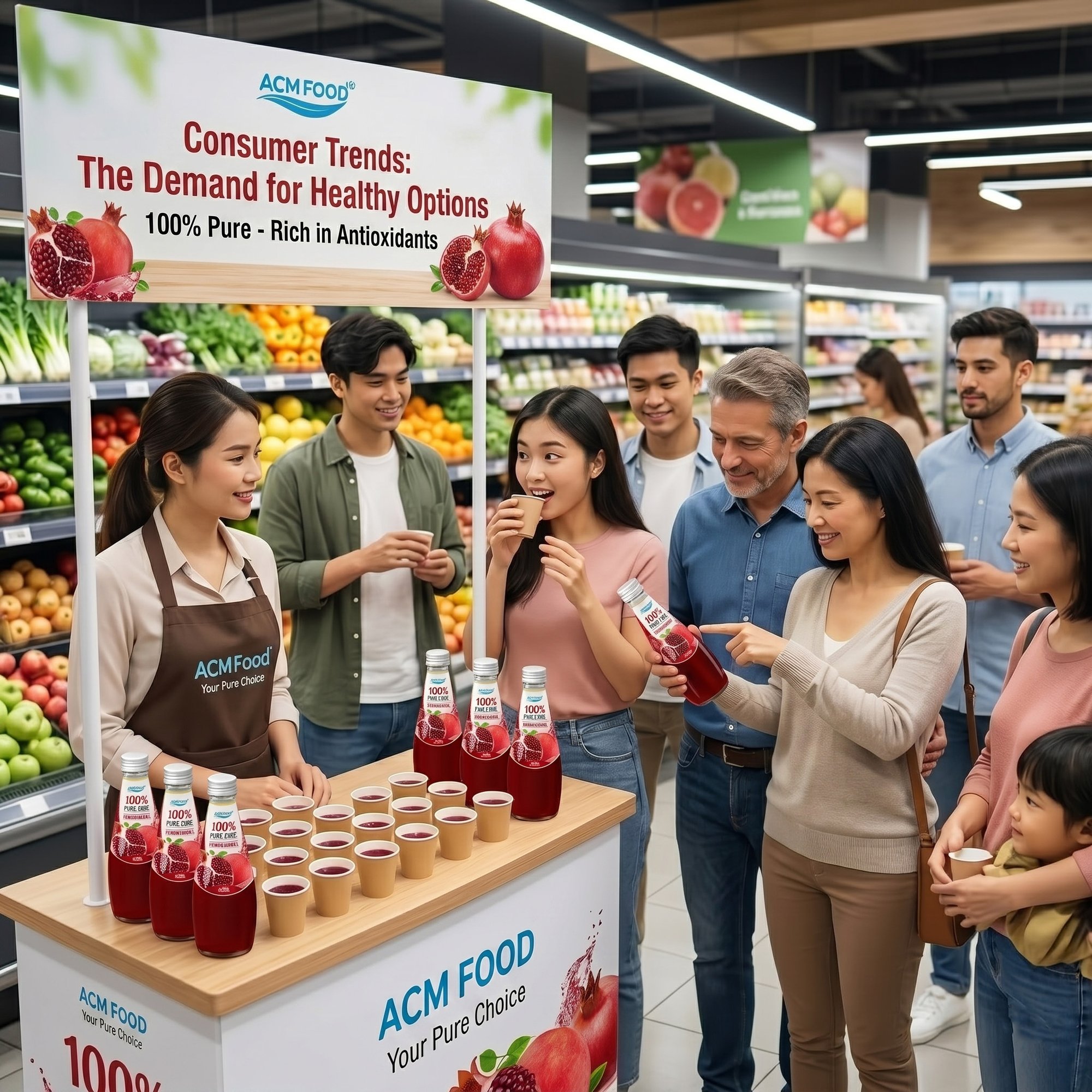
Modern consumers actively seek beverages with functional benefits. Immunity support and natural ingredients are primary purchase drivers. This has elevated the status of fruit juices beyond mere refreshment. They are now perceived as part of a holistic wellness routine.

Consumer Trends and the Demand for Health-Conscious Options

Clean label products are no longer a niche but a mainstream expectation. Shoppers scrutinize ingredient lists for artificial additives. A 100% pomegranate juice meets this demand for transparency. Its simplicity is its strongest marketing message in today’s market.

The growth of e-commerce further accelerates these trends. Online platforms allow niche and functional products to find their audience. This reduces the barrier to entry for new brands utilizing OEM services. Digital shelf space is as crucial as physical retail placement now.

The Role of Private Label in Market Saturation

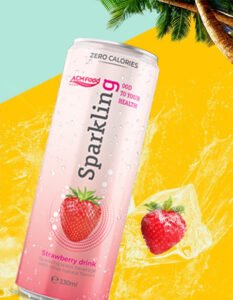
Private label programs empower retailers and distributors. They can build exclusive, high-margin beverage lines under their own brand. This strategy builds customer loyalty and controls pricing. The sparkling water drink category shows the power of this model.

Successful private label relies on consistent, high-quality manufacturing. Beverage manufacturers must ensure every batch meets brand standards. This requires robust quality control and supply chain management. For a product like pomegranate juice, sourcing quality fruit is paramount.

Business Strategy and Distribution Channels for Functional Juices

Effective distribution is the linchpin of beverage business success. Functional juices require placement in complementary retail environments. Health food stores, gyms, and premium supermarkets are ideal targets. Online direct-to-consumer channels also offer high growth potential.

For B2B partners, evaluating a manufacturer’s export readiness is crucial. Compliance with international standards opens lucrative markets. The European Union and North America have strict regulations for juice imports. Manufacturers with relevant certifications have a distinct competitive advantage.

Minimum Order Quantity (MOQ) policies directly impact market agility. Lower MOQs allow smaller brands and distributors to enter the market. This fosters innovation and diversifies the competitive landscape. For manufacturers, flexible MOQ structures can attract a wider range of clients.

Navigating Global Export Potential

The Middle East and Asia present significant opportunities for pomegranate products. These regions have cultural familiarity and demand for the fruit. Exporting requires understanding local taste preferences and regulatory hurdles. A skilled OEM partner navigates these complexities for their clients.

Successful market expansion often involves slight recipe regionalization. Sweetness levels or additional functional ingredients may be adjusted. This customization is a core value of a true OEM partnership. It demonstrates a manufacturer’s commitment to their client’s market success.

Expert Perspectives on the Future of Juice Manufacturing

Industry analysts highlight sustainability as the next frontier. Water usage, packaging waste, and supply chain ethics are under scrutiny. Beverage manufacturers leading in these areas will secure long-term partnerships. This goes beyond product quality to encompass operational philosophy.

Technology integration is transforming production lines. Automation and data analytics improve consistency and reduce costs. This allows for more competitive pricing without sacrificing quality. For private label programs, this efficiency translates to better margins.

The convergence of juice with other functional categories is inevitable. Expect to see more hybrid products combining juice with probiotics or adaptogens. This requires manufacturers to have expertise in diverse formulation techniques. Innovation in the fresh fruit juice sector will be multidisciplinary.

Future Outlook and Strategic Recommendations for Beverage Brands

The functional beverage market shows no signs of slowing. Consumer education will drive further segmentation and premiumization. Brands that invest in clear, science-backed messaging will win trust. This requires close collaboration with knowledgeable manufacturing partners.

For distributors looking to diversify, prioritizing partners with low-MOQ options is strategic. It allows for portfolio testing with reduced financial risk. This agility is essential in responding to fast-moving consumer trends. The right manufacturing partnership is a catalyst for growth.

Vertical integration in sourcing will become a key differentiator. Manufacturers controlling their pomegranate supply ensure quality and cost stability. This provides a significant advantage in a competitive OEM landscape. Brands should assess a partner’s supply chain resilience as part of their due diligence.

Exploring co-branding opportunities with health influencers or institutions adds credibility. A pomegranate juice product can be positioned within specific dietary or wellness frameworks. This strategic marketing elevates it from a commodity to a specialized solution. The manufacturer’s role extends to supporting these branding initiatives.

FAQ

What are the primary health benefits of 100% pomegranate juice?

Pomegranate juice is rich in antioxidants, particularly punicalagins and anthocyanins. These compounds are linked to supporting heart health and reducing inflammation. The juice also provides a good source of vitamin C and potassium. Its functional profile makes it a strong candidate for health-focused RTD beverage lines.

What is a typical MOQ for OEM beverage production like this juice?

Minimum Order Quantities vary significantly based on manufacturer and packaging complexity. For a product like the 290ml pomegranate juice, MOQs can range from 10,000 to 50,000 units for initial runs. Progressive manufacturers are offering lower tiers to accommodate market testing. Evaluating a partner’s MOQ flexibility is a key step in the sourcing process.

Which international markets are most promising for exporting functional juices?

North America and Western Europe have mature demand for premium, health-focused beverages. The Middle East has a strong cultural affinity for pomegranate. Emerging markets in Asia Pacific show rapid growth in imported functional drinks. Success depends on navigating local food standards, tariffs, and taste preferences.

How does private label beverage production work with an OEM partner?

A private label partner provides a turnkey solution from formulation to filling. The client provides their brand vision, logo, and label design. The manufacturer handles recipe development, sourcing, production, and quality control. This allows retailers and distributors to launch a custom sparkling water drink or juice line without owning a factory.

What are the key challenges in producing a stable, 100% fruit juice?

Maintaining flavor, color, and nutritional integrity without preservatives is a major challenge. It requires advanced pasteurization techniques and sterile filling lines. Consistent sourcing of high-quality fruit is another critical factor. A skilled beverage manufacturer manages these variables to ensure shelf-stable, great-tasting products.

Leave a Reply

Your email address will not be published. Required fields are marked *