

Introduction: The functional beverage industry is witnessing a paradigm shift as consumers demand products that deliver both health benefits and convenience. The fusion of matcha and coconut water in a ready-to-drink format represents a significant innovation, combining two powerhouse ingredients with proven health credentials. This article analyzes the market dynamics, consumer behavior, and strategic implications of this emerging category, using a specific product as a case study. For B2B buyers, understanding this trend is crucial for capitalizing on the growing demand for functional hydration solutions.
Contents
- 1 The Rise of Functional Fusion: Matcha and Coconut Water
- 2 Market Growth and Consumer Demand for Functional RTDs
- 3 Case Study: Coconut Water with Matcha as a Market Innovator
- 4 Strategic Business Implications for B2B Buyers
- 5 Expert Perspectives on Functional Beverage Trends
- 6 Future Outlook: The Next Wave of Functional Innovation
- 7 Frequently Asked Questions
- 7.1 What are the primary health benefits of matcha and coconut water combined?
- 7.2 How does the RTD format affect the bioavailability of matcha’s antioxidants?
- 7.3 What market trends are driving demand for functional RTD beverages?
- 7.4 What should B2B buyers consider when sourcing a matcha coconut water RTD?
- 7.5 How can brands differentiate their matcha coconut water product in a competitive market?
The Rise of Functional Fusion: Matcha and Coconut Water
Functional beverage innovation is accelerating globally, with hybrid products capturing significant market share. The convergence of traditional wellness ingredients with modern convenience formats defines the current market evolution. Consumers increasingly seek beverages that offer both hydration and cognitive benefits.
Matcha, a finely ground green tea powder, provides sustained energy and antioxidants. Coconut water delivers natural electrolytes and hydration. Their combination in a ready-to-drink (RTD) format creates a powerful functional beverage.

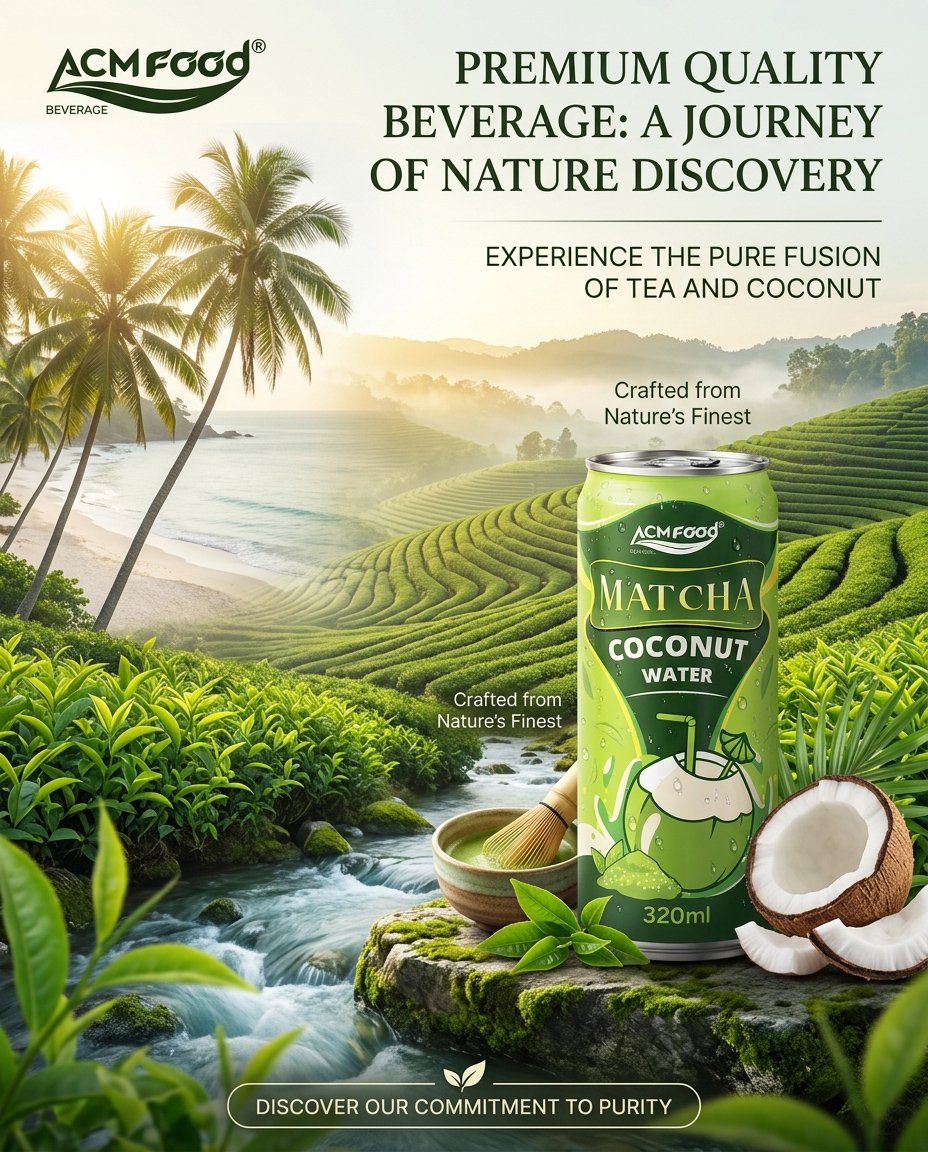
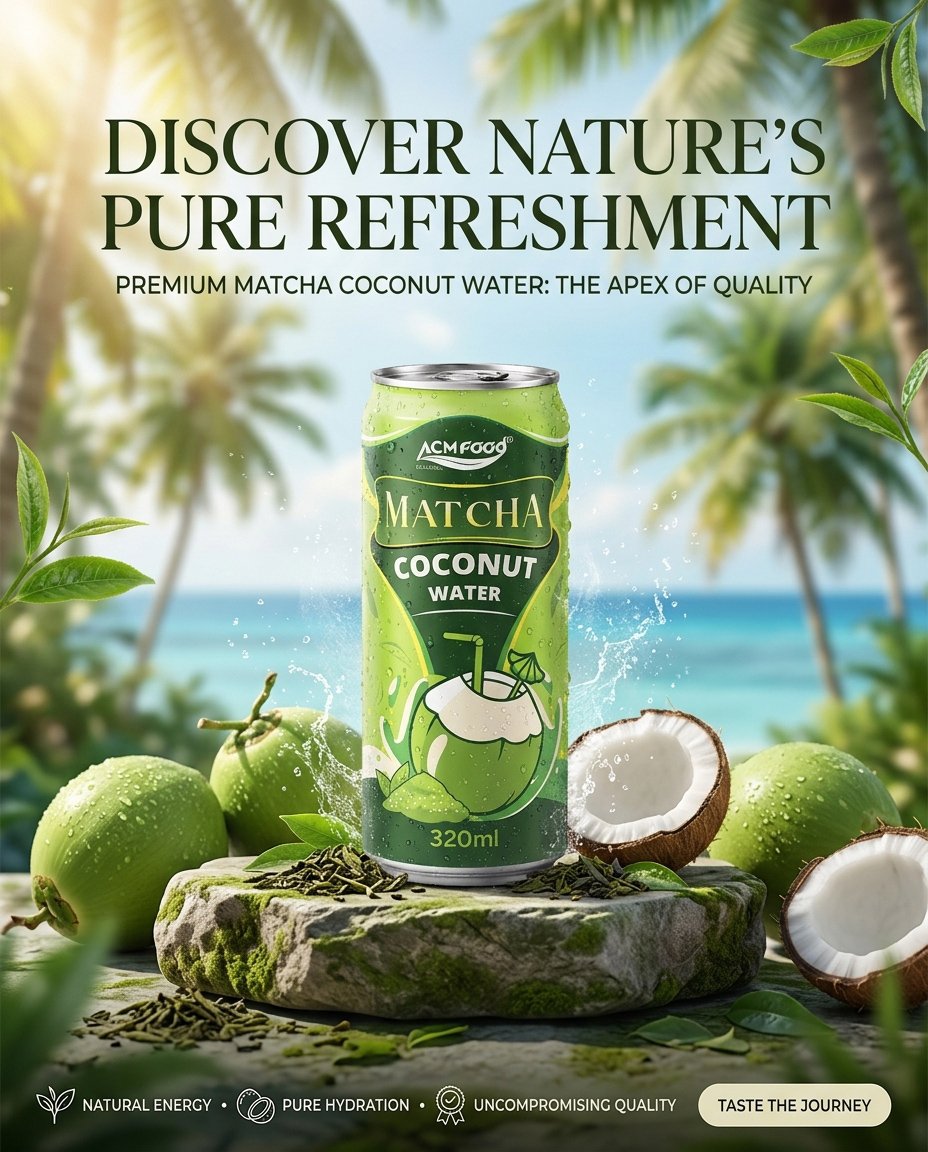
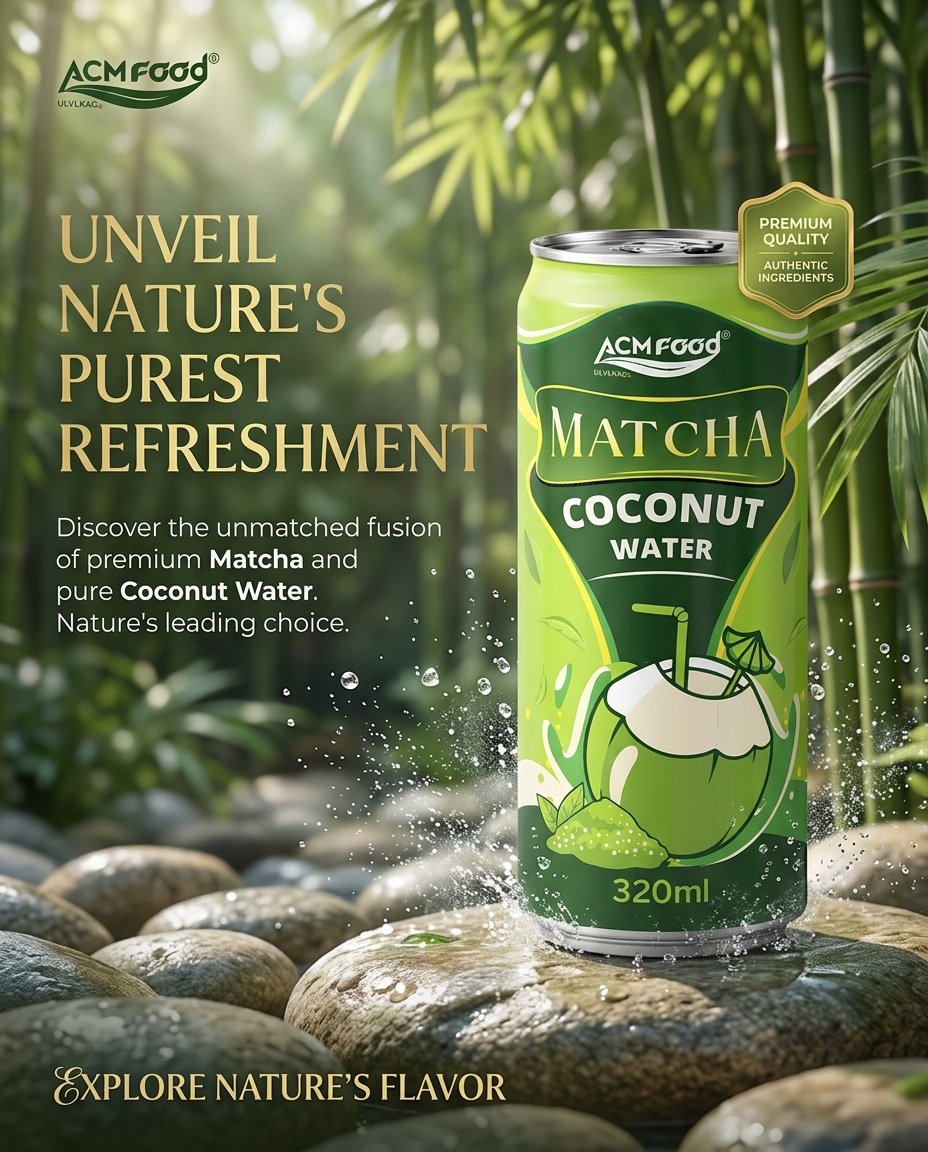
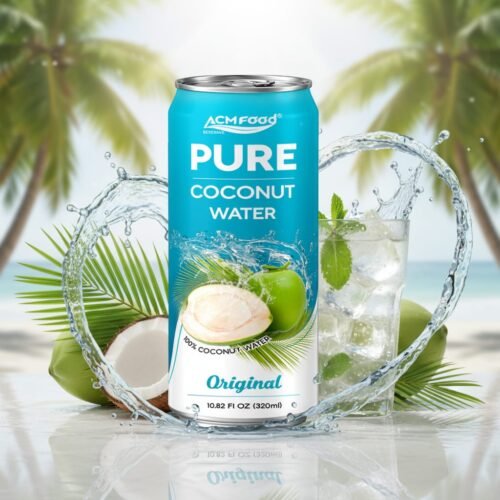
This product category addresses two major consumer demands: clean-label ingredients and multifunctional benefits. The 10.8 fl oz Cans Coconut Water with Matcha Flavor RTD Beverage exemplifies this trend. It merges the popularity of coconut water with the premium appeal of matcha.
Consumer Shift Toward Functional Hydration
Market data indicates a 25% annual growth in functional hydration beverages. Consumers are moving away from sugary sodas toward natural, nutrient-rich alternatives. The global coconut water market alone is projected to reach $12 billion by 2027.
Matcha’s global market is expanding at 8% CAGR, driven by its health halo and versatility. The fusion of these two ingredients creates a unique value proposition for manufacturers. This product coconut water with matcha flavor RTD beverage targets health-conscious consumers seeking natural energy.

Market Growth and Consumer Demand for Functional RTDs
The functional beverage sector is experiencing unprecedented growth, with RTD formats leading the charge. According to industry reports, the global functional beverage market will exceed $200 billion by 2030. This growth is fueled by changing lifestyles and increased health awareness.
Consumers are prioritizing products that support immunity, mental clarity, and physical performance. The coconut water category has seen a 40% increase in new product launches over the past three years.
Matcha-infused beverages are particularly popular among millennials and Gen Z. These demographics value authenticity, transparency, and functional benefits. The RTD format offers convenience without compromising on quality.
Data-Driven Insights on Functional Ingredient Popularity
Search interest for ‘matcha coconut water’ has increased by 300% over the past two years. Social media mentions of functional beverage combinations are rising exponentially. This indicates strong consumer curiosity and willingness to try new products.
Retail shelf space dedicated to functional RTDs has doubled in major US and European markets. Brands that innovate with ingredient combinations are capturing premium price points. The product under analysis fits perfectly into this high-growth segment.
Case Study: Coconut Water with Matcha as a Market Innovator
The 10.8 fl oz Cans Coconut Water with Matcha Flavor RTD Beverage serves as a compelling case study. It combines two established health ingredients in a single, convenient package. This product targets consumers seeking natural energy without artificial additives.

Key formulation aspects include the balance of matcha’s earthy notes with coconut water’s sweetness. The result is a palatable beverage that appeals to both matcha enthusiasts and newcomers. The 10.8 fl oz can size is ideal for on-the-go consumption.
From a manufacturing perspective, this product demonstrates the feasibility of combining delicate ingredients. Maintaining matcha’s flavor profile and antioxidant properties requires careful processing. The RTD format ensures consistent quality and extended shelf life.
Formulation and Quality Considerations
Using high-quality ceremonial-grade matcha ensures a vibrant green color and smooth taste. The coconut water base provides natural electrolytes like potassium and magnesium. No artificial flavors or sweeteners are needed, aligning with clean-label trends.
The product’s pH level and packaging are optimized to preserve matcha’s freshness. Nitrogen flushing may be used to prevent oxidation. This attention to detail is crucial for maintaining product integrity over time.
Strategic Business Implications for B2B Buyers
For distributors and retailers, adding this product to their portfolio offers differentiation. The functional beverage segment commands higher margins than traditional soft drinks. Consumers are willing to pay a premium for products with proven health benefits.
Manufacturers can leverage OEM partnerships to customize formulations for specific markets. The milk drink category shows how established players are diversifying into functional offerings. Private labeling allows brands to enter the market quickly without heavy R&D investment.
Evaluating a manufacturing partner’s experience with both matcha and coconut water is critical. Expertise in handling these ingredients ensures product quality and consistency. Flexible MOQ options enable smaller brands to test the market with minimal risk.
Export Opportunities and Global Market Access
The US and EU markets show strong demand for functional RTDs with natural ingredients. Middle Eastern consumers are increasingly health-conscious, creating new opportunities. Asian markets, where matcha and coconut water are already popular, offer a natural fit.
Products that combine these ingredients can be positioned as premium imports. Certification for organic or non-GMO claims can further enhance market appeal. Understanding regional taste preferences is key to successful market entry.
Expert Perspectives on Functional Beverage Trends
Industry analysts emphasize that ingredient synergy drives consumer interest. ‘Combining coconut water with matcha is a strategic move,’ says Dr. Lisa Chen, a beverage scientist. ‘Both ingredients have strong health credentials and broad consumer appeal.’
Retail buyers note that products with dual functionality outperform single-benefit items. ‘Consumers want more from their beverages,’ explains Mark Thompson, a beverage buyer. ‘They expect hydration plus energy or immunity support in one product.’
Supply chain experts highlight the importance of sustainable sourcing for matcha and coconuts. Ethical sourcing practices are becoming a competitive advantage. Transparency in the supply chain builds consumer trust and brand loyalty.
Future Outlook: The Next Wave of Functional Innovation
Over the next three to five years, we expect to see more ingredient fusions in the RTD space. Matcha will likely be combined with other superfoods like turmeric or ginger. Coconut water will remain a popular base due to its neutral flavor and nutritional profile.
Technological advancements in processing and packaging will enable longer shelf life without preservatives. Smart packaging that indicates freshness could become a differentiator. Personalization of functional beverages through AI-driven formulation is on the horizon.
Brands that invest in consumer education about ingredient benefits will build loyalty. The success of products like the coconut water with matcha RTD will pave the way for further innovation. The functional beverage market is poised for sustained growth and diversification.
Frequently Asked Questions
What are the primary health benefits of matcha and coconut water combined?
Matcha provides antioxidants, L-theanine for calm alertness, and a gentle caffeine boost. Coconut water supplies electrolytes like potassium for hydration. Together, they support mental focus, physical performance, and cellular health.
How does the RTD format affect the bioavailability of matcha’s antioxidants?
RTD processing can slightly reduce antioxidant levels, but careful manufacturing preserves most benefits. Using high-quality matcha and minimal heat exposure helps maintain potency. The convenience of RTD encourages regular consumption, which may offset any minor losses.
What market trends are driving demand for functional RTD beverages?
Rising health consciousness, busy lifestyles, and a preference for natural ingredients are key drivers. The shift away from sugary drinks toward functional alternatives is accelerating. Social media and influencer marketing amplify awareness of innovative products like matcha coconut water.
What should B2B buyers consider when sourcing a matcha coconut water RTD?
Evaluate the manufacturer’s ingredient sourcing, quality control, and production capabilities. Ensure the product meets target market regulations for labeling and health claims. Consider MOQ flexibility, packaging options, and logistical support for export.
How can brands differentiate their matcha coconut water product in a competitive market?
Focus on unique selling points like organic certification, sustainable packaging, or a specific health benefit. Storytelling around ingredient origins and ethical sourcing can build brand authenticity. Limited-edition flavors or seasonal variants can create buzz and repeat purchases.


Related blogs insights
CHOOSING THE RIGHT PACKAGING FOR YOUR COCONUT WATER PRODUCT
Coconut water has become a global favorite due to its natural hydration, refreshing taste, and [...]
Jan
Aluminum Cans in the Beverage Industry – A Sustainable Trend
In the rapidly growing beverage industry, packaging is more than just a protective shell — [...]
Jan
Top 7 Health Benefits of Grapes – Natural Energy from ACMFOOD Grape Juice
From laden vineyards to delicious glasses of juice, grapes have become a symbol of quintessence [...]
Jan
5 Key Factors for a Successful Beverage Product in the Global Market
Entering the global beverage market is a dream for many brands, but winning over international [...]
Jan
Best Tamarind Juice Brands – Top Picks for Exquisite Taste and Quality
Tamarind juice has been gaining popularity in recent years, thanks to its unique sweet and [...]
May
Choose Noni, Choose Health – Natural Food for All Ages
Noni, also known as noni, is a fruit of the coffee family (Rubiaceae), with the [...]
Jan