





As sustainable production becomes a core standard in agriculture and food industries, coconut stands out as a true zero-waste raw material. Producers can utilize nearly 100% of the coconut tree. Coconut water, meat, shell, husk, fiber, leaves, and trunk all transform into high-value products. These products serve food, cosmetics, agriculture, and environmental industries.
In this article, ACM Food introduces the most popular zero-waste coconut production methods today. Through these examples, businesses and consumers can better understand the strong economic and ecological value of this familiar tropical resource.
1. Why Coconut Recycling Matters
As green and circular economies continue to expand, coconut recycling plays a vital role. It helps businesses, farmers, and communities optimize resources. At the same time, it reduces pollution and increases overall value.
Vietnam ranks among the world’s leading coconut producers. However, many by-products—such as husks, shells, coir, and mature coconut water—still go to waste. Therefore, efficient recycling becomes essential.
Economic benefits
Coconut recycling increases value across the entire supply chain. Farmers and processors generate additional income by maximizing raw materials. Moreover, one coconut can support multiple product lines, from food and cosmetics to industrial materials. As a result, new processing industries emerge and create sustainable business opportunities.
Environmental and social benefits
Full utilization of coconut by-products significantly reduces organic waste. Consequently, it helps protect ecosystems and lower environmental pollution. In addition, coconut recycling creates jobs for local communities and encourages environmentally responsible lifestyles.
2. Common Forms of Coconut Recycling

2.1. Coconut water
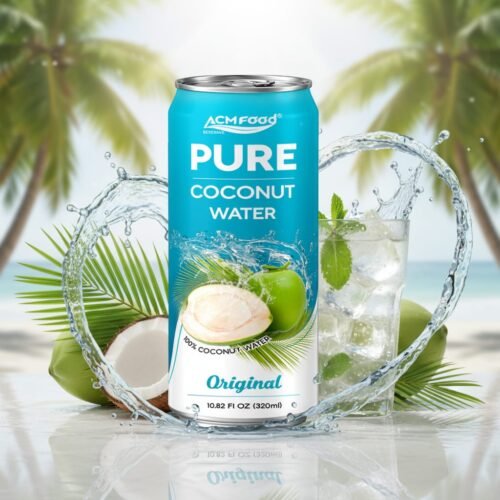
Coconut water serves as a popular natural beverage rich in electrolytes and nutrients. People also use it as an ingredient in various dishes.
Moreover, producers process coconut water into bottled and canned drinks, coconut jelly, and ready-to-consume products. As a result, this naturally mineral-rich liquid becomes a high-demand item in the food and beverage market.
2.2. Coconut meat
Coconut meat forms the white flesh inside the shell. After harvesting, producers press it into coconut oil or process it into coconut milk and cream. These products play key roles in both food and cosmetic industries.
2.3. Coconut husk
Processors use coconut husks to produce activated charcoal, biodegradable household items, organic fertilizers, and lightweight construction materials. Therefore, husk recycling helps reduce one of the largest waste sources in coconut processing.
2.4. Coconut shell
Artisans turn coconut shells into ladles, bowls, handicrafts, and decorative items. In addition, manufacturers use shells to produce charcoal for cooking and activated carbon for water filtration and deodorization.
2.5. Coconut fiber (coir)
Coconut fiber works well as a fuel due to its high flammability. Meanwhile, manufacturers also repurpose it into bricks, tiles, and roofing sheets. Its durability, heat resistance, and sound insulation make it ideal for construction use.
2.6. Coconut leaves

After drying, coconut leaves become materials for hats, baskets, bags, and traditional handicrafts. Furthermore, builders use them for roof thatching, creating cool and eco-friendly living spaces.
2.7. Coconut trunk
After harvesting, coconut trunks support hydraulic and irrigation projects. Their water resistance and strength make them suitable for reinforcing dikes and dams. Recently, designers have also used large coconut trunks to create furniture and even build houses.
3. Opportunities Created by the Sustainability Trend
Today, sustainable consumption continues to grow worldwide. Therefore, zero-waste coconut products increasingly attract consumers and businesses alike. These products benefit from production processes that maximize natural resources.
Moreover, consumers now prefer products with transparent and green life cycles. As a result, recycled coconut products can easily access diverse market segments.
The coconut tree holds exceptional long-term potential. It supports livelihoods while helping maintain ecological balance. However, to preserve this value, producers must harvest and utilize coconut resources responsibly, efficiently, and harmoniously.
“Every product made from the coconut tree reflects not only smart resource utilization, but also a commitment to a greener, more sustainable future for generations to come.”