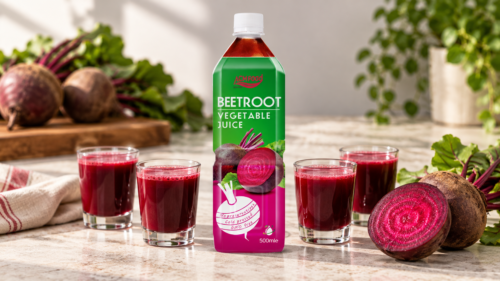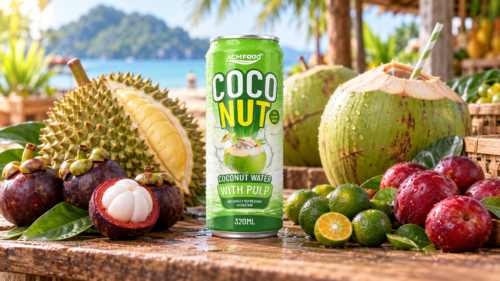

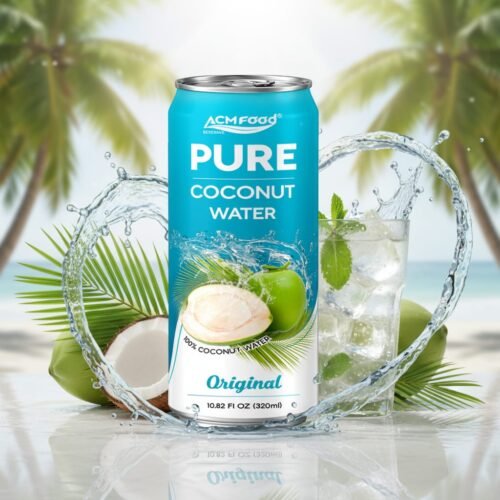
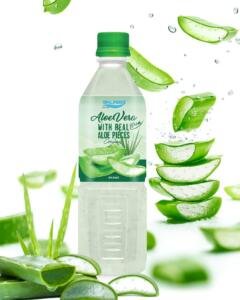
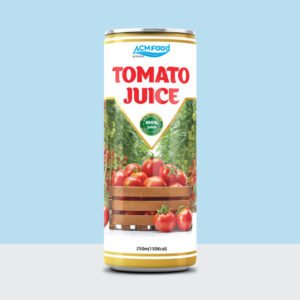


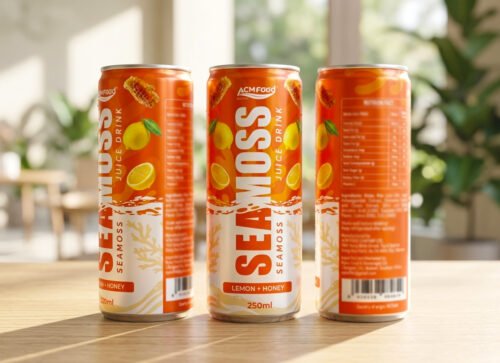
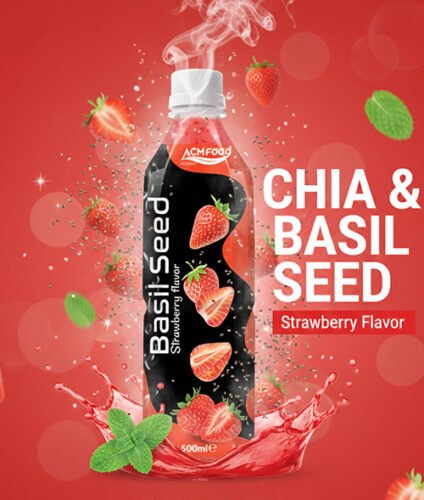


Beverage products and packaging for retail need to satisfy a different set of constraints than a product built primarily for foodservice or export bulk supply. A retail-bound drink has to work within a specific shelf footprint, survive handling by stockers and shoppers, carry a label that communicates its position at a glance, and fit the price architecture of the category it sits in. Getting the format decisions right before development begins avoids a costly rework once a listing conversation is already underway.
This guide sets out the packaging and product decisions that matter most for a retail-focused beverage, and how a supplier’s customization and private label options fit into that planning process.
What retail buyers actually evaluate in a product
A retail buyer generally works through the same handful of questions before agreeing to stock a new beverage: does the pack format fit standard shelf and cooler dimensions, does the case configuration suit their receiving and restocking process, does the label meet the category’s visual conventions closely enough to be recognisable while still standing out, and does the price point fit the shelf set it will sit in. A product that scores well on flavour but poorly on these practical points is a harder sell than a more conventional product that fits the retail system cleanly.
This is why the product brief for a retail launch should start from the shelf and the case, not just the recipe. A pack size outside the norm for its category, or a case pack that does not match a retailer’s standard receiving unit, can add friction to a listing conversation even when the underlying product itself is strong.
Shelf-ready packaging as a practical requirement
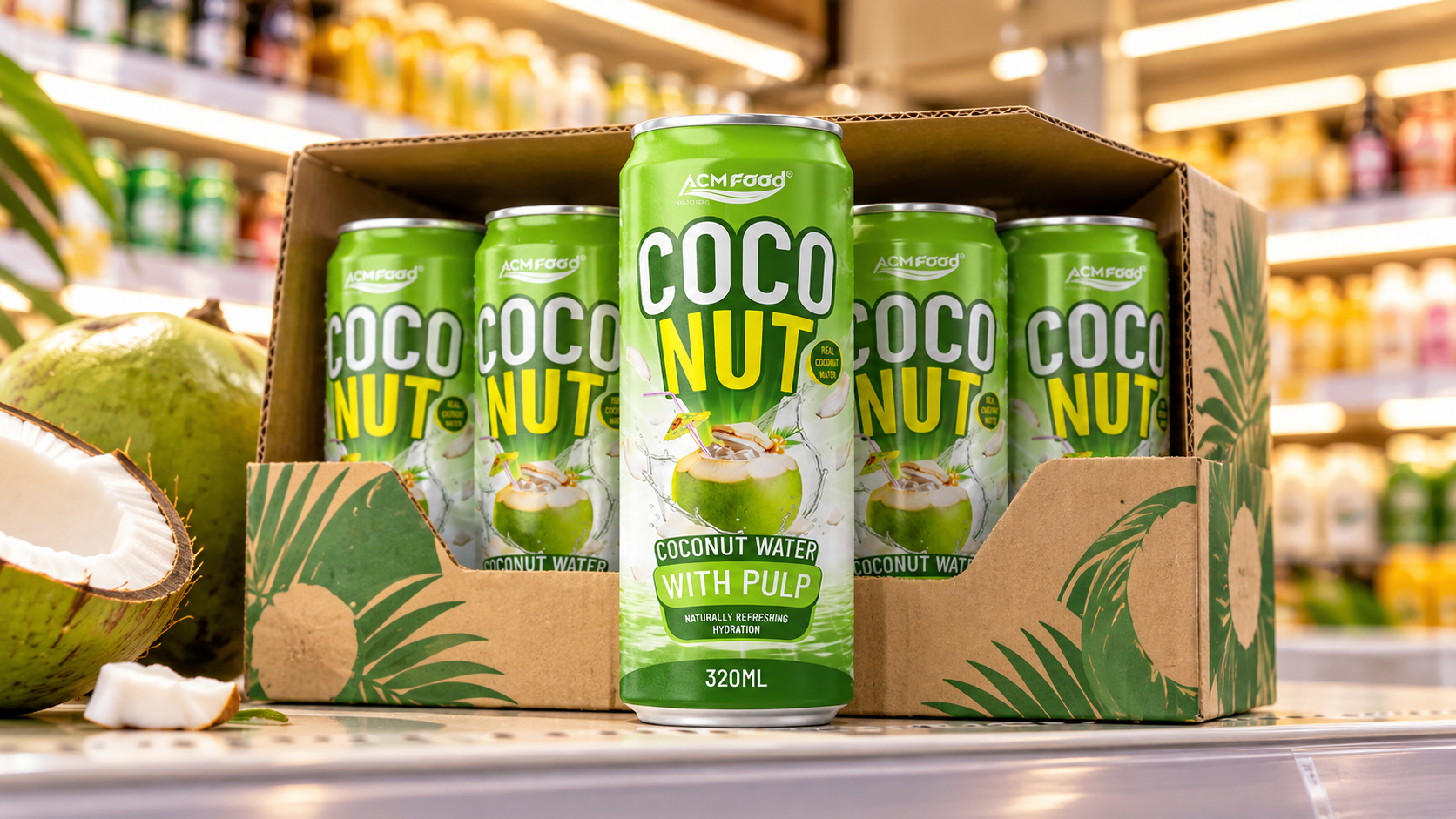
Shelf-ready packaging, where the shipping case doubles as the display unit once a perforated section is removed, has become a standard expectation in many retail categories because it reduces the labour required to stock a shelf. A case designed for shelf-ready use needs graphics and structural cuts planned together from early in development, since retrofitting shelf-ready functionality onto a case designed as plain shipping packaging is a slower and less clean process than building it in from the outset.
| Consideration | What it means for a retail-bound product |
|---|---|
| Pack format | Standard single-serve and multipack sizes reduce shelf-fit friction |
| Case configuration | Should match the retailer’s standard receiving and restocking unit |
| Shelf-ready design | Case graphics and cut lines need planning together from early development |
| Label clarity | Needs to read its category at a glance while still standing out on shelf |
| Price architecture | Format and size should fit the price tier of the shelf set it competes in |
A product entering an established category benefits from studying the case and shelf conventions of that category specifically, rather than assuming a format that performs well in one beverage category will translate cleanly to another with different shelf and cooler norms.
Case and shelf-ready decisions also interact with cost in ways that are easy to underestimate at the brief stage. A more elaborate case graphic or a structural cut that requires additional tooling adds cost that has to be weighed against the shelf presence it delivers, and that trade-off is easier to make well when it is priced out alongside the recipe rather than treated as an afterthought once the product is otherwise finished. A brand working to a defined landed cost target should bring the case decision into that costing exercise from the outset, since packaging can represent a meaningful share of total unit cost in a retail-focused product even when the recipe itself is straightforward.
Where customization and private label fit into a retail brief
A retailer-facing brand does not need to build every product from a blank formulation. Adjusting an existing base through beverage product customization options such as flavour intensity, sweetness level or a specific ingredient swap is often a faster and lower-risk route to a retail-ready product than a full custom development, particularly for a first listing where speed to shelf matters. Where the brand wants more control over the finished flavour profile, a custom beverage formula adjusting flavour, sweetness and ingredients from a proven starting point gives more latitude without the cost and lead time of an entirely new recipe.
Private label is a particularly common route into retail specifically, since exploring an existing private label formula lets a retailer or emerging brand list a proven recipe under its own packaging without carrying the development cost of a from-scratch formulation. This matters more for retail than for some other channels because listing timelines are often tighter and a buyer’s decision window shorter, so starting from a formula that is already production-ready removes one of the longest steps in getting a new product to shelf.
Choosing a flavour direction for a retail shelf set
Flavour choice for a retail launch benefits from studying the specific shelf set the product will compete on rather than choosing a flavour in isolation. A tropical, fruit-forward profile such as a guava juice with nata de coco inclusion can stand out on a shelf dominated by conventional single-note juices, provided the texture and format still fit standard retail handling and shelf-life expectations. An orange juice and coconut cream blend follows the same logic: a familiar citrus base carrying a distinctive tropical addition, which gives a shopper a reason to try it without requiring an entirely unfamiliar flavour category.
Where the target shelf set is dominated by sparkling and carbonated formats rather than still juice, a fruit-forward carbonated option can offer the same kind of differentiation within a more established retail category, provided the case and shelf-ready packaging decisions described above are addressed alongside the flavour choice rather than treated as a separate, later step.
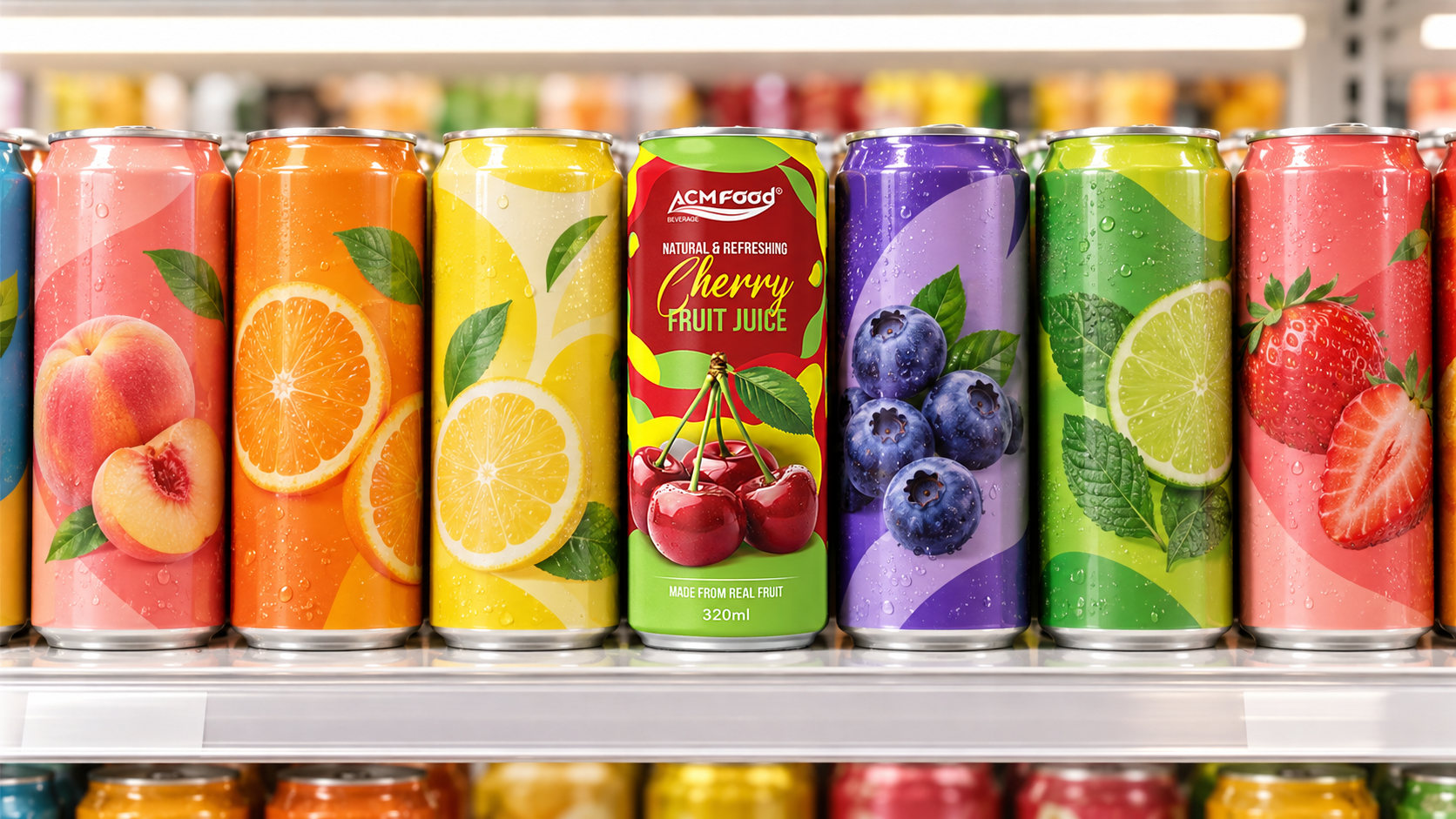
Label design deserves the same category-specific study as flavour and format. A shopper scanning a shelf makes most of their initial category identification from colour, pack shape and a handful of visual cues before reading any text closely, which means a label needs to signal its category at a glance even while carrying a distinctive enough design to stand out from direct competitors on the same shelf. This balance is easier to get right when the label is designed with reference to photographs of the actual target shelf set rather than in isolation, since a design that looks strong on its own can still blend in or clash once placed among the specific competitors it will actually sit beside.
Building a retail-ready product brief
Five inputs help a retail-focused product brief stay grounded in what a buyer will actually evaluate.
- Target shelf set and category. Naming the specific category and retailer type the product competes in focuses every packaging and price decision that follows.
- Case and shelf-ready format. Confirm whether shelf-ready packaging is expected in the target category and design the case structure accordingly from the outset.
- Pack size and case configuration. Match standard conventions for the category unless there is a clear commercial reason to diverge.
- Development route. Decide early whether customization, a private label formula or a fully custom development best fits the listing timeline.
- Price architecture. Set the format and size against the price tier of the shelf set the product is entering, not against cost alone.
Common mistakes in a first retail listing attempt
A consistent set of avoidable errors accounts for much of the friction brands encounter when approaching a retail buyer for the first time.
- Designing the recipe before the case. A strong flavour built around a pack format that does not suit the target retailer’s shelf or receiving process still needs rework before a listing conversation can move forward.
- Skipping shelf-ready packaging where the category expects it. A case built as plain shipping packaging in a category where competitors use shelf-ready cases puts extra labour cost on the retailer, which can count against a listing decision.
- Choosing a case pack that does not match standard receiving units. An unusual case configuration adds handling friction that a buyer has to weigh against the product itself, regardless of how strong the flavour is.
- Starting from scratch when an existing formula would serve just as well. A fully custom development takes longer and costs more than adjusting a proven base, and is not always necessary to stand out on a specific shelf set.
Each of these is a planning error rather than a product quality issue, and each is avoidable by involving packaging and format decisions in the brief from the outset rather than treating them as a later step.
Frequently asked questions
Does shelf-ready packaging cost significantly more than standard shipping cases?
It typically adds some cost over a plain shipping case, but the difference is often smaller than brands expect, particularly when planned into the case design from the start rather than added as a late change. Weighing that cost against the labour saving it offers a retailer is worth doing early in the brief.
Is private label a realistic route for a smaller retail brand?
Yes, private label is a common and realistic route for a brand without the budget or timeline for a full custom development. Starting from an existing formula lets a smaller brand reach shelf with a production-ready recipe while reserving custom development for a later stage once the category has proven itself.
How much can an existing formula be adjusted through customization?
Customization typically covers flavour intensity, sweetness level and specific ingredient adjustments within a proven base recipe. A change of this kind is generally faster and lower cost than a full custom formulation, though the extent of what can be adjusted depends on the specific base formula and should be confirmed with the manufacturer.
Should pack format be decided before or after the flavour?
These are best decided together rather than sequentially. A flavour direction chosen without reference to the target shelf set risks a mismatch with the format that set expects, while a format chosen without the flavour in mind can constrain positioning options later. Reviewing both at the brief stage avoids revisiting either decision after development has started.
How far in advance of a listing deadline should packaging decisions be finalised?
Case and label decisions generally need to be settled well before a listing deadline, since artwork approval, tooling for any structural packaging element and print production all take real lead time. Leaving packaging as a late decision after the recipe is finished is a common cause of missed listing windows, which is why bringing case and label planning into the brief alongside the formulation work, rather than after it, is the more reliable sequence for a time-sensitive retail launch.
Starting a retail-focused product brief
A beverage built for retail performs best when the case, the shelf-ready format and the price architecture are treated as core development decisions from the outset, alongside the flavour and formulation work that usually gets the most early attention.
ACM Beverage supplies and customizes beverage products against these retail requirements and can advise on the packaging and format choices that suit a specific shelf set before a first order is placed. Reach out through the enquiry and contact page with the target retailer and category in mind to start that conversation.