




A nata de coco drink is built on one ratio: roughly 1 part drained nata de coco to 4 parts liquid. Drain the cubes first — packing syrup is the single biggest cause of a cloyingly sweet result. Below are two tested recipes, the method for each, and the mistakes that ruin the texture.
Key facts at a glance
- Working ratio: 1 part drained cubes to 4 parts liquid, by volume.
- Always drain. Syrup carried over adds sugar you did not measure.
- Cube size: 8–10 mm dice passes through a standard straw; larger does not.
- Add cubes last, after the liquid is sweetened and chilled.
- Shelf life once opened: 3–5 days refrigerated in an airtight container, not months.
- Nutritionally: the cubes are insoluble fibre — they add texture, not vitamins.
What is nata de coco?
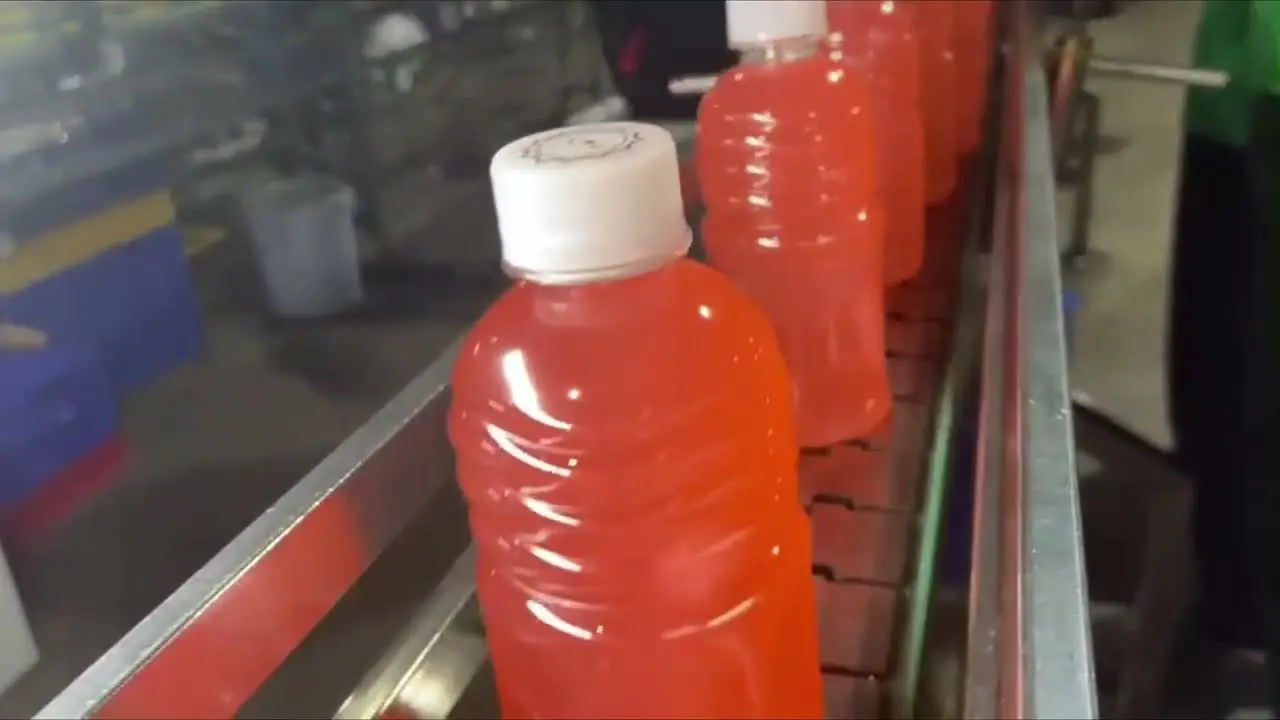
Nata de coco is bacterial cellulose. Coconut water is inoculated with Komagataeibacter xylinus and left to ferment for one to two weeks, during which the bacteria build a firm cellulose mat on the liquid surface. That mat is harvested, washed, diced and usually packed in sugar syrup.
Two consequences matter for cooking with it:
- It does not melt. Unlike gelatine or agar jelly, it is grown rather than set, so it holds its bite in hot liquid, in a blender and after freezing.
- It carries syrup. Cubes straight from the jar bring their packing sugar with them, which is why every recipe below starts by draining.
For the fermentation process itself, see our nata de coco recipe. For the ready-to-drink version, see coconut drink with nata de coco.
Recipe 1: Nata de coco lemonade
Serves 4. The acidity of lemon is what keeps this from tasting like syrup.
Ingredients
- 250 ml fresh lemon juice (about 5–6 lemons)
- 1 litre cold water
- 60–80 g sugar, adjusted to the lemons
- 250 g nata de coco, drained and rinsed
- Ice
Method
- Drain the nata de coco in a sieve, rinse under cold water and leave to drip for 5 minutes.
- Dissolve the sugar in 100 ml of the water first — sugar will not dissolve properly in cold acidic liquid.
- Combine the syrup, lemon juice and remaining water. Taste and adjust.
- Chill the liquid before adding the cubes, so they do not warm the drink.
- Add the nata de coco, stir once and serve over ice.
Note on sugar: start at 60 g. Rinsed cubes still carry some residual sweetness, and it is easier to add sugar than to remove it.
Recipe 2: Tropical nata de coco smoothie
Serves 1–2. The cubes go in after blending, not before — blending destroys the texture you are paying for.
Ingredients
- 250 ml coconut water
- 120 g pineapple chunks
- Half a banana
- 60 g nata de coco, drained
- 60 g plain Greek yogurt
- Ice
Method
- Blend coconut water, pineapple, banana and yogurt until smooth.
- Pour into the glass.
- Stir the drained nata de coco through by hand, or spoon it on top.
- Serve immediately — the pineapple enzyme bromelain will thin the yogurt if left standing.
No added honey is specified. Pineapple and banana together already supply the sweetness, and the drained cubes add a little more.
Three ways to use nata de coco in a drink
- As a topping. Spooned onto iced tea, fruit juice or a smoothie. The standard alternative to tapioca pearls, and it holds texture far longer.
- Stirred through. Suspended in a thin drink such as lemonade or coconut water. Needs a stir before each pour, as the cubes settle.
- As a garnish. Threaded onto a skewer across the rim. Visual only — it adds nothing to the drink itself.
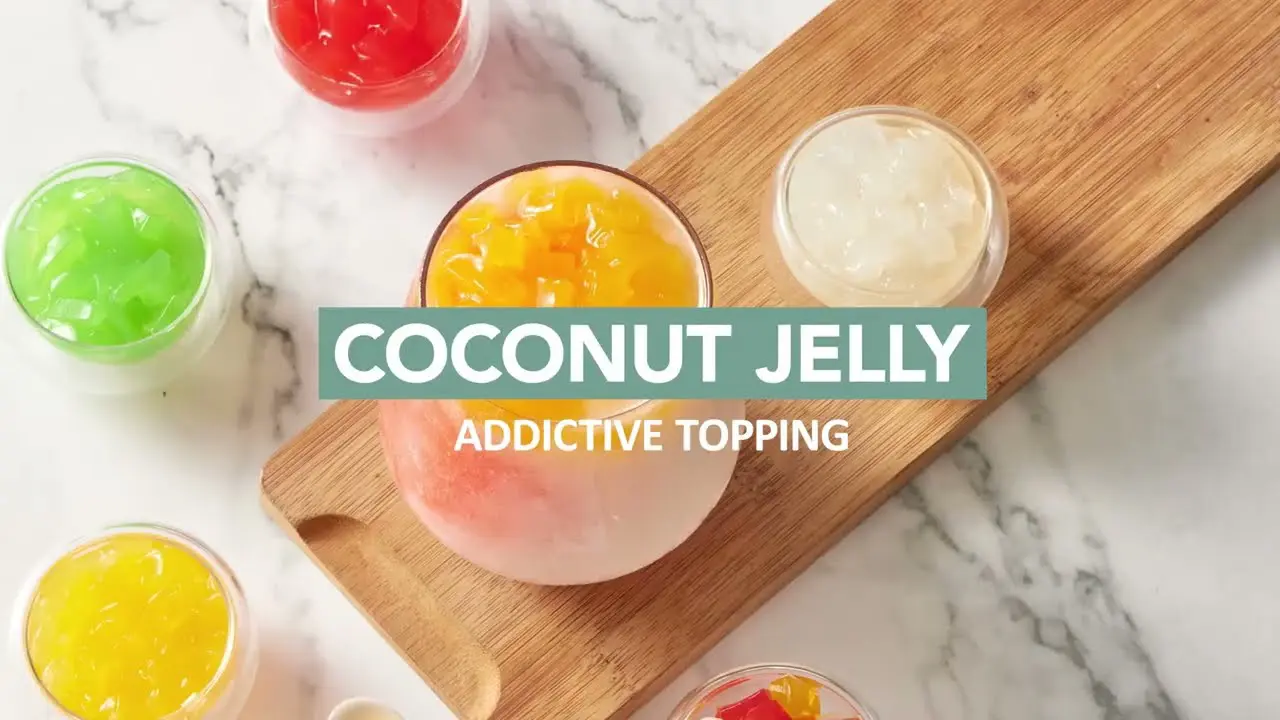
Nata de coco drink vs plain coconut water
| Plain coconut water | Nata de coco drink | |
|---|---|---|
| Texture | Thin, uniform | Thin liquid with chewy solids |
| Flavour | Mild, faintly sweet and saline | Depends entirely on the liquid and syrup |
| Energy | ~19 kcal per 100 ml | Higher — driven by the packing syrup |
| Potassium | ~250 mg per 100 ml | Same, from the coconut water base only |
| Dietary fibre | Negligible | From the cubes, depending on drained weight |
| Eat-with-a-straw? | Any straw | Needs a wide-bore straw |
Coconut water figures are from USDA FoodData Central for unsweetened ready-to-drink coconut water.
What nata de coco does not contribute
A claim repeated across recipe sites is that nata de coco is “rich in iron, potassium and calcium.” It is not. Bacterial cellulose is a polysaccharide with no meaningful mineral or vitamin content. Any potassium or magnesium in the finished drink comes from the coconut water base, and any iron or calcium comes from whatever else is in the glass.
What the cubes genuinely offer is insoluble dietary fibre and texture. That is a real benefit — it just is not a micronutrient one.
Five mistakes that ruin a nata de coco drink
- Not draining the cubes. The packing syrup is the main sugar source and it is invisible once stirred in.
- Blending the cubes. Blending shreds the cellulose into gritty fragments. Add them after blending, always.
- Adding cubes to warm liquid. They will not melt, but they will warm the drink and go soft on the surface.
- Dissolving sugar in cold acid. Sugar will not dissolve in cold lemon juice. Make a syrup with a little warm water first.
- Dicing too large. Anything above 10 mm blocks a standard straw and forces a spoon.
Frequently asked questions
Do I need to rinse nata de coco before using it?
Drain it at minimum, and rinse if the packing syrup is heavy. Rinsing under cold water for a few seconds removes most of the surface sugar without affecting the texture, and it lets you control the sweetness of the finished drink yourself.
How long does nata de coco last once opened?
Three to five days refrigerated in an airtight container with some of its liquid. Unopened commercial jars and cans keep for 12 months or more at ambient temperature. The figure of six months in the fridge, often repeated online, applies to unopened stock and not to an opened container.
Can I freeze nata de coco?
Yes, for up to three months. Unlike gelatine jellies it survives freezing without collapsing, though it loses a little firmness. Thaw in the fridge rather than at room temperature.
Is nata de coco vegan?
Yes. It is produced by bacteria fermenting coconut water and contains no gelatine or other animal-derived ingredient.
Can I make nata de coco at home?
It is possible but demanding: you need a live Komagataeibacter xylinus culture, sterile handling and one to two weeks of undisturbed fermentation at stable temperature. Contamination is the usual failure. For most home cooks, buying pre-made cubes is the practical route.
What can I use instead of nata de coco?
Tapioca pearls give a softer, starchier chew and must be cooked. Agar cubes are closer visually but melt in warm liquid and break up when stirred. Neither reproduces the firm, springy bite of nata de coco.
Buying nata de coco drinks at scale
ACM Beverage manufactures ready-to-drink beverages with nata de coco in Vietnam under OEM and private label terms, in facilities certified to ISO 22000, FSSC 22000 and HACCP, exporting to more than 40 countries. Cube proportion, dice size and syrup level are specified per order — the three variables that decide how a nata de coco drink is positioned on shelf.
See the topping series (30 SKUs), a representative build in the 320 ml orange juice with nata de coco, or the wider fresh coconut water range. For market context, see nata de coco in the global RTD market, or contact our export team.