
Yes, plain sparkling water hydrates you about as well as still water. It is simply water with dissolved carbon dioxide, and research comparing different drinks has found that carbonated water and still water have a similar effect on how much fluid the body retains. The main differences are how the bubbles feel, how they may affect fullness and bloating, and the slight acidity that carbonation adds.
This guide explains what the research says about sparkling water and hydration, how it compares with still water and other drinks, what carbonation means for teeth and digestion, and how flavoured sparkling drinks differ from plain sparkling water. It is general information, not personal medical advice.
Does sparkling water hydrate you as well as still water?
Plain sparkling water hydrates about as well as still water, because the water content is the same and the added carbon dioxide does not stop the body from absorbing and using the fluid. Studies comparing drinks have found no meaningful difference between carbonated and still water in short-term fluid retention.
The idea that bubbles might make sparkling water less hydrating is understandable, because carbonation feels different and can make people feel full sooner. But once the gas escapes, what remains in the body is water. For most people, sparkling water counts towards daily fluid intake in the same way as still water.
What does the research say?
A widely cited study by Maughan and colleagues, published in 2016, introduced the “beverage hydration index”, which compares how much of a drink is retained in the body over a few hours relative to still water. In that study, sparkling water performed similarly to still water, while some drinks with more electrolytes, protein or energy, such as milk and oral rehydration solutions, were retained for longer.
Key points from this line of research:
- Sparkling water and still water showed similar hydration effects in the study conditions.
- Drinks with electrolytes, protein or fat tended to be retained longer than water.
- Many common drinks, including tea, coffee and soft drinks, also contribute to hydration, with differences linked to their composition.
- The study involved healthy adults at rest; results may differ during heavy exercise or illness.
The practical message is that the drinks you enjoy and actually consume regularly matter more than small differences between plain waters.
Sparkling water vs still water: what is different?
The main differences between sparkling and still water are carbonation, a slight acidity from carbonic acid, and how full or bloated the bubbles can make you feel. In hydration terms, they are very similar.
| Feature | Still water | Plain sparkling water |
|---|---|---|
| Hydration | Reference drink | Similar to still water |
| Carbon dioxide | None | Dissolved CO2 creates bubbles |
| Acidity | Neutral or near neutral | Slightly acidic from carbonic acid |
| Feeling of fullness | Lower | Can be higher due to gas |
| Drinking speed | Easy to drink quickly | Often sipped more slowly |
| Minerals | Depends on source | Depends on source or added salts |
Some people find they drink more when they have sparkling water, because the bubbles make plain water more interesting. Others drink less, because the gas fills them up. Either way, choose the option that helps you meet your fluid needs comfortably.
Can sparkling water help you drink more?
For some people, yes. Many find plain still water dull, and the tingle and slight tang of carbonation make water feel more like a treat, which can encourage them to drink more through the day. Sparkling water can also replace sugary soft drinks as a habit, since it offers fizz without sugar. Others find that bubbles fill them up so they drink less in one go, so it helps to notice how your own body responds and mix still and sparkling water to suit you.
Sparkling water vs soft drinks for hydration
Both provide fluid, but plain sparkling water does so without sugar, calories or caffeine, while many soft drinks contain sugar or sweeteners and sometimes caffeine. In the beverage hydration index research, regular soft drinks were not dramatically different from water in short-term fluid retention, but their sugar content is a separate consideration for overall diet and dental health. Swapping some soft drinks for plain sparkling water is one of the simplest ways to keep the fizz while cutting sugar.
Is sparkling water good for exercise?
Sparkling water can hydrate during and after exercise, but some people find carbonation uncomfortable when exercising, because the gas can cause bloating or burping. Many athletes prefer still water or sports drinks during activity and enjoy sparkling water afterwards.
During long or intense exercise, especially in heat, the body loses electrolytes such as sodium through sweat. Plain sparkling water does not replace these in meaningful amounts. Drinks with added electrolytes are designed for such situations. Our overview of hydration and electrolyte beverage products describes options made for active lifestyles.
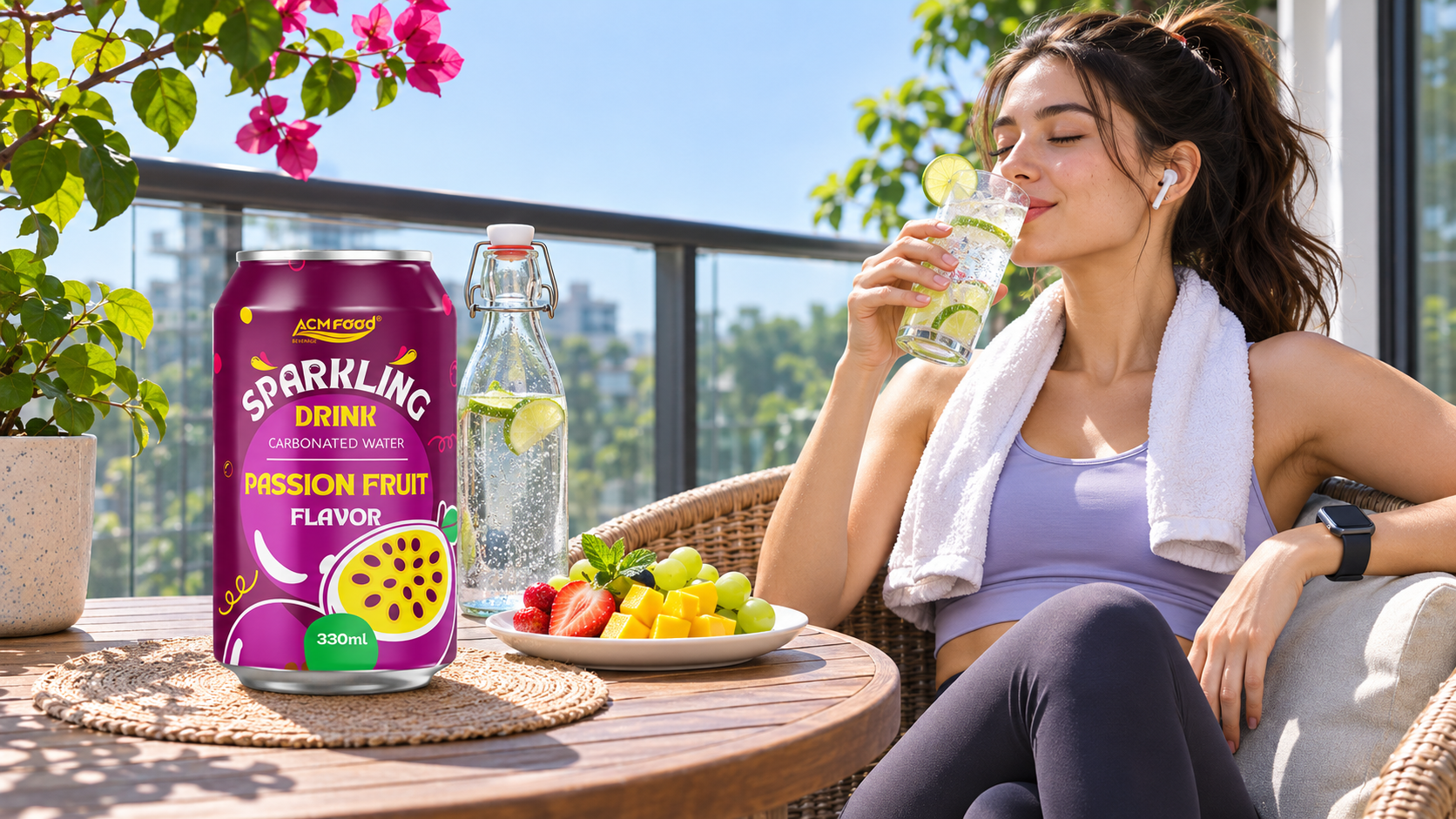
Does sparkling water cause bloating?
Sparkling water can cause bloating or burping in some people, because the dissolved carbon dioxide is released as gas in the stomach. For most people this is mild and temporary, but those with sensitive digestion, reflux or irritable bowel symptoms may notice more discomfort and may prefer still water.
Tips if bubbles bother you:
- Choose lightly carbonated waters with softer bubbles.
- Let a glass stand for a minute to release some gas before drinking.
- Sip slowly rather than drinking large amounts quickly.
- Alternate with still water during the day.
Is sparkling water bad for your teeth?
Plain sparkling water is slightly more acidic than still water, because carbon dioxide forms a small amount of carbonic acid. However, plain sparkling water is generally considered much less likely to harm tooth enamel than sugary soft drinks or acidic fruit drinks. Flavoured sparkling drinks with added citric acid or sugar are a bigger concern.
Practical ways to protect teeth:
- Choose plain, unflavoured sparkling water most of the time.
- Drink acidic or sweet sparkling drinks with meals rather than sipping all day.
- Rinse with still water after acidic drinks.
- Wait a while before brushing after acidic drinks.
- Ask your dentist if you have concerns about enamel erosion.
Is carbonated water bad for you?
For most people, plain carbonated water is a healthy choice that hydrates like still water and contains no sugar or calories. Concerns about bone health or calcium loss are generally linked to certain cola drinks rather than plain sparkling water. The main things to watch are flavoured versions with sugar, sweeteners or acids, and personal comfort with bubbles.
Some sparkling waters, such as club soda or certain mineral waters, contain sodium or other minerals. Labels show the amounts, which can matter for people limiting sodium.
Do flavoured sparkling drinks hydrate as well?
Flavoured sparkling drinks still provide fluid, but their effect depends on what is added. Unsweetened flavoured sparkling water hydrates much like plain sparkling water. Sparkling drinks with juice, sugar or sweeteners also contribute fluid, but they add calories or other ingredients that should be considered as part of the overall diet.
- Plain or unsweetened flavoured sparkling water: hydration with no sugar.
- Sparkling fruit drinks with juice: fluid plus natural or added sugars.
- Fruit sodas: fluid plus sugar or sweeteners, and often more acidity.
- Sparkling energy drinks: fluid plus caffeine and other active ingredients.
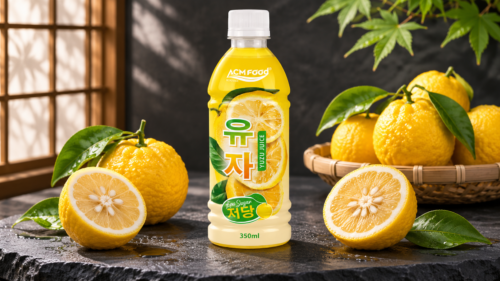
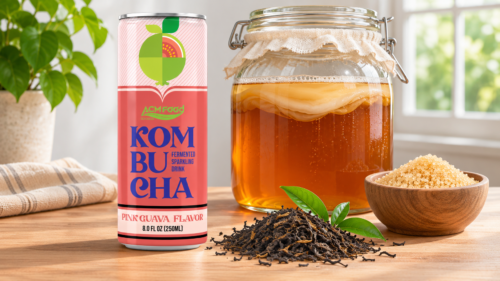
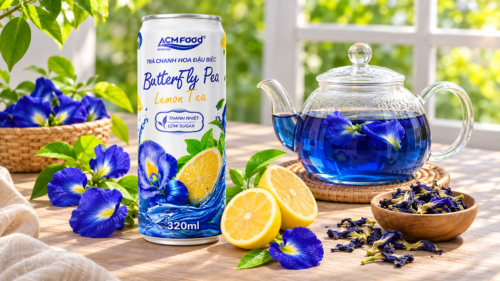
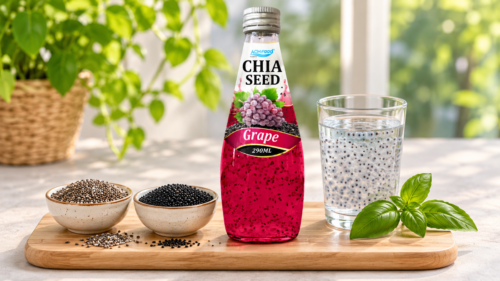
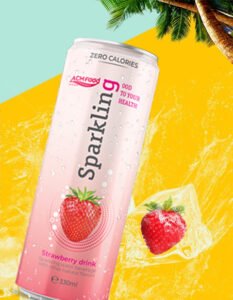
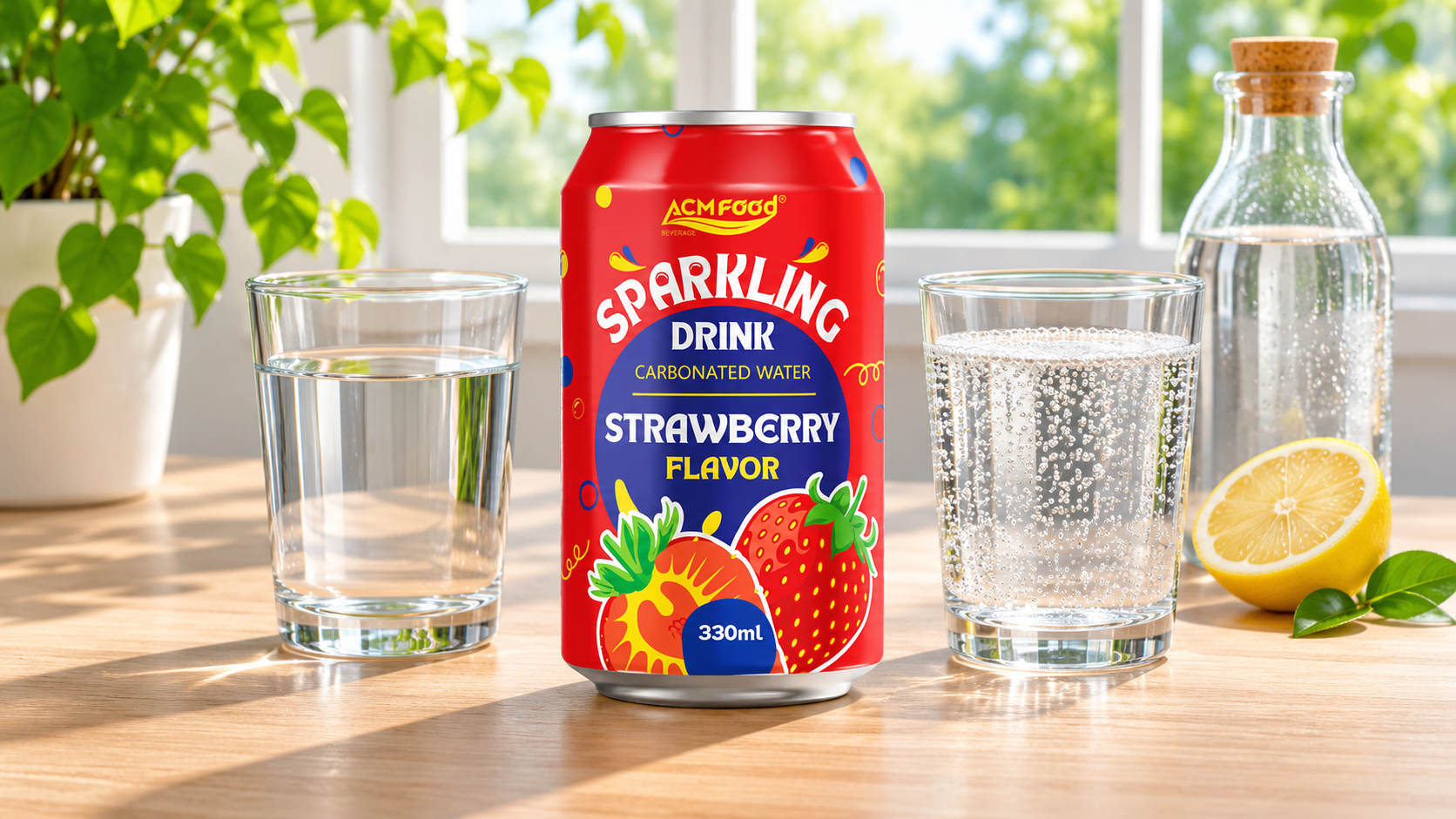
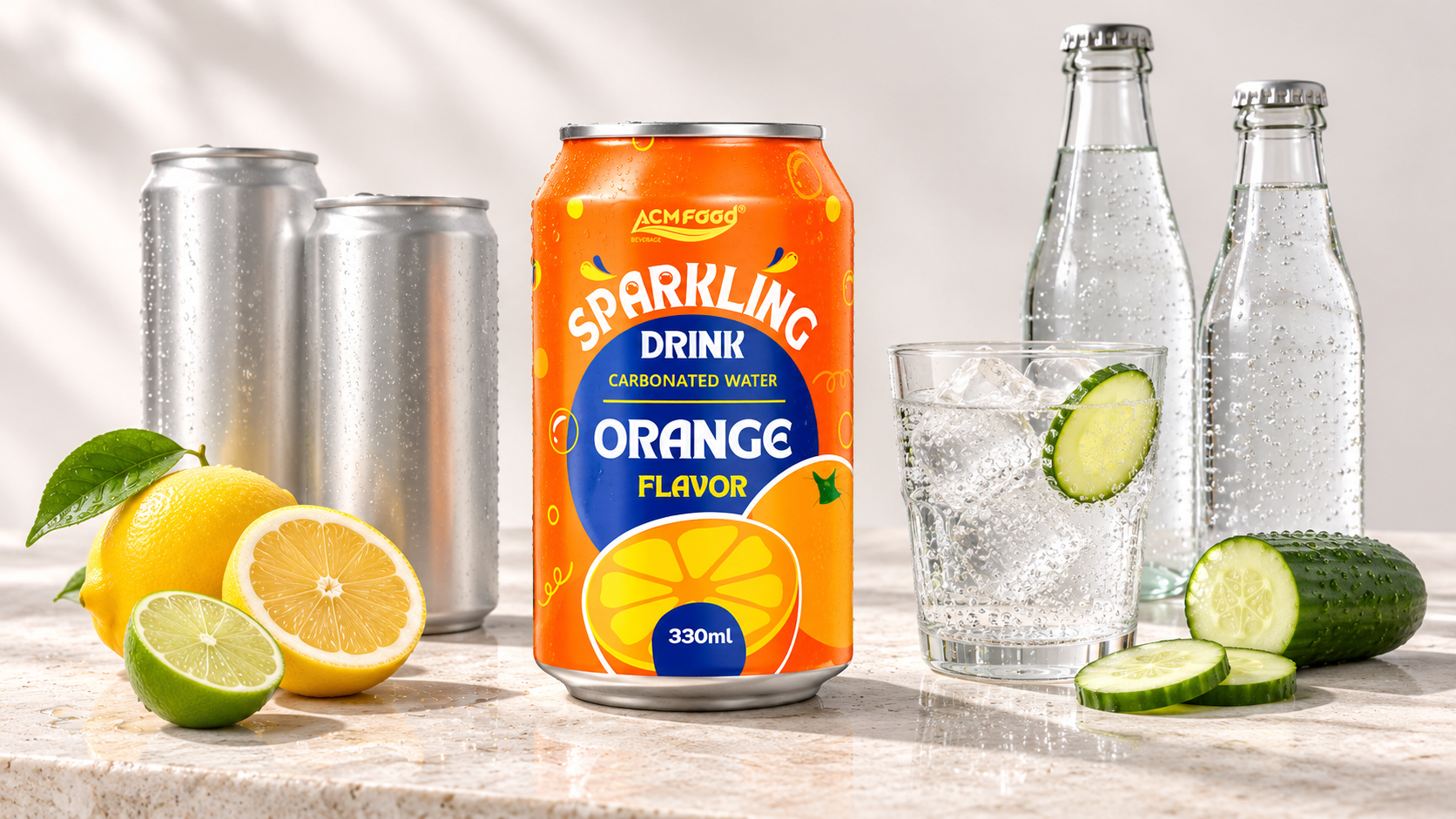
ACM Beverage offers a broad range of ACM FOOD sparkling and carbonated drinks in cans and PET bottles, from fruit sodas to flavoured sparkling drinks, shown in the sparkling drink range. The nutrition label of each product shows its sugar content.
Does the container matter: can, glass or plastic?
The container does not change how hydrating sparkling water is, but it affects how fizzy and fresh it tastes. Cans and glass bottles hold carbonation very well and protect against light, while plastic bottles are light and resealable but can slowly lose gas over long storage. Smaller cans are convenient when you want a single fresh, fizzy serving; larger bottles suit sharing at meals. Whatever the format, keep sparkling water cool and sealed until you are ready to drink it.
Is sparkling water good in hot weather?
Sparkling water can be very refreshing in hot weather, and the cold, crisp sensation encourages drinking. In heat, the body loses more fluid through sweat, so total intake matters more than the type of water. During long periods outdoors, heavy sweating or physical work, drinks containing electrolytes may be more suitable, and anyone feeling unwell in the heat should seek medical help.
How much water should you drink?
Fluid needs vary with body size, activity, climate and health. Public health bodies provide general guidance for total water intake from all drinks and food, and individual needs can be higher in hot weather or with exercise. Plain sparkling water can contribute to that total in the same way as still water. People with medical conditions that affect fluid balance should follow their doctor’s advice.
Who might prefer still water?
Still water may be the better everyday choice for people who find bubbles uncomfortable, including some with reflux, a sensitive stomach or digestive conditions, and for situations where large volumes need to be drunk quickly, such as during sport. Young children often prefer still water too. None of this means sparkling water is unsafe; it is simply about comfort and practicality. If a health condition affects what you can drink, follow the advice of your doctor.
How to enjoy sparkling water
Sparkling water can make hydration more enjoyable. Serve it very cold, add natural flavour with fruit or herbs, and use it to lighten juices.
- Add slices of lemon, lime, cucumber or orange.
- Drop in a few berries or a sprig of mint.
- Mix with a splash of fruit juice for a lighter spritzer.
- Keep a few chilled cans or bottles ready for convenience.
FAQ: sparkling water and hydration
Does sparkling water count as water intake?
Yes. Plain sparkling water counts towards your daily fluid intake in the same way as still water.
Is sparkling water dehydrating?
No. Plain sparkling water hydrates like still water. The bubbles do not cause dehydration.
Can I drink sparkling water every day?
Most people can drink plain sparkling water daily. If it causes bloating or you have concerns about teeth, alternate with still water.
Is mineral sparkling water more hydrating?
Mineral waters contain small amounts of minerals, but the hydration effect is broadly similar to other plain waters for everyday use.
Sparkling water hydration in summary
Plain sparkling water hydrates about as well as still water, according to research such as the 2016 beverage hydration index study by Maughan and colleagues. Bubbles may cause bloating for some people and add slight acidity, but plain sparkling water is far less of a concern for teeth than sugary or acidic drinks. Flavoured sparkling drinks still hydrate, though sugar and additives should be considered. Choose the water you enjoy and will drink regularly.
For product details on canned and bottled sparkling drinks, contact the ACM Beverage team through the beverage enquiry contact page.