
Beetroot juice is a deep red drink made by pressing or processing the roots of Beta vulgaris, and its taste, colour and sugar content change noticeably with variety, processing and whether it is blended with other juices. This guide explains what is actually in the glass, how to read a beetroot juice label, and which product formats make sense when you are choosing or developing a drink.
Most people meet beetroot juice in one of three forms: a pure juice with a strong earthy taste, a blend with apple, carrot or ginger that softens that taste, or a small concentrated shot. Each is a different product with different buying logic, so it helps to separate them early.
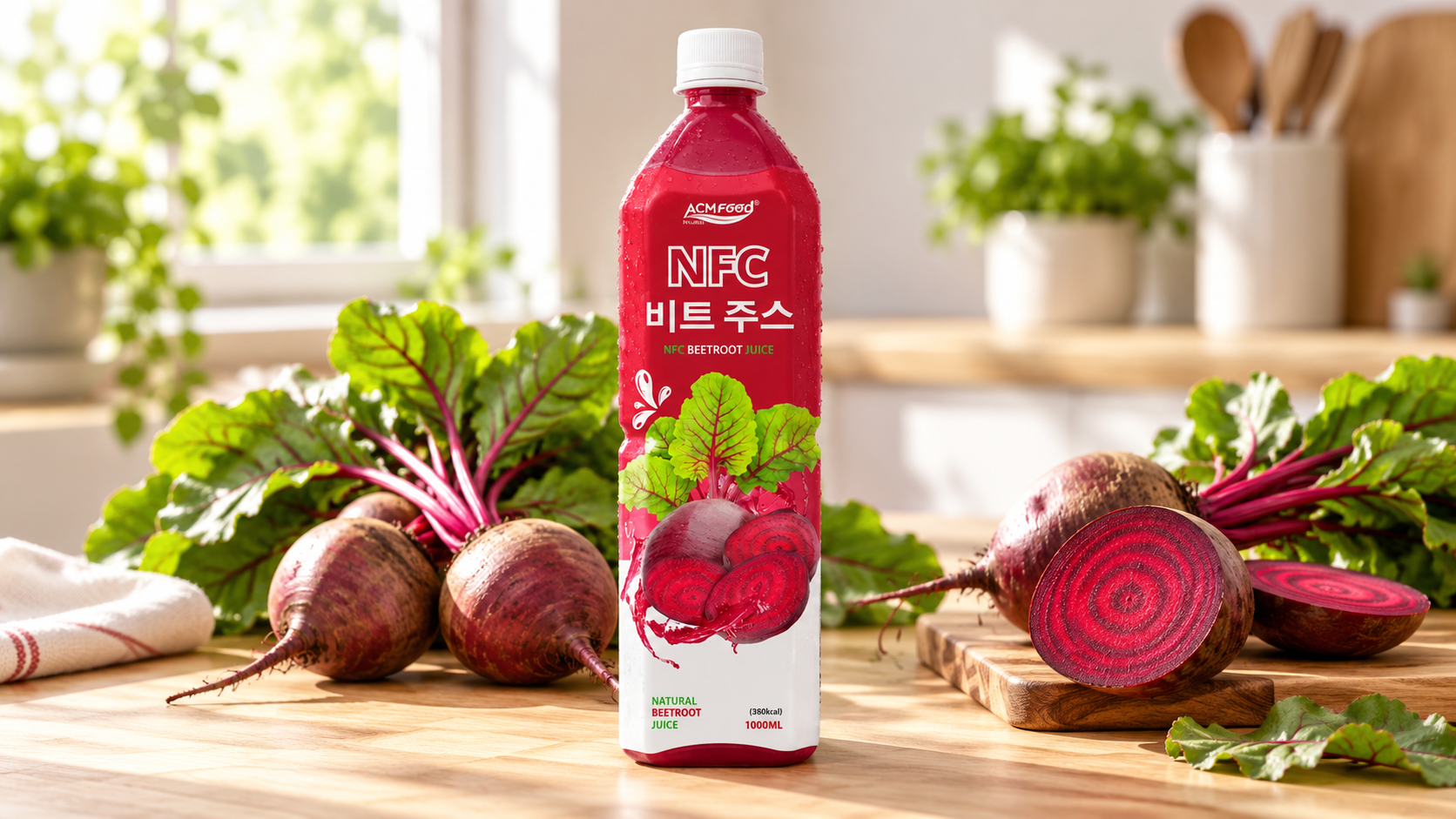
What is beetroot juice made of?
Beetroot juice is the liquid from pressed beetroot, sometimes pasteurised, sometimes sold raw or cold-pressed. A 100% juice contains only beet juice. A nectar or juice drink adds water, sweetener or other juices, and the label should say so.
The root contains natural sugars, small amounts of fibre that are mostly lost in pressing, minerals such as potassium, and dietary nitrate. It also carries the pigments called betalains, which give the juice its red-violet colour. Exact values differ by variety, soil, season and process, so any number you see should be read against the specific product and serving size on its label rather than treated as a universal figure.
- Pure juice: one ingredient, strongest flavour, darkest colour.
- Blended juice: beet plus apple, carrot, orange or ginger; milder and usually sweeter.
- Shot: a small serving sold in a bottle; formulation and serving size vary by brand.
- Drink with added water or sugar: lighter taste, but check the ingredient list and sugar line.
Why does beetroot juice taste earthy?
Beetroot tastes earthy mainly because of naturally occurring compounds, such as geosmin, that are also associated with the smell of damp soil. Many people notice this more in pure juice than in blends, because sweetness and acidity from fruit mask it.
Producers adjust the taste in a few ways: choosing varieties with milder flavour, blending with apple or orange juice, adding a small amount of lemon or lime for acidity, or pairing the beet with ginger. None of these removes the flavour entirely, and a drink that tastes nothing like beetroot is usually mostly something else.
Nutrition at a glance: what to check on the label
Beetroot juice is not a single nutritional profile. A bottle of pure juice, a blend with apple and a shot can each look quite different on the panel. When you compare products, look at four lines.
| Label line | What it tells you | Why it varies |
|---|---|---|
| Total sugars | Natural sugar from the beet plus anything added or blended in | Apple, orange and added sweeteners raise it |
| Serving size | The amount the other numbers refer to | Shots and bottles use very different servings |
| Ingredients | Whether it is 100% juice, a blend or a drink | Order shows which ingredient dominates |
| Processing note | Pasteurised, cold-pressed or from concentrate | Affects taste, colour and storage |
Juice usually has less fibre than the whole root, so it should be seen as a drink that can be part of a varied diet, not a replacement for eating vegetables. If you need to manage sugar intake or have a medical condition, speak with a qualified professional instead of relying on a product page.
Why does beetroot juice change colour and stain?
The red-violet pigment is strong and visible at small amounts, which is why a little beetroot colours an entire blend. The pigment is sensitive to heat, light and oxygen, and it behaves best in a mildly acidic range. That is one reason well-made products control pH and avoid long exposure to air.
Two practical points follow. First, the colour can fade or brown over time in a poorly protected pack, so opaque or well-sealed packaging matters. Second, some people see pink or red urine after drinking beetroot juice. It is a known and generally harmless effect of the pigment, but anyone who is unsure should ask a health professional.
Beetroot juice formats: cans, bottles and shots
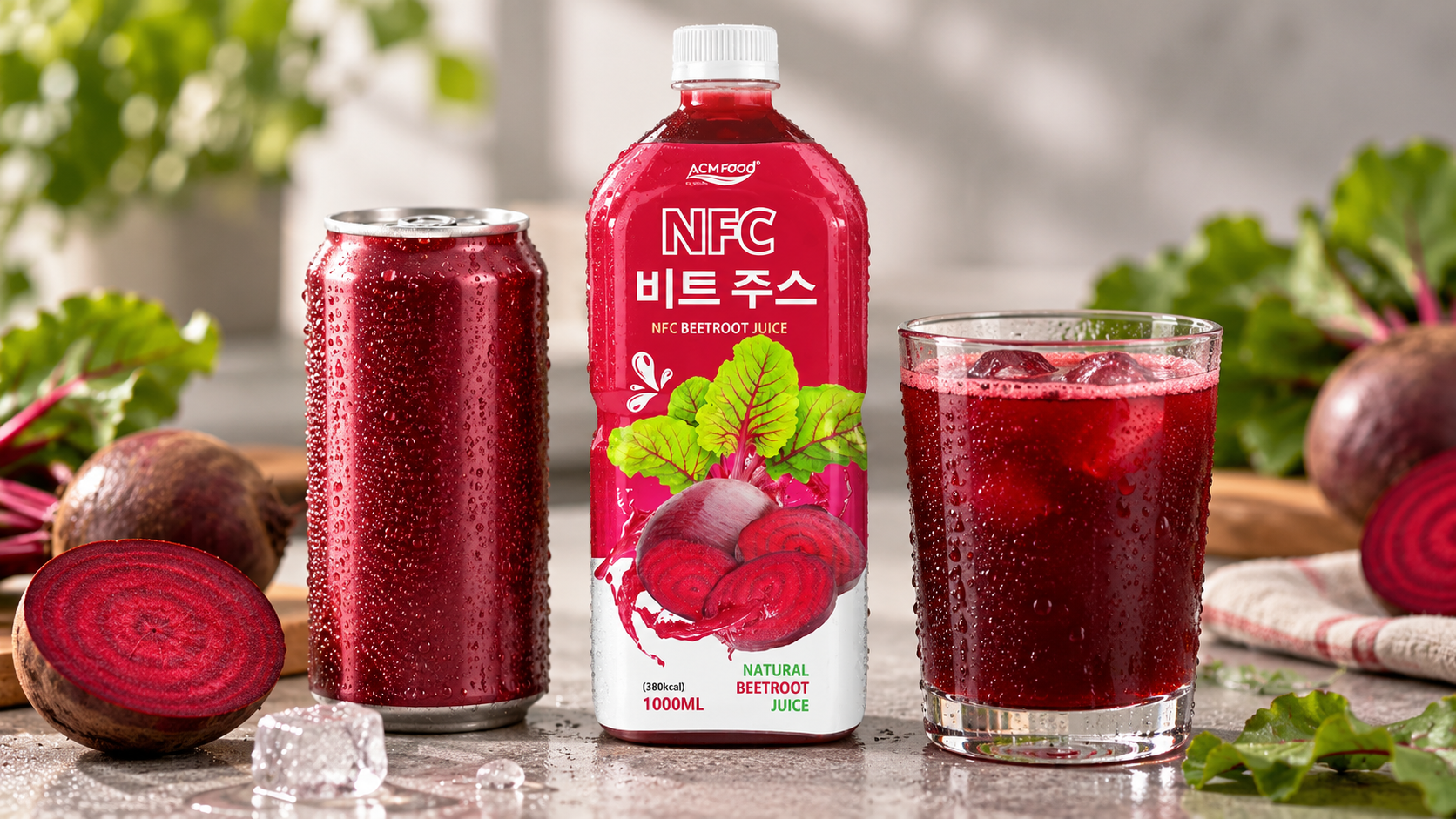
Format shapes the experience as much as the recipe does, and ACM Beverage supplies finished drinks in cans and bottles.
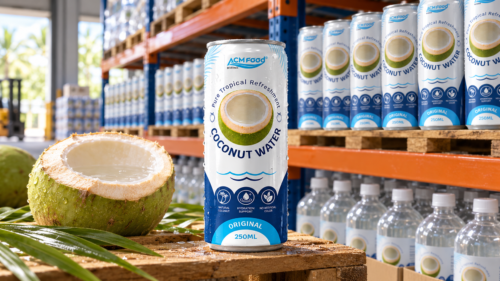
- Aluminium cans: light, stackable and opaque, which suits a pigment that dislikes light. Good for ready-to-drink blends and single-serve pure juice.
- Glass or PET bottles: let the colour show, which is a selling point for beetroot, but clear packs expose the juice to light, so label design and storage conditions matter.
- Small bottles for shots: concentrate the taste into a small serving; shot formulation is a separate topic covered when brands plan a dedicated product.
If you are weighing a pure juice against a blend, ask what the buyer is meant to feel on the first sip. A pure juice signals a bold, vegetable-forward drink. A beet and apple or beet and carrot blend signals an easier daily drink.
How do blends change the product?
Blending is the most common way to make beetroot approachable. Apple and orange add sweetness and brightness. Carrot adds body and a rounder sweetness. Ginger adds warmth and a clean finish. Lemon or lime sharpens the taste and helps keep the colour stable.
Every addition changes the label. A beet and apple juice has more sugar than a pure beet juice, and a drink with ginger needs its spice level checked so it stays pleasant at room temperature and chilled. When you build a blend, define the lead ingredient first, then decide how much sweetness and acidity you want around it.
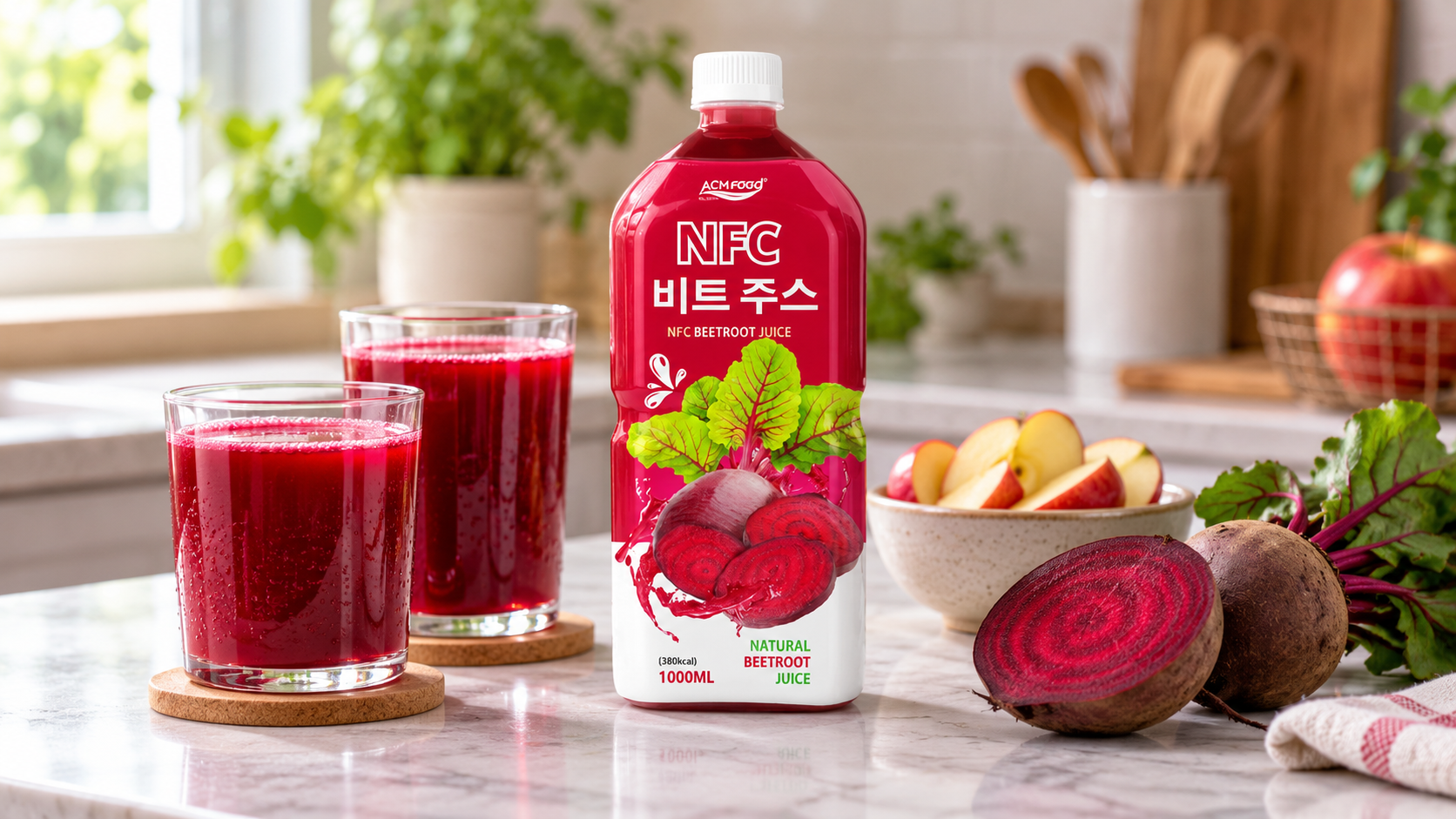
Information for beverage brands and importers
Beetroot juice is a straightforward concept but an easy one to get wrong. These are the questions worth settling in a product brief before any sample is made:
- Will the product be pure juice, a blend or a juice drink, and what will the label call it?
- What taste profile are you aiming for: bold and earthy, or soft and sweet?
- Which pack protects colour best for your market and channel?
- What sugar positioning do you want, and is it compatible with the blend you chose?
- Which target markets need specific labelling or claim rules?
Claims and labelling depend on the final recipe, tested values, serving size and the rules in the destination market, so they should be confirmed per product, not copied from another drink. For related reading on how finished beetroot drinks are developed, see beetroot juice OEM and private label production and the guide to how colour and clarity influence buyers.
How should beetroot juice be stored and served?
Unopened shelf-stable cans and bottles are stored according to the instructions on the pack. Once opened, juice should be kept cold and used within the time given on the label. Cold-pressed products that are sold chilled need to stay chilled throughout.
Serve beetroot juice cold. Chilling softens the earthy taste, and a squeeze of citrus or a slice of ginger can improve it at home. Shake or stir if the product separates, because natural juice can settle.
How do you taste and compare beetroot juices properly?
A fair comparison needs the same conditions for every sample, otherwise differences in temperature or order will drive the result. Use this simple routine when you evaluate beetroot juices for a range, a menu or a product brief.
- Chill every sample to the same temperature and pour equal amounts into identical clear glasses.
- Look first: note depth of colour, clarity and any separation or sediment.
- Smell before tasting: earthy, sweet, green or cooked notes tell you a lot about the process.
- Taste a small sip and record sweetness, acidity, earthiness and aftertaste separately.
- Clean the palate with plain water between samples and revisit the first sample at the end.
- Write plain-language notes, such as “sweet start, earthy finish”, so that the result is useful to people who were not in the room.
This routine also works for finished products from different suppliers. It keeps the discussion about the drink and not about packaging or price.
Pure juice, blend or shot: which fits which buyer?
| Product type | Taste experience | Typical buyer thinking | Label focus |
|---|---|---|---|
| Pure beetroot juice | Bold, earthy, deep colour | Wants a vegetable-forward drink | Single ingredient, process |
| Beet and apple or orange | Sweeter, brighter | Wants an easy daily drink | Blend ratio, sugar line |
| Beet with carrot or ginger | Rounded or warming | Wants character without harshness | Ingredient story |
| Beetroot shot | Concentrated impression | Wants a small, deliberate serving | Serving size, positioning |
The same root can therefore serve very different shoppers. A brand that tries to serve all of them with one recipe usually pleases none. Decide who the first customer is before you decide the recipe.
Common mistakes when choosing a beetroot juice
- Judging by colour alone. A deep red drink may be mostly apple juice with a little beetroot. Read the ingredient order.
- Ignoring serving size. Comparing sugar per bottle between a shot and a large bottle is meaningless.
- Expecting zero earthiness. If the drink tastes nothing like beetroot, the beetroot share is probably low.
- Treating “cold-pressed” as a safety statement. It describes extraction, not the treatment that follows.
- Copying claims from another brand. A claim depends on the recipe, tested values and the market, not on what a competitor printed.
Is beetroot juice only a consumer drink?
It is also an ingredient in finished beverages built by brands: beet and carrot blends, ginger blends and shots are all examples of finished drinks that start from the same base. Product development teams usually ask three things first: what taste they want, how stable the colour must be at the end of shelf life, and which pack and market the drink is for. Those questions apply equally whether the drink is sold as a pure juice or a blend, and they are the starting point for any conversation about a private-label beetroot drink.
Frequently asked questions
Is beetroot juice the same as beet juice?
Yes. Beet juice and beetroot juice describe the same drink. Beetroot is the common name in the UK and many export markets, while beet is common in the United States.
Does beetroot juice contain added sugar?
Pure beetroot juice contains natural sugar from the root and no added sugar unless the label says otherwise. Blends with fruit juice have more natural sugar, and some drinks add sweetener, so read the ingredient list.
Can beetroot juice stain packaging or surfaces?
It can. The pigment is strong, so spills on fabric or porous surfaces should be wiped quickly. Packaging for beetroot drinks should be sealed well to avoid leaks.
Choosing a beetroot juice product
The best beetroot juice is the one whose format, taste and label match the person who will drink it. Pure juice is bold, blends are easier, and shots are concentrated. If you are building a beetroot drink for your own brand, ACM Beverage can discuss can and bottle formats and recipe options on request through the contact page, and any claim should be confirmed against your tested formula and target market.