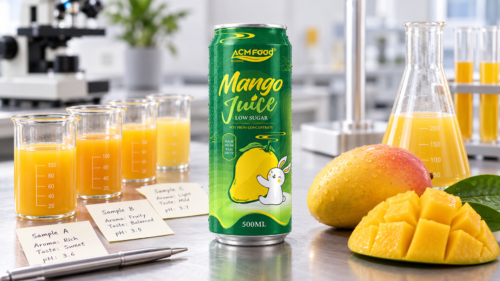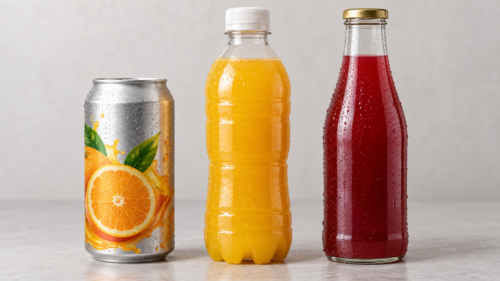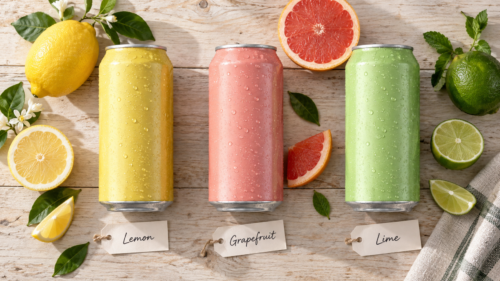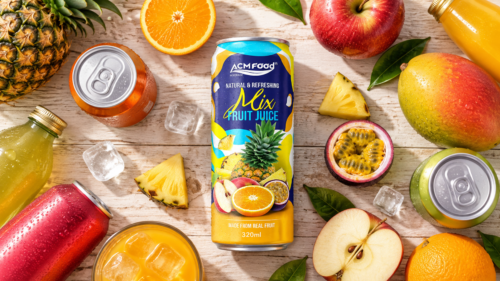




Prebiotic and fiber beverage products carry a formulation and communication challenge that is distinct from most other functional categories: prebiotic fiber needs to dissolve cleanly into a liquid matrix without clouding or settling, has a dosing ceiling before it causes digestive discomfort, and is frequently confused by shoppers with probiotics, a completely different ingredient category with different mechanisms and claims. Getting these three things right, solubility, dosing and genuinely clear terminology, is what separates a credible prebiotic beverage from one that merely looks the part but underdelivers on taste, comfort or claim accuracy.
This guide focuses closely on these formulation and communication specifics rather than on gut-health positioning and marketing strategy in general.
Prebiotic versus probiotic: a distinction worth getting right
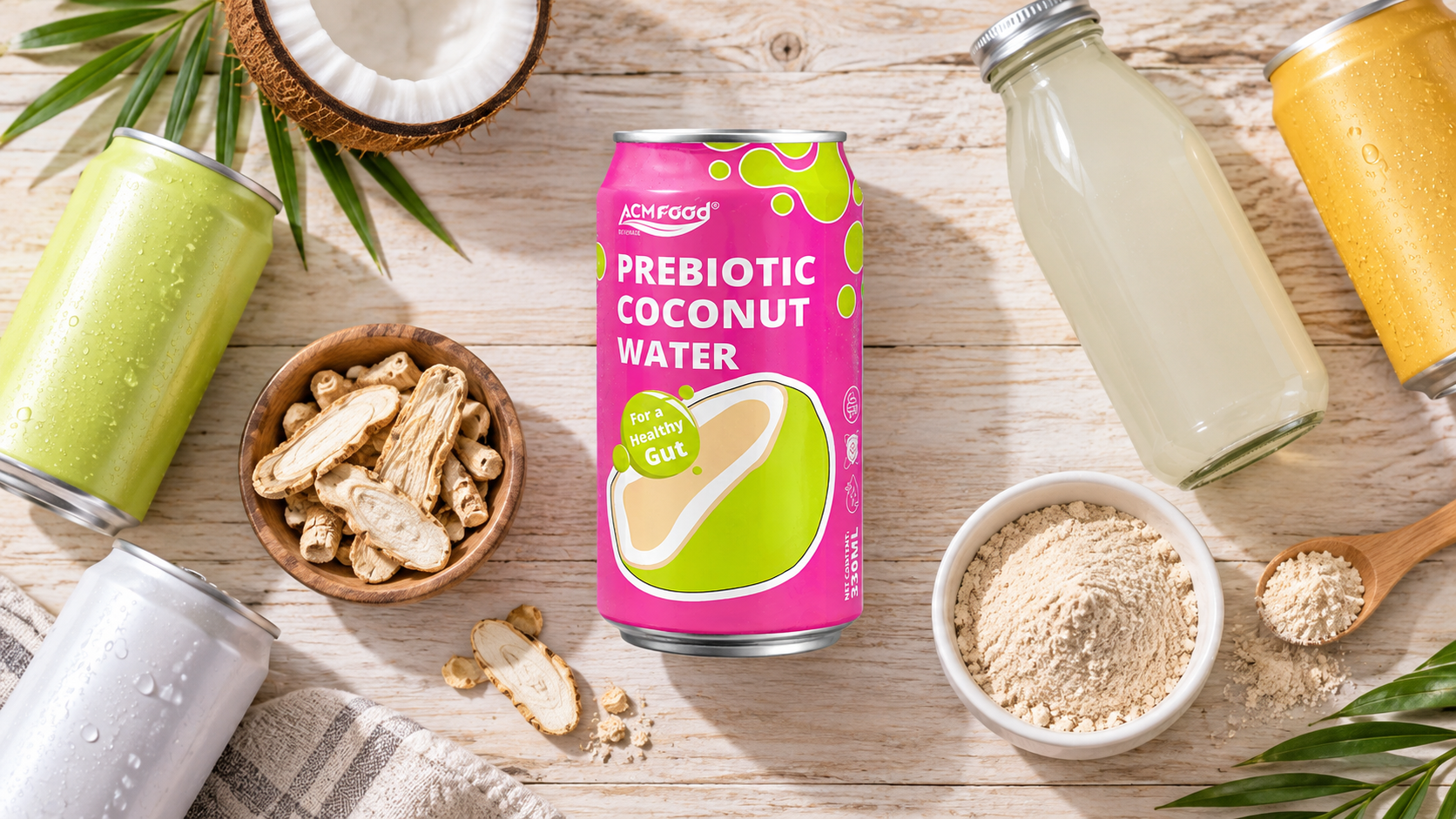
A prebiotic is broadly a non-digestible fiber that feeds the beneficial bacteria already present in the gut, while a probiotic is instead a live microorganism added directly to a finished product. These are genuinely quite different ingredient categories with different mechanisms, different formulation requirements, and different claim bases, yet the two terms are frequently confused by shoppers and, occasionally, by brands themselves when actually writing label copy.
This confusion matters practically because a probiotic product carries live culture stability requirements, often needing refrigeration and a shorter shelf life to keep the microorganisms viable, while a prebiotic fiber is shelf-stable and does not carry those same constraints. Using the terms interchangeably in marketing copy risks both a compliance issue in markets with strict claim definitions and a credibility problem with the more informed segment of the gut-health shopper base who understands the distinction and will notice if a brand gets it wrong.
This distinction also has a direct commercial implication worth planning around from the outset. A shelf-stable prebiotic product can be distributed through ordinary ambient retail channels without the cold chain investment a probiotic product typically requires, which materially widens the pool of retailers and markets a prebiotic-only product can realistically reach in its first phase. A brand weighing whether to pursue a prebiotic, a probiotic or a combined approach should factor this distribution difference into the decision alongside the formulation and claim considerations, since it can meaningfully change the achievable launch timeline and channel strategy.
The solubility challenge in a beverage matrix
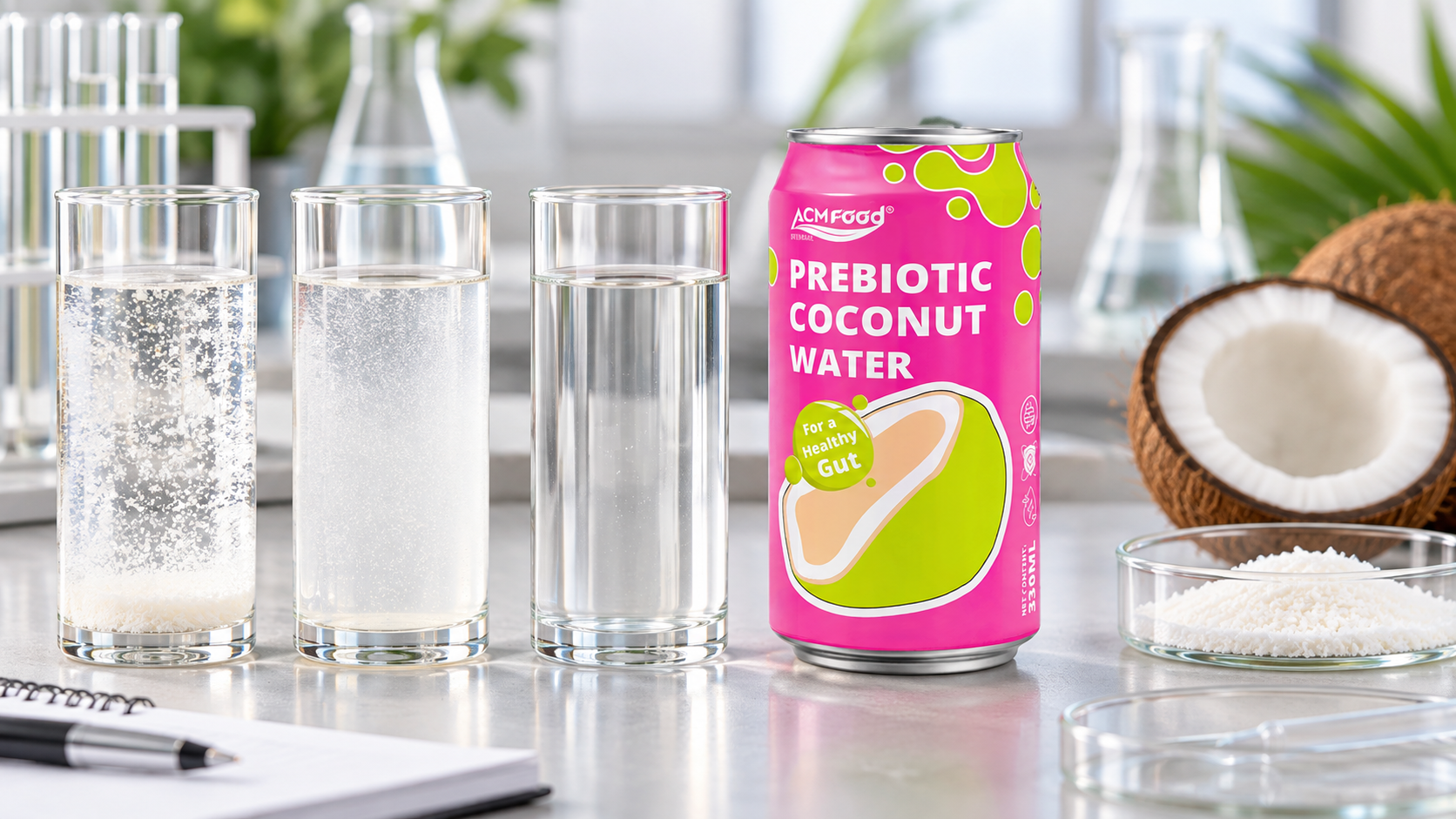
Not every prebiotic fiber dissolves cleanly into a liquid without clouding, thickening unpleasantly or settling out over the product’s shelf life. Some fiber sources disperse well and stay in solution, while others require specific processing techniques or a lower inclusion level to avoid a visibly cloudy or gritty finished product. This is a genuine formulation constraint that needs to be tested early, since a fiber source chosen purely for its functional credentials without regard to its solubility behaviour can produce a finished product that looks wrong on shelf even if it is functionally sound.
| Consideration | What it means for a prebiotic beverage formulation |
|---|---|
| Prebiotic vs probiotic | Different mechanisms, formulation needs and claim bases; avoid using interchangeably |
| Solubility | Fiber sources vary in how cleanly they dissolve without clouding or settling |
| Dosing ceiling | High fiber levels can cause digestive discomfort; moderate dosing is usually safer |
| Taste and mouthfeel impact | Some fiber sources add unwanted thickness or a starchy off-note |
| Claim substantiation | Specific fiber type and dose need to support the actual gut-health claim made |
Testing a candidate fiber source’s solubility behaviour specifically in the target beverage’s final formulation, not just in isolation, is the reliable way to confirm it will perform as expected once combined with the product’s other ingredients, since interactions with acidity, other ingredients and processing conditions can affect solubility in ways that are not obvious from the fiber alone.
Shelf-life stability testing matters here as well, beyond the initial solubility check. A fiber that dissolves cleanly at the moment of production can still settle, separate or cause a visible change in appearance over the course of the product’s full shelf life, particularly if the beverage sits on a shelf or in a warehouse for an extended period before reaching a shopper. Testing the finished formulation across its intended shelf life, not only immediately after production, is the more reliable way to confirm a fiber choice will hold up through the realistic conditions the product will actually experience before it is consumed.
Dosing carefully to avoid digestive discomfort
Prebiotic fiber, particularly at higher doses, can cause bloating, gas or other digestive discomfort in some consumers, especially those not accustomed to a high-fiber diet. This means a prebiotic beverage’s fiber dose needs to be set with genuine consumer comfort in mind, not simply maximised to support the boldest possible functional claim. A moderate, well-tolerated dose that a consumer can drink daily without discomfort supports a more sustainable, repeat-purchase product than an aggressive dose that delivers a stronger claim but risks an uncomfortable first experience that discourages a second purchase.
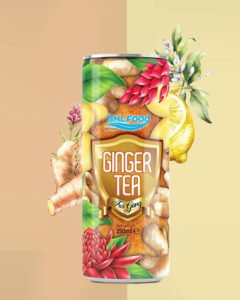
A gentler, digestive-wellness positioned approach, such as the kind reflected in a ginger honey drink for digestive wellness, illustrates how a functional beverage can support gut comfort through a well-tolerated, familiar ingredient rather than an aggressive fiber dose, a useful reference point for a brand weighing dosing conservatively against claim strength. Starting a first launch at a more conservative dose and gathering real consumer feedback before considering an increase is generally a lower-risk path than launching at the highest defensible dose from day one.
Flavor and format pairing for prebiotic products
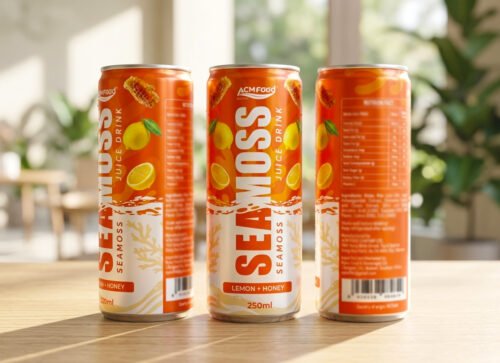
A herbal or botanical base, such as an herbal ginger tea drink, pairs naturally with a gut-health or wellness positioning, since the flavor category itself already carries a digestive-wellness association for many shoppers that reinforces rather than competes with the prebiotic claim. A more distinctive, functional-forward option, such as a sea moss functional beverage formulation, can serve a similar gut-health positioning for a shopper already seeking out more exploratory functional ingredients, though it typically requires more shopper education to explain than a familiar herbal base.
Building a prebiotic beverage product brief
Five inputs help a brand develop a prebiotic product that performs well on taste, comfort and claim accuracy.
- Fiber source and solubility testing. Confirm the chosen fiber dissolves cleanly in the actual finished formulation, not just in isolation.
- Dose calibrated for comfort. Set the fiber level against genuine consumer tolerance rather than the boldest possible claim.
- Clear prebiotic terminology. Avoid conflating prebiotic and probiotic language in label copy and marketing materials.
- Flavor and positioning alignment. Choose a base flavor that reinforces rather than competes with the gut-health positioning.
- Claim substantiation basis. Confirm the specific fiber type and dose genuinely support the gut-health claim being made in the target market.
Common mistakes in prebiotic beverage development
A consistent set of avoidable errors accounts for much of the friction brands encounter in this category.
- Choosing a fiber source without testing solubility in the final formulation. A fiber that clouds or settles undermines a product’s visual appeal regardless of its functional merit.
- Maximising fiber dose to support the strongest possible claim. An aggressive dose that causes digestive discomfort can turn a first-time trial into a lost repeat customer.
- Using “prebiotic” and “probiotic” interchangeably in marketing copy. This risks both shopper confusion and a compliance issue in markets with strict claim definitions.
- Pairing a prebiotic claim with a flavor that has no wellness association. A mismatch between flavor positioning and functional claim can make the product feel like an afterthought rather than a coherent concept.
Each of these is avoidable by treating solubility, dosing and terminology as core technical and communication decisions from the outset, rather than details resolved after the flavor concept is already finalised. A brand new to fiber formulation benefits from asking a prospective manufacturer directly about their experience with the specific fiber source under consideration, since prior hands-on experience with that exact ingredient tends to surface solubility and dosing risks earlier and more reliably than working with a manufacturer encountering it for the first time.
Frequently asked questions
Can a beverage carry both prebiotic and probiotic claims at once?
Yes, this is possible and is sometimes called a synbiotic product, but it requires solving both formulation challenges at once, prebiotic fiber solubility and probiotic live culture stability, which is more technically demanding than addressing either alone. A brand considering this combination should confirm a manufacturer’s specific experience with synbiotic formulations before committing to the concept.
How much prebiotic fiber is typically well tolerated in a beverage serving?
This varies by the specific fiber type and by individual tolerance, but formulation generally favours a moderate dose that supports a meaningful claim without commonly causing discomfort, rather than the highest dose technically possible. Testing with a range of consumers during development helps confirm where that comfortable threshold sits for a specific formulation.
Does prebiotic fiber affect a beverage’s sweetness or need for sugar?
Not directly, though some fiber sources carry a mild sweetness of their own or a subtle flavor note that needs to be accounted for in the overall formulation balance. This is another reason to test the fiber within the actual finished recipe rather than assuming it will be flavor-neutral.
Is private label a realistic route into the prebiotic beverage category?
Yes, starting from an existing prebiotic base formula that has already solved the solubility and dosing challenges is generally faster than developing a new formulation from scratch, particularly for a brand without prior fiber formulation experience.
Does a prebiotic product require refrigerated distribution like a probiotic one?
Generally no. A prebiotic fiber is shelf-stable and does not carry the live culture viability requirements a probiotic product does, which means a prebiotic beverage can typically use standard ambient distribution and retail channels rather than the cold chain infrastructure a refrigerated probiotic product requires.
How long does it typically take to develop a well-formulated prebiotic beverage?
This depends heavily on how much solubility and dosing testing is required for the specific fiber source and flavor combination chosen. A fiber source with well-established solubility behaviour in a similar formulation can move relatively quickly, while a less common fiber or an unusual flavor pairing may need several additional trial rounds to resolve appearance and taste issues before a final specification is reached.
Starting a prebiotic beverage product brief
A prebiotic beverage performs best when fiber solubility, dosing comfort and clear terminology are treated as core development decisions from the outset, rather than assumptions carried over from a less technically demanding functional beverage category.
ACM Beverage develops prebiotic and fiber beverage products against these formulation, dosing and claim requirements and can advise on fiber source, distribution planning and positioning before a first order is placed. Reach out through the enquiry and contact page with the target gut-health positioning, flavor direction and any prior fiber formulation experience in mind to start that conversation, and expect the first discussion to weigh solubility and dosing before flavor development is finalised.