








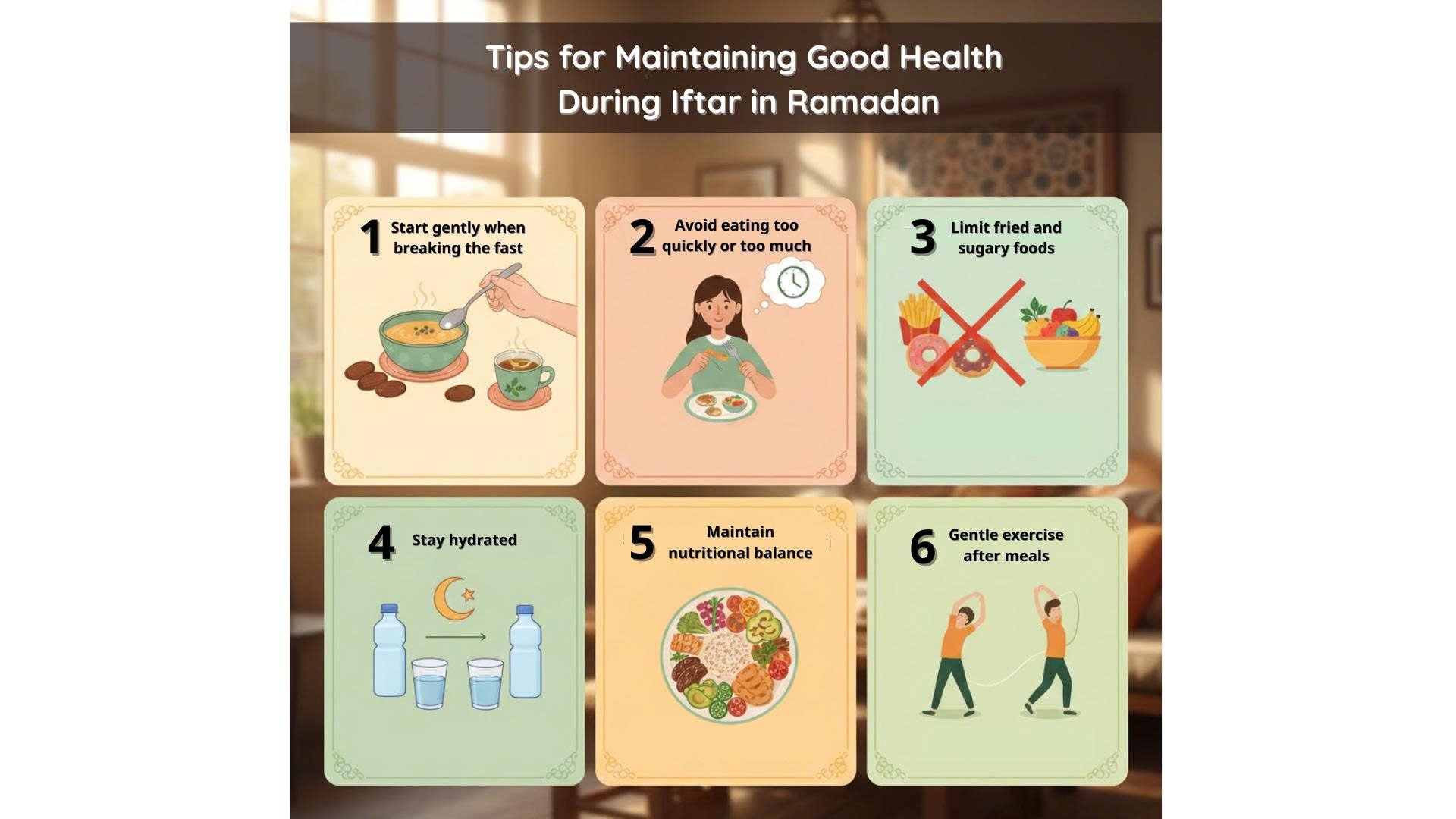
A healthy iftar starts with water and 1–3 dates, followed a few minutes later by a balanced plate: lean protein, a complex carbohydrate, vegetables and a little healthy fat. Aim for about 2 litres of fluid between iftar and suhoor, sipped steadily rather than all at once.
Key facts at a glance
- Ramadan 2027 is expected to begin around 8 February 2027; exact dates depend on the moon sighting.
- Break the fast gently — water and dates first, the main meal after.
- Hydrate across the evening, about 8 glasses between iftar and suhoor.
- Protein and fibre keep you full; fried and sugary foods do the opposite.
- Suhoor matters as much as iftar for energy during the next day.

A healthy iftar, step by step
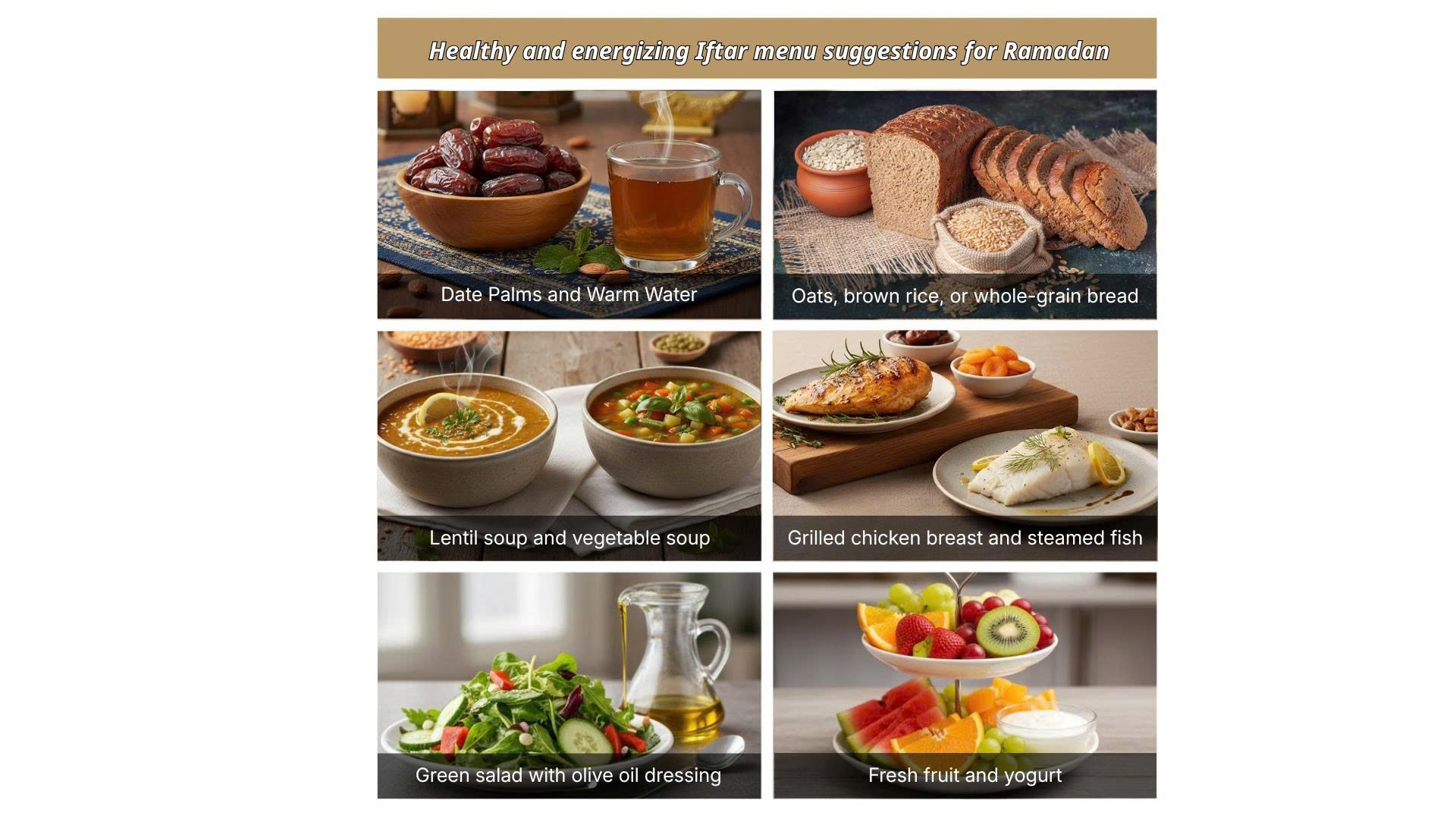
- Break the fast: a glass of water and 1–3 dates. Dates provide quick natural sugar, potassium and fibre.
- Soup: a light lentil, vegetable or chicken soup rehydrates and prepares the stomach.
- Main plate: half vegetables or salad, a quarter lean protein (grilled chicken, fish, beans), a quarter complex carbs (brown rice, whole-wheat bread, bulgur).
- Fruit for dessert instead of syrup-soaked sweets on most days.
What to drink
| Drink | Why | Limit |
|---|---|---|
| Water | Best for rehydration | Sip steadily |
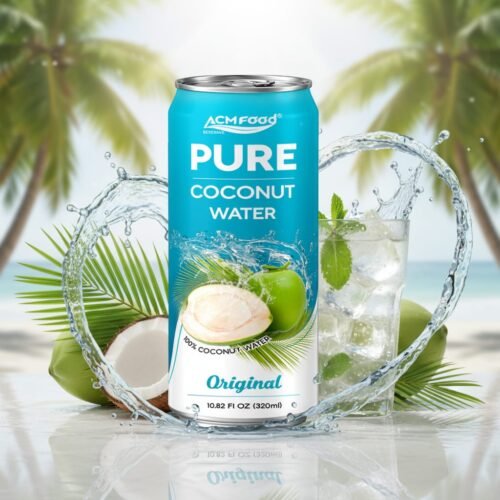
| Coconut water | Adds potassium; about 19 kcal per 100 ml | One glass |
| Milk or laban | Protein and fluid | Choose lower-fat |
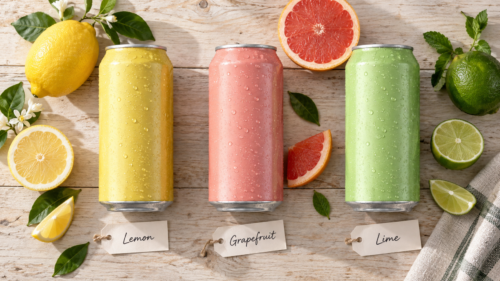
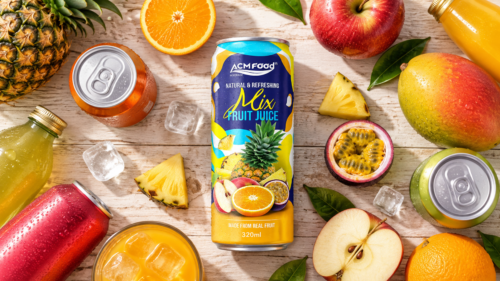
| 100% fruit juice | Vitamins, quick energy | One small glass |
| Sweetened drinks (e.g. rose syrup) | Traditional | Occasionally, small portions |
| Coffee and strong tea | Caffeine | Mildly diuretic; avoid close to suhoor |
What to limit
- Deep-fried foods such as samosas, every day — heavy and slow to digest.
- Very salty dishes and pickles — increase thirst during the fast.
- Large sugary desserts — cause a quick rise and fall in energy.
- Overeating — eat slowly; fullness takes about 20 minutes to register.
A good suhoor
Choose slow-release foods: oats, whole-grain bread, eggs, yoghurt, beans, and fruit such as bananas. Drink water, and avoid salty foods and too much caffeine.
Frequently asked questions
What is the healthiest way to break the fast?
Water and 1–3 dates, then a short pause before a balanced meal.
How much water should I drink during Ramadan?
About 2 litres between iftar and suhoor for most adults, more in hot weather, spread across the evening.
Is coconut water good for iftar?
Yes. It rehydrates and adds potassium with few calories. Choose unsweetened versions.
How can I avoid tiredness while fasting?
Eat a balanced suhoor with protein and slow carbohydrates, drink enough fluid overnight and sleep adequately.
Who should talk to a doctor before fasting?
People with diabetes, kidney disease, heart conditions, pregnant or breastfeeding women, and anyone on regular medication.
Drinks for Ramadan
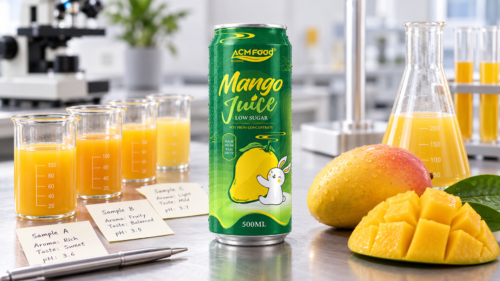
ACM Beverage produces coconut water and fruit juices in Vietnam, for markets including the Middle East. See the coconut water range and the fruit juice range. Related reading: drinks to make with coconut water.
This article is general information, not medical advice.