Grapes are about 81% water and provide potassium, vitamin K and polyphenols such as anthocyanins and resveratrol, mostly in the skin. 100 g of grapes has about 69 kcal and 15 g of natural sugar. Studies link grape polyphenols with modest benefits for blood vessels and blood pressure, but grapes are not a strong source of vitamin C or fibre.
What are grapes?
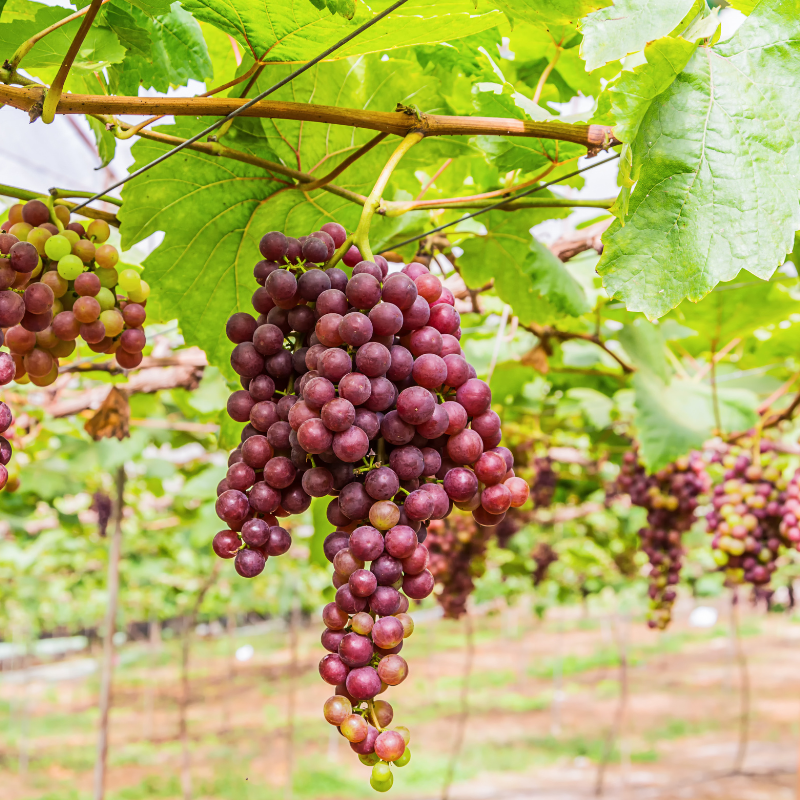
Grapes (Vitis species) grow in bunches and come in green, red, black and purple varieties. Red and purple grapes have more pigment-rich skins and therefore more anthocyanins. Grapes are eaten fresh, dried as raisins, and processed into juice, jam and wine.
What nutrients are in grapes?

| Per 100 g fresh grapes | Amount |
|---|---|
| Water | about 81 g |
| Energy | 69 kcal |
| Sugars | 15.5 g |
| Fibre | 0.9 g |
| Potassium | 191 mg |
| Vitamin K | 14.6 µg (about 12% of daily needs) |
| Vitamin C | 3.2 mg (low) |
Source: USDA FoodData Central.
What are the health benefits of grapes?
| Benefit | Strength of evidence |
|---|---|
| Blood vessel function and blood pressure | Moderate – several small trials with grape polyphenols or purple grape juice |
| Antioxidant intake | Good – grapes are a rich source of polyphenols |
| Brain and memory | Early – small studies with Concord grape juice in older adults |
| Hydration | Grapes are mostly water, like most fruit |
| Eye health | Limited – grapes contain only small amounts of lutein and zeaxanthin |
| Skin and anti-ageing | No good human evidence |
| Digestion | Grapes are low in fibre; whole fruit helps more than juice |
Grapes vs grape juice
- Whole grapes keep their fibre and are more filling.
- 100% grape juice keeps much of the polyphenol content, especially red and purple juice, but is one of the sweetest juices at about 14–16 g of sugar per 100 ml.
- A sensible portion of juice is about 150 ml a day.
For juice details see 100% pure red grape juice and low sugar green grape drink.
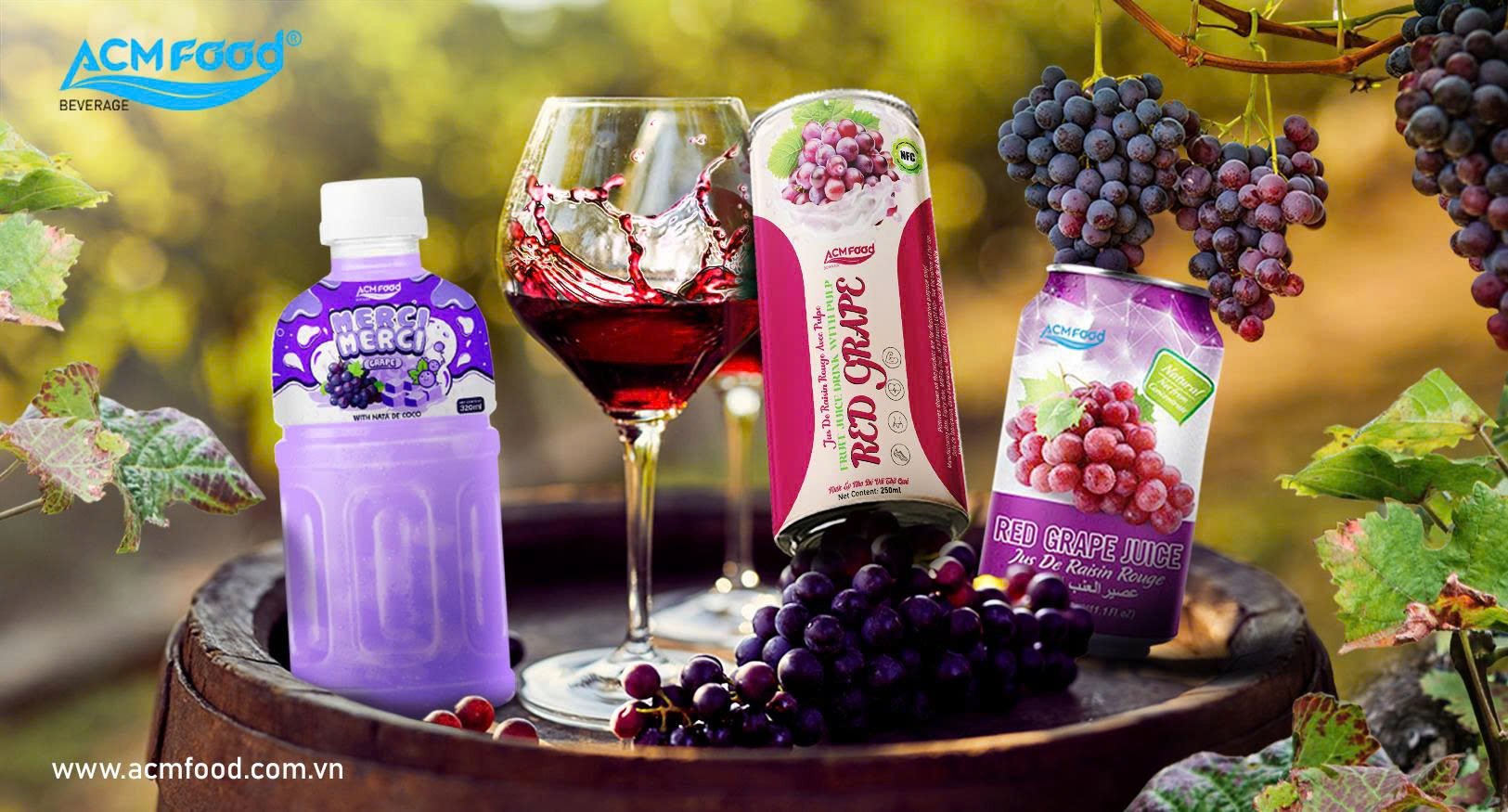
ACM grape juice
| Item | Detail |
|---|---|
| Product | ACM Grape Juice 250ml |
| Packaging | Slim aluminium can |
| Shelf life | 24 months |
| Certifications | FSSC 22000, HACCP, ISO 22000 |
Browse all grape juice products.
Frequently asked questions
Are red grapes healthier than green grapes?
Red and purple grapes contain more anthocyanins; otherwise their nutrients are similar.
Is grape juice as good as eating grapes?
It keeps many polyphenols but loses most of the fibre and is easier to over-consume, so whole grapes are the better everyday choice.
Do grapes contain a lot of vitamin C?
No. Grapes provide only about 3 mg per 100 g; oranges and guava are much better sources.
How many grapes should I eat a day?
A portion of about 80 g (a small handful) counts as one of your five a day.