














Vietnamese sữa đậu xanh is mung bean milk — made from Vigna radiata, not from green beans. The English name is a mistranslation that follows the literal Vietnamese (đậu xanh = green bean). Dry mung beans carry 23.9 g of protein per 100 g, though the finished drink is heavily diluted.
Key facts at a glance
- The bean: mung bean, Vigna radiata — not Phaseolus vulgaris (the green bean vegetable).
- Dry mung bean per 100 g: 347 kcal, 23.9 g protein, 16.3 g fibre, 625 µg folate.
- The finished drink: roughly 1 part bean to 3–4 parts water, so protein lands nearer 2–3 g per cup.
- Colour: pale yellow to light green from the hull, not from significant chlorophyll.
- Naturally free of: dairy, lactose, gluten and nuts.
- Traditionally served chilled in summer, often with pandan.
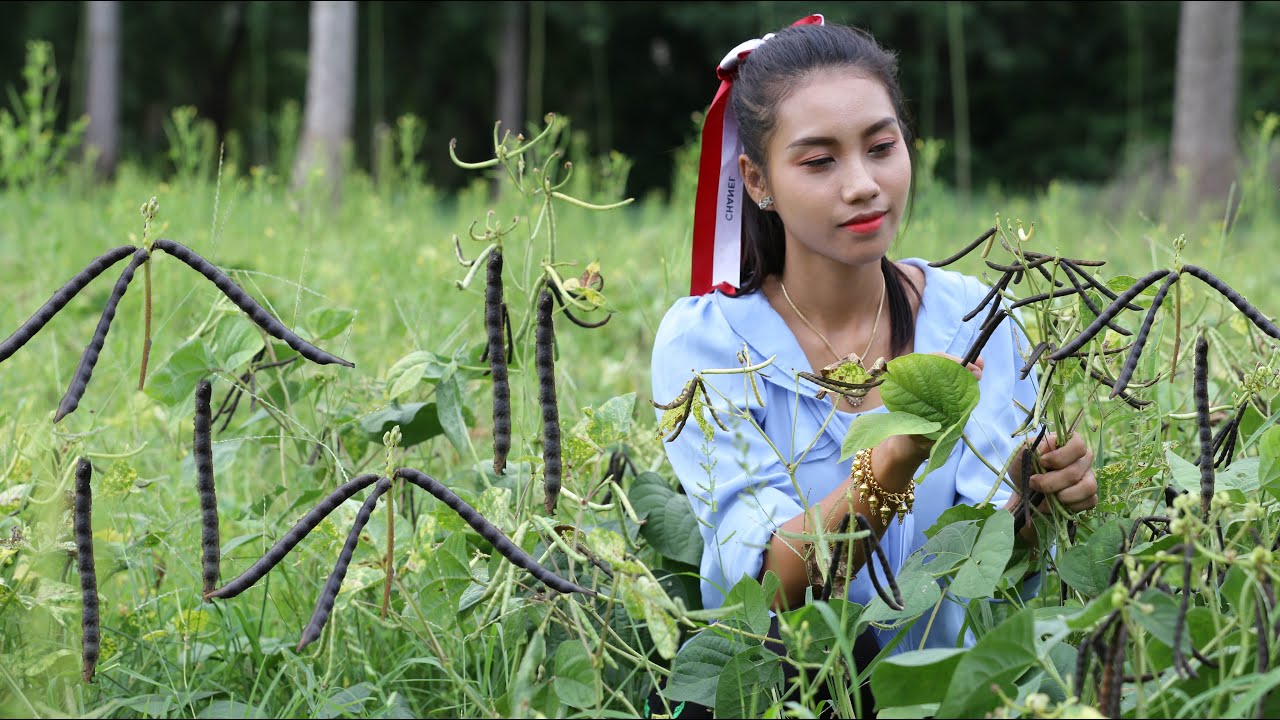
Clearing up the name
This is the single most confused point about the drink, and it matters if you are sourcing or shopping for it.
| Vietnamese | Correct English | Species | What it is |
|---|---|---|---|
| Đậu xanh | Mung bean | Vigna radiata | Small dried pulse, yellow inside a green hull |
| Đậu cô ve | Green bean | Phaseolus vulgaris | Fresh green pod eaten as a vegetable |
| Đậu đỏ | Red bean / adzuki | Vigna angularis | Used for a different drink entirely |
“Green bean milk” is a literal rendering of sữa đậu xanh and has stuck in English-language listings. The drink is made from mung beans. Adzuki beans make sữa đậu đỏ, a separate product with a different colour and flavour.
What is in mung bean milk
Mung beans are soaked, cooked, blended with water and strained. The result is smooth, mildly sweet and faintly earthy. Most recipes add a small amount of sugar and a pinch of salt; pandan leaf is common in Vietnam and coconut milk appears in richer versions.
Two things follow from the process:
- Dilution changes everything. The nutrition figures usually quoted are for dry beans. A drink made at 1:4 contains roughly a fifth of them.
- Straining removes most of the fibre. Dry mung beans are high in fibre at 16.3 g per 100 g, but that fibre stays in the strainer.
Nutrition: dry bean versus finished drink
| Nutrient | Dry mung bean, per 100 g | Typical drink, per 240 ml cup |
|---|---|---|
| Energy | 347 kcal | ~60–90 kcal with sugar |
| Protein | 23.9 g | ~2–3 g |
| Fibre | 16.3 g | Low — mostly strained out |
| Folate | 625 µg | Present, much reduced |
| Iron | 6.7 mg | Present, much reduced |
| Potassium | 1246 mg | Present, much reduced |
Dry bean values from USDA FoodData Central for raw mature mung bean seeds. Drink values are estimates and vary widely with bean-to-water ratio, straining and added sugar.
The honest summary: mung bean milk is a pleasant, allergen-light drink with modest protein. It is not comparable to soy milk nutritionally, and figures quoting 8 g of protein per cup are describing soy, not this.
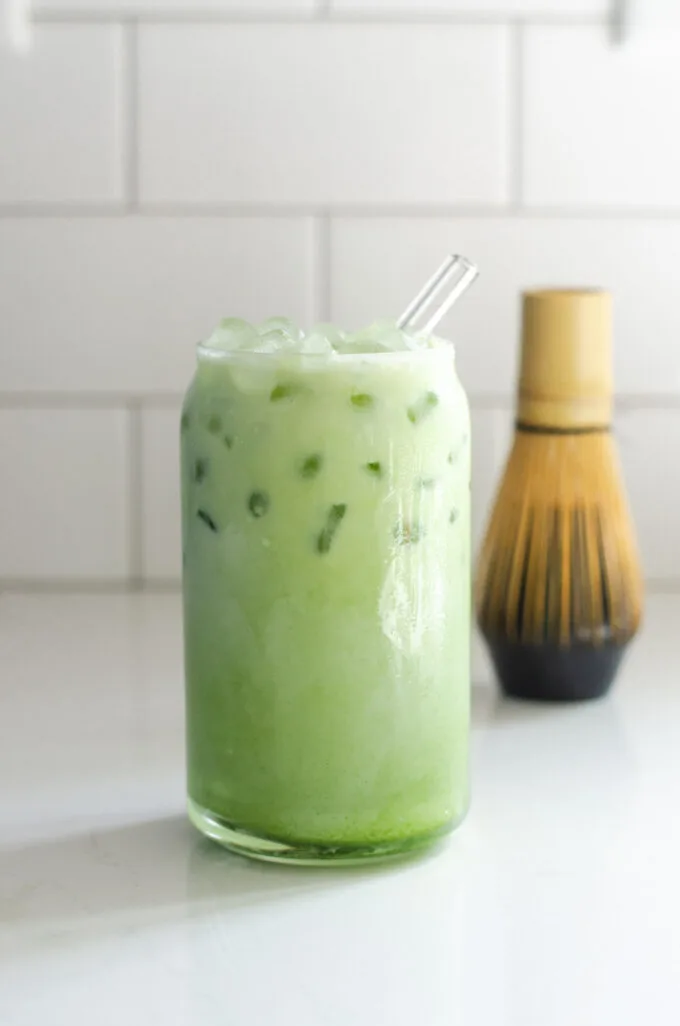
How to make mung bean milk at home
Makes about 1 litre. The soak and the strain are the two steps that decide the texture.
Ingredients
- 150 g dried mung beans (split and hulled gives a smoother, paler result)
- 800 ml water, plus more for soaking
- 30–50 g sugar, to taste
- A pinch of salt
- 1 pandan leaf, optional
Method
- Soak the beans in cold water for at least 4 hours, or overnight. Under-soaked beans blend grainy.
- Drain and rinse until the water runs clear.
- Simmer the beans in fresh water for 20–25 minutes until fully soft. Do not skip this — raw blended pulse is hard to digest.
- Blend the cooked beans with 800 ml water until completely smooth.
- Strain through a fine sieve or nut-milk bag, pressing to extract the liquid.
- Return to the pan with the salt, sugar and pandan. Simmer gently for 5 minutes, stirring so it does not catch.
- Cool and refrigerate. Shake before serving — separation is normal.
Keeps 3 days refrigerated. There is no preservative, and the starch content makes it spoil faster than dairy.
What mung bean milk will not do
- It is not high in protein. Around 2–3 g per cup after dilution, against 8 g in soy milk. Figures claiming 8 g for mung bean milk are quoting the wrong bean.
- It is not high in fibre. The fibre is in the strained solids, not the liquid.
- It does not regulate blood sugar. Most versions contain added sugar, and the fibre that would slow absorption has been removed.
- It is not a weight-loss drink. It is a sweetened beverage. Useful as a replacement for a higher-sugar one, not as an intervention.
- Its colour is not chlorophyll. The pale green comes from the hull. Hulled split beans produce an almost yellow drink.
Frequently asked questions
Is green bean milk the same as mung bean milk?
Yes — they are the same drink under two names. “Green bean milk” is a literal translation of the Vietnamese sữa đậu xanh. The correct English name is mung bean milk, made from Vigna radiata. It has nothing to do with green beans, the vegetable.
How much protein is in mung bean milk?
Roughly 2 to 3 g per 240 ml cup. Dry mung beans contain 23.9 g per 100 g, but the drink dilutes them at about 1:4 and strains out the solids. For a high-protein plant milk, soy is the appropriate choice.
Is mung bean milk good for you?
It is a reasonable drink: free of dairy, gluten and nuts, low in fat, and carrying some folate, iron and potassium. It is usually sweetened, so treat it as an enjoyable beverage rather than a nutritional supplement.
Why does mung bean milk separate?
Starch and fine solids settle out. This is normal in a homemade or lightly stabilised product and is not spoilage. Shake or stir before drinking.
Do I have to cook the beans before blending?
Yes. Raw pulses are difficult to digest and contain antinutrients that cooking reduces. Soak for at least four hours, then simmer until fully soft before blending.
How long does homemade mung bean milk keep?
About three days refrigerated in a sealed container. It contains no preservative and its starch content makes it spoil faster than dairy milk. Commercial canned versions are heat-treated and keep far longer unopened.
Mung bean milk at commercial scale
ACM Beverage manufactures plant-based and bean milk drinks in Vietnam under OEM and private label terms, in facilities certified to ISO 22000, FSSC 22000 and HACCP, exporting to more than 40 countries. The technical challenge in this category is starch: it settles over a long ambient shelf life and thickens on heating, so the stabiliser system does more work here than in a fruit juice.
See the milk drinks range (16 SKUs) or the full beverage product range. For related plant milks see brown rice milk and corn milk. To discuss a formulation, contact our export team.
This article is general nutrition information, not medical advice. Consult a qualified healthcare professional about your own diet.






