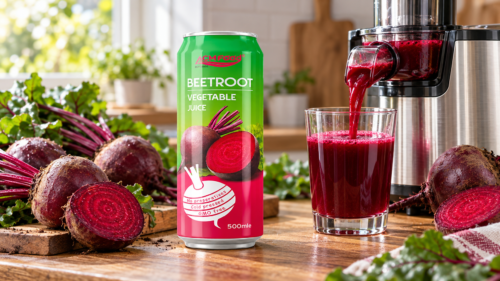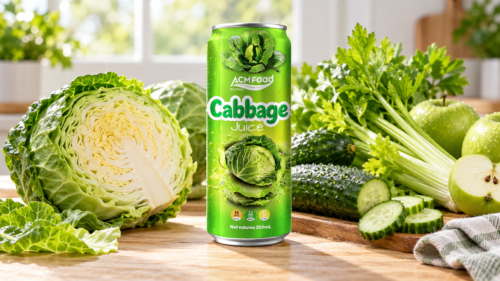




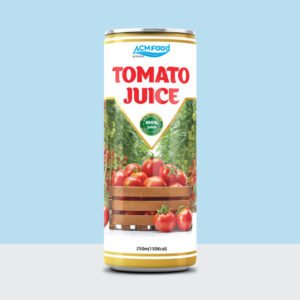




Sleek can and slim can are the two most commonly confused beverage can formats, because both narrow the body relative to a standard can and both carry a premium connotation. The difference between them is a matter of degree rather than kind: sleek is the more extreme narrowing of the two, and that difference in degree is what drives most of the practical decision between them.
This comparison sets the two formats side by side on shape, cost, positioning and minimum order, so a brand choosing between them can see exactly where the trade-off sits rather than treating the choice as a matter of taste.

What actually separates a sleek can from a slim can?
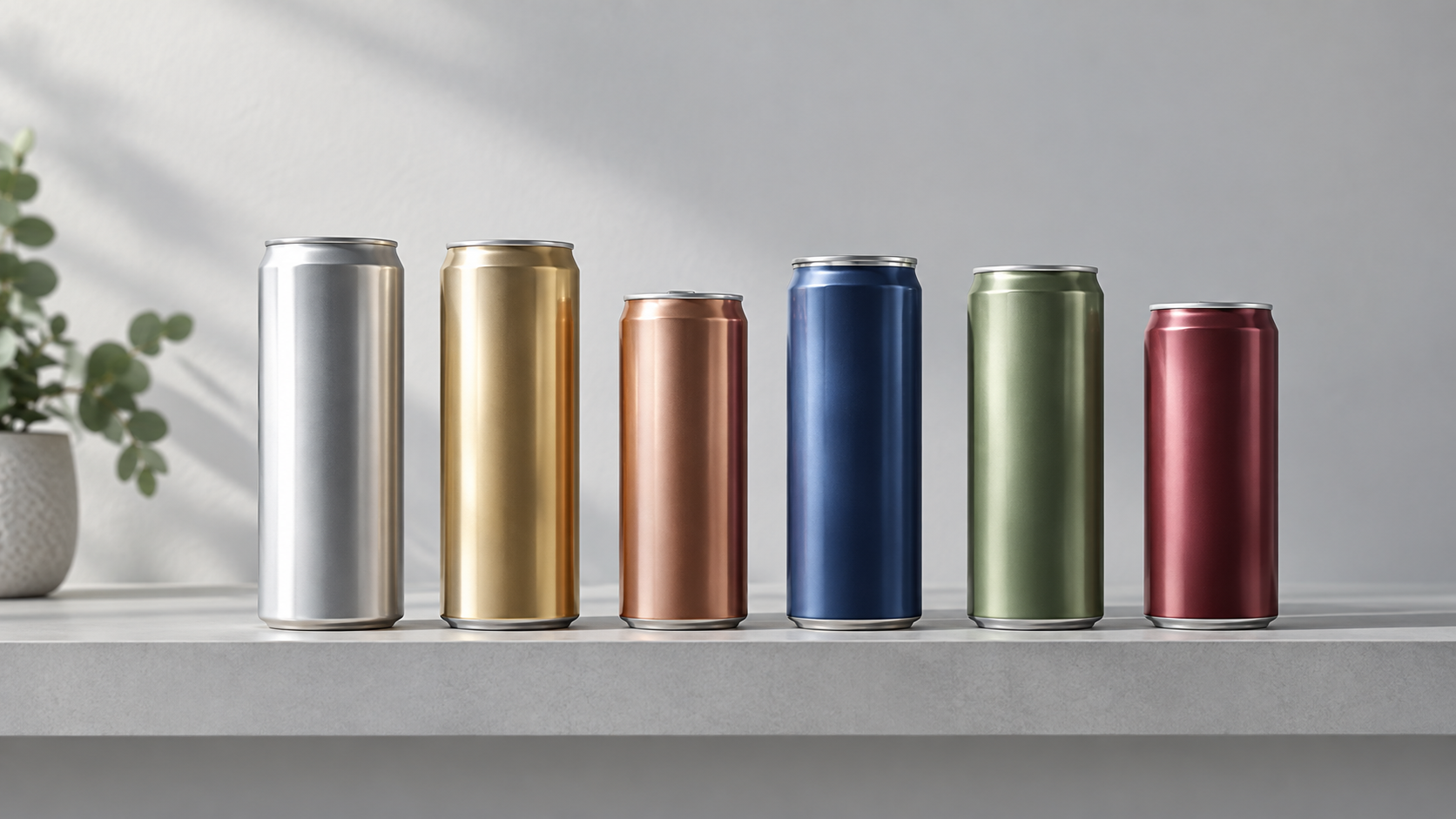
Both formats reduce the diameter of a standard can and extend the height to hold the same volume, but sleek goes further than slim in both directions. A sleek can is narrower in diameter and taller in body than a slim can at the same fill volume, which gives it a more pronounced, more visually distinctive silhouette.
| Aspect | Slim can | Sleek can |
|---|---|---|
| Diameter relative to standard | Moderately narrower | Noticeably narrower |
| Height relative to standard | Moderately taller | Noticeably taller |
| Visual positioning | A step up from mainstream | Premium, often functional |
| Typical decoration cost | Moderate | Higher, reflecting lower production scale |
| Typical minimum order | Usually accessible | Often tighter than slim or standard |
In practice, the two formats sit on a spectrum rather than in fixed, universally agreed categories, and exact proportions vary somewhat by can supplier. What holds consistently is the relative ordering: sleek is always the more extreme format of the two. A brand comparing quotes from more than one manufacturer should ask for the exact dimensions of each option rather than relying on the label “slim” or “sleek” alone, since the same term can describe slightly different proportions depending on the supplier’s own naming convention.
Why the extra narrowing matters commercially
A small difference in diameter has an outsized effect on how premium a can reads, because shoppers process shelf shape almost instantly, well before they read any text on the label. A sleek can’s more dramatic proportion signals a bigger step away from a mainstream product, which is exactly why it commands a stronger premium and functional association than slim.
That same narrowing is also why sleek typically costs more to produce and decorate. Narrower cans are made in lower volumes industry-wide than standard or slim cans, so both the empty can and the print run that decorates it draw on a smaller production base, and that cost difference is passed through the supply chain.
When slim is the better commercial choice
Slim earns its place when a brand wants visible differentiation from a mainstream product without absorbing the full cost premium of the most extreme format. It suits a step up in positioning — a lifestyle or mid-tier launch that needs to look different from the value shelf but does not need to compete at the top of a premium set.
Slim is also generally the more accessible of the two formats for a first order, since its production volumes and decoration tooling sit closer to standard cans than sleek’s do. A brand testing premium positioning for the first time, without full confidence in the format’s return, often has an easier path starting with slim and moving to sleek once a range has proven itself. That staged approach also limits the packaging investment at risk while the product is still being validated in the market, which matters more for an unproven concept than for an established range extending into a new flavour.

When sleek is worth the extra cost
Sleek is worth its higher cost when the format itself is doing meaningful positioning work: a functional or better-for-you product where a lighter, more refined visual cue reinforces the claim, or a premium price point where the can’s silhouette needs to justify the shelf price before the label is even read. In these cases the format is not a cosmetic choice; it is part of how the product earns its price.
Sleek is a weaker choice when the underlying product does not carry a genuine premium story. Applying the most expensive format to a mainstream recipe adds cost without adding a commercial reason for the shopper to pay more, which is a mismatch worth avoiding at the brief stage rather than discovering after the first production run. A useful test before committing is to ask whether the format is compensating for a weaker claim elsewhere in the product, since a strong sleek can wrapped around an otherwise ordinary drink rarely earns back the extra cost in repeat purchase.
Minimum order and lead time differences
Both formats typically carry a higher minimum order than standard cans, but sleek is usually the more constrained of the two. The reason is consistent with the cost difference: lower industry-wide production volume for the can itself, plus a decoration tooling and print-run economics that reward larger batches. A brand set on sleek should confirm the minimum order and lead time for that specific format early, since it can differ meaningfully from a slim-can quote even at a similar total volume.
Where a brand is not yet certain which of the two suits the launch, requesting quotes for both at the same intended volume is a fast way to see the actual cost and minimum order gap for a specific product, rather than relying on general expectations about premium packaging. Three questions get a comparable answer from a supplier:
- What is the minimum order for slim and for sleek at the same fill volume? Asking both in the same request produces figures that are actually comparable, rather than two quotes gathered at different times under different assumptions.
- Does the quoted minimum include the printed components, or just the empty can? A minimum quoted on the bare can can be misleading if the label or sleeve print run carries its own, higher minimum.
- What lead time applies to each format specifically? A less common format can sit in a factory’s scheduled batch cycle rather than continuous production, which affects timing independently of cost.
Getting these three answers side by side, for the same product and the same intended volume, is more useful than a general sense that sleek costs more — it turns an assumption into a number that can actually be planned against.
Deciding between the two for a specific launch
Four questions narrow the decision faster than comparing the formats in the abstract.
- How premium does the positioning genuinely need to be? A product with a real functional or premium claim justifies sleek; a product without one is better served by slim or standard.
- What is the acceptable minimum order for a first run? A brand constrained on first-order volume should lean toward slim, which is typically the more accessible of the two.
- Is the format carrying the whole positioning, or supporting a stronger claim elsewhere? If the flavour, formulation or brand story already does the premium work, slim may be sufficient support rather than sleek being necessary.
- Will the format run across a full range? The cost gap between slim and sleek multiplies across every flavour in a multi-SKU launch, which is worth modelling before the format is locked for the whole range.
What a can supplier is actually pricing
The cost gap between slim and sleek is easier to reason about once it is broken into its components rather than treated as a single premium. The empty can itself costs more per unit at lower production volume, independent of any decoration. The decoration print run, whether a shrink sleeve or a directly printed can, carries its own separate cost curve that also improves with volume. And tooling — the plates or sleeve dies specific to the chosen shape and design — is a one-off cost that gets spread thinner as order volume rises.
Understanding which of these three is driving a specific quote matters, because they respond differently to volume. A brand that expects to grow quickly can sometimes accept a higher tooling cost on a first order because it amortises fast, while a brand uncertain about repeat volume is better served minimising the tooling commitment even if the per-unit can cost is slightly higher as a result.
Frequently asked questions
Can the same recipe be filled into either format?
Yes. The liquid formulation is independent of can shape, so switching between slim and sleek is a packaging and artwork decision rather than a product reformulation. What changes is the printable area and proportions, which requires the label artwork to be redrawn rather than simply resized.
Is there a volume where sleek and slim converge in cost?
The cost gap narrows at higher order volumes, since fixed tooling and setup costs are spread across more units, but it rarely disappears entirely at typical private label order sizes. Confirming current costs at the specific volume intended is more reliable than assuming a general convergence point.
Which format do functional beverage brands usually choose?
Sleek is the more common default for functional positioning, because the narrower profile reinforces a lighter, more considered product image that aligns with how functional and better-for-you products are typically marketed. This is a strong pattern rather than a fixed rule, and slim remains a valid choice where the functional claim is more moderate.
Does either format affect shelf life?
No. Shelf life depends on the aluminium’s barrier properties and the seal integrity, which are consistent across can shapes at the same wall thickness. Neither slim nor sleek offers an inherent shelf life advantage over the other.
Can a brand order a small batch of each to compare before committing?
Some suppliers can accommodate a smaller comparison run of each format, though it is worth asking early since the packaging minimums that apply to a full launch order do not always apply to a comparison quantity. Where it is available, physically comparing finished samples of both formats on an actual retail fixture is a more reliable basis for the decision than judging renders or photographs alone.
Making the call
The choice between slim and sleek comes down to how much premium or functional positioning work the can shape genuinely needs to do, weighed against the minimum order and cost premium each format carries. Slim delivers meaningful differentiation at a more accessible cost and volume; sleek delivers the strongest shelf signal at the highest cost and typically the tightest first-order minimum.
ACM Beverage produces in both formats and can quote each against the same target volume so the actual cost and minimum order gap is visible before a format is locked in for a launch. A brief that names the target shelf tier, the expected order volume and whether the format will apply to a single product or a full range is enough to return comparable figures for both formats rather than a single recommendation made without that context.