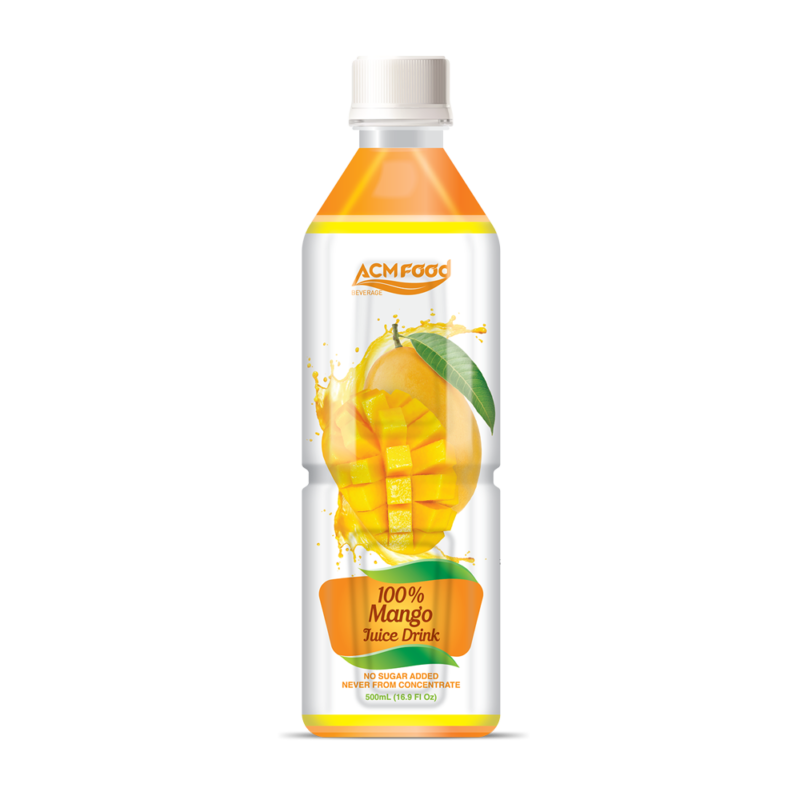




Mango sells itself in almost every tropical and Middle Eastern market, which is precisely why the category is so crowded with thin, over-sweetened drinks rebuilt from concentrate. The difference shows up in the mouth: genuine pressed mango has weight and a soft pulp body, while reconstituted mango tends to be sweet and flat. This bottle is built for buyers whose customers can tell the two apart.
Ripe Mango Character Without Reconstitution
The fruit is processed close to harvest in Vietnam and filled as not-from-concentrate juice, keeping the natural viscosity that makes mango satisfying rather than merely sweet. No sugar is added and no artificial colour is used – the deep golden tone comes from the fruit. The result is a drink that reads as a fruit product rather than a soft drink, which increasingly determines where a SKU is placed on the shelf.
A Bottle Sized for Daily Consumption
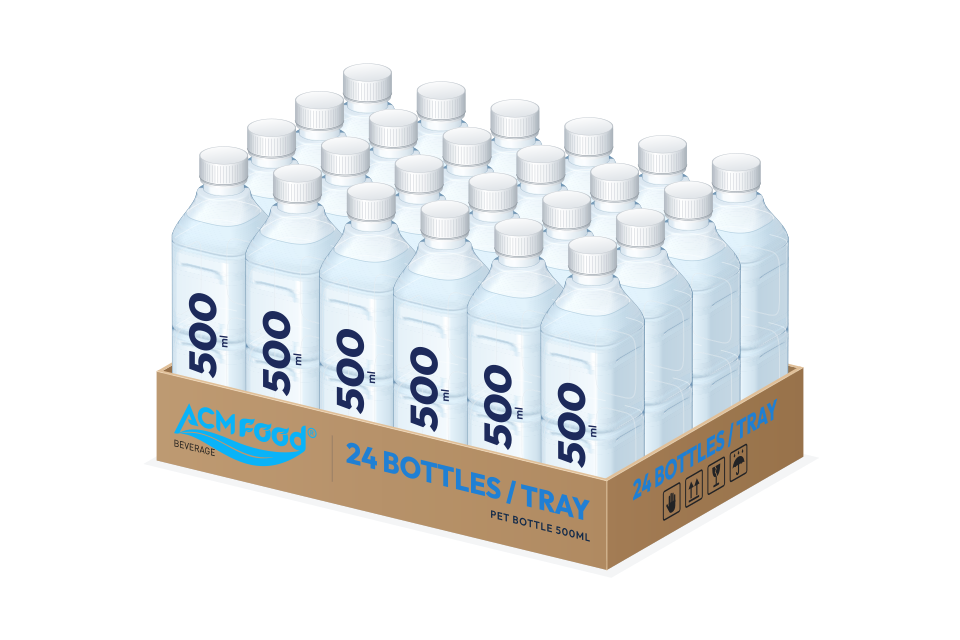
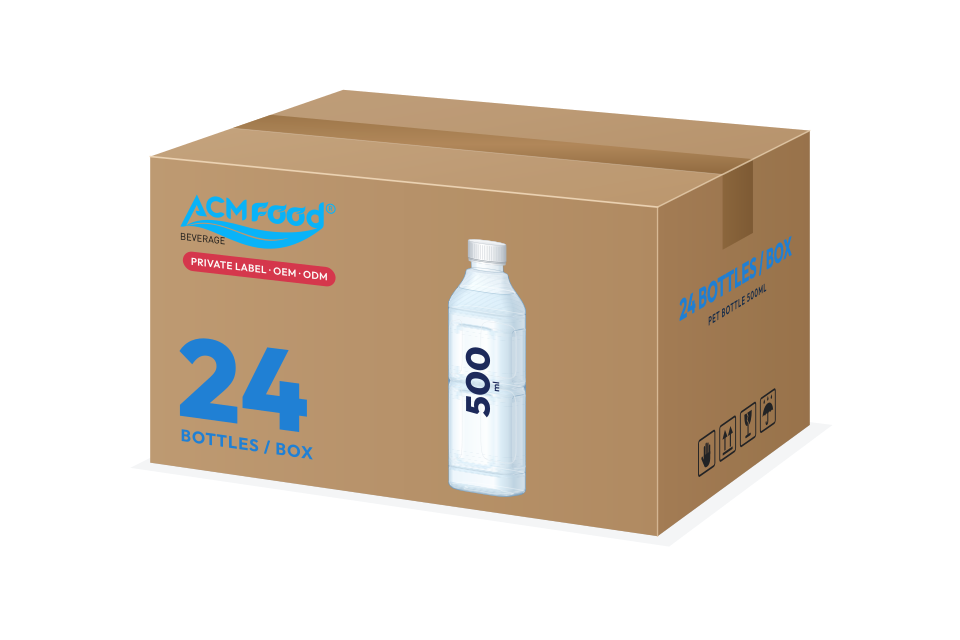
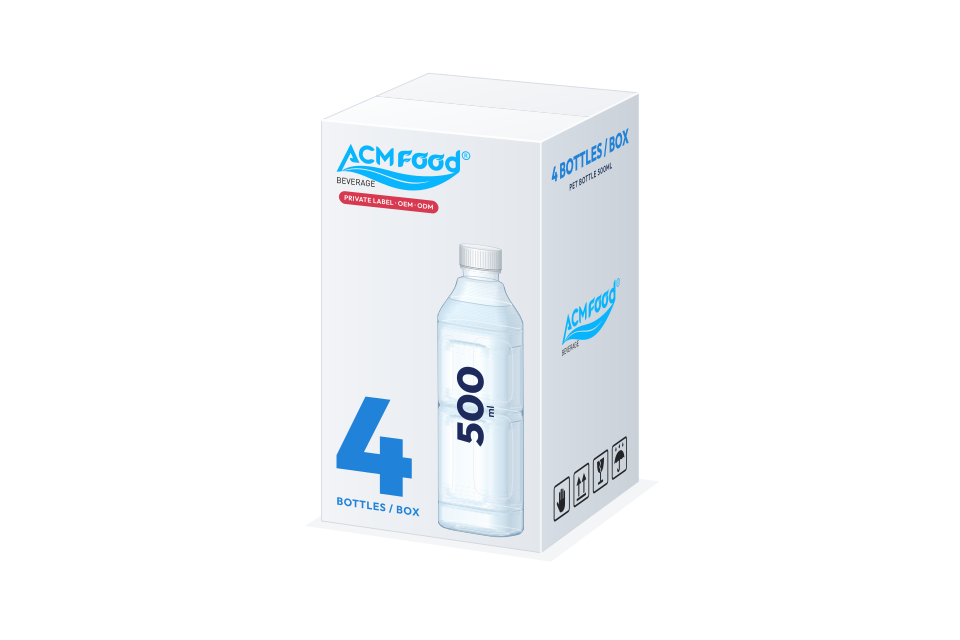
The 500ml PET format targets repeat, everyday purchase: office fridges, lunch boxes, transport hubs and convenience chillers. It is resealable, unbreakable in transit and significantly lighter than glass, which matters when a container is being filled to weight rather than to volume. Twenty-four months of ambient shelf life removes any refrigerated logistics requirement, so the same stock can serve modern trade and traditional retail without separate handling.
Production and Export Conditions
The facility holds FSSC 22000, HACCP and ISO 22000 certification and runs at up to 20,000 cartons per day, with orders accepted from 500 cartons. Private label programmes are supported end to end, including artwork adapted to the destination market’s regulatory format. Payment is by T/T, loading at Ho Chi Minh City Port, and lead time runs 15 to 30 days. The wider fresh fruit juice range offers matching flavours for distributors assembling a multi-SKU launch.