
Kiwi is tart, low in aroma and prone to browning — three properties that decide what it pairs with. At pH 3.2–3.6 it needs either a sweeter fruit to round it out or a herb to give it length. This is a practical guide to serves and mixers; for nutrition figures see kiwi sparkling drinks explained.
Key facts at a glance
- Kiwi is acidic — pH around 3.2–3.6, similar to orange juice.
- Low aroma intensity. It tastes sharp but smells faint, so it needs an aromatic partner.
- Browns quickly once cut, from polyphenol oxidase activity.
- Actinidin curdles dairy — the one hard rule in kiwi pairing.
- Best partners: strawberry, mango, lime, mint, cucumber, elderflower.
- Serve cold. Warm kiwi reads sour rather than refreshing.
Eight kiwi serves that work
- Kiwi and lime over ice. Lime reinforces the acidity rather than fighting it, and adds the aroma kiwi lacks. The simplest reliable serve.
- Kiwi and mint. Mint gives length to a flavour that otherwise disappears quickly. Bruise the leaves rather than chopping them.
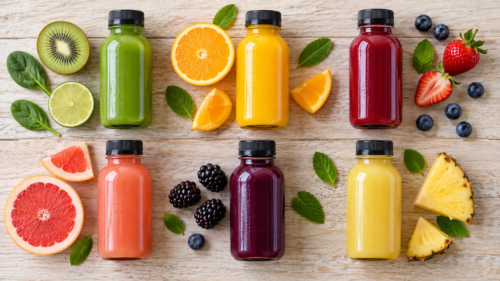
- Kiwi and strawberry. Strawberry supplies sweetness and the red-green contrast reads well in a clear glass.
- Kiwi and mango. Mango’s low acidity and heavy body balance kiwi’s sharpness — the most forgiving pairing of the eight.
- Kiwi and cucumber. Both are green and vegetal; cucumber softens kiwi without adding sugar.
- Kiwi and elderflower. Elderflower is floral where kiwi is flat, and the combination works in sparkling serves.
- Kiwi sparkling water with a basil leaf. Basil is unexpected and works for the same reason mint does.
- Kiwi and ginger. Ginger warmth against kiwi acidity, best in a still rather than sparkling serve.
Three pairings to avoid
- Kiwi with dairy or yogurt. This is the important one. Actinidin, kiwi’s protease enzyme, breaks down milk protein — a kiwi yogurt smoothie turns bitter and watery within minutes. It also prevents gelatine from setting.
- Kiwi with another low-aroma fruit. Kiwi and pear, or kiwi and melon, produce something thin and forgettable. At least one partner needs real aromatic presence.
- Kiwi with heavy spice. Cinnamon, clove and star anise overwhelm kiwi entirely. Ginger is the exception because it brings heat rather than depth.
Why kiwi drinks lose their colour
Kiwi juice is a dull olive green rather than the bright green people expect, and it browns as polyphenol oxidase acts on contact with air. Three practical consequences:
- Serve immediately after blending or cutting. Browning starts within minutes.
- Acid slows it. A squeeze of lime lowers pH and delays the colour change as well as improving the flavour.
- Commercial products usually add colour. The vivid green in a bottled kiwi drink is a formulation decision — declared on the label — because natural kiwi juice does not look the way the category expects.
Choosing a base
| Base | Works because | Watch for |
|---|---|---|
| Sparkling water | Carbonation lifts a flat flavour | Dilutes quickly — use more fruit |
| Still water | Clean, lets kiwi lead | Can taste thin without lime |
| Coconut water | Faint saline note adds body | Two subtle flavours can cancel out |
| Green tea | Tannin gives structure | Brew weak; tannin plus acid is harsh |
| Dairy or yogurt | — | Avoid — actinidin curdles it |
A kiwi cooler worth making
Serves 2. The lime goes in first, not last — it protects the colour.
Ingredients
- 2 ripe kiwifruit, peeled
- Juice of half a lime
- 6–8 mint leaves
- 300 ml sparkling water, chilled
- Ice
Method
- Blend the kiwifruit with the lime juice immediately after peeling.
- Strain if you want it clear; keep the pulp if you want body and fibre.
- Bruise the mint in the glass — do not shred it, which releases bitterness.
- Add ice, then the kiwi puree, then top with sparkling water.
- Serve at once. It browns within about 15 minutes.
No sugar is specified. Ripe kiwifruit needs none; underripe kiwifruit needs a riper kiwifruit rather than sweetener.
Frequently asked questions
Why does my kiwi smoothie taste bitter?
If it contains dairy, actinidin is the cause. Kiwi’s protease enzyme breaks down milk protein, producing a bitter, watery result within minutes. Use a plant base without protein, or add the kiwi immediately before drinking.
What goes best with kiwi in a drink?
Lime and mint are the two most reliable additions — lime reinforces the acidity and protects colour, mint supplies the aroma kiwi lacks. Among fruits, strawberry and mango pair best because they bring sweetness against kiwi’s tartness.
Why does kiwi juice turn brown?
Polyphenol oxidase acts on contact with air, the same reaction that browns apples. Acid slows it, so adding lime juice at the moment of blending both delays browning and improves the flavour.
Can I use kiwi in a jelly or panna cotta?
Not with gelatine. Actinidin breaks down the gelatine protein and the dessert will not set. Either use agar, which is unaffected, or cook the kiwi first to deactivate the enzyme.
Should kiwi drinks be sweetened?
Ripe kiwifruit usually needs none. If a drink tastes harsh, the problem is normally underripe fruit or too little of it rather than insufficient sugar. Adding a sweeter fruit works better than adding sugar.
Green or gold kiwifruit for drinks?
Gold kiwifruit is sweeter, less acidic and higher in vitamin C, which makes it easier to work with. Green kiwifruit has the sharper, more recognisable flavour and the colour the category expects. Choose by whether you want balance or character.
Kiwi drinks at commercial scale
ACM Beverage manufactures fruit and sparkling drinks in Vietnam under OEM and private label terms, in facilities certified to ISO 22000, FSSC 22000 and HACCP, exporting to more than 40 countries. Kiwi is a demanding flavour commercially: the juice browns, the natural colour does not match consumer expectation, and the aroma is faint enough that it often needs support from another fruit.
See the 300 ml kiwi sparkling drink or the sparkling drink range (73 SKUs). For kiwi nutrition and the juice-versus-flavouring distinction see kiwi sparkling drinks explained. To discuss a formulation, contact our export team.