


Peach tea is green or black tea flavoured with peach — and the pairing works for a specific reason: peach aroma comes largely from lactones, which survive hot infusion better than most fruit volatiles. Nutritionally peach is modest: 39 kcal and 6.6 mg of vitamin C per 100 g. The tea does the heavy lifting.
Key facts at a glance
- Peach per 100 g: 39 kcal, 6.6 mg vitamin C, 190 mg potassium, 1.5 g fibre.
- Green tea caffeine: 20–45 mg per 240 ml cup; black tea 40–70 mg.
- Brew green tea at 70–80 °C, black tea at 95 °C. Boiling water ruins green tea.
- Peach is not a vitamin C source — an orange has eight times as much.
- Adding lemon improves catechin absorption; this is genuinely supported.
- Most commercial peach tea is sweetened — check sugar per 100 ml.
Why peach and tea pair well
The pairing is not arbitrary. Three things make it work:
- Lactones survive heat. Peach aroma is dominated by lactones, particularly gamma-decalactone. These are comparatively heat-stable, so peach character carries through hot infusion and pasteurisation where more delicate fruit aromas collapse.
- Low acidity. Peach is far less acidic than citrus or passion fruit, so it sweetens tea without making it sour or clouding it.
- Tannin balance. Tea’s astringency needs either sweetness or fat to soften it. Peach supplies sweetness with a soft, rounded profile rather than a sharp one.
The same properties explain why peach tea dominates the RTD tea category commercially: it is one of the few fruit flavours that still tastes like itself after the heat treatment a shelf-stable drink requires.
What peach contributes nutritionally
| Per 100 g raw peach | Amount | Context |
|---|---|---|
| Energy | 39 kcal | Low |
| Vitamin C | 6.6 mg | Modest — orange has ~53 mg |
| Potassium | 190 mg | Reasonable |
| Fibre | 1.5 g | In the whole fruit, not the tea |
| Vitamin A (RAE) | 16 µg | Small |
Be realistic about this. A peach tea made with syrup or flavouring contains almost none of the above. Even one made with real peach puree contains a small fraction, since the fruit is a minor part of the volume. Peach is in the drink for flavour, and the functional content comes from the tea.
What peach tea will not do
- “Peach adds a powerful antioxidant boost.” Peach is a modest antioxidant source, and at flavouring levels contributes nothing measurable. The catechins in the tea are the meaningful component.
- “Green tea boosts metabolism and burns fat.” Catechins raise energy expenditure slightly in controlled studies, but meta-analyses find no clinically meaningful weight effect.
- “It is a good source of vitamin C.” At 6.6 mg per 100 g of fruit, diluted into tea, it is not.
- “Peach tea is low in sugar.” Unsweetened home-brewed peach tea is. Commercial RTD peach tea is usually among the sweeter products in the tea category — check per 100 ml.
How to make peach tea
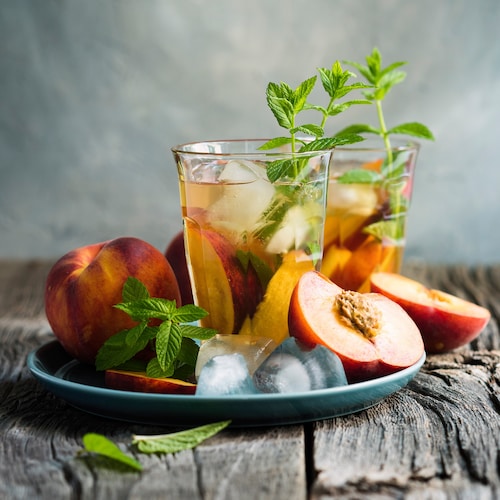
Makes about 1 litre of iced tea. The temperature step matters more than the peach.
Ingredients
- 4 green tea bags, or 8 g loose leaf
- 1 litre water at 70–80 °C (95 °C if using black tea)
- 2 ripe peaches, sliced
- 20–30 g sugar or honey, optional
- Ice, and lemon to serve
Method
- Boil the water, then rest it 2–3 minutes to reach 70–80 °C for green tea.
- Steep the tea 2–3 minutes. Longer extracts tannin and turns it bitter — this is the most common mistake.
- Remove the leaves. Do not leave them in while it cools.
- Add the peach slices to the warm tea and let it infuse 20–30 minutes.
- Sweeten while still warm if using sugar; it will not dissolve cold.
- Chill, then serve over ice with lemon.
Using peach syrup instead gives a more consistent result and is what most cafés do. Fresh peaches give a rounder, less candied flavour but vary with ripeness.
Other things that work in tea
- Lemon — improves catechin absorption and brightens the flavour. The best-supported addition.
- Mint — works with both green and black tea, and suits iced serves.
- Ginger — adds warmth and cuts sweetness.
- Hibiscus — adds tartness and colour, and is caffeine-free if used alone.
- Honey — dissolve while warm. Around 64 kcal per tablespoon.
Vietnamese green tea as a base
Vietnam’s main green tea region is Thái Nguyên in the north, where climate and soil suit tea cultivation. Vietnamese green tea (trà xanh) is traditionally drunk plain and hot, without sweetener — fruit-flavoured versions are a more recent, younger-market development.
The leaf is often rolled into tight pellets, which protects it during storage and lets it open gradually during steeping. For a peach tea base it gives a cleaner, less grassy cup than a coarser leaf.
Frequently asked questions
Does peach tea contain caffeine?
If it is made with real tea, yes — 20 to 45 mg per cup for green tea, 40 to 70 mg for black. Peach herbal infusions with no tea leaf are caffeine-free. Check whether the product lists tea or only fruit and herbs.
Is peach tea healthy?
Unsweetened peach tea is a reasonable low-calorie drink, and the tea contributes catechins. Commercial RTD peach tea is often high in sugar, which changes the assessment entirely. The sugar figure per 100 ml tells you more than the word “tea” on the front.
What temperature should I brew peach tea at?
70 to 80 °C for green tea, 95 °C for black, steeping two to three minutes in both cases. Boiling water over green tea over-extracts tannins and produces bitterness that no amount of peach will mask.
Fresh peaches or peach syrup?
Fresh gives a rounder, more natural flavour but varies with ripeness and season. Syrup or extract gives consistency and control, which is why cafés and manufacturers use it. Neither is wrong — they suit different purposes.
Can I make peach tea without sugar?
Yes. Ripe peaches infused into the warm tea contribute enough sweetness for most palates. If it tastes thin, the fix is usually more fruit or a longer infusion rather than sugar.
Why does my iced peach tea turn cloudy?
Tea cream — tannins and caffeine binding as the tea cools. It is harmless and affects appearance only. Brewing slightly weaker, or cooling the tea quickly rather than slowly, reduces it.
Peach tea at commercial scale
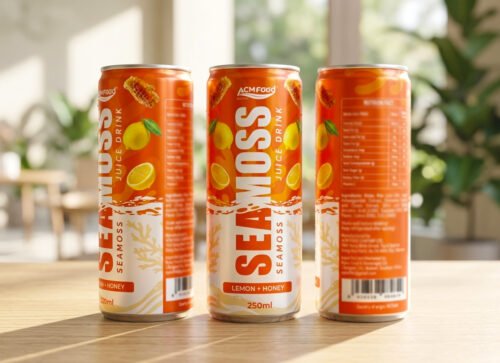
ACM Beverage manufactures canned and bottled tea drinks in Vietnam under OEM and private label terms, in facilities certified to ISO 22000, FSSC 22000 and HACCP, exporting to more than 40 countries. Peach is one of the more forgiving flavours to put through pasteurisation, which is part of why it dominates the RTD tea category — but sugar level increasingly has to be set against destination-market thresholds.
See the tea drink range (29 SKUs) and the peach juice range. For the brewing and caffeine detail see honey green tea, and for a caffeine-free alternative see pineapple hibiscus tea. To discuss a formulation, contact our export team.
This article is general nutrition information, not medical advice. Consult a qualified healthcare professional about your own diet.