
Energy drinks and coffee both deliver caffeine, but they differ in how much caffeine a typical serving contains, how much sugar comes with it, what else is in the drink and how quickly people tend to drink it. A cup of brewed coffee and a small can of energy drink can contain broadly similar caffeine, but the experience, the sugar load and the occasion are usually quite different.
This comparison looks at caffeine, sugar and calories per serving, the extra ingredients in energy drinks, how drinking speed and temperature change the experience, and which drink suits which situation. It is not about declaring a winner, but about understanding what each one actually puts in your glass or can.
Energy drink vs coffee: what is the main difference?
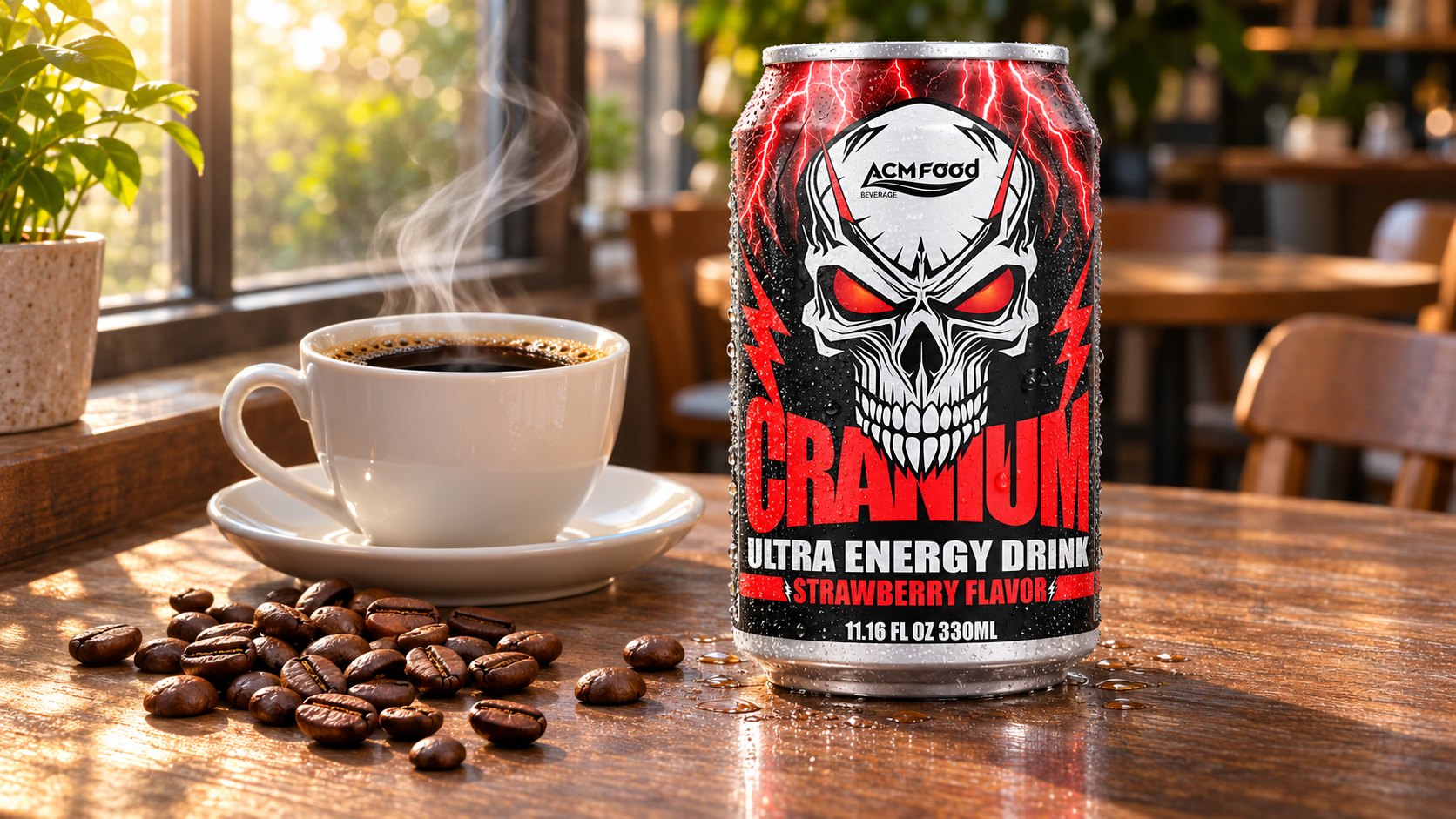
The main difference is that coffee is a brewed drink whose caffeine comes naturally from coffee beans, while an energy drink is a formulated beverage with a set amount of added caffeine, usually combined with sugar or sweeteners, taurine, B vitamins and flavourings. Coffee varies cup to cup; an energy drink is the same in every can.
Other differences follow from that:
- Sugar: black coffee contains almost no sugar; regular energy drinks are usually sweetened.
- Ingredients: coffee is mainly water and coffee; energy drinks contain several added ingredients.
- Temperature: coffee is often hot and sipped slowly; energy drinks are cold and often drunk quickly.
- Consistency: energy drink caffeine is fixed and usually labelled; coffee caffeine depends on beans, brew method and cup size.
- Carbonation: many energy drinks are fizzy; coffee is not.
Which has more caffeine, coffee or an energy drink?
It depends on the serving. A typical cup of brewed coffee and a standard small energy drink can be in a similar caffeine range, while large coffees, espresso-based drinks with several shots and large energy drink cans can each contain considerably more. Comparing per serving, and reading labels where available, is more useful than comparing categories.
Coffee caffeine varies with:
- Bean type: robusta beans generally contain more caffeine than arabica.
- Brew method: drip, espresso, cold brew and instant coffee all extract differently.
- Strength and cup size: a large takeaway cup can hold several times a small home cup.
Energy drink caffeine varies mainly with recipe and can size. The same recipe in a 250ml, 330ml or 500ml can delivers different totals, so a larger can is not just “more drink” but more caffeine. Many energy drink labels show caffeine per 100ml and per can, which makes comparison easier than with coffee from a café.
For reference, EFSA’s 2015 scientific opinion concluded that, for healthy adults, habitual caffeine intakes up to 400 mg per day from all sources, and single doses up to 200 mg, do not raise safety concerns. That total includes coffee, tea, energy drinks and other sources combined.
How do sugar and calories compare?
Black coffee contains almost no sugar or calories, while regular energy drinks usually contain significant sugar and therefore calories. Sugar-free energy drinks close that gap by using sweeteners, and sweetened coffee drinks can be as sugary as an energy drink, so the comparison depends on what is actually being consumed.
| Drink | Typical sugar | Typical calories | Notes |
|---|---|---|---|
| Black coffee | Negligible | Very low | Unless sugar is added |
| Coffee with milk and sugar | Depends on additions | Moderate | Milk and sugar add calories |
| Sweetened café coffee drinks | Often high | Often high | Syrups, cream and toppings add up |
| Regular energy drink | Usually high per can | Mainly from sugar | Check nutrition label |
| Sugar-free energy drink | Little or none | Very low | Uses sweeteners |
For people watching sugar, the choice is less about coffee versus energy drink and more about what is added. A plain black coffee and a sugar-free energy drink are both low in sugar; a sweetened mocha and a regular energy drink can both be high.
What else is in an energy drink that coffee does not have?
Energy drinks typically contain taurine, B vitamins, acids, flavourings, colours and carbonation alongside caffeine and sugar. Coffee, by contrast, contains naturally occurring compounds from the bean, such as chlorogenic acids, and nothing else unless milk, sugar or flavours are added.
These extra ingredients shape taste and positioning more than they change the caffeine effect. Taurine is a traditional energy drink ingredient, B vitamins support the “energy” positioning and fruit flavours make the drink easier to enjoy cold. Some energy drinks also use plant sources of caffeine. Our guide to caffeine sources and label guidance in orange energy drinks shows how these ingredients appear on a typical label.
How does drinking speed change the experience?
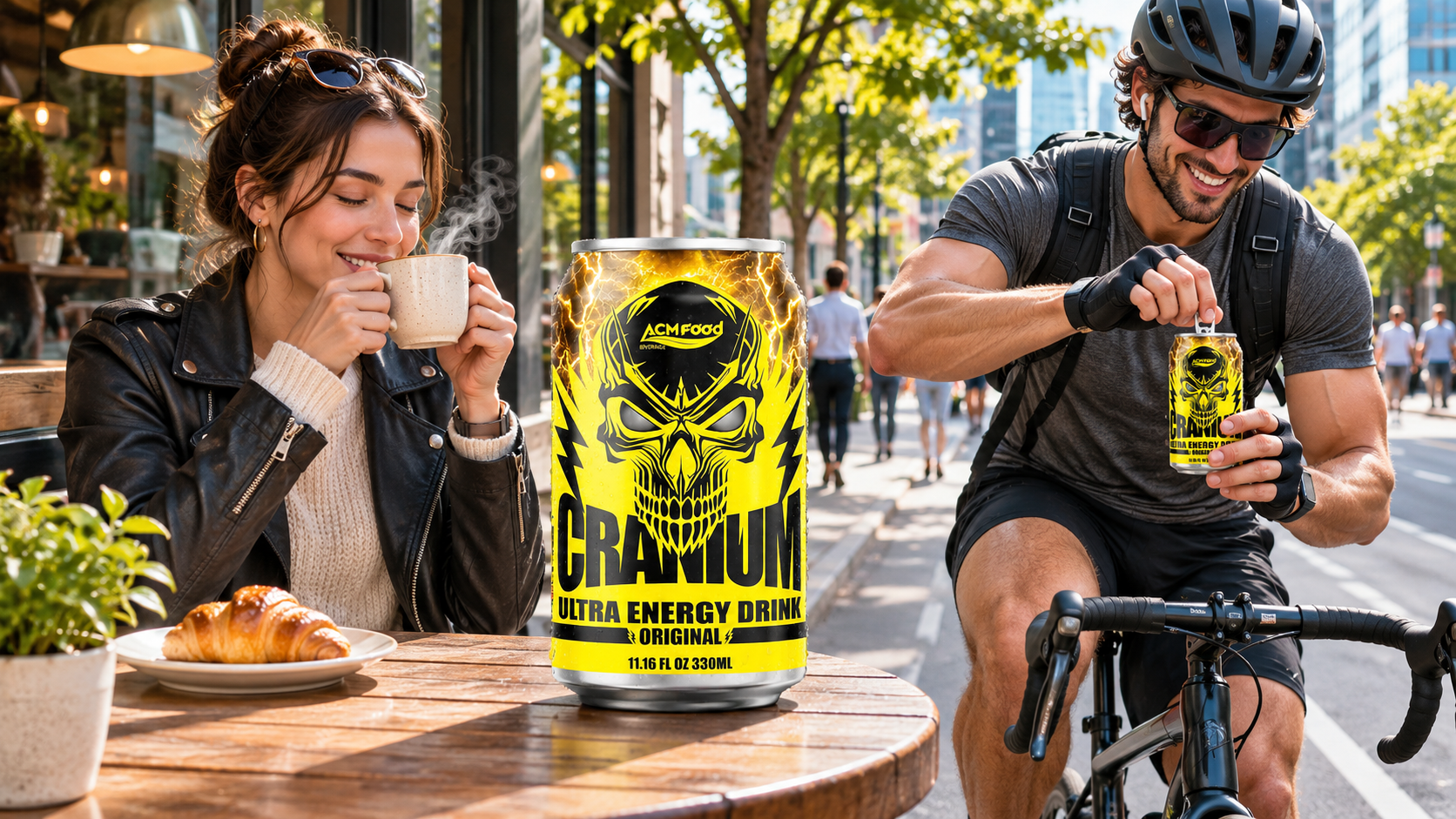
Drinking speed changes how caffeine is experienced. Hot coffee is usually sipped over many minutes, while cold, sweet, fizzy energy drinks are often finished quickly, so the same amount of caffeine may be taken in a shorter time. This can make an energy drink feel stronger even when caffeine content is similar.
Several factors play a part:
- Temperature: hot drinks are sipped slowly; cold drinks are easy to drink fast.
- Sweetness and fizz: they make energy drinks refreshing and easy to gulp.
- Serving size: a can is a single portion meant to be finished; coffee can be left half-drunk.
- Context: energy drinks are often consumed during sport, driving or study, when people drink quickly.
EFSA’s reference of up to 200 mg as a single dose for healthy adults is a useful reminder that how much caffeine you take at one time matters, not only the daily total. Spreading caffeine over the day is generally more comfortable for most people than taking a large amount at once.
Which is better for different occasions?
Coffee often suits slow, social or morning moments, while energy drinks suit situations where a cold, portable, consistent drink is wanted, such as long drives, events or sports breaks. Personal preference, sugar intake and caffeine sensitivity matter more than any general rule.
- Morning routine: many people prefer coffee for its warmth, ritual and low sugar when taken black.
- Afternoon at work: either works; iced coffee or a sugar-free energy drink avoids heavy sugar.
- Long drives or night shifts: energy drinks are portable and consistent, but caffeine timing should be considered for later sleep.
- Before exercise: some people prefer a cold drink; others find carbonation uncomfortable.
- Hot weather: chilled energy drinks or iced coffee are both refreshing options.
Whatever the choice, it helps to count total caffeine across the day, including coffee, tea and energy drinks together.
Where does canned coffee fit in?
Ready-to-drink canned coffee sits between brewed coffee and energy drinks. Like coffee, its caffeine comes from coffee extract and it has a coffee taste; like an energy drink, it is cold, portable, sealed in a can and made to a fixed recipe. Many canned coffees are sweetened and contain milk, so their sugar and calories can be closer to an energy drink than to black coffee.
For consumers choosing between the three, a few points help:
- Canned black coffee is usually the lowest in sugar among cold, ready-to-drink options.
- Canned milk coffee, latte or mocha offers coffee flavour with creaminess, often with added sugar.
- Energy drinks offer a sweet, fruity or tangy taste rather than coffee flavour, with taurine and vitamins added.
- Caffeine in canned coffee is not always shown on the label, while energy drinks more often state it.
Taste preference often decides the matter. People who dislike coffee’s bitterness may choose an energy drink for a cold caffeinated drink, while coffee lovers may prefer canned coffee for the same convenience with a familiar flavour.
How do taste and flavour compare?
Coffee tastes roasted, bitter and aromatic, with flavour that changes with beans, roast and brewing. Energy drinks taste sweet, tangy and often fruity, designed to mask the bitterness of caffeine and other ingredients. These flavour worlds appeal to different people and moments: coffee to those who enjoy bitterness and ritual, energy drinks to those who want something cold, sweet and refreshing.
Who should be careful with both?
Children, pregnant or breastfeeding women and people sensitive to caffeine should be careful with both coffee and energy drinks, and energy drink labels in many markets carry warnings for these groups. People with heart conditions or who take medication affected by caffeine should seek advice from a healthcare professional.
Combining several caffeine sources in a short time, for example two energy drinks and a large coffee, can push intake higher than intended. Mixing energy drinks with alcohol is also advised against by some health authorities. More on the wider advantages and drawbacks of energy drinks is in our article on the pros and cons of energy drinks.
What should you check on the label?
For energy drinks, check caffeine per can, sugar or sweeteners, can size and any warnings. For coffee, check caffeine information where provided, especially for ready-to-drink coffee, and be aware that café coffee rarely shows caffeine content.
- Caffeine per serving and per 100ml.
- Total sugars or sugar-free status.
- Serving size: 250ml, 330ml or 500ml cans differ greatly.
- Warnings about children, pregnancy or caffeine sensitivity.
- Additional caffeine sources such as guarana.
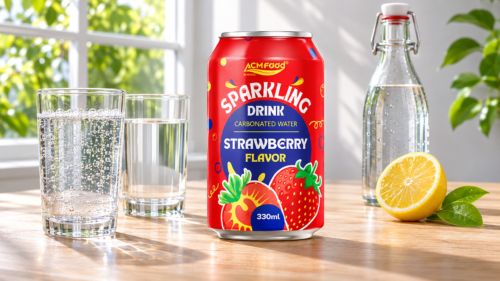
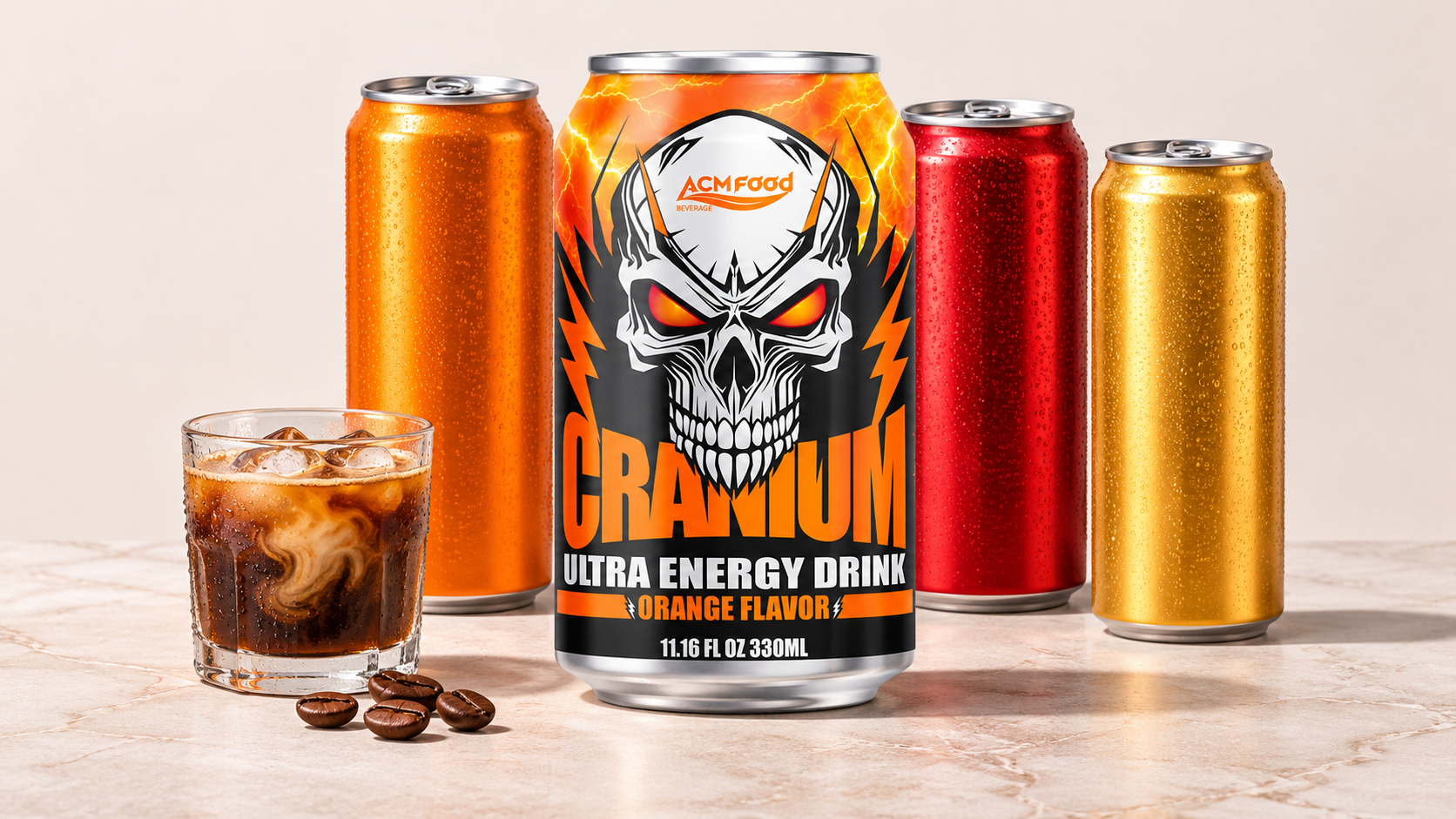
ACM Beverage offers a broad range of ACM FOOD energy drinks in 250ml, 320ml, 330ml and 500ml cans, including original, sparkling and fruit-flavoured options, shown in the energy drink range. Caffeine for a specific product should be read from its label or specification.
FAQ: energy drinks vs coffee
Is an energy drink stronger than coffee?
Not necessarily. A small energy drink and a regular cup of coffee can have similar caffeine. Large cans or strong coffees can each contain more. Energy drinks may feel stronger because they are often drunk quickly.
Is coffee healthier than energy drinks?
Black coffee contains almost no sugar, while many energy drinks are sweetened, so on sugar alone black coffee is the lighter choice. Sweetened coffee drinks can be as sugary as energy drinks.
Can I drink coffee and an energy drink on the same day?
Many adults do, but total caffeine from all sources should be considered. EFSA’s reference for healthy adults is up to 400 mg per day from all sources combined.
Why do energy drinks contain taurine but coffee does not?
Taurine is a traditional formulated ingredient in energy drinks. Coffee is a natural brewed drink and does not contain added taurine.
Energy drink vs coffee in summary
Coffee and energy drinks can deliver similar caffeine per serving, but coffee is naturally low in sugar when taken black, while many energy drinks are sweetened and contain added ingredients such as taurine and B vitamins. Energy drinks are cold, consistent and often drunk quickly; coffee is variable and usually sipped. Read labels, count total daily caffeine and choose the drink that fits the moment.
For details on energy drink formats and specifications, contact the ACM Beverage team through the beverage enquiry contact page.