


Beverage sweetness level is a genuine taste-experience decision in its own right, entirely separate from whether a product carries a low sugar or no sugar added claim at all. Two full-sugar products can sit at noticeably different sweetness intensities depending on how much sugar the recipe actually carries, and getting that intensity right for the target market and category matters just as much as any sugar-reduction positioning, since a mismatched sweetness level can undermine an otherwise well-formulated product regardless of its label claim.
This guide focuses squarely on sweetness level as a calibration decision: how regional palate differences, beverage category conventions and serving context all shape what “right” actually means for a specific product, entirely independent of any sugar claim strategy the brand chooses to pursue.
Sweetness level as a distinct decision from sugar claims
A low sugar or no sugar added claim describes how a product’s sugar content was arrived at; sweetness level describes how sweet the finished product actually tastes to the person drinking it. These are related but not identical, since a full-sugar product can be formulated at a relatively restrained sweetness intensity, and a claimed reduced-sugar product can still be formulated toward the sweeter end of what its claim allows. Treating sweetness level as its own deliberate target, rather than an automatic consequence of whichever sugar claim was chosen, gives a formulation team a clearer brief to work from.
This distinction matters most for a brand developing a full-sugar product with no reduction claim at all, since sweetness level is often the only lever discussed in that case, and it deserves the same deliberate attention a low sugar or no sugar added project would give it, rather than being set by default at whatever level a first trial happens to land on.
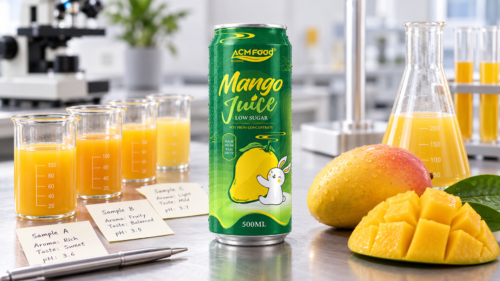
Sweetness perception is also not a single, linear scale in the way a sugar content figure on a nutrition panel might suggest. Two products with an identical measured sugar content can taste differently sweet to a panel of tasters depending on how that sweetness interacts with acidity, aroma intensity and any bitterness or astringency present in the recipe. This is why a sweetness target is best set through actual tasting against a defined reference point, rather than assumed purely from a sugar content calculation on paper, since the number alone does not fully predict how sweet the finished product will actually taste to a real shopper.
Regional palate differences in sweetness expectation
Sweetness expectations vary meaningfully by region and market, and a level calibrated for one target market can read as under-sweetened or overly sweet in another. Some markets have historically supported higher sweetness intensities across mainstream beverage categories, while others have shifted toward a more restrained baseline as health-conscious positioning has grown. Neither is objectively correct or incorrect; the right level is simply the one that closely matches what the target shopper in that specific market actually expects from the category in question.
| Consideration | What it means for the sweetness level decision |
|---|---|
| Target market palate | Sweetness expectations vary meaningfully by region and shift over time |
| Category convention | Each beverage category carries its own typical sweetness range |
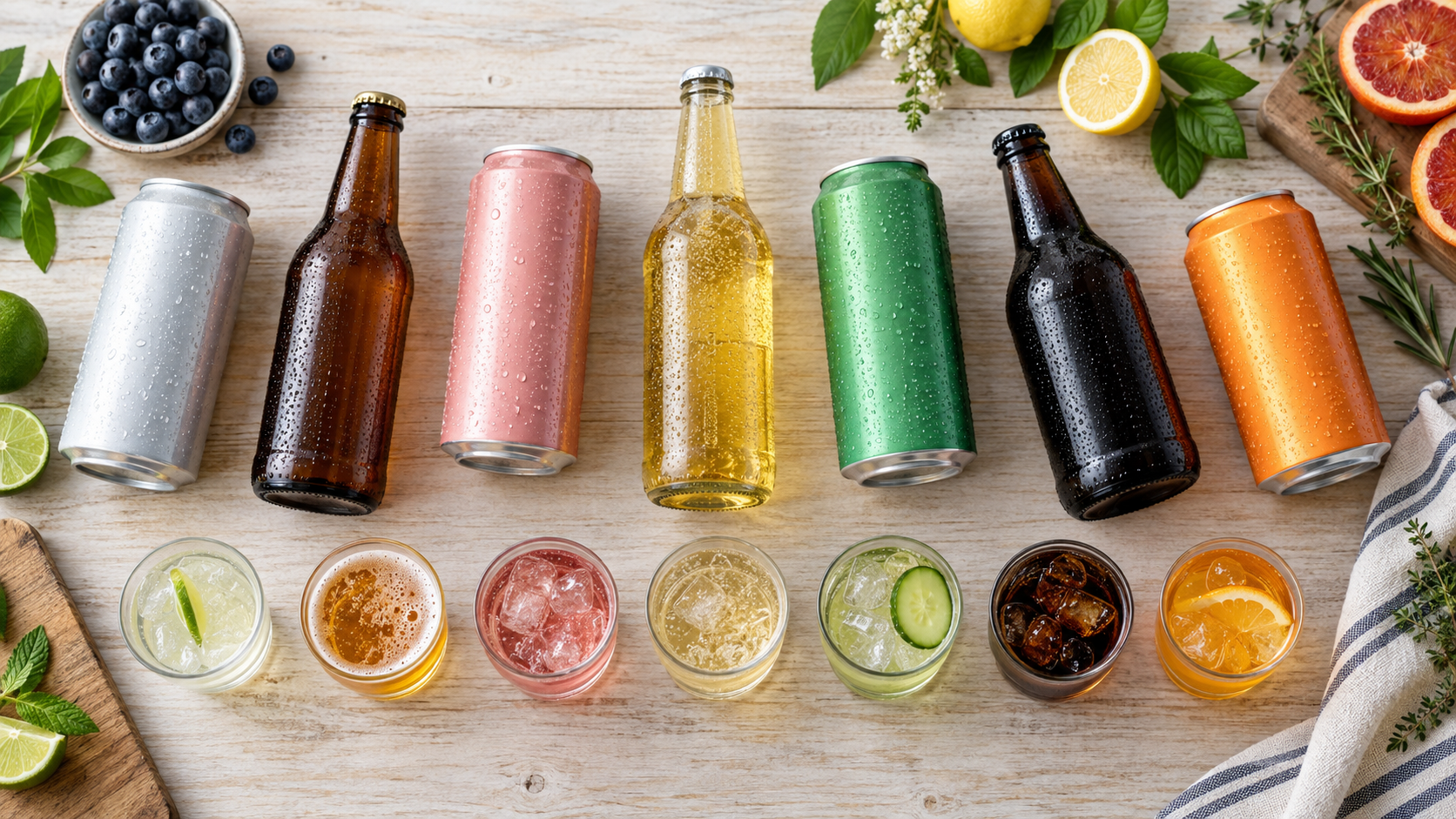
| Serving temperature | Cold serving suppresses sweetness perception versus room temperature |
| Format interaction | Carbonation can change how intense a given sweetness level reads |
| Independence from sugar claim | A full-sugar product still needs a deliberate sweetness target, not a default |
A brand entering a new export market benefits from tasting existing category leaders in that specific market before finalising a sweetness target, since a formulation calibrated purely against the brand’s home market palate risks landing outside what the new market’s shoppers actually expect from the category.
This kind of comparative tasting is worth doing formally rather than informally, using a small panel of tasters and a structured scoring approach rather than a single person’s impression. Sweetness perception varies between individuals as well as between markets, and a structured panel with several tasters scoring the same set of reference products and trial formulations gives a more reliable signal than one person’s subjective reaction, particularly when the decision involves committing to a specific formulation ahead of a full production run.

How category shapes an appropriate sweetness range
Different beverage categories carry different conventional sweetness ranges, and a level appropriate for one category can feel wrong in another even at an identical measured sweetness. A tropical fruit juice such as a guava juice with nata de coco inclusion is generally expected to sit toward the sweeter end of the juice category, reflecting both the fruit’s natural profile and shopper expectations for that kind of tropical, indulgent product. A functional or hydration-positioned drink, by contrast, is typically expected to carry a more restrained sweetness level regardless of its underlying sugar content, since the category positioning itself sets a different baseline expectation.
An orange and coconut cream blend illustrates how a rich, indulgent flavor pairing can still call for a moderated sweetness level, since the coconut cream itself contributes a sense of richness and body that reduces how much additional sweetness the product actually needs to feel satisfying.
Format and serving context effects on perceived sweetness
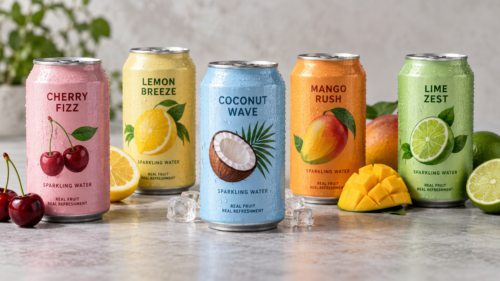
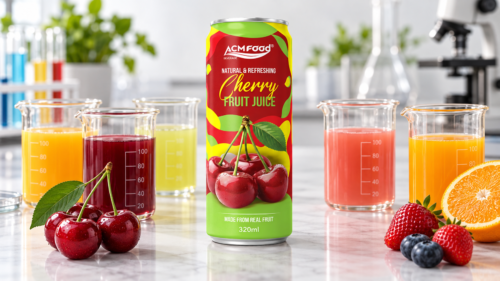
Carbonation changes how a given sweetness level is perceived, generally adding a sense of intensity and freshness that can make a moderate sweetness level read as fully satisfying in a sparkling format. A lime sparkling drink demonstrates this well, since the carbonation and citrus acidity together can carry a lower sweetness target than the same flavor might need in a still format. A cherry sparkling juice shows the same principle with a bolder, more naturally sweet base fruit, where the format still allows for a more moderated sweetness level than a still cherry juice would typically carry.
Serving temperature is a separate factor worth planning around directly, since cold serving generally suppresses sweetness perception relative to room temperature. A sweetness level approved during a room-temperature tasting session can read as noticeably less sweet once the product is actually served chilled, which is the condition most beverages are consumed in, so tasting trials conducted at realistic serving temperature give a more reliable read on the finished experience.
Building a sweetness level brief
Five inputs help a brand set a sweetness target deliberately rather than by default.
- Target market palate. Taste existing category leaders in the specific target market before finalising a sweetness level.
- Category convention. Calibrate against what shoppers already expect from the specific beverage category, not a general sweetness preference.
- Format and carbonation. Account for how a sparkling or textured format changes perceived sweetness relative to a still equivalent.
- Serving temperature. Conduct tasting trials at realistic serving temperature, since cold serving suppresses sweetness perception.
- Independence from sugar claim. Set sweetness level as its own deliberate target even for a full-sugar product without a reduction claim.
Common mistakes in setting sweetness level
A consistent set of avoidable errors accounts for much of the friction brands encounter when calibrating sweetness.
- Calibrating sweetness only against the brand’s home market palate. A level that tests well domestically can land outside expectations in a new export market with different sweetness conventions.
- Applying a single sweetness target across unrelated categories. A level appropriate for an indulgent tropical juice is often wrong for a functional or hydration-positioned product in the same range.
- Approving sweetness level from a room-temperature tasting alone. A level that tastes right unchilled can read as under-sweetened once served at realistic serving temperature.
- Treating sweetness level as fixed by the sugar claim. A full-sugar product still benefits from a deliberately chosen sweetness target rather than whatever level a first trial happens to produce.
Each of these is avoidable by treating sweetness level as its own calibration decision, tested under realistic market, category and serving conditions rather than assumed from a single trial. A brand that budgets a small amount of extra time for this kind of structured, temperature-realistic tasting early in development typically avoids a more costly reformulation after a first production run reveals the mismatch.
Frequently asked questions
Does sweetness level need to be reconsidered for every new export market?
It is worth reviewing for each new market, since palate expectations and category conventions can differ meaningfully even between markets that seem culturally similar. A quick tasting comparison against existing category leaders in the new market is a practical way to confirm whether an adjustment is needed.
Can sweetness level be adjusted within an existing formula?
Yes, often through beverage product customization, which can adjust sweetness intensity within a proven base recipe rather than requiring a full redevelopment. This is typically a faster route than building a new formulation from scratch for a market-specific sweetness adjustment.
Should a functional beverage always be less sweet than a fruit juice?
Not as an absolute rule, but it is a common category convention, since functional and hydration-positioned products are often expected to carry a more restrained sweetness profile that supports their positioning, while an indulgent tropical juice is generally expected to lean sweeter as part of its appeal.
How does carbonation actually change perceived sweetness?
Carbonation adds a sensory intensity, often described as a sharper or more refreshing quality, that can make a given sweetness level feel more satisfying than the same level would in a still format. This allows some sparkling products to carry a lower measured sweetness while still delivering a comparable taste experience.
How many tasters should be involved in setting a sweetness target?
A small structured panel, typically several tasters rather than one, gives a more reliable read than a single person’s subjective impression, since sweetness perception varies between individuals as well as between markets. Using the same reference products and scoring approach consistently across trial rounds makes the results comparable from one round to the next.
Does a higher sweetness level always mean a higher sugar content?
Not necessarily. Perceived sweetness depends on how sugar interacts with acidity, aroma and other elements in the recipe, so two products with different sugar contents can taste similarly sweet, and two with the same sugar content can taste differently sweet. This is precisely why sweetness level should be confirmed through tasting rather than assumed from a sugar figure alone.
Starting a sweetness level brief
Beverage sweetness level works best as a deliberate target set against the specific target market palate, category convention and serving context, rather than a default outcome of whichever sugar claim or first trial a project happens to land on.
ACM Beverage calibrates sweetness level through a custom beverage formula service that adjusts flavor, sweetness and ingredients against a specific market and category target. Reach out through the enquiry and contact page with the target market, category and serving context in mind to start that conversation, and bringing along a reference product the target sweetness should sit near helps the first trial land closer to the intended experience.