

Functional Beverage Innovation Reshapes Global Energy Drink Landscape

Functional Beverage Innovation Reshapes Global Energy Drink Landscape

The global energy drink market is undergoing a profound transformation as consumers increasingly demand functional beverages that deliver both energy and health benefits. This shift is driven by a growing awareness of ingredient transparency and the desire for natural, effective formulations. Products like the 330ml Can Refreshing Golden Eagle Energy Drink with Red Apple exemplify this trend, combining traditional energy-boosting components with the antioxidant power of red apple.

For industry stakeholders, understanding this evolution is critical to capturing market share in a competitive landscape. The rise of functional energy drinks represents not just a passing fad, but a fundamental change in consumer expectations that will shape the industry for years to come.

The Rise of Functional Energy Drinks

The global energy drink market is experiencing a paradigm shift towards functional beverages. Consumers now demand more than just caffeine; they seek products that offer tangible health benefits. This transformation is driving innovation across the sector, with manufacturers exploring novel ingredients and formulations.

One standout example is the 330ml Can Refreshing Golden Eagle Energy Drink with Red Apple. This product exemplifies how traditional energy drinks are evolving to meet modern consumer expectations. The incorporation of red apple flavor signals a move towards natural, fruit-based ingredients.

Industry data indicates that functional beverages now account for over 40% of new product launches in the energy drink category. This trend is fueled by growing awareness of health and wellness among consumers worldwide. Manufacturers are responding by developing products that combine energy with functional benefits like antioxidants and vitamins.

Red Apple as a Functional Ingredient

Antioxidant Properties and Consumer Appeal

Red apple is rich in antioxidants, particularly quercetin and vitamin C. These compounds help combat oxidative stress and support immune function. The inclusion of red apple in energy drinks positions the product as a healthier alternative to traditional options.

Market research shows that fruit-based energy drinks are gaining traction among health-conscious consumers. The golden eagle energy drink with red apple leverages this trend by offering a familiar, natural flavor profile. This strategy aligns with the clean label movement, which prioritizes recognizable ingredients.

Functional ingredients like red apple are not just a marketing gimmick; they provide measurable health benefits. Studies indicate that regular consumption of apple polyphenols can improve cardiovascular health. For energy drink manufacturers, this represents an opportunity to differentiate their products in a crowded market.

Case Study: Golden Eagle Energy Drink

The 330ml Can Refreshing Golden Eagle Energy Drink with Red Apple serves as a compelling case study in functional beverage innovation. This product combines the energy-boosting properties of traditional energy drinks with the antioxidant benefits of red apple. It targets consumers who want sustained energy without compromising on health.

From a formulation perspective, the drink uses natural red apple extract to deliver its distinctive flavor. This approach reduces the need for artificial additives, appealing to the growing segment of label-conscious buyers. The product also includes essential B vitamins and taurine, common in energy drinks, but presented in a more natural context.

Packaging plays a crucial role in the product’s market positioning. The 330ml can format offers convenience and portability, ideal for on-the-go consumption. The design emphasizes the red apple ingredient, reinforcing the functional narrative. This attention to detail is critical for building brand trust in the competitive energy drink market.

Market Dynamics and Consumer Behavior

The global functional energy drink market is projected to grow at a CAGR of 8.5% through 2030. This growth is driven by increasing demand for products that offer both energy and health benefits. North America and Europe remain key markets, but Asia-Pacific is emerging as a significant growth region.

Consumer behavior data reveals that 65% of energy drink buyers consider ingredient transparency important. This trend favors products like the refreshing golden eagle energy drink that highlight their functional ingredients. Social media and influencer marketing are amplifying the demand for such products, particularly among younger demographics.

Retail channels are also evolving to accommodate functional beverages. Specialty health food stores and online platforms are increasingly stocking these products. Traditional supermarkets are expanding their functional beverage sections to capture this growing market segment. For manufacturers, understanding these channel dynamics is essential for effective distribution.

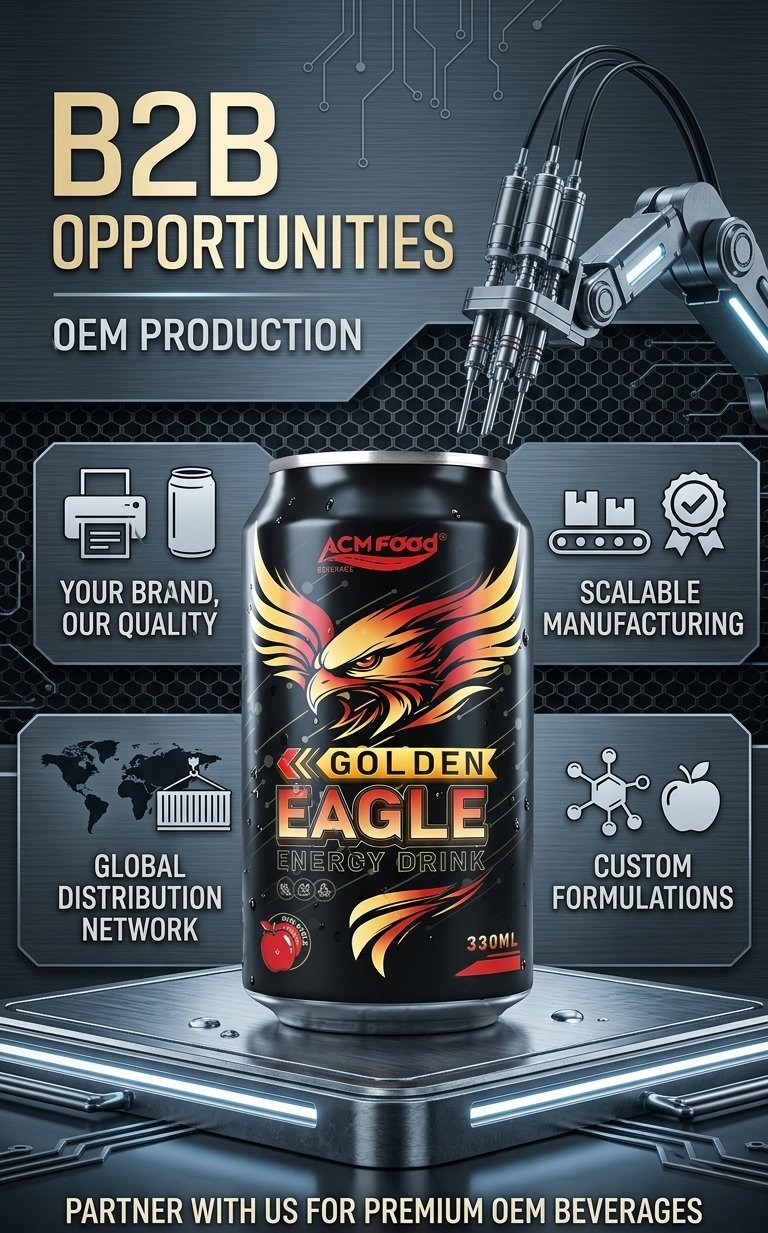
B2B Opportunities in OEM Production

The shift towards functional energy drinks presents significant opportunities for OEM manufacturers. Companies like ACM Beverage offer energy drink OEM services that allow brands to create customized formulations. This flexibility is crucial for meeting diverse consumer preferences across different markets.

B2B Opportunities in OEM Production

Private label production is another avenue for growth. Retailers and distributors can develop their own functional energy drink lines without heavy investment in R&D. The ability to incorporate ingredients like red apple into existing formulations makes OEM partnerships particularly attractive. Low minimum order quantities (MOQs) further lower the barrier to entry for emerging brands.

Export markets are ripe for expansion, especially in regions like the Middle East and Asia. The energy drink category at Bidu Beverage showcases the global reach of such products. OEM providers with international certification and supply chain expertise are well-positioned to capitalize on this demand.

For distributors looking to differentiate their portfolio, evaluating a manufacturing partner’s agility in low-MOQ production has become a strategic imperative. The ability to quickly adapt to market trends, such as the red apple flavor craze, can provide a competitive edge. Partnerships with experienced OEMs ensure product quality and regulatory compliance across borders.

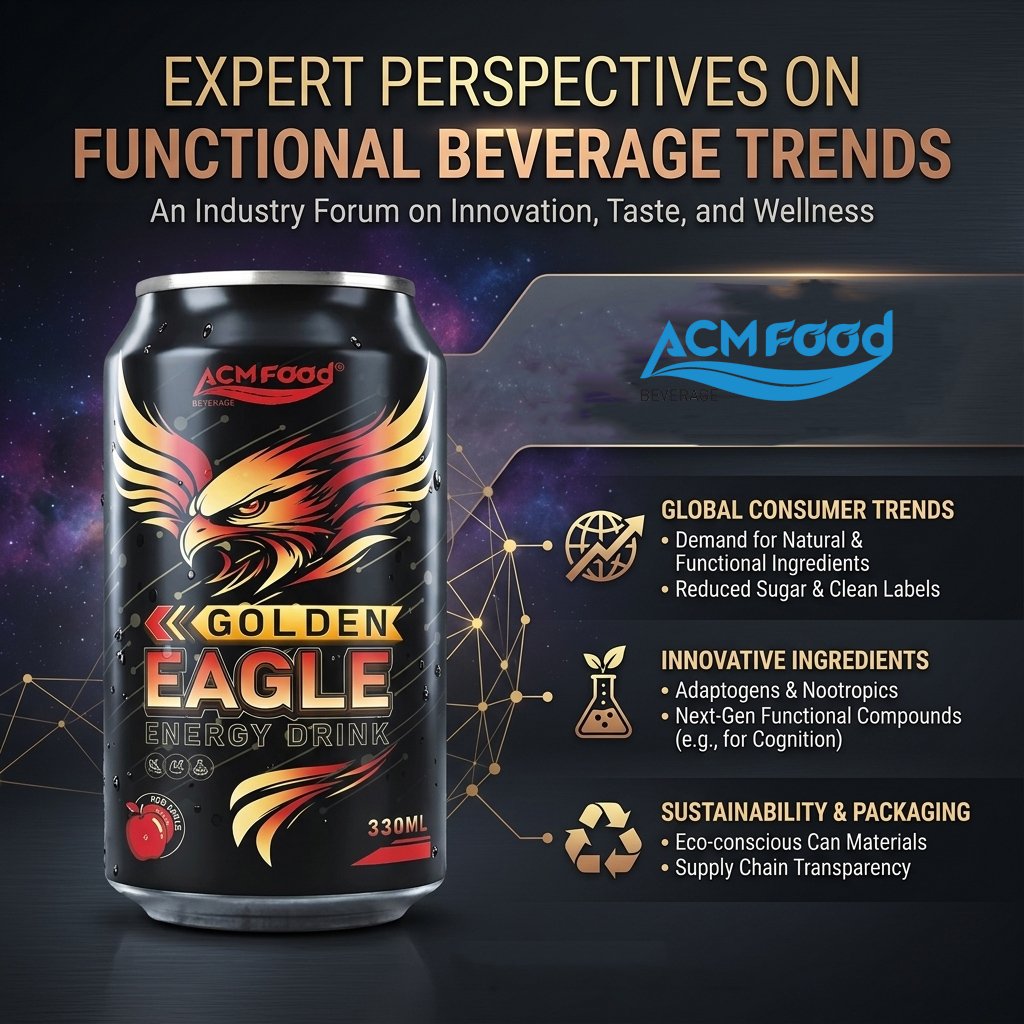
Expert Perspectives on Functional Beverage Trends

Industry analysts highlight the importance of ingredient innovation in driving the functional beverage market. Dr. Sarah Chen, a food scientist at the Institute of Beverage Technology, notes that ‘natural ingredients like red apple are becoming the cornerstone of new product development.’ She emphasizes that consumers are increasingly skeptical of synthetic additives.

Expert Perspectives on Functional Beverage Trends

Marketing experts agree that storytelling around functional ingredients enhances brand value. ‘Products that can communicate a clear health benefit through their ingredients resonate more with modern consumers,’ says Mark Thompson, a beverage industry consultant. The golden eagle energy drink effectively uses this strategy by centering its narrative on red apple’s antioxidant properties.

Supply chain specialists point out that sourcing high-quality functional ingredients is a challenge. ‘Consistency in flavor and potency is critical,’ remarks Lisa Wang, a procurement manager at a major beverage conglomerate. OEM partners must ensure reliable supply chains for ingredients like red apple extract to maintain product quality.

Future Outlook and Strategic Recommendations

The functional energy drink market is poised for continued expansion over the next five years. Innovations in ingredient technology will likely lead to even more targeted health benefits. For instance, energy drinks with adaptogens or nootropics are expected to gain popularity alongside fruit-based options.

Future Outlook and Strategic Recommendations

Sustainability will also play a larger role in product development. Manufacturers are exploring eco-friendly packaging and ethically sourced ingredients. The red apple used in the 330ml can refreshing golden eagle energy drink with red apple could be sourced from sustainable farms, adding another layer of appeal for environmentally conscious consumers.

For B2B buyers, the key takeaway is to partner with OEMs that prioritize innovation and flexibility. The ability to rapidly prototype new flavors and formulations will be a competitive advantage. As the market evolves, those who can anticipate consumer trends and act quickly will capture the most value.

Frequently Asked Questions

What are the key benefits of functional ingredients in energy drinks?

Functional ingredients like red apple provide antioxidants and vitamins that support overall health. They help differentiate products in a crowded market and appeal to health-conscious consumers. These ingredients also align with the clean label trend, enhancing brand trust.

How is the functional energy drink market expected to grow?

The market is projected to grow at a CAGR of 8.5% through 2030. Growth is driven by consumer demand for beverages that offer both energy and health benefits. Key regions include North America, Europe, and Asia-Pacific.

What should brands consider when developing a functional energy drink?

Brands should focus on ingredient transparency, flavor innovation, and packaging convenience. Partnering with an experienced OEM can help navigate formulation challenges and regulatory requirements. Understanding target consumer preferences is also crucial for success.

Why is red apple a popular choice for functional beverages?

Red apple is rich in antioxidants like quercetin, which support immune health and reduce inflammation. Its familiar flavor profile makes it appealing to a wide range of consumers. The ingredient also allows for clean label positioning, as it is natural and recognizable.

What are the advantages of OEM production for energy drinks?

OEM production offers flexibility in formulation, packaging, and labeling. It allows brands to enter the market quickly without significant capital investment. Low MOQs and private label options make it accessible for startups and established companies alike.

Leave a Reply

Your email address will not be published. Required fields are marked *