
Corn silk tea is a caffeine-free infusion made from corn silk, the fine threads at the top of an ear of corn (Zea mays), and in its Korean bottled form it is usually blended with roasted corn kernels for a nutty, slightly sweet taste. In Korea it is known as oksusu suyeom cha, and it has become a familiar everyday drink sold chilled in bottles alongside barley tea and other grain teas.
For private label brands, a Korean corn silk tea offers a product that is distinctive in Western markets yet already proven in Asian retail. This guide covers the taste profile, sales channels, SKU ideas and packaging for a bottled or canned corn silk tea drink. The technical side of extraction and shelf stability is covered separately in our article on how corn silk tea drinks are made. ACM Beverage does not currently list a corn silk tea SKU, so everything here describes development on request.
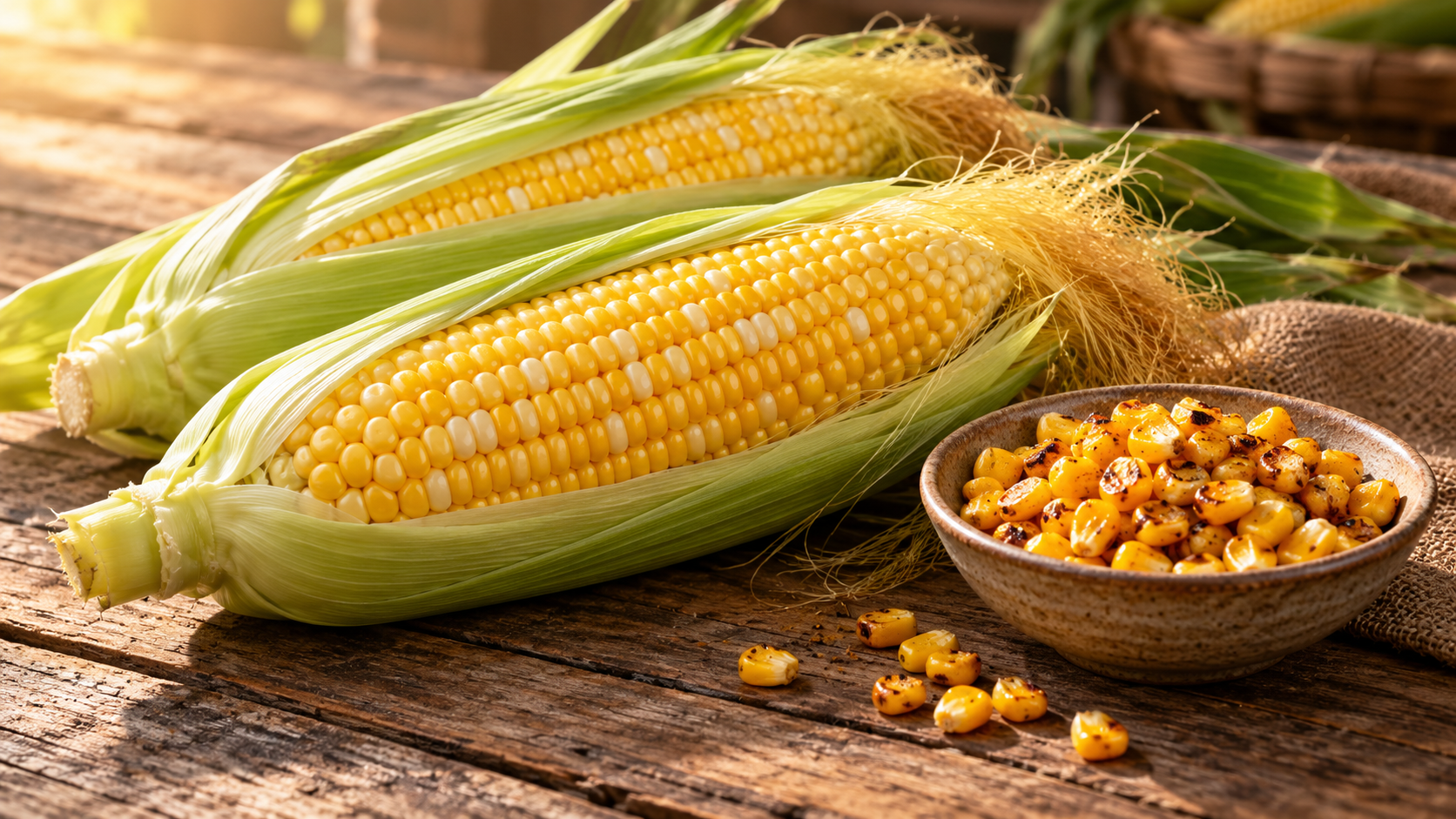
What does Korean corn silk tea taste like?
Korean corn silk tea tastes mild, toasty and gently sweet, with a roasted corn aroma similar to popcorn or barley tea and very little bitterness. The roasted kernels provide most of the warmth and body, while the silk itself adds a light, clean, slightly grassy note. Most bottled versions are unsweetened or contain very little sugar.
That profile explains its appeal. It drinks like flavoured water rather than a heavy tea, so people consume it with meals and throughout the day. It has no caffeine, no sharp acidity and no strong herbal character, which makes it easy for first-time drinkers. Roasted corn silk tea, where the silk itself is also toasted, leans even further toward a nutty, cereal flavour.
For a Western audience, the closest familiar reference is barley tea or a lightly roasted grain drink. That comparison is useful in marketing copy because it sets expectations without relying on claims.
Why corn silk tea drinks interest private label brands
Corn silk tea combines three qualities that buyers look for in a new RTD line: it is caffeine-free, it can be made without sugar, and it comes with an authentic cultural story. Unlike many functional drinks, it does not need a list of added ingredients to justify its place on the shelf.
- Clear point of difference: in many US, European and Australian supermarkets, corn silk tea is still found mainly in Asian grocery aisles, leaving room for a mainstream-friendly brand.
- Simple ingredient list: water, corn silk and roasted corn is enough for a credible product, which suits clean-label positioning.
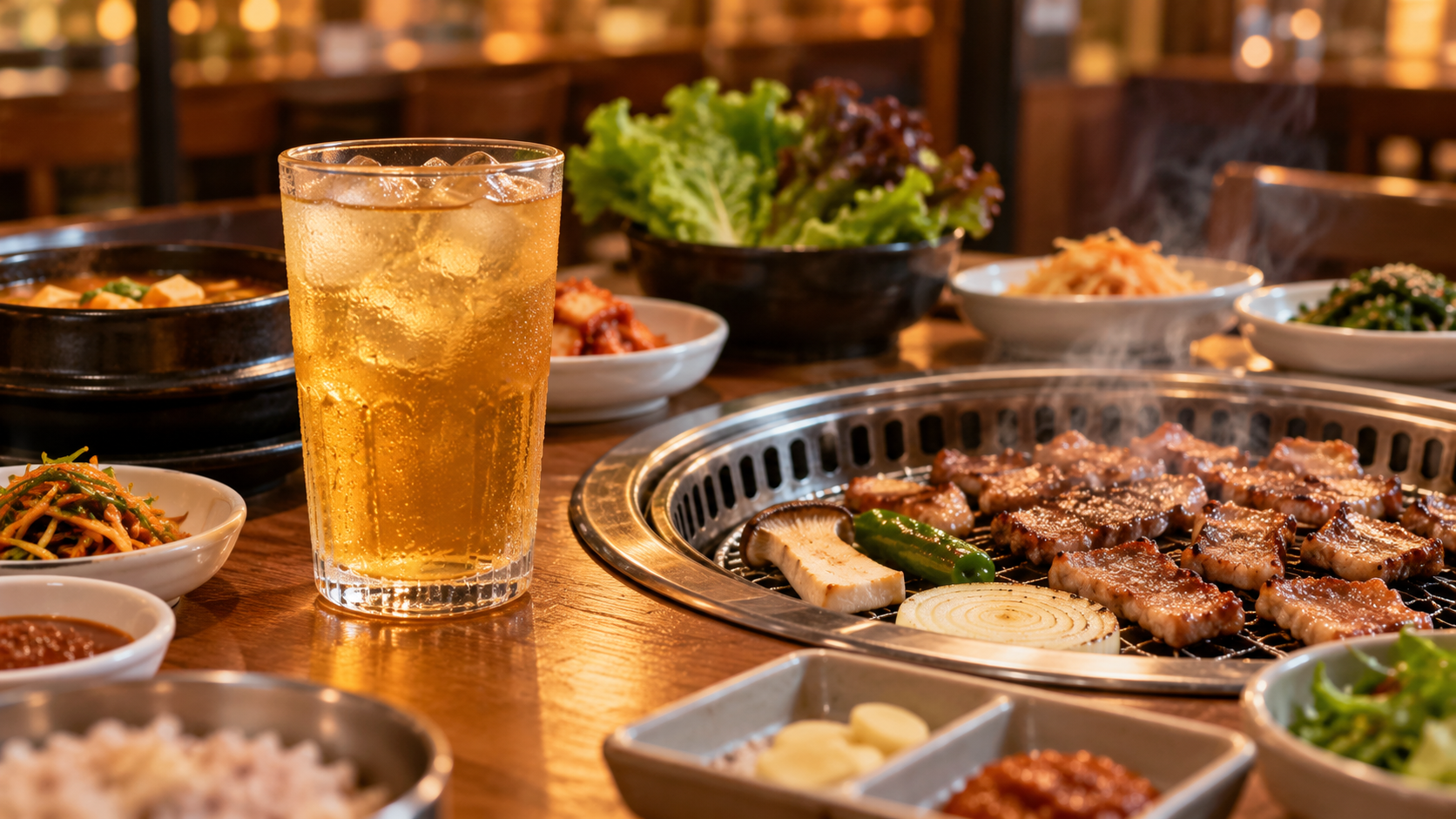
- Meal pairing: its mild taste works with food, opening restaurant, Korean barbecue and lunch-deal channels.
- Range extension: it fits beside barley, buckwheat or brown rice teas in a grain tea family.
Where does bottled corn silk tea sell?
Bottled corn silk tea sells best where Korean and East Asian food culture is already present, then expands into mainstream channels through convenience and restaurant listings. The core channels are Asian supermarkets, Korean grocery chains and convenience stores in Asia, followed by Korean and pan-Asian restaurants and online retail in Western markets.
A realistic route to market often follows these stages:
- Asian and Korean supermarkets in the US, EU and Australia: shoppers already recognise the drink, so the brand competes on taste, price and pack design.
- Korean and pan-Asian restaurants: a chilled corn silk tea is a natural non-alcoholic option alongside barbecue and set meals.
- Convenience stores in Asia: high familiarity, but also strong local competition, so a private label needs a clear angle such as a specific roast style or no-sugar positioning.
- Mainstream supermarkets and online: requires more education on the pack, often by comparing the taste to roasted grain teas.
Our page on global markets for beverage distribution gives a regional overview that can help when choosing a first target country.
SKU ideas for a corn silk tea range
A corn silk tea line can start with one hero SKU and expand into variants once the base taste is accepted. The table below outlines common directions.
| SKU idea | Profile | Best channel | Notes |
|---|---|---|---|
| Original corn silk tea, no sugar | Mild, toasty, clean | Asian grocery, convenience | Core SKU; matches what familiar shoppers expect |
| Roasted corn silk tea | Deeper roast, nutty, darker colour | Specialty retail, restaurants | Stronger flavour for meal pairing |
| Corn silk and barley blend | Grain-forward, fuller body | Mainstream supermarkets | Familiar grain story for new drinkers |
| Lightly sweetened corn silk tea | Soft sweetness, rounder mouthfeel | Markets that prefer sweeter RTDs | Check sugar labelling and taxes in each market |
The no-sugar original should almost always come first. It matches the authentic Korean style, avoids sugar taxes in several markets, and gives the brand a clean benchmark against which later variants can be judged.
Packaging: bottle or can for corn silk tea?
Corn silk tea is most commonly sold in PET bottles in Korea, often in sizes intended for drinking throughout the day. Cans are less common but offer advantages in some channels.
- PET bottle: matches the Korean reference, shows the light amber colour and suits resealable, all-day drinking. Larger bottles work for supermarkets; smaller ones for convenience.
- Aluminium can: protects the drink from light and oxygen, chills fast and suits restaurants, vending and multipacks. It can also help a brand stand apart from bottled competitors.
- Glass bottle: mainly for premium hospitality, where presentation matters more than freight cost.
Formats offered by the factory differ by line, so confirm available sizes and pack types during the brief. To organise options before that conversation, the beverage builder for packaging and flavour lets you compare formats in one place.
How should corn silk tea be labelled and positioned?
Position corn silk tea on taste, origin and occasion, not on health effects. Traditional use of corn silk is often linked to fluid balance or weight management, but these are health claims that most markets do not permit without authorisation. Describing the drink as roasted, mild, caffeine-free and good with meals is both compliant and persuasive.
Label and marketing points to settle early:
- Use the product name buyers search for, such as “corn silk tea” or “Korean-style corn silk tea”, and consider adding the Korean name for authenticity.
- State “caffeine-free” and “no sugar” only when the formula supports them and local rules allow the wording.
- Declare allergens and ingredients according to the target market; corn is not a major allergen in most jurisdictions, but local rules should be checked.
- Avoid words such as “diuretic”, “detox”, “slimming” or “reduces bloating” on the pack and in advertising.
Sourcing considerations for corn silk
Corn silk is a by-product of corn harvesting, so its quality depends on how it is collected, dried and stored. Buyers should ask for a raw material specification covering moisture, foreign matter and microbiological limits, and confirm how the roasted kernels are prepared. Whether the corn is from non-GMO sources may matter in some markets, and that claim needs documentation from the supply chain rather than an assumption.
Consistent sourcing is what keeps the taste stable from batch to batch. A brand that launches with a well-liked roast profile needs the same raw material year-round, so supplier continuity should be part of the discussion from the start.
Building a brief for Korean corn silk tea
Bring the following to a first development conversation:
- Target markets and channels, ranked by priority.
- One or two reference products you like, and what you would change.
- Roast level preference: light, standard or deep roast.
- Sugar position: no sugar, light sweetness or both.
- Pack type and size for each channel.
- Label language and any certifications your buyers require.
A brief at this level allows the first samples to be close to the target, which saves time compared with open-ended sampling.
How a corn silk tea project usually runs
A private label corn silk tea typically moves through a predictable sequence, and knowing it in advance helps brand owners plan launches and budgets.
- Brief review: the target market, channel, roast style, sugar position and pack are confirmed, along with any certifications buyers require.
- First samples: a small set of variations, usually around roast level and strength, is prepared for tasting against your reference product.
- Refinement: the preferred sample is adjusted for sweetness, aroma and colour, and processed samples are produced in the intended pack.
- Label and compliance check: ingredient list, claims, language and nutrition panel are aligned with the rules of the first market.
- Shelf-life confirmation: processed product is held and checked over time before the best-before period is agreed.
- Artwork and first production: pack artwork is finalised and the first commercial batch is scheduled.
Timelines depend on how many sample rounds are needed and on the label approval process in each market, so they should be discussed directly rather than assumed. Brands that arrive with a clear reference product and a defined roast preference usually need fewer rounds.
One more point for brand owners: corn silk tea is often bought in multiples for daily drinking, so price per serving and pack count matter more than in impulse categories. Plan multipack formats and case configurations together with the retailer before artwork is final.

Frequently asked questions about corn silk tea
Does corn silk tea contain caffeine?
No. Corn silk tea is made from corn silk and usually roasted corn, neither of which contains caffeine. Blends that add green or black tea would contain caffeine and must be labelled accordingly.
What is the difference between corn silk tea and roasted corn tea?
Corn silk tea uses the silk threads, often combined with roasted kernels. Roasted corn tea is made mainly from roasted kernels and tastes more strongly of cereal. Many Korean bottled drinks blend both.
Can corn silk tea be made without sugar?
Yes. The traditional Korean style is unsweetened, and the roasted corn gives a natural impression of sweetness. A no-sugar version is the usual starting point for a range.
Is corn silk tea available as loose tea from ACM Beverage?
No. The scope is limited to finished drinks in cans and bottles. Loose corn silk or bulk tea is not part of the offer.
Which markets are best for launching a corn silk tea first?
Markets with established Korean and East Asian grocery channels are usually the easiest starting point, because shoppers already know the drink. The US, Australia and several European countries have such channels. Mainstream supermarkets can follow once the brand has sales data and a clear taste message that compares the drink to familiar roasted grain teas.
Is Korean-style corn silk tea right for your range?
Corn silk tea suits brands that want a caffeine-free, low- or no-sugar drink with an authentic story and a taste that pairs easily with food. Success depends on a consistent roast profile, the right pack for each channel and positioning that focuses on flavour rather than health effects. If you are evaluating a corn silk tea drink for private label, ACM Beverage can review your brief on roast level, sweetness, packaging and target markets and explain how a custom development project would proceed.